
Crypto Staking: How It Works, Rewards, and Best Practices
When working with crypto staking, the process of locking up digital tokens to support a blockchain’s security and earn periodic payouts. Also known as staking, it relies on the Proof of Stake consensus model, where validator nodes confirm transactions in exchange for staking rewards. In simple terms, you pledge tokens, the network uses them to choose validators, and you share the earnings. Crypto staking has become a go‑to way for passive income in the crypto space.
Because rewards are paid out in the same token you lock, the annual percentage yield (APY) can range from a modest 3% on well‑established coins to over 30% on newer projects like Axiome (AXM) or Andy (ANDY). Higher yields often mean higher risk, as the token’s price volatility can eat into your earnings. Staking also adds liquidity to the ecosystem, letting projects prove that real holders are backing their networks.
Security is the biggest hurdle. When you delegate your tokens to a validator, you trust that validator not to act maliciously. A compromised validator can slash a portion of your stake as a penalty. Using a centralized exchange to stake adds a custodian layer—if the exchange gets hacked, your tokens could disappear. That’s why many users prefer non‑custodial wallets where they control the private keys.
Choosing the right platform depends on fees, ease of use, and the range of supported assets. Exchanges like Gate.io and Palmex now offer built‑in staking dashboards, often with lower minimums than native blockchain wallets. Dedicated staking services such as Staked or Figment give you granular control over validator selection but may charge a management fee. Compare the fee structure, lock‑up period, and any early‑withdraw penalties before committing.
Tax treatment varies by jurisdiction. In some countries, staking rewards are treated as ordinary income at the time they are received, while other regimes tax them only when you sell the tokens. Keep detailed records of the amount staked, reward dates, and fair market value to stay compliant. Even if your country currently has no crypto tax, future regulation could change, so it’s wise to stay informed.
Advanced users often compound their earnings by re‑staking the rewards as soon as they’re credited. This “auto‑compound” strategy can dramatically boost long‑term returns, especially on high‑APY tokens. Some protocols also let you lock staked tokens into secondary yield‑farms, effectively turning staking into a building block for broader DeFi strategies. Just remember that each layer adds complexity and risk.
The staking landscape is evolving fast. New modular blockchains are separating consensus from execution, allowing validators to specialize and potentially offer higher rewards. Sidechains and cross‑chain bridges are opening up staking opportunities on assets that previously only lived on single chains. Keeping an eye on upcoming projects and network upgrades will help you spot the next high‑yield opportunity before it saturates.
Below you’ll find a curated collection of articles that dive deeper into each of these topics—from step‑by‑step guides on staking specific tokens to reviews of the best platforms and the latest regulatory updates. Use them to build a solid staking strategy that matches your risk tolerance and financial goals.
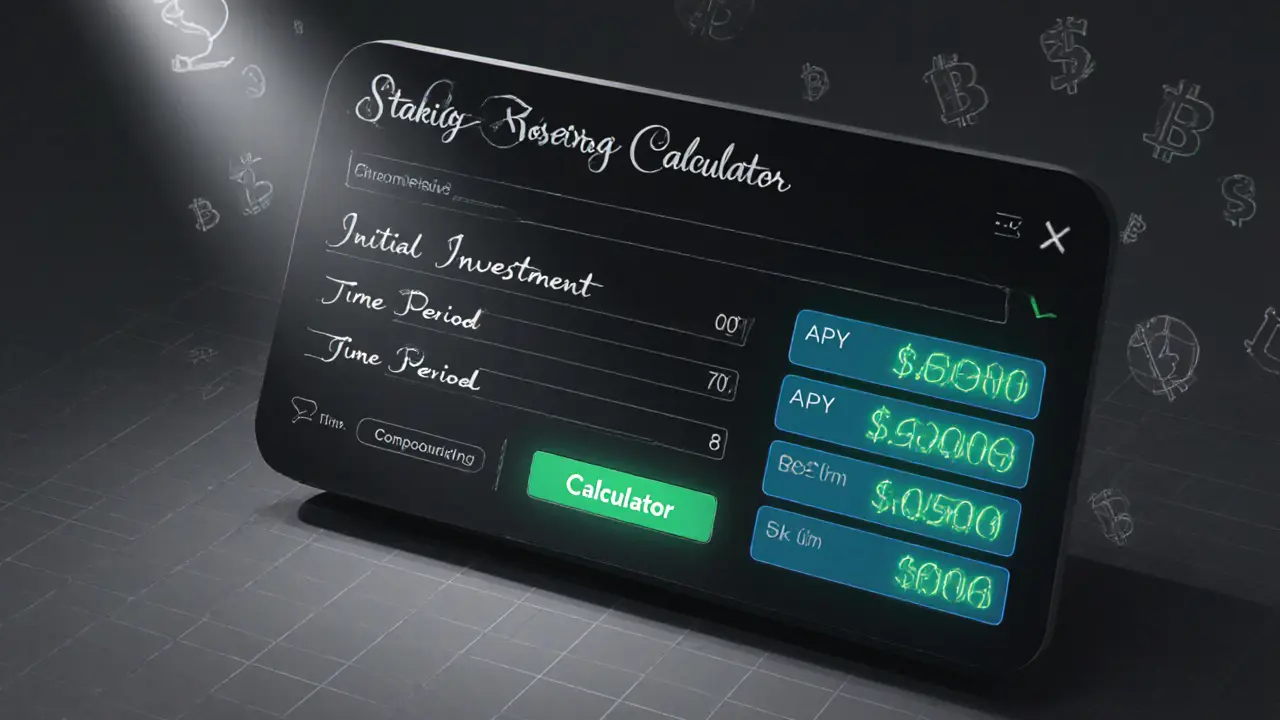
How to Stake Crypto and Earn Rewards - Step‑by‑Step Guide
Learn step‑by‑step how to stake crypto, choose the best platform, avoid slashing, and earn passive rewards safely in 2025.
VIEW MORE