
WELL Airdrop Details: Eligibility, Timeline & How to Qualify
There is a lot of noise in the crypto space right now. You see headlines about massive payouts, free tokens, and "guaranteed" wealth. But when you look for specific details on the WELL airdrop by the WELL project, you hit a wall. As of August 2026, there is no verified, official information confirming a specific "WELL airdrop" from a major entity known simply as "WELL." This silence is actually your first clue. In an industry where projects scream their launch dates from every social media platform, silence often means one of two things: either the project is still in stealth mode, or it doesn't exist yet.
However, understanding how airdrops work in the current market landscape can help you prepare. If a WELL project does launch, it will likely follow the established patterns of other major distributions we've seen recently. Let's break down what you need to know about airdrop mechanics, eligibility, and how to spot legitimate opportunities versus scams.
The Current State of Crypto Airdrops
The airdrop landscape has shifted dramatically since the early days of Ethereum. Back then, airdrops were often random giveaways to build awareness. Today, they are strategic tools for decentralization and liquidity bootstrapping. Projects use them to distribute governance rights, reward early adopters, and avoid centralization of token supply.
In 2025 and into 2026, we saw a surge in point-based systems. Layer 2 solutions like Arbitrum and Optimism popularized the idea that if you bridge funds, make transactions, or use specific protocols, you earn points that convert to tokens later. This model ensures that only active users benefit, not just people who created multiple wallets to farm free money.
Major rumored airdrops in recent cycles included those from MetaMask, zkSync, and LayerZero. These projects didn't just give away tokens; they required users to interact with their ecosystems. For example, MetaMask rumors suggested users needed an active account and a minimum ETH balance. This trend continues today. If a WELL project exists, expect similar requirements.
How Airdrop Eligibility Works
To qualify for most modern airdrops, you generally need to meet specific criteria set by the project team. These criteria are designed to filter out bots and reward genuine users. Here are the common qualification paths:
- Platform Usage: You must have used a specific protocol or dApp. This could mean swapping tokens, providing liquidity, or borrowing assets.
- Minimum Balance: Some projects require you to hold a certain amount of a related token or native currency (like ETH) in your wallet during a snapshot period.
- Task Completion: Completing social tasks, joining Discord communities, or verifying identity through KYC (Know Your Customer) processes.
- Historical Participation: Having participated in earlier rounds, such as an ICO or beta testing phase.
For instance, the GOOD Airdrop Two by goodcryptoX required users to trade actively and maintain an average balance of 10,000 $GOOD. While this is a specific example, it illustrates the level of engagement expected. If you're waiting for a WELL airdrop, check if there is a live testnet or mainnet product you can interact with. Simply holding a wallet is rarely enough anymore.
Red Flags: Spotting Fake Airdrops
Because "WELL" is a generic term, it's highly susceptible to impersonation. Scammers love to create fake websites and social media accounts promising free tokens. Before you connect your wallet to any site claiming to be the official WELL airdrop, verify these red flags:
- Unsolicited DMs: Legitimate projects rarely DM you on Twitter or Telegram offering free tokens. If someone messages you first, it's almost certainly a scam.
- Urgency Tactics: Phrases like "Claim now before it's gone!" or "Last 24 hours!" are classic pressure tactics to make you act without thinking.
- Unverified Contracts: Always check the smart contract address on block explorers like Etherscan. If the contract is new, unverified, or has suspicious code, stay away.
- Generic Domains: Official projects usually use well-known domains. Be wary of URLs with slight misspellings or unusual top-level domains.
A simple rule: if it sounds too good to be true, it probably is. Real airdrops require effort and interaction. Free money with zero effort is the hallmark of a phishing attempt.
Preparing Your Wallet for Potential Airdrops
If you believe a WELL project might launch soon, here's how to prepare your digital infrastructure safely:
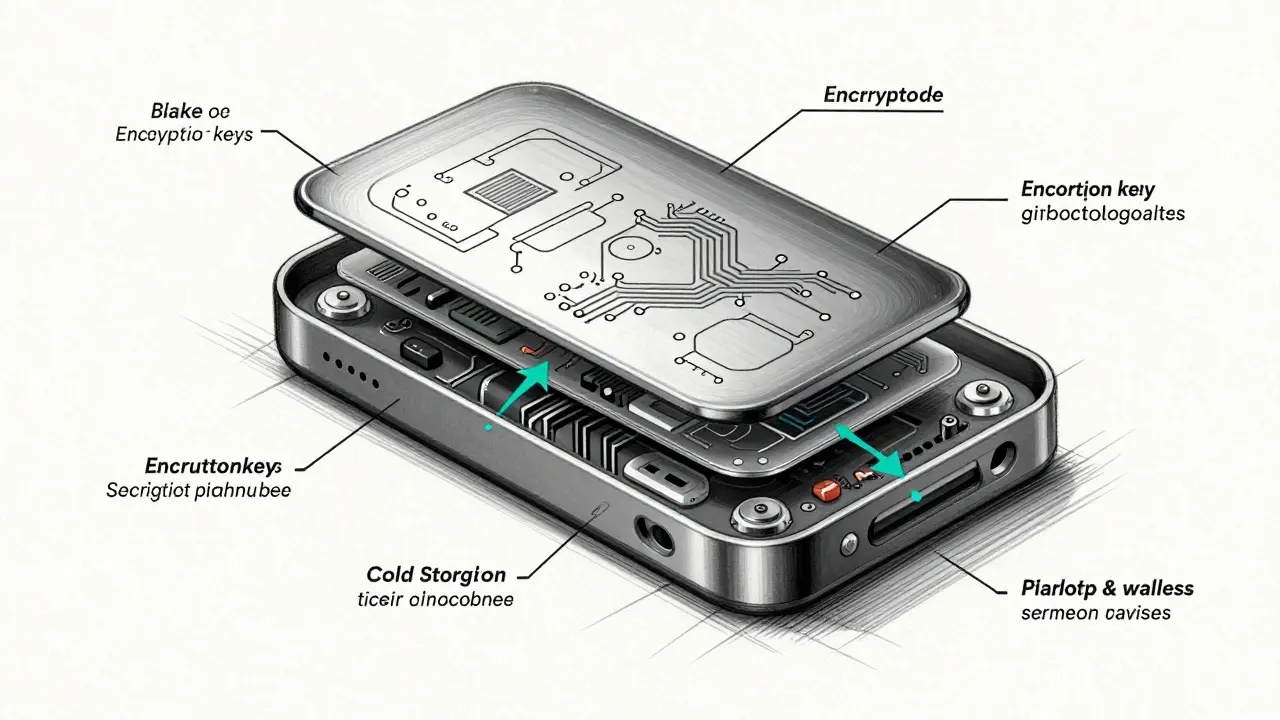
Use a Dedicated Wallet: Create a separate hardware or software wallet specifically for interacting with new protocols. This minimizes risk if you accidentally approve a malicious contract. Keep your main savings in a cold storage device that never connects to the internet.
Monitor Official Channels: Follow the official Twitter/X account, Discord server, and blog of the project. Look for blue checks or verification badges. Engage with the community but don't click links from random users.
Track Interactions: Use platforms like DeBank or Zapper to monitor your wallet activity. This helps you understand which protocols you've interacted with and potentially qualify for future drops.
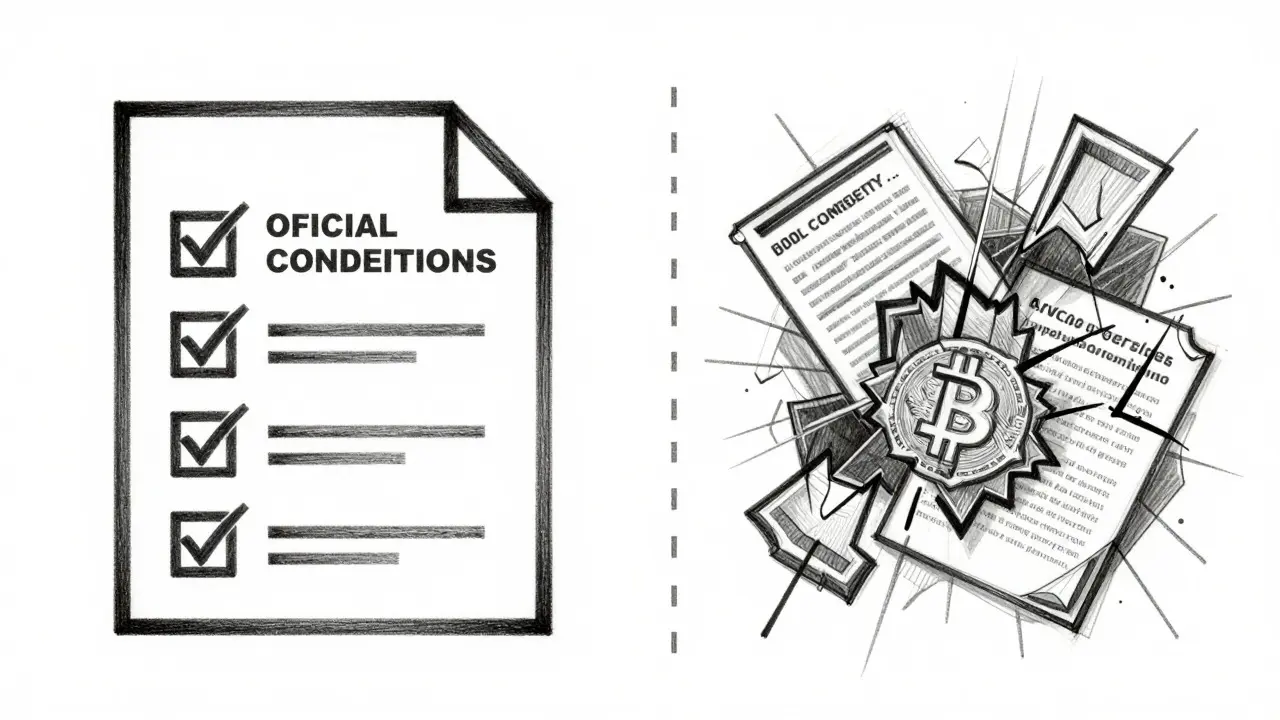
Comparison: Legitimate vs. Suspicious Airdrop Traits
| Feature | Legitimate Airdrop | Suspicious/Scam Airdrop |
|---|---|---|
| Communication Style | Clear, detailed terms and conditions | Vague promises, urgent language |
| Eligibility Criteria | Based on past usage or specific tasks | No criteria, just "connect wallet" |
| Contract Verification | Verified on Etherscan/Solscan | Unverified or newly deployed contracts |
| Community Presence | Active, moderated Discord/Twitter | Bots, low engagement, anonymous admins |
| Fees Required | Only gas fees for transactions | Asks for upfront payment or private keys |
What to Do Next
If you can't find concrete info on a WELL airdrop, broaden your search. Look for projects in the same sector-perhaps wellness tech, decentralized finance, or layer-2 scaling-that might use "WELL" as part of their branding. Check aggregators like CoinGecko or Koinly for upcoming rumored drops. Remember, patience pays off. Rushing into unverified claims often leads to lost funds. Stay informed, stay skeptical, and always prioritize security over potential gains.
Is there an official WELL airdrop happening in 2026?
As of August 2026, there is no widely recognized or officially confirmed "WELL airdrop" from a major project known simply as WELL. Most information circulating may be speculative or related to smaller, less-known entities. Always verify sources through official project channels.
How do I know if a crypto airdrop is legitimate?
Check for verified social media accounts, clear eligibility criteria based on past usage, and smart contract verification on block explorers. Legitimate projects rarely contact users via direct message and always provide detailed terms and conditions.
What are the common requirements to qualify for an airdrop?
Common requirements include using a specific protocol, holding a minimum balance of tokens, completing social tasks, or participating in beta tests. Point systems are also increasingly common, rewarding consistent activity over time.
Should I connect my main wallet to claim an airdrop?
It is safer to use a dedicated secondary wallet for interacting with new protocols or claiming airdrops. This limits exposure if you accidentally approve a malicious contract. Keep your primary assets in cold storage.
Are point-based airdrops better than traditional ones?
Point-based systems often lead to fairer distribution by rewarding active users rather than bot farms. They encourage long-term engagement with the ecosystem, which benefits both the project and genuine participants.

Joy Kwant
August 7, 2026 AT 22:03It is absolutely exhausting to see people chasing ghosts in the crypto space. You all act like you deserve free money for doing nothing but clicking buttons. The silence from WELL isn't mysterious, it's because they know their project is hollow. Stop expecting a handout and start accepting that your greed is making you blind to obvious scams.
Matthew Smith
August 9, 2026 AT 10:10the moral decay of this industry is palpable we chase tokens with no utility driven by pure speculation rather than value creation it is a reflection of our collective impatience
Ryan Robinson
August 9, 2026 AT 20:49i mean its not really that deep man just check if they have a discord or twitter if they dont then yeah probably scam but dont be so harsh on everyone trying to make some cash these days are tough
Earl Kott65
August 11, 2026 AT 14:54Oh wow! 🤯 Can you imagine if there actually was a drop? 😱 It would be life-changing! But seriously, keep your eyes peeled and don't let those scammers get you down! 💪✨
Ethan Yuwono
August 12, 2026 AT 03:44it is important to listen to the community signals before diving in headfirst trust your gut feeling about the project legitimacy
Jack Delasquez
August 13, 2026 AT 00:53man i think u guys are overthinking this just hop on any new protocol and interact maybe u will get lucky who knows right lets gooo
Harman Singh
August 13, 2026 AT 16:01why is everyone so negative about well airdrop i feel like my energy is being drained by all this skepticism come on lets support new projects instead of tearing them down
Qolbina Islami
August 15, 2026 AT 05:58This is typical American ignorance!!! We need to take control of our financial destiny!!! Don't let the elites steal your potential wealth!!! Claim what is yours!!!
SUBHAM CHOUDHURY
August 15, 2026 AT 15:47Hey friend, don't worry too much about the noise. Just focus on learning the basics of wallet security. It's a journey, not a race. You got this!
amy miranda
August 16, 2026 AT 23:22The sheer laziness of expecting an airdrop without doing any due diligence is appalling. This article is painfully obvious to anyone with half a brain cell. Why do we even bother discussing this garbage?
Pernelia Wahkan
August 17, 2026 AT 15:39I've been tracking similar patterns in DeFi protocols. The key is to look for on-chain activity that mimics real user behavior rather than bot farms. If you want to dig deeper, check out how zkSync handled their snapshot periods.
Subhash Kashyap Dm
August 18, 2026 AT 16:57they are hiding the truth the central banks want to suppress decentralized finance watch the smart contracts closely they are planting backdoors everywhere stay vigilant
Billy Cunningham
August 19, 2026 AT 16:31just connect your wallet and pray 🙏
Ed Wallace
August 20, 2026 AT 19:03There is a profound philosophical question here about value. Is value assigned by consensus or by utility? In the case of WELL, if the consensus is silent, perhaps the utility is yet to be discovered. Let us ponder this.
Joshua Hofford
August 21, 2026 AT 06:52Look on the bright side! Every scam avoided is a win for your portfolio. Stay positive and keep exploring new opportunities. The crypto world is full of surprises!
Marcia Albert
August 21, 2026 AT 07:37I'm just sitting back watching the circus. It's hilarious how everyone panics when a project doesn't scream for attention. True gems often whisper.
Emma Smith
August 22, 2026 AT 04:45you need to understand the underlying tokenomics before judging the silence liquidity mining is dead long live point systems its a paradigm shift
Ed Mitchell
August 23, 2026 AT 21:23THEY ARE WATCHING YOU. Your wallet address is already compromised. Trust no one. The silence is a trap designed to lower your guard before the rug pull. Act now while you still can.
Michael Mostyn
August 24, 2026 AT 19:07It appears that the lack of information is a deliberate strategy to filter out impatient speculators. This approach aligns with traditional venture capital stealth modes. One should consider the implications of such opacity.
Erica Johnson
August 26, 2026 AT 12:53I've seen this pattern before. Usually, it ends badly for those who ignore the red flags. Just my two cents. 😉
Ken G
August 27, 2026 AT 09:13its all a conspiracy to keep the little guy down they want you to think its a scam so you dont participate in the real revolution wake up sheeple
Lorraine Surringer
August 28, 2026 AT 16:25Honestly, reading all these comments makes me tired. People are so quick to judge without knowing anything. Just chill out and let the chips fall where they may. Its not rocket science.