What is SpaceGrime (GRIMEX) Coin in 2026: A Deep Dive
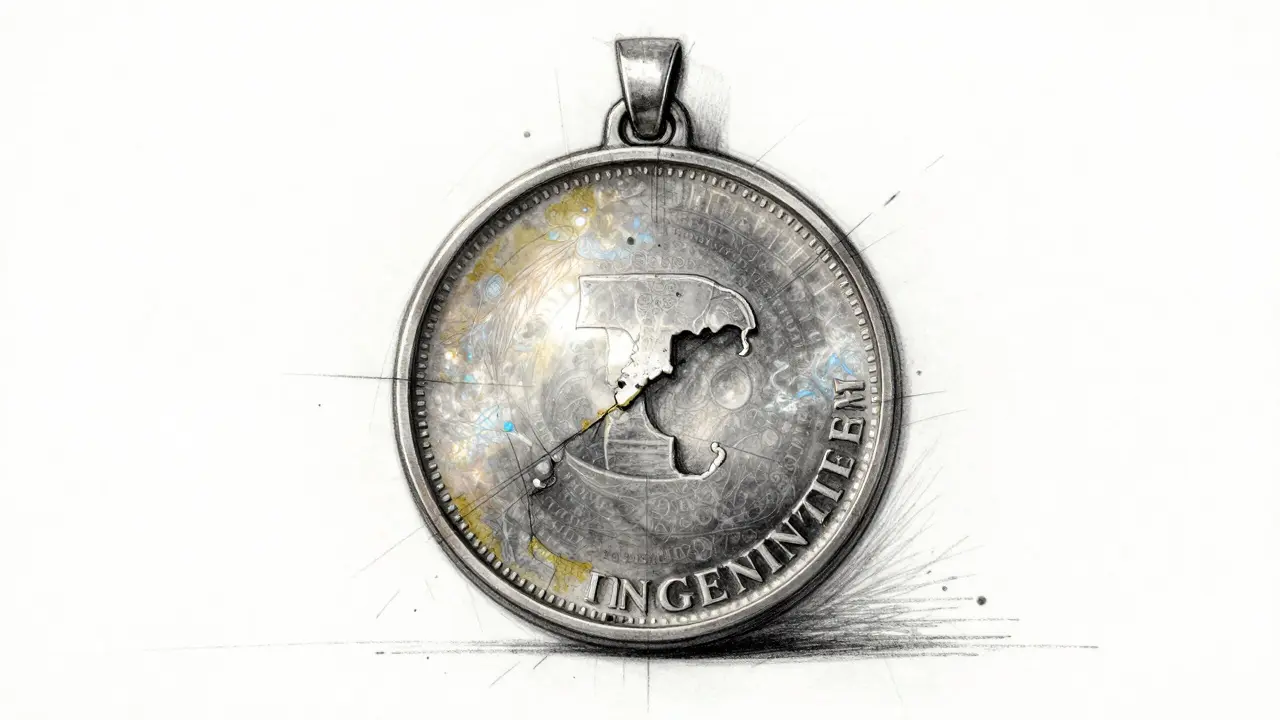
You come across a ticker symbol like GRIMEX online and wonder if it's your next big opportunity. You see a name like SpaceGrime, something that sounds adventurous, but when you look closer, the numbers don't add up. As of late March 2026, the reality of holding this asset is quite different from the hype you might expect from standard digital assets. Many investors stumble upon obscure tokens through social media or old forums, only to find themselves staring at blank data fields.
The core question isn't just about the current price, but whether anything substantial exists behind the curtain. For **SpaceGrime**, the answer leans heavily towards caution rather than excitement. When you strip away the flashy names, what remains is a digital token sitting on exchanges with almost zero activity. Understanding the true nature of this coin requires looking past the name and examining the bare metrics available in the market right now.
The Current Status of GRIMEX
SpaceGrime operates under the ticker symbol GRIMEX within the broader cryptocurrency market. As of March 2026, the token trades at an exceptionally low valuation of approximately $0.0000000000004638 USD. Despite the presence on major data aggregators like Crypto.com, the asset shows signs of severe stagnation.This price point places the coin in a category often referred to as dust or micro-dust, depending on which exchange you ask. You might see this listed on a platform, but the value is so small it borders on being theoretical rather than transactional. A single unit doesn't really translate into anything practical in terms of purchasing power. Instead, you would need billions of units to reach even a single dollar.
Beyond the raw price, the market capitalization tells an even starker story. According to data from BeInCrypto, the market cap is reported as €0.00. This figure is significant. Usually, a zero market cap means one of two things: the circulating supply is unconfirmed, or there are simply no open market orders sustaining any perceived value. It suggests that while the token technically exists on a ledger, it isn't actively being traded enough to generate a meaningful float.
Liquidity and Trading Volume Concerns
Liquidity is the lifeblood of any trading activity. Without it, a token is functionally useless because you cannot sell it when you need to. For GRIMEX, the 24-hour trading volume is marked as unavailable or N/A. This is a critical red flag for anyone considering entering a position.
| Metric | Value (March 2026) | Risk Level |
|---|---|---|
| Price | $0.0000000000004638 | Extreme |
| Market Cap | €0.00 | High |
| Volume (24h) | N/A | Critical |
| Listings | Limited Aggregators | Moderate |
When volume is unavailable, it usually implies that the order book is too thin to register consistent transactions over a full day. If you were to try and buy 10 million GRIMEX, you might move the price significantly or fail to fill the order entirely. This lack of depth creates massive slippage risks. Essentially, you can get in, but getting out could take forever or force you to sell at a fraction of the listed price.
The Missing Project Infrastructure
A healthy project needs more than just a smart contract address; it needs a community, a roadmap, and documentation. The absence of these pillars for SpaceGrime is perhaps the biggest concern for potential holders. Standard Blockchain projectstypically publish whitepapers, team profiles, and development roadmaps early in their lifecycle.
Searching for the founding team, whitepaper, or technical specifications yields no credible results in major public sources. There are no GitHub repositories showing recent commits. There are no active Discord channels or Telegram groups with verified moderation. When you dig into the web for a coin like this, you often hit walls where the official website either redirects to nothing or was never built.
This vacuum of information creates an environment ripe for speculation. Without a clear utility case-like governance rights, staking rewards, or ecosystem access-the token has no fundamental value proposition. It becomes purely speculative, relying entirely on other people believing the price will go up so they can sell to someone else. That reliance on pure momentum is the definition of high-risk speculation.
Understanding Micro-Caps and Ghost Projects
There is a distinct difference between a new launch and an abandoned ghost project. New launches sometimes have low volume as they ramp up marketing. Abandoned projects stay dormant for years. Based on the available data, GRIMEX leans closer to the latter. A zero market cap combined with negligible price movement suggests the project may have lost steam long ago.
In the world of cryptocurrencies, thousands of tokens emerge every month. The vast majority of them fade into obscurity. Some die quickly due to poor execution, others drift down until they become dust on the books. This phenomenon is sometimes called "token rot." Developers walk away, liquidity pools dry up, and the code remains on the blockchain but effectively serves no purpose.
Identifying the lifespan of a token matters immensely. If you hold onto coins from five or ten years ago without checking their utility, you are essentially holding historical artifacts, not investment vehicles. The risk here isn't just losing money; it's holding assets that no longer serve the original intent for which they were launched.
Safety Protocols for Obscure Assets
If you still find interest in digging deeper, you need a systematic way to evaluate safety. Do not rely on third-party price feeds alone. First, verify the contract address on the blockchain explorer. Does the contract allow minting unlimited supply? Does it have a blacklist function where developers can ban your wallet?
- Contract Verification: Paste the token address into a block explorer like Etherscan or BscScan. Look for verified source code.
- Honeypot Detection: Use tools to simulate buying and selling. Can you actually sell the token after buying it?
- Team Vetting: Search LinkedIn or Twitter for names. Are they real people with history, or anonymous pseudonyms?
- Liquidity Checks: Go to decentralized exchanges (DEXs). Is the liquidity locked? If not, devs can pull it anytime (a "rug pull").
- Community Sentiment: Join forums. Are people talking about utility or just trying to pump the chart?
For SpaceGrime specifically, applying these filters will likely show gaps in security or transparency. The lack of primary sources forces you to assume the worst-case scenario until proven otherwise. In crypto, burden of proof should always fall on the project creators, not the investor.
The Psychology of Holding Dead Coins
Why do people continue to watch coins like this? Often, it comes down to sunk cost fallacy. You bought some time ago at a slightly different price, and you wait for it to rebound. But markets do not care about your purchase price. If the fundamentals are missing, waiting is just extending your exposure to risk.
The opportunity cost is real. Money tied up in a stagnant asset could be invested elsewhere in infrastructure that is building genuine technology. By focusing solely on price recovery, you ignore the reality that the product might never exist. Recognizing that a coin is effectively "dead" is painful, but it frees you up to make better decisions with your capital.
Regulatory and Compliance Gaps
Another layer of risk involves legal compliance. Major jurisdictions are tightening rules around digital assets. Unclear projects with no identifiable leadership are prime targets for regulatory scrutiny. If a token lacks KYC (Know Your Customer) processes or transparent ownership, it might get delisted from exchanges that require compliance.
Without a known entity responsible for the token, reporting issues becomes impossible. If the project engages in illicit activities or fails to meet tax reporting standards, the average holder has no recourse. Regulatory clarity is slowly increasing globally. Projects that do not adapt to these frameworks often find themselves shut off from traditional finance gateways, further reducing liquidity.
Can I still buy SpaceGrime (GRIMEX)?
Technically, yes, if it is listed on an exchange. However, availability is extremely limited. Most centralized platforms have delisted assets with zero liquidity to protect user funds. Buying via DEXs carries the risk of slippage and inability to exit later.
Is SpaceGrime a scam?
It is hard to label definitively without evidence of fraud, but the characteristics suggest high risk. The lack of documentation, team transparency, and active development aligns closely with abandoned or potentially deceptive projects.
What blockchain does GRIMEX run on?
Publicly available data does not specify the native blockchain network. Common networks for such tokens include Ethereum or Binance Smart Chain, but verification is needed via the contract address.
Does SpaceGrime have a future roadmap?
No official roadmap is accessible in current data sources. The absence of future planning documents indicates a halted development phase.
Should I sell my holdings now?
Given the zero market cap and lack of volume, exiting immediately is difficult. If you hold significant amounts, consult a financial advisor. Generally, assets with these metrics offer little chance of recovery.
Katrina Tate
April 2, 2026 AT 06:18This entire project screams scam from every angle and anyone investing here is practically donating to the void. The lack of basic metrics is insulting to anyone who knows the first thing about market caps. I hope you burn your wallets quickly rather than hoping for a miracle rebound that never comes.
Liam Robertson
April 3, 2026 AT 15:01While the outlook is bleak we still see potential in early stage recoveries occasionally. Some dust tokens get delisted then return with new liquidity pools after months of silence. We should remain cautious but open to the slight possibility of a pivot strategy.
Disha Patil
April 4, 2026 AT 16:27I cannot believe how much pain this causes people to hold worthless digital paper clips forever. It feels terrible knowing someone spent real money on a ghost ship that sinks immediately upon launch. My heart goes out to everyone stuck with these bags right now.
Elizabeth Akers
April 6, 2026 AT 00:10seen this before happens alot
Ronald Siggy
April 6, 2026 AT 12:30Protect your capital and recognize when a train has left the station completely. Moving on allows you to invest in things with actual growth potential and development teams behind them. Do not let sunk costs prevent you from making smart financial decisions today.
Lisa Walton
April 7, 2026 AT 00:57Yeah sure like unicorns paying rent on the moon while you hold this bag. Delusional optimism is the only fuel left for this kind of asset.
Sean Carr
April 8, 2026 AT 04:23The contract verification status on the main explorer indicates no audits were performed recently. Lack of technical validation confirms the stagnation noted in the original analysis.
athalia georgina
April 8, 2026 AT 17:12wtf did they do with money and where is whitepaper its missing fr. i think its fake and developers took run
Callis MacEwan
April 9, 2026 AT 07:54Dead liquidity pool depth suggests systemic failure across the primary DEX venues for this asset class. Alpha slippage is extreme when entering positions of this magnitude.
Jay Starr
April 9, 2026 AT 11:51Its literally a paperweight now nothing else really matters anymore.
Matt Bridger
April 11, 2026 AT 03:00Fools rush in where angels fear to tread with tokens of negligible value
Michael Nadeau
April 11, 2026 AT 16:33Value is perceived utility not ledger entries and without community the chain loses meaning entirely. Philosophically the asset represents a failure of collective agreement on worth. We must question what defines intrinsic value in a decentralized environment.
Zackary Hogeboom
April 11, 2026 AT 17:47I checked the explorer its empty blocks for months with no dev activity visible. This aligns with the zero volume report seen earlier in the thread.
Shaira Vargas
April 12, 2026 AT 20:22i hate holding bags forever
Alex Lo
April 13, 2026 AT 12:07Look at the history of crypto scams and notice how often these patterns repeat themselves over and over again. You see people chasing moon shots while the fundamentals rot underneath their feet slowly. Developers abandon ships leaving holders stranded in the digital ocean with no rescue boat coming soon. They promise utility that never arrives during the initial hype phase of the launch cycle. Marketing campaigns spend millions while the product remains nothing more than a smart contract address. The lack of transparency is the biggest red flag for any rational investor trying to assess risk. Liquidity locks are often bypassed by insiders selling their large positions quietly. Rug pulls happen faster than you can click confirm on a transaction screen sometimes. Holding onto hope is easier than accepting the cold hard truth about valueless assets though. Many communities stay active purely to deny reality until the exchange delists the token finally. Regulatory bodies will eventually catch up with projects lacking proper corporate structure documentation. Investors lose sleep worrying about recovery plans that management teams never actually wrote down anywhere. The opportunity cost of waiting for a rebound is higher than realizing the loss now. Financial advisors suggest cutting losses before the situation spirals out of control further. Diversification protects portfolios from single points of failure like this obscure token example.
joshua kutcher
April 15, 2026 AT 08:54It sucks when people lose trust in the whole market because of one token specifically. We should support each other through these rough patches of volatility. Empathy is necessary when discussing financial loss publicly online.
Ashley Stump
April 16, 2026 AT 23:15Stop making excuses these devs are thieves pure and simple. People need to realize that greed blinds them to obvious warning signs everywhere.
Cara Boyer
April 17, 2026 AT 16:40Big tech kills small cap projects like this on purpose :) they want monopoly on value transfer systems globally. Always suspect the narrative provided by mainstream aggregators.
Lisa Miller
April 18, 2026 AT 13:38We learn and grow from these mistakes together honestly. Every bear market teaches us resilience for the next bull run ahead. Keep your head up and focus on the good opportunities available.
Alex Kuzmenko
April 19, 2026 AT 08:24thay shoudl have listed better. regulatry compiance is key
Samson Abraham
April 20, 2026 AT 01:35Regulatory compliance remains a key factor moving forward. Projects failing to adapt risk exclusion from traditional gateways