
20-27 Million Crypto Users in Pakistan: Adoption vs. Restrictions
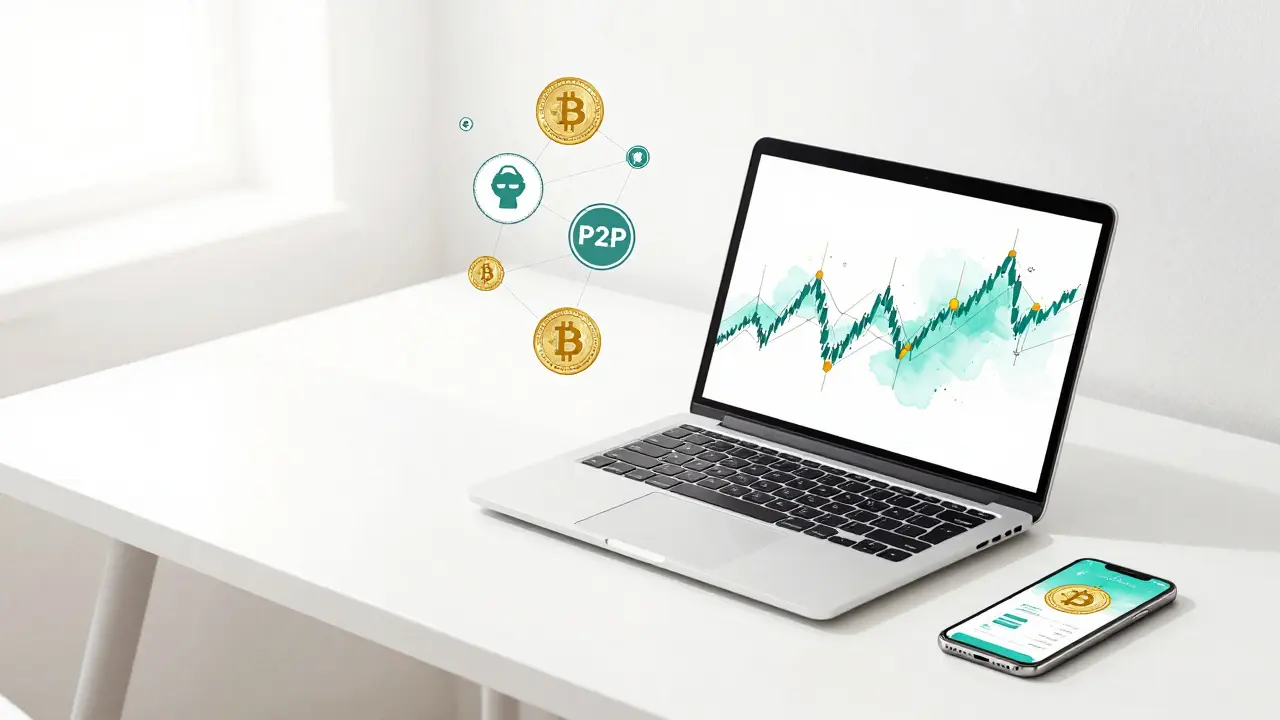
Picture this: you are a freelancer in Lahore. You just finished a project for a client in the US. The money is ready to transfer, but your local bank is asking for endless paperwork, charging steep fees, and taking days to process it. Meanwhile, your friend shows you how they received the same payment in minutes via cryptocurrency, specifically using stablecoins like USDT. This isn't a hypothetical scenario; it is the daily reality for millions of Pakistanis. Recent estimates suggest that between 20 and 27 million people in Pakistan now use digital assets. That is a massive number for a country where the government has repeatedly threatened to ban these very same tools.
So, how do we reconcile a user base that ranks among the top ten globally with a regulatory environment that remains hostile? The answer lies in necessity. In Pakistan, crypto isn't just about speculation or getting rich quick. It is a survival mechanism against inflation, a lifeline for the gig economy, and a workaround for a banking system that struggles to keep up with modern demands. Let's break down why this adoption is happening, what the restrictions actually look like on the ground, and what the future holds for these 27 million users.
The Numbers Behind the Hype
When we talk about "20 to 27 million users," we need to be clear about what that means. These figures come from various industry reports and exchange data. For instance, verified user counts on major platforms reached around 18.2 million in 2025, with projections pushing past 27 million by year-end. However, some broader estimates go as high as 40 million. Why the discrepancy?
The gap exists because of how people trade. Not everyone uses a registered global exchange like Binance or Coinbase. A huge portion of Pakistani crypto activity happens through peer-to-peer (P2P) networks. These are direct transactions between individuals, often facilitated by local apps or even WhatsApp groups. Because these trades don't always leave a formal footprint on centralized ledgers, they are harder to count but undeniably real.
| Metric | Pakistan | Global Average | India (Context) |
|---|---|---|---|
| Estimated Users | 20-27 Million | ~559 Million Total | ~97.5 Million |
| Adoption Rate (% of Pop) | ~4.1% - 10% | ~6.9% | ~7.1% |
| Primary Driver | Necessity / Freelancing | Investment / Speculation | Investment / Tech Sector |
| Regulatory Status | Gray Area / Restricted | Varies Widely | Strict Taxation / Caution |
What stands out here is the driver. In many Western countries, people buy Bitcoin because they believe it will go up in value. In Pakistan, the primary driver is utility. People need to move money across borders efficiently. They need to protect their savings from a currency that loses value every day. This distinction is crucial because it makes the demand "sticky." Even if prices drop, the need to pay freelancers or send remittances remains.
Why Pakistanis Turn to Crypto Despite Risks
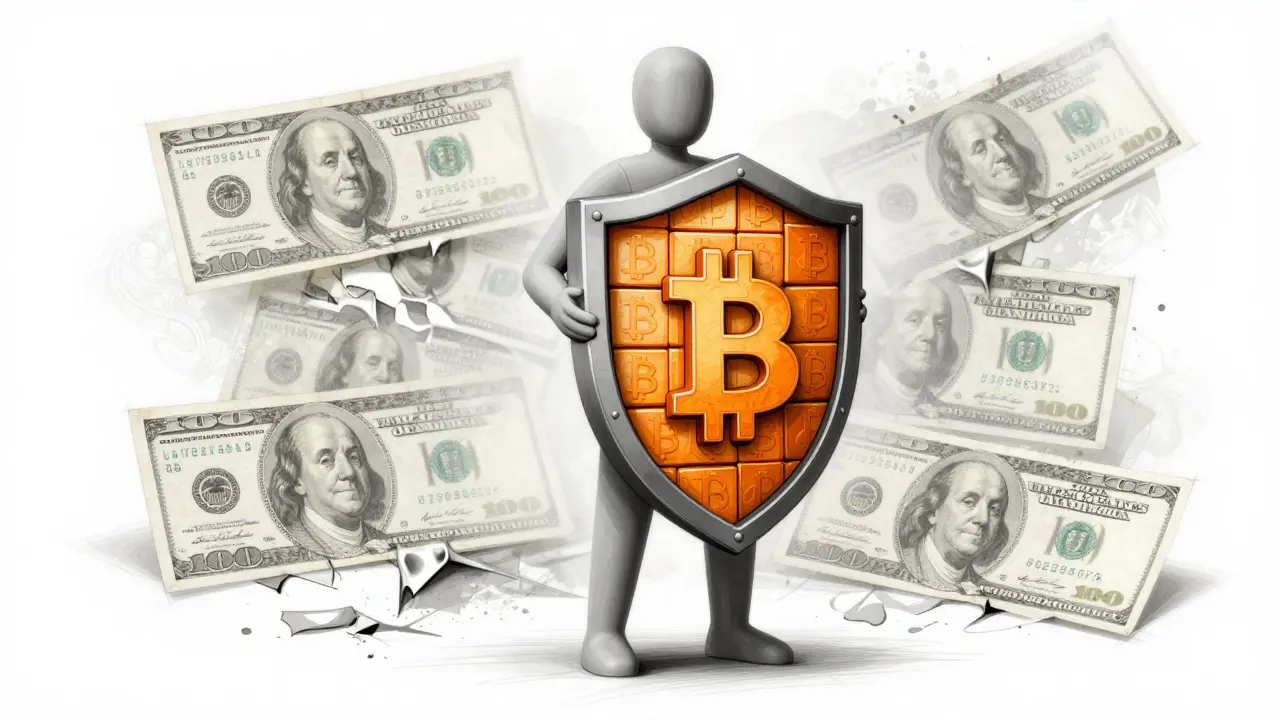
You might wonder why someone would risk breaking regulations to use crypto. The short answer is economic pressure. The Pakistani rupee has faced significant volatility over the last few years. When your local currency drops sharply, holding cash feels like watching ice melt in your hand. Cryptocurrencies, particularly stablecoins pegged to the US dollar, offer a way to preserve purchasing power.
Then there is the freelance economy. Pakistan is one of the largest hubs for remote work in South Asia. Think about developers, designers, and writers who earn in dollars or euros. Traditional banking channels often freeze accounts, delay transfers, or charge exorbitant fees for foreign currency conversions. Crypto solves this instantly. A freelancer can receive payment in USDC, hold it, and then sell it locally for rupees when they need to pay rent. It’s faster, cheaper, and more reliable than waiting weeks for a wire transfer.
Let’s look at a specific example. Ali, a graphic designer in Karachi, used to wait two weeks to get paid by a European agency. He’d lose 5-10% in bank fees and exchange rate fluctuations. Now, he accepts payment in USDT via a P2P platform. He receives it in minutes. He sells it to another local user who needs dollars to pay for software subscriptions. Both parties win, and the traditional banking system is bypassed entirely. This is the engine driving the growth from 9 million users in 2024 to the projected 27 million today.
The Regulatory Maze: Bans, Blocks, and Gray Areas
If crypto is so useful, why does the government restrict it? The State Bank of Pakistan (SBP) has historically viewed cryptocurrencies as a threat to financial stability. Their main concerns are capital flight (money leaving the country), money laundering, and the loss of control over monetary policy. In 2022, there were serious discussions about an outright ban. Internet service providers were instructed to block access to major crypto websites.
However, enforcing a total ban proved nearly impossible. You can block a website, but you can’t easily stop people from meeting in person to swap cash for crypto, nor can you monitor every private wallet transaction. As a result, the landscape settled into a gray area. While banks are instructed not to facilitate crypto transactions, many individuals still find ways to move funds. Some banks have quietly turned a blind eye to small transactions, while others strictly freeze accounts linked to known exchanges.
This creates a stressful environment for users. One day your account works fine; the next, it’s frozen pending investigation. This uncertainty is the biggest hurdle for mainstream adoption. It keeps large institutional players away and forces retail users to operate in the shadows. Yet, despite these risks, the user base keeps growing. Why? Because the alternative-losing wealth to inflation or missing out on international income-is worse.
Infrastructure Challenges: The Digital Divide
Adoption isn't just about desire; it's about access. Pakistan has a young, tech-savvy population, but infrastructure remains a bottleneck. Only about 45.7% of the population has stable high-speed internet access. In rural areas, connectivity is sporadic at best. This digital divide means that crypto adoption is heavily concentrated in urban centers like Karachi, Lahore, and Islamabad.
For those in cities, smartphones are ubiquitous, making mobile-first crypto apps easy to use. But for the majority of the population outside these hubs, the barrier to entry is simply having a reliable connection to check a price or execute a trade. This limits the potential reach of crypto to the educated, urban middle class and the freelance workforce. Until internet penetration improves significantly, mass adoption beyond the current 27 million estimate will remain slow.
The CBDC Factor: Government’s Counter-Move
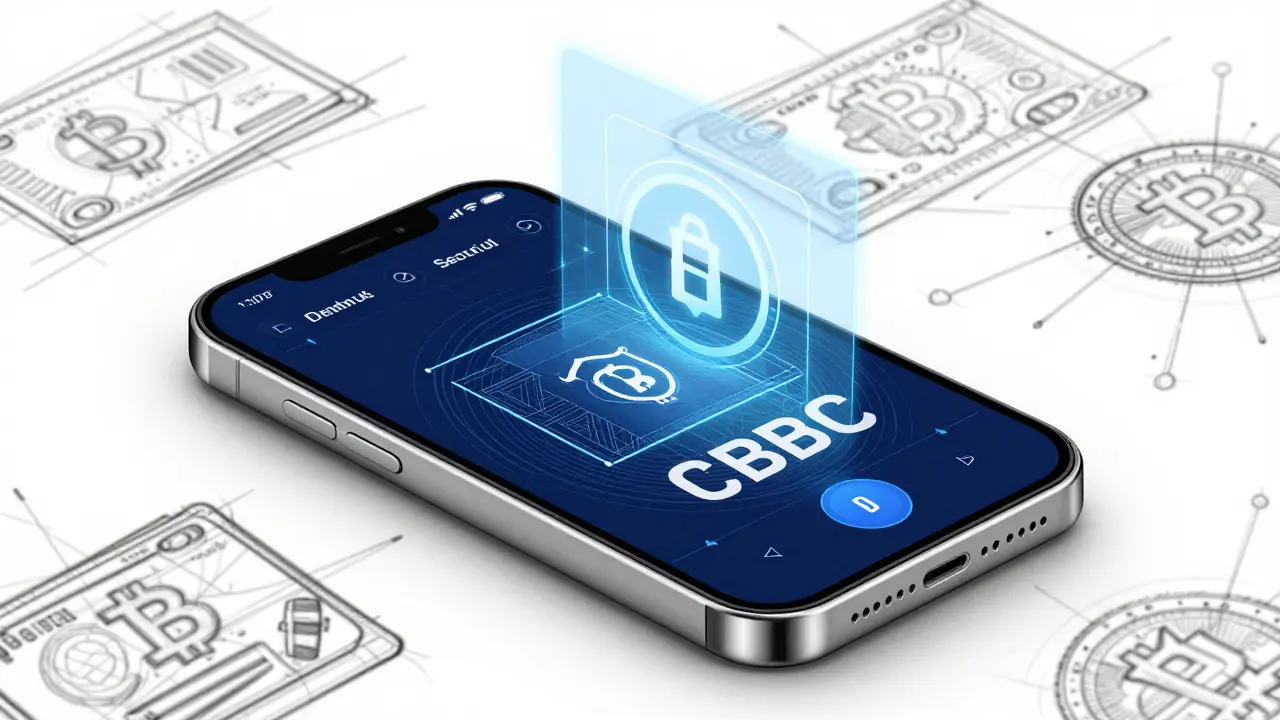
The government isn't sitting idle. Recognizing that digital payments are the future, the State Bank of Pakistan announced plans to launch a Central Bank Digital Currency (CBDC) by 2025. A CBDC is different from Bitcoin or Ethereum. It is a digital version of the rupee, issued and controlled by the central bank. It offers the speed and convenience of digital payments without the decentralization or anonymity of crypto.
This move signals a shift in strategy. Instead of just blocking crypto, the government wants to compete with it. By offering a state-backed digital currency, they hope to retain control over the money supply while modernizing the payment system. For everyday purchases, a CBDC could work well. But for cross-border freelancing or hedging against inflation, a CBDC tied to a volatile local currency won't solve the core problems that drive people to Bitcoin or USDT.
We might see a hybrid ecosystem emerge. Citizens use the CBDC for local transactions and taxes, while turning to decentralized crypto for international trade and savings protection. This dual system could reduce the friction between regulators and users, provided the government stops trying to criminalize the latter.
What’s Next for the 27 Million Users?
Looking ahead, the trajectory points toward continued growth. The economic fundamentals haven't changed. Inflation remains a concern, the freelance sector is expanding, and the youth population is growing. Industry revenue in Pakistan's crypto space is projected to hit $1.6 billion, indicating a robust market underneath the regulatory noise.
However, risks persist. If the government decides to enforce stricter internet blocks or penalize banks more severely, it could disrupt P2P markets. Conversely, if they choose to regulate rather than ban-issuing licenses for local exchanges-it could bring legitimacy and safety to the market. Many experts argue that regulation is inevitable. You cannot stop a trend this size forever.
For the average user, the advice is simple: stay informed. Understand the risks of P2P trading, such as scams or frozen accounts. Use reputable platforms when possible. And remember that while crypto offers solutions to economic problems, it also introduces new complexities. The journey from 20 to 27 million users was driven by necessity. The next phase will be defined by how well Pakistan balances innovation with regulation.
Is cryptocurrency legal in Pakistan?
Cryptocurrency exists in a legal gray area in Pakistan. The State Bank of Pakistan has advised against its use and restricted banks from facilitating transactions, but there is no explicit law banning individuals from owning or trading crypto. However, enforcement can vary, and users face risks of account freezes.
How do Pakistanis buy and sell crypto?
Most Pakistanis use Peer-to-Peer (P2P) platforms integrated into major exchanges like Binance or local apps. These allow users to trade directly with each other, paying via bank transfer or mobile wallets like JazzCash and Easypaisa, while receiving crypto in their digital wallets.
Why is crypto adoption so high in Pakistan?
High adoption is driven by economic necessity. Frequenters use crypto to hedge against inflation, preserve savings in stablecoins, and receive international freelance payments quickly and cheaply, bypassing traditional banking delays and fees.
Will Pakistan launch its own digital currency?
Yes, the State Bank of Pakistan has announced plans to launch a Central Bank Digital Currency (CBDC). Unlike decentralized cryptocurrencies, a CBDC would be a digital form of the Pakistani rupee, fully regulated by the government.
Are there risks associated with using crypto in Pakistan?
Yes, significant risks include regulatory uncertainty, potential freezing of bank accounts linked to crypto activities, and the prevalence of scams in unregulated P2P markets. Users must exercise caution and verify counterparties thoroughly.