
Ally DRCT Token Airdrop: Status, Risks, and What You Need to Know in 2026
It is easy to get caught up in the hype when you see headlines about free cryptocurrency. The promise of an Ally DRCT Token airdrop sounds like a golden ticket, especially if you have been following the rise of decentralized logistics platforms. But here is the hard truth that many guides skip: if a project has zero trading volume and no official announcement, chasing its airdrop is not just a waste of time-it is dangerous.
As of late May 2026, there is no verifiable evidence of an active or legitimate Ally Direct Token (DRCT) airdrop. In fact, the data points toward something far more concerning. The token shows $0.00 in price and $0.00 in 24-hour trading volume on major tracking platforms. When a token trades at zero with no liquidity, it usually means one of two things: the project is dormant, or it is a honeypot designed to trap users. Before you connect your wallet to any site claiming to distribute DRCT tokens, you need to understand what this project actually is, why the market has abandoned it, and how to protect yourself from the scams that thrive on these dead ends.
The Reality Behind Ally Direct Token (DRCT)
To understand why an airdrop for DRCT is unlikely to be legitimate, we first need to look at the project itself. Ally Direct Token is a blockchain-based software-as-a-service platform intended to connect businesses, drivers, and customers directly, bypassing third-party aggregators like DoorDash or Uber Eats. The pitch was compelling: merchants keep 100% of their revenue, drivers earn significantly more, and customers save money. On paper, it looked like a solution to the high commission fees plaguing the gig economy.
However, the gap between the pitch and the reality is massive. The DRCT token was supposed to facilitate value transfer, escrows, dispute resolution, and reputation management within this ecosystem. Yet, despite having a total supply of 1.2 billion tokens, the circulating supply sits at roughly 362 million tokens with absolutely no market activity. Major exchanges like Binance list the ticker but mark it as "Not Listed," meaning you cannot buy or sell it through standard channels. This lack of exchange support is a critical red flag. Legitimate projects with working ecosystems do not vanish from trading pairs without explanation.
Why There Is No Active DRCT Airdrop
You might be wondering why so many sites still mention DRCT airdrops if the project seems inactive. The answer lies in how search engines and spam networks operate. Bots scrape old announcements and republish them to capture traffic from people searching for "free crypto." Here is why you should ignore those claims:
- No Official Announcement: There are no recent posts from verified Ally Direct social media accounts or official blogs announcing a distribution event. Legitimate airdrops require clear communication channels.
- Zero Liquidity: An airdrop requires a market where recipients can eventually sell their tokens. With $0 trading volume, even if you received tokens, they would be worthless digital dust. You could not convert them to USDT, ETH, or fiat currency.
- Delisting Indicators: The absence from major centralized exchanges suggests the project has failed to meet listing requirements or has been removed due to inactivity or security concerns.
In the current 2026 landscape, successful airdrops come from active protocols with real usage. Think of projects like EigenLayer, which rewarded users for restaking ETH, or various Layer 2 solutions that distributed tokens to early transactors. These projects had millions of dollars in daily volume and thousands of active wallets. DRCT has neither. Chasing an airdrop for a dead token is like trying to catch rain in a desert.
The Hidden Dangers of Fake Airdrop Claims
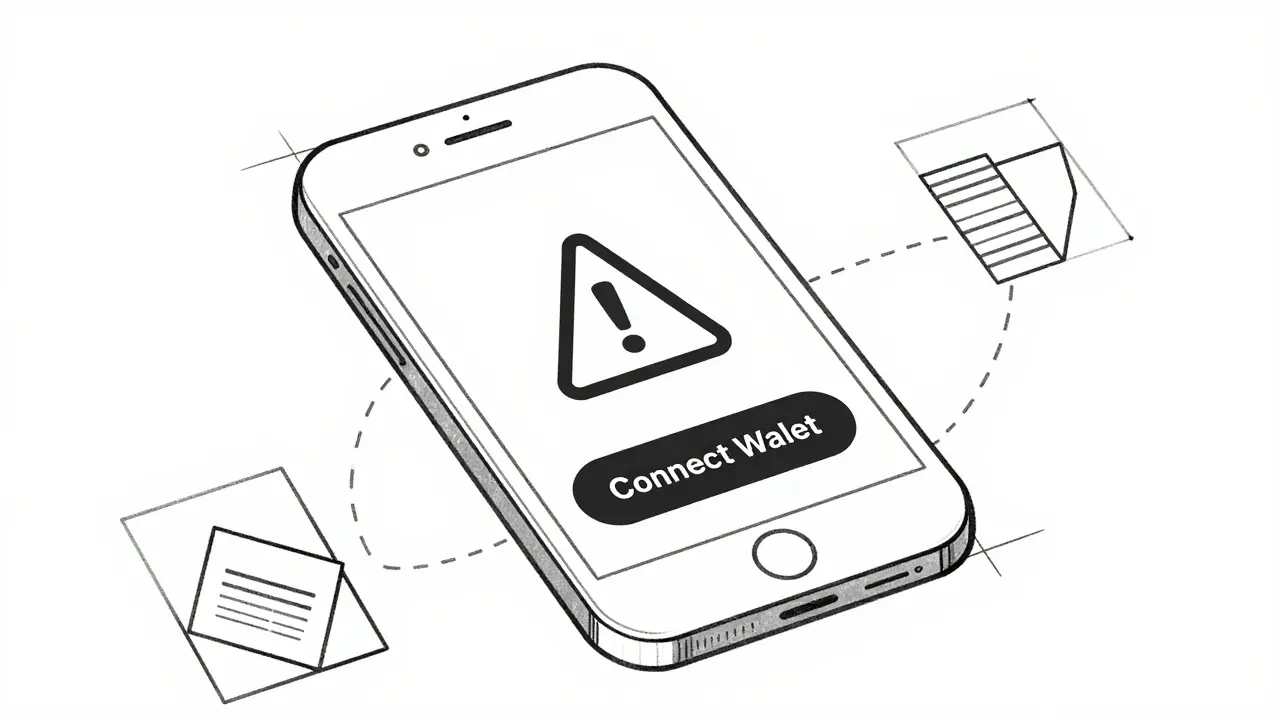
This is the most important part of this guide. If you search for "Ally DRCT airdrop" right now, you will likely find websites asking you to connect your wallet, sign a transaction, or complete tasks. These are almost certainly scams. Here is how they work and how to spot them.
The Wallet Drainer Trap
Scammers create fake landing pages that mimic official branding. They ask you to connect your MetaMask or Phantom wallet to "claim" your tokens. Once connected, the site prompts you to sign a transaction. This transaction is not a claim; it is an approval that gives the scammer unlimited access to drain your existing assets. Always check the contract address before signing anything. If the address does not match the official contract on a block explorer like Etherscan or Solscan, disconnect immediately.
The Phishing Link
You may receive emails or Telegram messages claiming you are eligible for the DRCT airdrop. These links lead to phishing sites designed to steal your private keys or seed phrases. Never enter your seed phrase into any website. No legitimate airdrop ever asks for your private key. If a site asks for it, close the tab and delete the message.
The Task Scam
Some fake airdrop pages require you to watch videos, join Telegram groups, or invite friends to unlock your reward. This is a tactic to build a bot network for other scams. You will never receive the tokens, but you will have helped the scammer boost their engagement metrics. Your time and personal data are the cost.
How to Verify Crypto Projects in 2026
Avoiding scams like the fake DRCT airdrop requires a systematic approach to verification. Do not rely on headlines or social media posts alone. Use this checklist before engaging with any new token or airdrop opportunity.
- Check Trading Volume: Go to CoinMarketCap or CoinGecko. Look for the 24-hour trading volume. If it is $0 or extremely low compared to the market cap, stay away. Liquidity proves people are actively buying and selling.
- Verify Exchange Listings: Check if the token is listed on reputable exchanges like Binance, Coinbase, Kraken, or KuCoin. If it is only available on obscure decentralized exchanges with no audits, the risk is high.
- Inspect the Contract: Find the official smart contract address on the project’s verified documentation. Compare it to the address provided by the airdrop site. Mismatches indicate fraud.
- Look for Recent Activity: Check the project’s GitHub repository and social media channels. Are developers pushing code? Are community managers responding to questions? Silence often signals abandonment.
- Read Independent Reviews: Avoid reviews hosted on the project’s own website. Look for discussions on Reddit, Twitter Spaces, or specialized crypto forums. Pay attention to user experiences, not just promotional content.
Better Alternatives for Airdrop Hunters
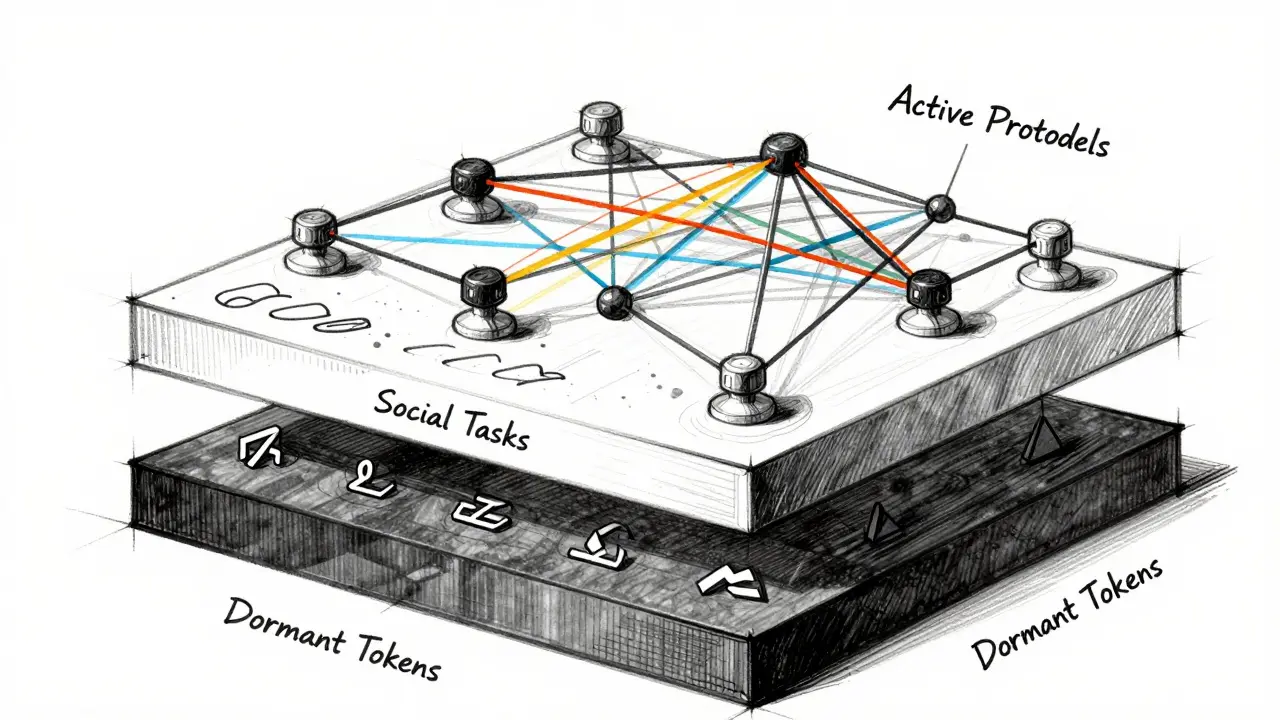
If you are looking for legitimate ways to earn free cryptocurrency, shift your focus to active ecosystems. The airdrop landscape in 2026 rewards genuine participation, not speculation on dead projects. Consider these safer avenues:
| Project Type | Activity Level | Risk Factor | Potential Reward |
|---|---|---|---|
| Active Layer 2 Protocols | High | Low | Medium to High |
| Restaking Platforms | High | Low | Medium |
| Dormant Tokens (e.g., DRCT) | None | Critical | Zero |
| Social Media Tasks | Variable | High | Low |
Focus on networks like Solana, Ethereum, and TON. Interact with testnets, bridge assets, and use decentralized applications that have clear roadmaps. Projects like Notcoin and Hamster Kombat demonstrated that community-driven engagement can yield results, but only when backed by real development and funding. Do not let the fear of missing out (FOMO) push you into interacting with inactive tokens like DRCT.
Conclusion: Protect Your Assets First
The allure of free money is powerful, but in the world of cryptocurrency, nothing is truly free. The Ally DRCT Token airdrop is a myth perpetuated by outdated information and malicious actors seeking to exploit hopeful users. The token itself lacks liquidity, exchange support, and recent development activity. Engaging with any site claiming to offer DRCT tokens puts your digital assets at severe risk.
Instead of chasing ghosts, invest your time in learning how to verify projects and participate in active ecosystems. Security comes first. By staying informed and skeptical of too-good-to-be-true offers, you protect not only your wallet but also your peace of mind. Keep your eyes on active markets, verify every contract, and never share your private keys. That is the only strategy that guarantees long-term success in crypto.
Is the Ally DRCT Token airdrop real?
No, there is no verified or active Ally DRCT Token airdrop as of 2026. The token shows zero trading volume and is not listed on major exchanges, indicating the project is likely dormant. Any sites claiming otherwise are likely scams.
What is the current value of the DRCT token?
The DRCT token currently has a market price of $0.00 USD with no trading volume. This means it has no liquid value and cannot be easily sold or converted to other currencies.
Can I buy Ally Direct Token on Binance?
No, Binance lists the DRCT ticker but marks it as "Not Listed." This means you cannot trade it on the platform. The token is absent from major centralized exchanges, further signaling its inactive status.
How can I avoid fake airdrop scams?
Always verify the project's official social media and website for announcements. Check trading volume on CoinMarketCap or CoinGecko. Never connect your wallet to unverified sites, and never share your private keys or seed phrases.
What should I do if I already connected my wallet to a DRCT airdrop site?
Immediately disconnect your wallet from the site. Revoke any token approvals granted to the suspicious contract using tools like Revoke.cash. Move your funds to a new, secure wallet if you suspect compromise, and monitor your transactions for unauthorized activity.