
AntEx (ANTEX) Airdrop Guide: How to Claim, Tokenomics & 2026 Reality Check
Remember the early days of crypto when joining a Telegram group and retweeting a post could earn you thousands of dollars? Those glory days are long gone. Today, most airdrops are either scams or worth less than the gas fees required to claim them. But if you’re looking at the AntEx campaign promising 2,000 ANTEX tokens, you need to know exactly what you’re getting into before you waste your time.
The short answer? It’s likely not worth the effort unless you believe in the underlying technology of the AntEx ecosystem. The token has struggled with liquidity and price action since its inception. Let’s break down the reality of the AntEx project, how to participate if you still want to, and whether this launchpad actually delivers value in the current DeFi landscape.
What Is AntEx (ANTEX)?
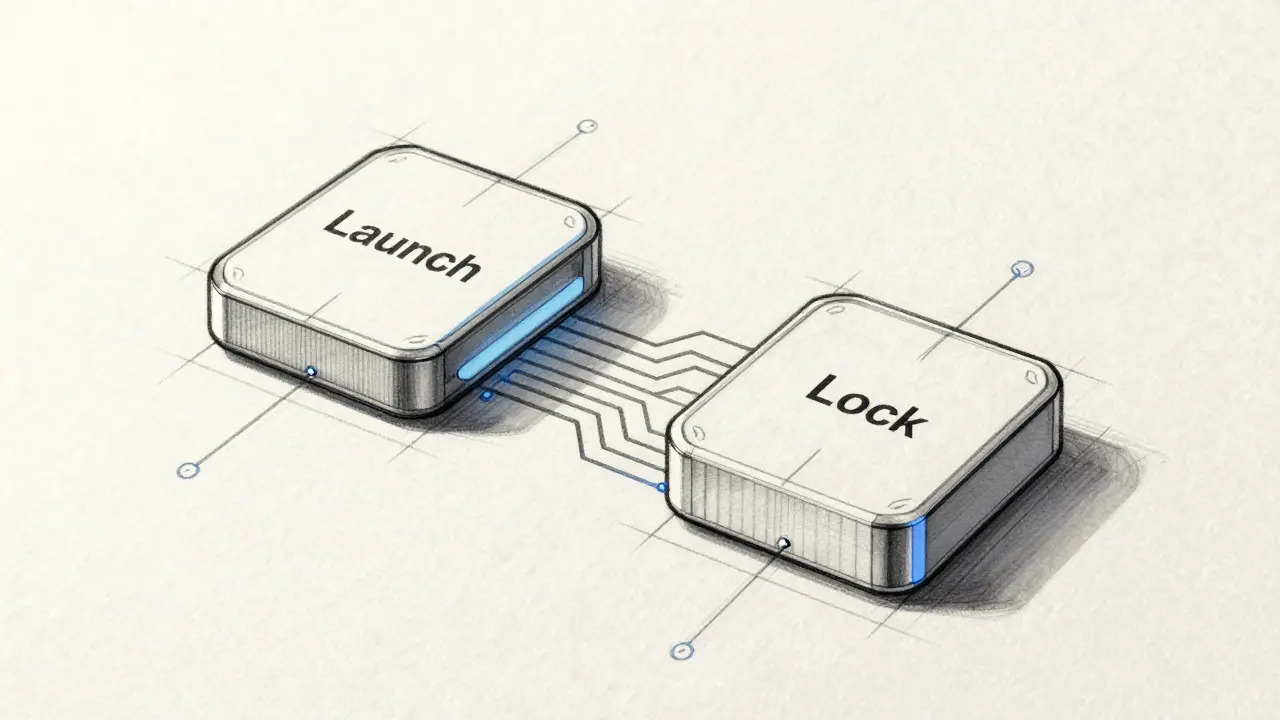
AntEx is a decentralized finance (DeFi) infrastructure project focused on providing launchpad services and token locking mechanisms for new cryptocurrency projects. It operates primarily through two core products: AntLaunch and AntLock. The project aims to solve common problems in the crypto space, such as rug pulls and lack of transparency in initial coin offerings.
Unlike traditional centralized exchanges that control listings, AntEx tries to democratize the process. Think of it as a middleman that uses smart contracts to ensure fairness. When a new project wants to raise funds, they use AntLaunch. When investors worry about developers dumping their tokens, they rely on AntLock.
The ticker symbol is ANTEX, and it trades on various decentralized exchanges (DEXs). However, don’t confuse the promise of the technology with the current market performance. As of mid-2026, the token faces significant challenges regarding adoption and liquidity.
How to Participate in the AntEx Airdrop Campaign
If you’ve decided to go ahead with the airdrop, the barrier to entry is low. This is typical for marketing-driven campaigns designed to boost social metrics rather than reward loyal users. Here is the standard process based on recent campaign structures:
- Join the Telegram Channel: You’ll need to join the official AntEx Telegram group. This is usually verified by a bot that checks your membership status.
- Follow on Twitter (X): Follow their official account. Some campaigns require you to like or retweet specific posts.
- Connect Your Wallet: While some simple social tasks don’t require a wallet, claiming the tokens usually does. Ensure you have a Web3 wallet like MetaMask or Trust Wallet set up.
- Claim the Rewards: Once the snapshot is taken, you typically visit a claim portal to receive your 2,000 ANTEX tokens.
Warning: Always double-check URLs. Scammers often create fake airdrop pages that look identical to the real ones. Never connect your wallet to an unverified link. If the site asks for your seed phrase, close it immediately.
Understanding the Ecosystem: AntLaunch and AntLock
To understand if ANTEX has any long-term value, you have to look at what the company actually does. The ecosystem isn’t just a token; it’s a suite of tools for other crypto projects.
| Component | Function | Benefit to Users |
|---|---|---|
| AntLaunch | Initial Liquidity Offering (ILO) Launchpad | Allows projects to raise funds and list tokens simultaneously without complex manual steps. |
| AntLock | Token Locking Service | Prevents developers from selling all their tokens immediately after launch, reducing rug pull risk. |
| DEX Features | Trading & Farming | Users can trade ANTEX pairs, provide liquidity, and earn rewards through farming pools. |
AntLaunch acts as an IDO (Initial DEX Offering) platform. In the past, launching a token required hiring lawyers, paying exchange listing fees, and dealing with centralized teams. AntLaunch automates this via smart contracts. Projects pay a fee in ANTEX to launch, and the platform handles the liquidity provision automatically.
AntLock is the safety net. In DeFi, "rug pulls" happen when developers abandon a project and take the money. By locking tokens in a smart contract for a set period (e.g., 6-12 months), developers prove they are committed to the project’s long-term success. Investors can see these locks publicly, which builds trust.
Tokenomics and Supply Analysis
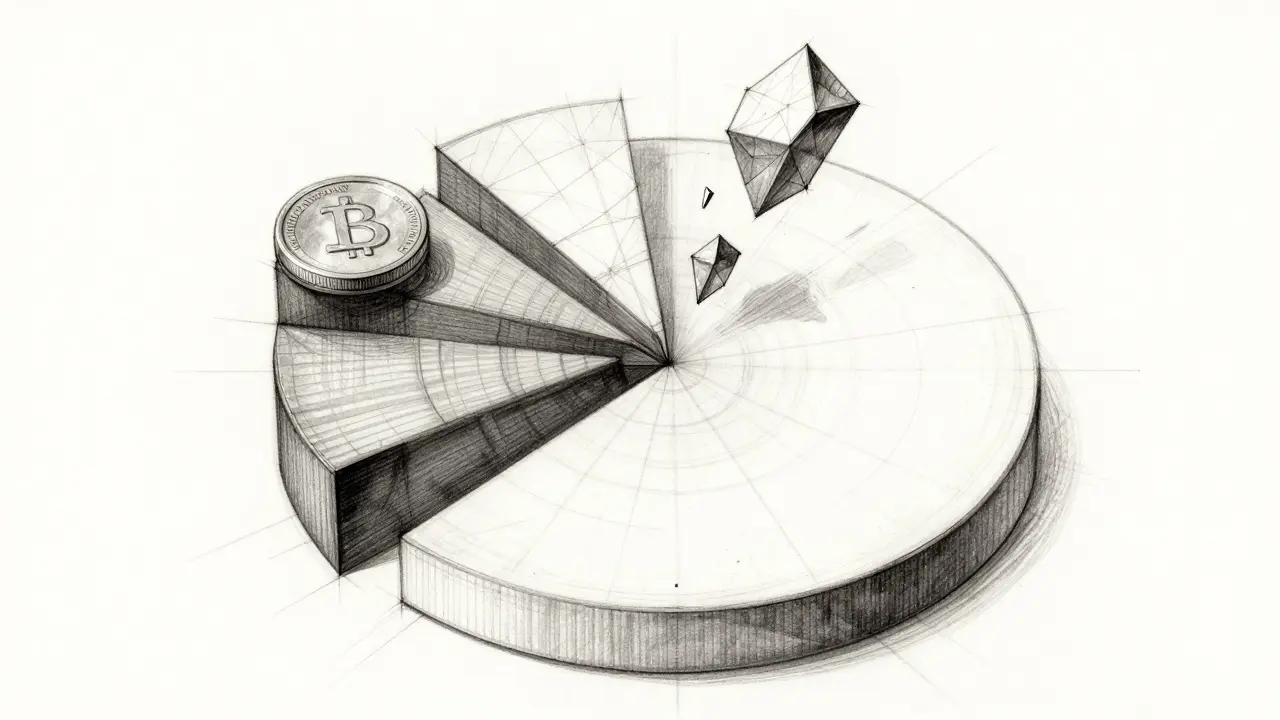
Before buying or holding any token, you must understand its supply dynamics. AntEx has a massive total supply, which often confuses new investors.
- Total Supply: 100 Billion ANTEX
- Circulating Supply: Approximately 9.78 Billion ANTEX
- Vesting Schedules: Early investors and team allocations often have vesting periods ranging from 9 to 12 months.
A high total supply doesn’t mean the token is worthless, but it means each individual token represents a tiny fraction of the project. For ANTEX to reach a $1 price, the market cap would need to be $100 billion-larger than many established tech giants. Realistically, micro-cap tokens like ANTEX trade in fractions of a cent.
The circulating supply being around 10% of the total suggests that a large portion of tokens are locked or reserved for future distribution. This can be good (reducing immediate sell pressure) or bad (potential inflation if unlocked too quickly).
Price Performance and Market Reality (2026 Context)
Let’s be brutally honest about the numbers. AntEx launched its Token Generation Event (TGE) in November 2021. Since then, the project has faced the same headwinds as many DeFi protocols from that era: intense competition, bear market conditions, and shifting user preferences.
As of 2026, the trading volume for ANTEX is relatively low, often hovering around $75,000 USD in 24-hour periods. The price frequently sits near negligible values, sometimes displaying as $0.000000 on major trackers due to rounding. This indicates a lack of active trading interest.
Analysts have offered mixed predictions over the years. Some optimistic models suggested modest gains during bull runs, while bearish forecasts pointed toward continued decline. The key takeaway here is volatility and illiquidity. Even if the price goes up 100%, if there are no buyers, you cannot sell your tokens without crashing the price yourself.
Is the AntEx Airdrop Worth It?
You’re probably asking yourself: "Should I spend my time doing these social tasks?" Here is a decision framework to help you decide:
Yes, participate if:
- You already use AntLaunch or AntLock services and want to support the ecosystem.
- You enjoy collecting small amounts of various tokens for diversification.
- You have zero opportunity cost (i.e., you’re already following their social media).
No, skip it if:
- You expect to get rich quick. 2,000 ANTEX tokens are unlikely to hold significant fiat value given the current market cap.
- You are wary of data privacy risks associated with connecting wallets to unknown platforms.
- You prefer investing in projects with higher liquidity and clearer revenue streams.
In the broader context of 2026, the crypto market has matured. Users now demand utility, security, and regulatory compliance. AntEx offers utility for project founders, but for retail holders, the value proposition is weak compared to larger Layer-1 blockchains or established DeFi protocols like Uniswap or Aave.
Risks and Red Flags to Watch
Every airdrop comes with risks. Beyond the potential financial loss of time, consider these factors:
- Smart Contract Risk: If you interact with the AntEx DEX or claim portal, you are trusting their code. Audits are essential. Check if AntEx has published recent audit reports from reputable firms.
- Liquidity Traps: Low trading volume means you might not be able to exit your position easily. Slippage can eat up your entire profit.
- Phishing Attacks: Airdrops are prime targets for scammers. Never share your private keys. Verify all links through official channels only.
- Opportunity Cost: Time spent on low-value airdrops is time not spent learning about more promising technologies or managing higher-yield investments.
Final Thoughts on AntEx
AntEx represents an interesting attempt to bring structure to the chaotic world of crypto launches. The concept of locking tokens to prevent rug pulls is sound and necessary. However, execution and adoption are everything in DeFi. With minimal trading activity and a struggling price, ANTEX remains a niche project.
For the average user, the airdrop is a curiosity rather than an investment opportunity. Treat it as free exposure to the project, but do not allocate significant capital or emotional energy to it. Always DYOR (Do Your Own Research) and prioritize projects with strong community engagement, transparent development updates, and healthy liquidity.
How much is 2000 ANTEX tokens worth?
Given the extremely low price per token (often fractions of a cent), 2000 ANTEX tokens are likely worth less than $1 USD. The exact value depends on the current market price at the time of sale, but it is not a life-changing amount.
Is AntEx a scam?
AntEx itself is a legitimate project with a functional website and historical presence in the DeFi space. However, the low liquidity and price action suggest it may not be a viable investment. Beware of fake websites and phishing links impersonating the brand.
When did AntEx launch?
AntEx held its Initial DEX Offering (IDO) and Token Generation Event (TGE) in November 2021. It launched on platforms like MEXC Global and DODO DEX.
What is the difference between AntLaunch and AntLock?
AntLaunch is a fundraising platform where new projects can launch their tokens and provide initial liquidity. AntLock is a service that allows developers to lock their tokens for a specific period, proving they won't dump them on investors immediately.
Can I buy ANTEX on Binance or Coinbase?
As of 2026, ANTEX is not listed on major centralized exchanges like Binance or Coinbase. It is primarily traded on decentralized exchanges (DEXs) and smaller platforms like MEXC. This limits accessibility and liquidity for average users.