Btrade Crypto Exchange Review: Is the Korean Platform Safe?
Have you ever searched for a crypto exchange, found one called "Btrade," and then realized there are at least four different platforms with nearly identical names? You are not alone. This brand confusion is the single biggest hurdle for anyone looking into Btrade, a centralized cryptocurrency exchange headquartered in South Korea. While major global players like Binance or Coinbase dominate headlines, regional exchanges often fly under the radar until you actually need to move fiat currency in your local market. For users in Korea, or those interested in the Asian crypto ecosystem, understanding exactly what this platform offers-and what it doesn't-is critical before depositing any funds.
This review cuts through the noise. We aren't just listing features; we are dissecting the operational reality of the Korean-licensed Btrade (often associated with the domain btrade.co.kr) versus its similarly named counterparts. If you are wondering whether this mid-sized venue can handle your trading needs, or if you are worried about falling into the trap of look-alike scam sites, this guide breaks down the licensing, liquidity, fees, and user experience so you can make an informed decision.
The Name Game: Distinguishing Btrade from BitTrade and Clones
Before we talk about trading pairs or fees, we have to address the elephant in the room: the name. In the crypto world, similar branding is not just annoying; it’s a financial risk. There is a licensed Japanese exchange called BitTrade (with a capital T), established in 2016 and registered with Japan’s Financial Services Agency. Then there is the Korean Btrade, operated by Blockcom, which focuses on Korean Won (KRW) transactions. Finally, there are several unregulated or poorly rated domains like btrade.net or btrade.live that have garnered terrible Trustpilot ratings, with some users calling them outright scams.
If you are searching for the legitimate Korean exchange, you must verify two things: does it support KRW deposits directly from a Korean bank account, and does it claim ISMS certification? The Japanese BitTrade supports JPY and has a larger asset list (36 coins), while the Korean Btrade lists fewer assets (around 17 coins as of recent data) but offers specific services like AI price forecasting and hardware repair support. Mixing these up could mean sending your money to a platform with zero regulatory oversight. Always check the URL carefully. The official Korean app is typically identified by the package identifier kr.co.blockcom.btrade.
Licensing and Regulatory Standing in South Korea
South Korea has some of the strictest crypto regulations in the world. An exchange cannot simply set up shop; it needs a formal virtual asset business license and Information Security Management System (ISMS) certification. According to public records and the Google Play store listing updated in early 2025, Btrade claims to hold both. This is significant because it means the platform operates under the scrutiny of Korean government agencies, requiring regular audits on data protection and access management.
However, holding a license doesn't guarantee perfect service. It guarantees that there is a legal entity responsible for your funds. For Btrade, this entity appears to be linked to Blockcom, a blockchain company based in Korea. The requirement for KYC (Know Your Customer) procedures is rigorous here. Unlike offshore exchanges where you might trade anonymously with a simple email verification, Btrade requires full identity verification linked to a real-name bank account. This reduces counterparty risk significantly compared to unlicensed clones, but it also means onboarding takes longer and privacy is traded for security.
Markets, Liquidity, and Asset Selection
Here is where expectations need to be managed. Btrade is not a global giant. It is a mid-sized regional exchange. Data from CoinCodex indicates that the platform lists approximately 17 coins. This is a curated, conservative selection focusing on mainstream assets like Bitcoin (BTC), Ethereum (ETH), and Ripple (XRP). You will not find the thousands of micro-cap altcoins available on Binance or KuCoin.
Why does this matter? Liquidity. With fewer listed assets and a smaller user base concentrated in Korea, trading volumes are lower than top-tier exchanges. As of mid-2026, Btrade does not appear in the global top rankings by volume. If you are trading small amounts of BTC or ETH against KRW, slippage should be minimal. But if you try to execute a large order for a less popular token, you might face wider spreads. The platform compensates for this limited selection by offering spot markets, margin options, futures, and a staking program backed by its native token, according to reviews from ICO Rankings. This structure suggests they are trying to serve more advanced traders who want leverage and yield, even within a restricted asset universe.
| Feature | Btrade (Korea) | BitTrade (Japan) | Generic Clones (e.g., btrade.net) |
|---|---|---|---|
| Regulation | Korean Virtual Asset License + ISMS | Japanese FSA Registered | Often Unregulated / Offshore |
| Fiat Support | KRW (Korean Won) | JPY (Japanese Yen) & Crypto | Varies (Often Crypto only) |
| Asset Count | ~17 Coins (Mainstream focus) | ~36 Coins | Unknown / Variable |
| User Rating | Mixed (Limited English data) | Generally Positive | Poor (1.5 - 2.8/5 on Trustpilot) |
| Unique Features | AI Price Forecasting, Mining Repair | High Liquidity, Established Brand | Aggressive Marketing |
Fees, Deposits, and Withdrawals
Fees are always the dealbreaker for active traders. Publicly summarized third-party snippets do not reveal the exact maker/taker fee percentages for Btrade without logging in, which is common for regional exchanges that prefer dynamic pricing models. However, the presence of a structured "Fees" section on aggregators like CoinMarketCap confirms a standard schedule exists. Typically, Korean exchanges charge competitive rates to compete with Upbit and Bithumb, often ranging between 0.04% and 0.25% depending on volume tiers.
Deposits and withdrawals are streamlined for domestic users. Because Btrade integrates with Korean banks, funding your account via KRW transfer is fast and usually free or low-cost. Withdrawal fees for cryptocurrencies follow standard network costs plus a small exchange markup. One notable advantage mentioned in industry reports is that Btrade offers "mining and repair services." While unusual for a pure trading platform, this suggests a diversified revenue model that might subsidize trading fees or offer value-added services to hardware owners, though the exact impact on your wallet balance isn't quantified in public data.

Technology and User Experience
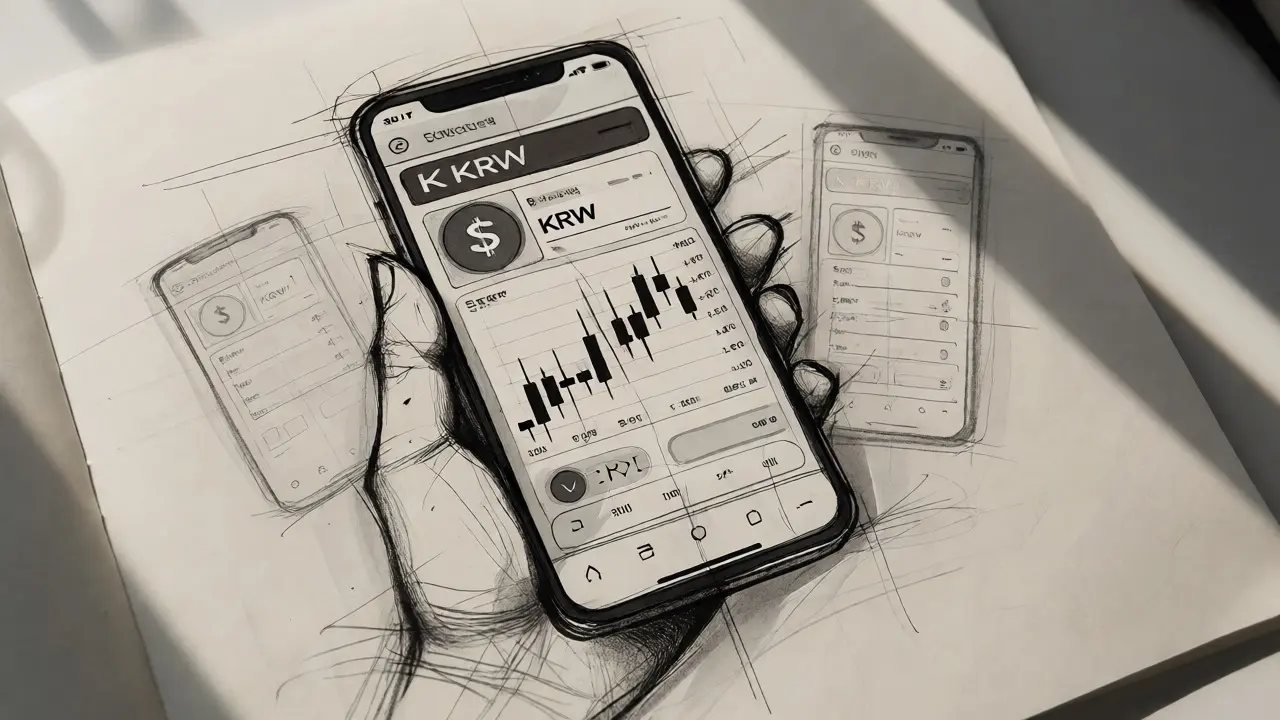
The interface is described as having a "polished surface," meaning the UI is clean and intuitive. The mobile apps for Android and iOS allow chart viewing, wallet management, and trading on the go. A standout feature is the A.I. Price Forecasting tool. This service analyzes past market behavior to predict future movements. While no accuracy metrics are published, it provides a layer of analytics that casual traders might appreciate, reducing the need for external tools like TradingView for basic insights.
Support hours are a potential friction point for international users. The customer center operates weekdays from 09:00 to 17:00 KST. That is an 8-hour window per day. If you encounter a withdrawal issue at 8 PM, you wait until morning. Support channels include a phone number (1599-3011), email ([email protected]), and KakaoTalk, the dominant messaging app in Korea. For non-Korean speakers, language barriers can be significant since the primary interface and support documentation are heavily localized for the Korean market.
Is Btrade Right for You?
Btrade serves a specific niche: the Korean retail trader who wants a regulated, secure environment to trade major cryptocurrencies against the Won. It is not designed for high-frequency scalpers needing deep order books across hundreds of tokens, nor for global nomads who want anonymous access. Its strength lies in compliance and integration with the local banking system. The inclusion of staking and futures adds depth for those wanting more than just buy-and-hold.
However, caution is advised. The existence of numerous scammy look-alikes means you must double-check every character of the URL. If you are outside Korea, the lack of extensive English support and the requirement for a Korean bank account make it impractical. But for residents of South Korea, Btrade represents a viable, compliant alternative to the mega-exchanges, particularly if you value their AI-driven insights and hardware support services.
Is Btrade the same as BitTrade?
No. Btrade is a South Korean exchange focused on KRW trading and licensed by Korean authorities. BitTrade is a separate, older exchange based in Japan, registered with the Japanese FSA, and primarily serving the Japanese market with JPY pairs. They are distinct entities with different ownership, regulations, and asset lists.
How many cryptocurrencies are listed on Btrade?
As of recent data, Btrade lists approximately 17 coins. The selection focuses on major assets like Bitcoin, Ethereum, and Ripple, rather than offering a wide variety of altcoins found on larger global exchanges.
Does Btrade support USD or EUR deposits?
Primarily, Btrade is optimized for Korean Won (KRW) deposits and withdrawals via Korean bank accounts. While it may support stablecoin trading pairs, direct fiat deposits from non-Korean banks are generally not supported or are complex due to strict local banking regulations.
What is the AI Price Forecasting feature?
This is a proprietary tool integrated into the Btrade platform that uses historical market data and algorithmic models to predict short-term price movements for listed assets. It aims to help users make informed trading decisions without needing external analysis software.
Are there complaints about Btrade being a scam?
Negative reviews often confuse the licensed Korean Btrade with unregulated clones like btrade.net or btrade.live, which have poor Trustpilot ratings. The licensed Korean entity has regulatory backing, but users should always verify they are on the correct official domain to avoid fraud.