Crypto Exchanges to Avoid in Nigeria: SEC Licensing Guide & Risks
You think you’re just trading Bitcoin or USDT. But if you are using an exchange that isn’t on the Securities and Exchange Commission (SEC) list, you might be walking into a trap. In 2025, Nigeria changed the rules completely. The Investments and Securities Act (ISA 2025) made it clear: if an exchange doesn’t have an SEC license, it is operating illegally. And if it’s illegal, your money is at risk.
This isn’t about being cautious. It’s about survival. We’ve seen bank accounts frozen. We’ve seen millions of Naira seized by the Economic and Financial Crimes Commission (EFCC). If you are Nigerian and you trade crypto, you need to know exactly which platforms are safe and which ones you should delete from your phone right now.
Why the Rules Changed in 2025
For years, Nigeria’s crypto scene was a bit of a wild west. The Central Bank of Nigeria (CBN) banned banks from helping crypto users in 2021. Then, in late 2023, they reversed course and allowed banking services for licensed businesses. But the real game-changer came with the ISA 2025.
This law treats cryptocurrency as securities. That means the SEC has full control. They don’t just watch; they enforce. Under this new law, every virtual asset service provider needs a license. If they don’t have one, the SEC can freeze their assets, shut them down, and hold users accountable for using illegal platforms.
The goal? To stop money laundering and protect investors. The result? A much stricter environment where only a few players are allowed to stay. As of mid-2026, the list of approved exchanges is short. If your favorite app isn’t on it, it’s not because the SEC missed it. It’s because they failed the check.
The Two Safe Havens: Who Has the License?
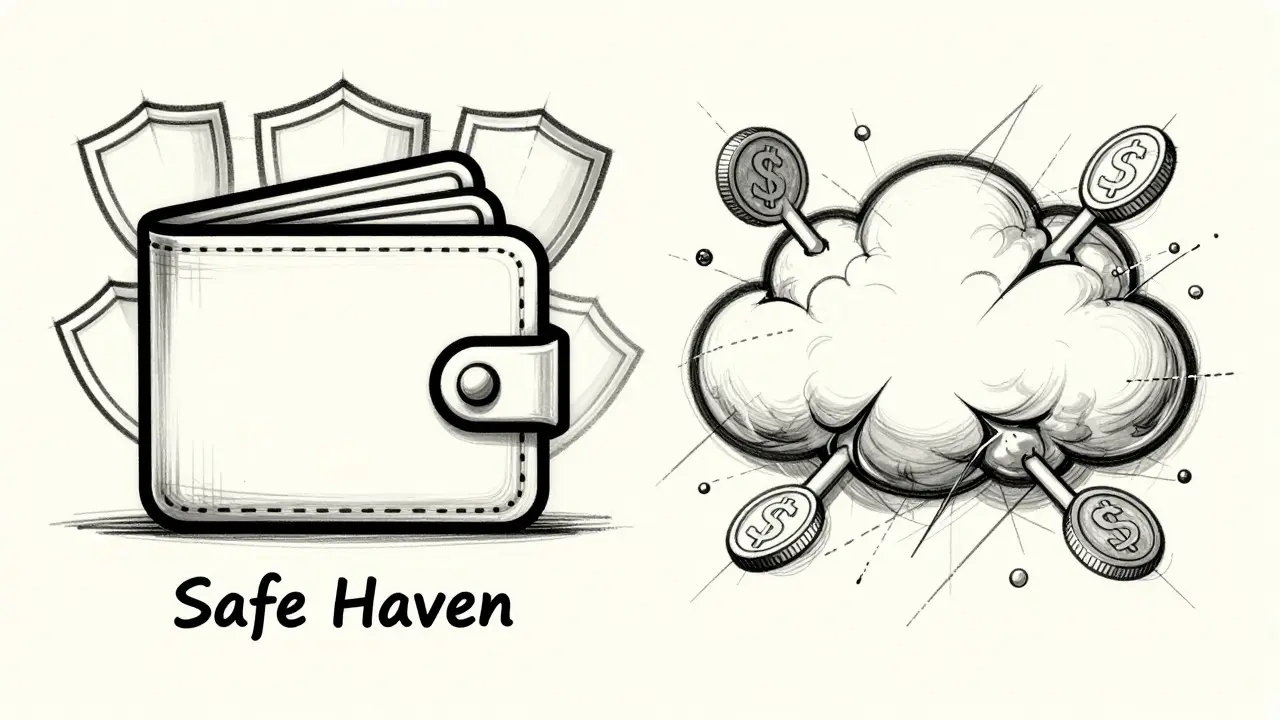
If you want to sleep well at night, you stick to the platforms that have done the hard work. Currently, there are two major names that have received full SEC licensing approval:
- Quidax: Operates as Quidax Technologies Limited (RC1782456). They were among the first to get the green light.
- Busha: Operates as Busha Fintech Limited (RC1834562). They also hold a valid SEC license.
These aren’t just apps; they are Nigerian legal entities. They pay taxes here. They follow CBN guidelines. They have insurance coverage mandated by the SEC-up to ₦50 million per user account. That is a huge difference compared to offshore platforms that vanish when things go wrong.
Both platforms offer integrated Naira settlement. You can deposit as little as ₦1. Their systems talk directly to Nigerian banks because the banks trust them. This trust comes from rigorous vetting, including quarterly audits by SEC-approved firms.
Exchanges to Avoid: The Danger Zone
So, who should you avoid? Any platform that does not have an active SEC license. This includes many global giants that Nigerians love to use. Here are the big ones that have faced enforcement actions or operate without proper local authorization:
| Feature | Licensed (e.g., Quidax, Busha) | Unlicensed (e.g., Bybit, KuCoin, Binance P2P) |
|---|---|---|
| Legal Status | Nigerian Entity (CAC Registered) | Offshore Shell Company (Seychelles/Malta) |
| Bank Integration | Direct API with Nigerian Banks | Risky P2P Transactions Only |
| Consumer Protection | Up to ₦50M Insurance Coverage | None / No Recourse |
| KYC Requirement | Mandatory NIN & Biometrics | Often Weak or Optional |
| Account Freeze Risk | Very Low (3% reported) | High (67% reported) |
Platforms like Bybit, KuCoin, and Binance P2P have been flagged. In September 2024 alone, the EFCC froze 22 bank accounts linked to USDT trading on Bybit and KuCoin. The total value? ₦548.6 million. These users didn’t do anything wrong except use an unlicensed platform.
The problem with these global exchanges is that they often operate through offshore entities. When the SEC says "stop," the Nigerian arm might not even exist legally. So, who do you sue? Who do you call when your funds are stuck? You’re on your own.
The Real Cost of Using Unlicensed Platforms
You might think, "But fees are lower on Bybit!" Yes, maybe 0.15% versus 0.25%. Is saving a fraction of a percent worth losing your entire portfolio? Let’s look at the data.
A survey by the Blockchain Association of Nigeria found that 67% of users on unlicensed exchanges experienced at least one account freeze. Compare that to just 3% on licensed platforms. That is a massive gap.
And when your account gets frozen, recovery is a nightmare. One user on Reddit, u/LagosTrader89, shared his story. He lost access to ₦2.4 million after the EFCC froze his account for KuCoin transactions. It took him 47 days and 12 visits to EFCC offices to get back just 63% of his funds. Imagine losing more than a third of your money just because you chose a cheaper app.
Trustpilot reviews tell a similar story. Unlicensed exchanges average 2.1 out of 5 stars from Nigerian users. Licensed platforms average 4.3 out of 5. The complaints? Almost all about "account freezing" and "regulatory issues."
How to Verify an Exchange Yourself
Don’t take my word for it. You can check for yourself. The SEC makes it easy. Here is your checklist before you deposit another Naira:
- Check the SEC Registry: Go to sec.gov.ng/crypto-exchanges. This list is updated weekly. Look for the unique license number format (e.g., SEC/CRP/2025/001).
- Verify Corporate Status: Use the Corporate Affairs Commission (CAC) registry. Legitimate platforms are incorporated locally. For example, search for "Quidax Technologies Limited" or "Busha Fintech Limited." If the company is registered in Malta or Seychelles, be very careful.
- Look for the CBN Badge: Licensed exchanges must display a "CBN Verified" badge on their Nigerian landing pages. You can even verify this via SMS by sending 'VERIFY [exchange name]' to 20255.
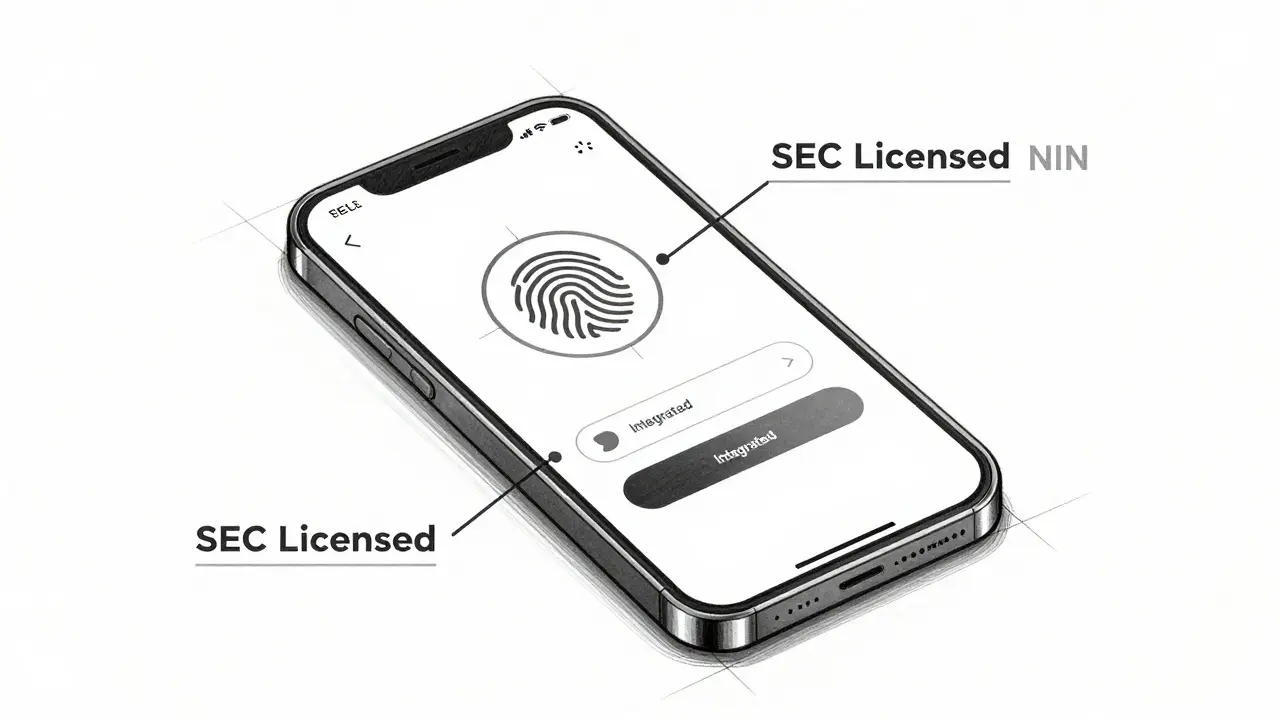
- Check for NIN Integration: Since February 2025, all licensed platforms must integrate with the National Identification Number (NIN) system during KYC. If you can sign up without providing your NIN, it’s likely unlicensed.
If an exchange fails any of these checks, treat it as risky. The convenience of a familiar interface is not worth the risk of regulatory action.
The Future: What Comes Next?
The crackdown is not slowing down. In July 2025, the SEC announced automated transaction monitoring systems. By September 2025, these systems will be able to identify and freeze assets from unlicensed platforms within 15 minutes of detection.
The EFCC has also expanded its crypto fraud unit from 15 to 47 personnel. Director Abdulrasheed Bawa stated clearly that every unlicensed exchange operating in Nigeria will face enforcement action by Q4 2025. Market analysts predict that by mid-2026, almost all Nigerian crypto users will be on licensed platforms.
Some users are fleeing to decentralized exchanges (DEXs) like Uniswap. While these avoid central authority, they come with their own risks. There is no customer support, no insurance, and if you make a mistake, your money is gone forever. For most Nigerians, the regulated path via Quidax or Busha is the safer bet.
Which crypto exchanges are licensed in Nigeria in 2026?
As of mid-2026, the primary fully licensed exchanges under the ISA 2025 framework are Quidax and Busha. Both have obtained full approval from the Securities and Exchange Commission (SEC) and comply with Central Bank of Nigeria (CBN) banking guidelines. Always verify current status on the official SEC registry.
Is Binance still safe to use in Nigeria?
Binance faces significant regulatory risks. While it remains popular, its P2P operations have led to numerous account freezes by the EFCC due to lack of specific local SEC licensing for its direct exchange services. Users report high rates of fund suspension. For maximum safety, licensed local alternatives like Quidax are recommended.
Why did my bank freeze my crypto account?
Banks are required by the CBN to verify if the crypto exchange you are using holds an SEC license. If you transact with an unlicensed platform (like Bybit or KuCoin), the bank may flag the transaction as suspicious or illegal, leading to a temporary or permanent freeze until you prove compliance.
How can I check if a crypto exchange is SEC licensed?
Visit the official SEC website at sec.gov.ng/crypto-exchanges. You can also check the Corporate Affairs Commission (CAC) registry to see if the exchange has a local Nigerian entity. Additionally, send an SMS with 'VERIFY [Exchange Name]' to 20255 to check CBN verification status.
What happens if I use an unlicensed exchange?
You risk having your bank accounts frozen, your crypto assets seized by the EFCC, and a lack of consumer protection. Recovery of funds can take months and often results in partial losses. Under the ISA 2025, operating without a license is considered illegal activity in capital markets.
Do licensed exchanges charge higher fees?
Licensed exchanges may have slightly higher fees (averaging 0.25%) compared to some unlicensed offshore platforms (0.15%). However, this small difference provides essential benefits like bank integration, insurance coverage up to ₦50 million, and legal recourse, making it a worthwhile trade-off for security.