Egypt Crypto Jail Time: Imprisonment Penalties for Promotion
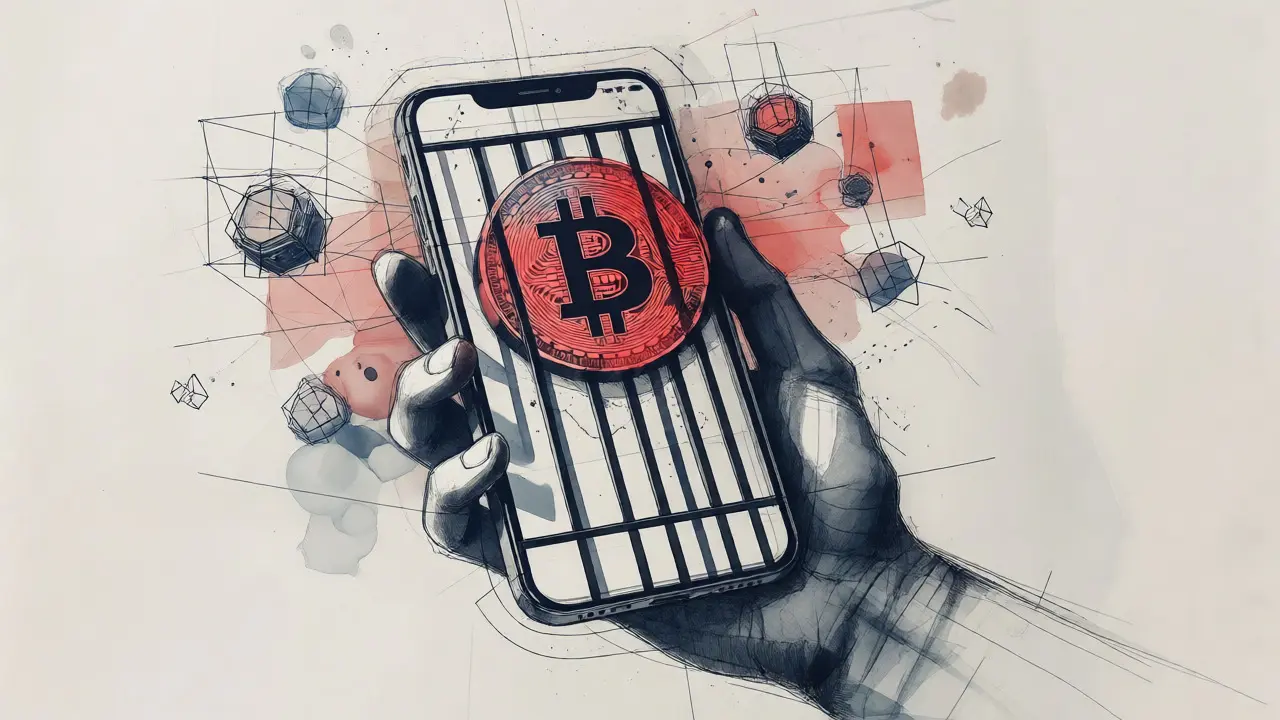
Imagine posting a simple tweet about Bitcoin in Cairo and waking up to a police visit. In Egypt, this isn't a hypothetical horror story; it's a legal reality backed by severe statutory penalties. While millions of Egyptians hold digital assets, the country maintains one of the world's strictest stances on cryptocurrency promotion. The law doesn't just slap your wrist with a warning-it threatens prison time and massive fines for anyone marketing or facilitating these trades without explicit government approval.
If you're a marketer, an influencer, or a business owner operating in the MENA region, understanding the specific risks of promoting crypto in Egypt is non-negotiable. This guide breaks down exactly who goes to jail, how much it costs, and why the enforcement seems so aggressive despite widespread adoption.
The Legal Hammer: Law No. 194 of 2020
The core of Egypt's restrictive framework is Law No. 194 of 2020, which regulates the issuance and trading of cryptocurrencies. Before this law, the Central Bank of Egypt (CBE) issued warnings, but this legislation codified the punishment into criminal code. It explicitly prohibits issuing, trading, promoting, or operating exchanges for cryptocurrencies without prior authorization from the relevant Egyptian authorities.
The penalty structure is dual-tiered, giving judges significant discretion. Violators face imprisonment and/or a fine ranging from one million to ten million Egyptian pounds. To put that in perspective, at current exchange rates, the maximum fine hovers around $516,000 USD. That’s not a cost of doing business; that’s a life-altering financial blow for most individuals and small startups.
- Imprisonment: Mandatory consideration for violations.
- Fines: LE 1,000,000 minimum to LE 10,000,000 maximum.
- Alternative Sentencing: Courts may impose either the prison term or the fine, depending on the severity and intent.
This isn't just bureaucratic red tape. The Egyptian Financial Regulatory Authority (FRA) actively enforces these rules, viewing unauthorized crypto activities as threats to national financial stability. They argue that because cryptocurrencies lack tangible asset backing and central bank guarantees, they expose citizens to fraud and cyber piracy.
What Counts as "Promotion"?
You might think you're safe if you don't run a full-blown exchange. Think again. The definition of prohibited activity under Egyptian law is surprisingly broad. It covers any action that solicits public investment or facilitates trading. If you are running ads, managing social media campaigns, or even hosting webinars explaining how to buy Ethereum, you could be liable.
The FRA specifically targets entities that pool funds for investment without licenses. This includes:
- Unlicensed online platforms offering crypto trading services.
- Websites promoting DeFi projects or NFTs for financial gain.
- Social media influencers soliciting followers to invest in unapproved tokens.
- Consultants advising clients on crypto portfolios without proper licensing.
Even staking is caught in this net. The CBE considers staking inherently linked to cryptocurrency activities, meaning it falls under prohibited categories unless you secure a specific license. This comprehensive approach leaves little room for ambiguity: if you touch the ecosystem commercially, you need permission.

The Paradox: High Adoption, Strict Bans
Here is where things get tricky. Despite the threat of jail, Egypt has one of the highest rates of cryptocurrency ownership in Africa and the Middle East. A report by TripleA highlighted that over 1.7 million Egyptians owned crypto as of recent years, representing nearly 2% of the population. Some estimates suggest the number is closer to 3 million.
Why the disconnect? Many users treat holding crypto as a private savings mechanism, akin to keeping cash under a mattress. As long as they aren't actively promoting it or running a business, enforcement often focuses on commercial actors rather than individual holders. However, the line between "holding" and "promoting" can blur quickly. Did you tell your friend about a new coin? Did you post a chart on Instagram? Technically, that’s promotion.
| Country/Region | Legal Status | Primary Penalty for Unauthorized Promotion |
|---|---|---|
| Egypt | Banned for trading/promotion | Imprisonment + Fine up to LE 10M |
| Algeria | Banned | Prison sentences possible |
| Morocco | Restricted | Fines and warnings |
| UAE | Regulated/Licensed | Licensing fees and compliance audits |
Who Enforces the Rules?
Two main bodies drive enforcement: the Central Bank of Egypt (CBE) and the Financial Regulatory Authority (FRA). The CBE holds the ultimate authority on monetary policy and views crypto as a challenge to the sovereignty of the Egyptian Pound. Their stance has been consistent since their initial warning in January 2018: crypto lacks underlying value and poses systemic risks.
The FRA acts as the watchdog for market conduct. They maintain a "negative list" of unlicensed entities offering financial services. If your company appears on this list, you’re marked for scrutiny. They also rely heavily on citizen reports. If someone complains that you’re selling a crypto course or token without a license, the FRA investigates.
Enforcement mechanisms include monitoring social media channels and websites for promotional content. Authorities have stated that they are watching for "extreme caution" and have issued urgent warnings to market participants. The goal is deterrence. By making examples of violators, they hope to stifle the growth of an unauthorized shadow economy.

Can You Get Licensed?
Yes, but it’s difficult. The law allows for authorization, but the path to securing a license from the CBE or FRA is complex and opaque. Most legitimate blockchain businesses struggle to navigate the bureaucracy. Without a license, every marketing campaign is a potential crime scene.
For foreign companies looking to enter the Egyptian market, partnering with local licensed entities is often the safest route. Trying to operate independently without prior clearance invites the full weight of the penal code. Remember, the burden of proof lies with you to show that you had the necessary approvals before you started promoting.
Key Takeaways
- Severe Penalties: Up to 10 million EGP ($516k) and imprisonment for unauthorized promotion.
- Broad Definition: Marketing, staking, and consulting all count as regulated activities.
- Active Enforcement: The FRA monitors social media and accepts citizen complaints.
- No Easy Exits: Licensing is required but hard to obtain; unlicensed operations carry high risk.
Is it illegal to own Bitcoin in Egypt?
Technically, the law prohibits trading and using crypto as currency. While there are fewer reported cases of individuals being jailed solely for holding coins privately, the legal framework does not explicitly protect mere ownership from the broader prohibitions on usage and promotion. Most enforcement targets commercial activities, but the risk remains.
How much is the fine for promoting crypto in Egypt?
The fine ranges from one million to ten million Egyptian pounds (approximately $51,600 to $516,000 USD). Courts may impose this fine in addition to, or instead of, imprisonment terms.
Does posting about crypto on social media count as promotion?
Yes, if the post solicits investment or encourages others to trade or use the service. The Financial Regulatory Authority specifically monitors online platforms and social media for unauthorized solicitation of public investment.
Which law governs crypto penalties in Egypt?
Law No. 194 of 2020 is the primary legislation regulating the issuance, trading, and promotion of cryptocurrencies in Egypt, enforced by the Central Bank of Egypt and the Financial Regulatory Authority.
Are NFTs banned in Egypt too?
Yes, the Banking Law prohibits the use of virtual assets, including NFTs, for financial purposes without prior licensing from the Central Bank of Egypt. Promoting NFTs as financial instruments carries the same risks as promoting cryptocurrencies.