
Genshiro (GENS) Airdrop Guide: Details, History & Current Value
Imagine holding a bag of tokens that once promised to revolutionize decentralized finance on the Kusama network. That was the pitch for Genshiro, a one-stop DeFi shop built as a canary network for Polkadot's Equilibrium ecosystem. For many crypto investors, the allure of free tokens through an airdrop distribution mechanism where projects send tokens to users without requiring a direct purchase is hard to resist. But what actually happened with the GENS token? Did those early distributions turn into windfalls, or did they become digital dust in your wallet?
The story of the Genshiro airdrop is a classic case study in the volatility of the DeFi sector. While the project launched with high hopes and significant marketing push via major exchanges like MEXC and Gate.io, the token's journey has been marked by extreme price depreciation. If you are looking to understand the mechanics of these past distributions, evaluate current participation opportunities, or simply satisfy your curiosity about why a token that traded at $0.063 in 2022 now hovers near zero, this guide breaks down the facts, figures, and technical context behind Genshiro.
What Is Genshiro and Why Did It Run Airdrops?
To understand the airdrop, you first need to grasp what Genshiro actually is. Genshiro is a multi-chain DeFi platform operating on the Kusama network, designed to provide lending, borrowing, and yield farming services with reduced risk through cross-chain interoperability. It functions as a "canary" for Equilibrium, which is the mainnet version on Polkadot. Think of it as a testing ground where developers can experiment with complex financial instruments before deploying them to the more stable Polkadot ecosystem.
The primary goal of the GENS token is utility within this ecosystem. It is used for governance, staking, and paying transaction fees. However, like many DeFi protocols in the early-to-mid 2020s, Genshiro relied heavily on exchange-hosted airdrops to bootstrap liquidity and user engagement. These campaigns weren't just charity; they were strategic moves to get the token listed on major trading platforms and ensure there were enough buyers and sellers to keep the market active.
Breakdown of Major GENS Airdrop Campaigns
There have been two significant documented airdrop events for GENS. Both were conducted through major cryptocurrency exchanges rather than directly from the project team, which is a common model for newer tokens seeking visibility.
The MEXC Exchange Distribution (January 2022)
This was arguably the most structured and well-documented campaign. In January 2022, MEXC hosted a reward pool containing 885,000 GENS tokens. At the time, the reference price was set at $0.063 per token, valuing the entire pool at approximately $55,755. This might not sound like a fortune in today’s market, but in the context of a new DeFi token launch, it represented a substantial incentive for traders.
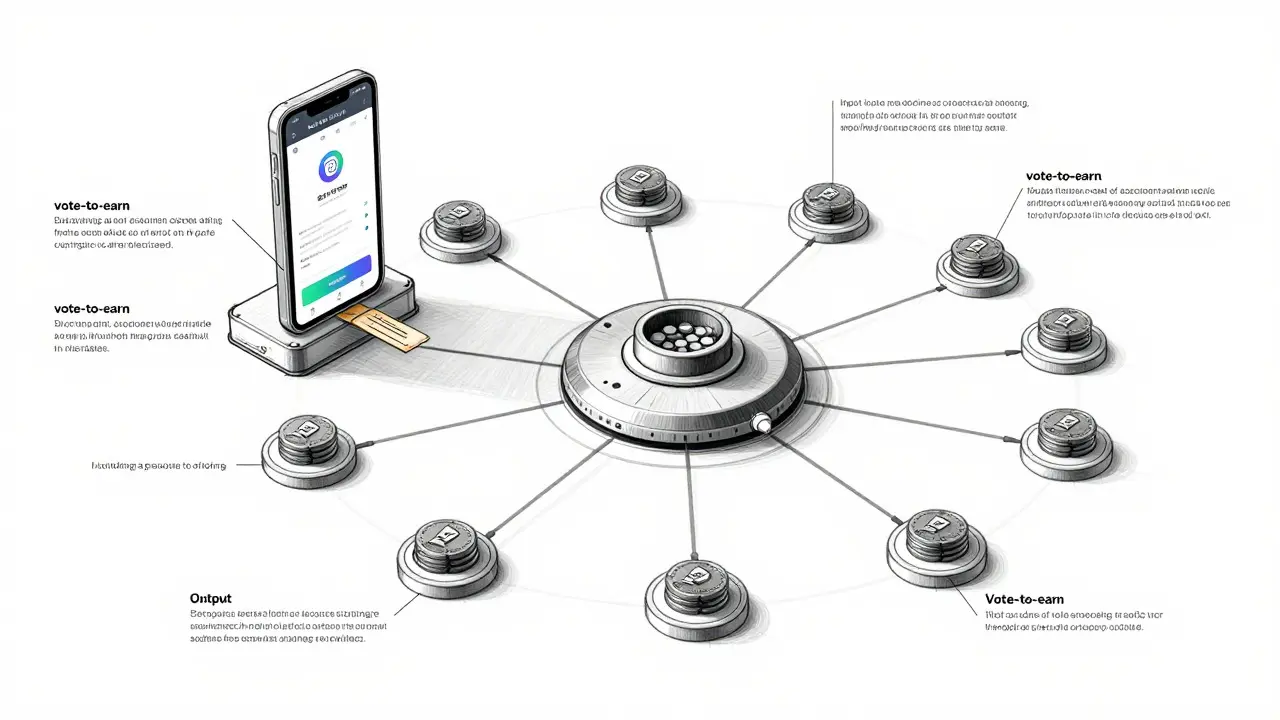
Participation required active engagement. Users had to vote using MX tokens, the native currency of the MEXC exchange. Here are the specific constraints that defined this event:
- Voting Window: The voting period ran from January 22, 2022, at 04:00 UTC to 10:50 UTC.
- Trading Start: Trading commenced at 14:00 UTC on the same day.
- Minimum Requirement: You needed at least 10 votes to qualify.
- Maximum Cap: A single user could vote up to 500,000 MX tokens.
- Token Locking: MX tokens used for voting were temporarily locked during the event and unlocked within one hour of its conclusion.
This "vote-to-earn" model was interesting because it filtered for active participants. Unlike passive snapshot-based airdrops where you just hold a token and wait, this required you to be online and actively interacting with the exchange interface during a specific six-hour window. It ensured that the recipients were likely actual traders who would engage with the GENS listing once it went live.
The Gate.io Startup Free Offering
Separately, Gate.io distributed a larger pool of 1,277,825 GENS tokens through its Startup Free Offering program. While the exact timeline and specific voting mechanics for this particular campaign are less detailed in public records compared to the MEXC event, the sheer volume indicates a strong push to establish GENS on multiple top-tier exchanges simultaneously. This dual-front strategy allowed Genshiro to capture attention from different user bases across the Asian and global crypto markets.
Comparing the Airdrop Mechanics
Not all airdrops are created equal. Understanding the differences between the MEXC and Gate.io models helps illustrate how projects choose their distribution strategies. Below is a comparison of the key attributes of these two major distributions.
| Feature | MEXC Campaign | Gate.io Campaign |
|---|---|---|
| Date | January 2022 | Early 2022 (Specific date varies by source) |
| Total Tokens Distributed | 885,000 GENS | 1,277,825 GENS |
| Reference Price | $0.063 | N/A (Free offering) |
| Participation Method | Vote with MX tokens | Startup Free Offering eligibility |
| Engagement Level | High (Active voting required) | Medium (Eligibility-based) |
| Estimated Pool Value | ~$55,755 | Varies based on market cap at time |
The MEXC approach was more labor-intensive for the user but potentially more rewarding in terms of guaranteed allocation if you hit the voting caps. The Gate.io offering was larger in volume but likely had broader eligibility criteria, spreading the tokens thinner among a larger group of potential recipients.
The Shocking Price Decline: From The Shocking Price Decline: From $0.063 to Dust
.063 to Dust
Here is the part that hurts. If you participated in the 2022 airdrops, you might be wondering why your portfolio value has evaporated. The GENS token experienced a dramatic decline in value over the following three years. As of late 2025, the token was trading at approximately $0.00001301.
Let’s do the math. That represents a decline of roughly 99.98% from the $0.063 reference price seen during the MEXC airdrop. To put that in perspective, if you received 1,000 GENS tokens in January 2022, they were worth about $63. Today, those same 1,000 tokens are worth less than a penny ($0.013). This isn't just a bad quarter; it's a near-total erasure of initial value.
Why did this happen? Several factors contribute to this trajectory:
- Broader Market Conditions: The DeFi sector underwent a significant correction after the bull run of 2021. Many speculative tokens lost 90-99% of their value as interest rates rose and institutional capital flowed into safer assets like Bitcoin and Ethereum.
- Ecosystem Shifts: User attention shifted heavily toward Layer-1 blockchains like Solana and emerging ecosystems like Arbitrum and Optimism. Kusama, while technically robust, struggled to maintain the hype cycle compared to these competitors.
- Adoption Challenges: Despite its sophisticated architecture, Genshiro faced stiff competition from established DeFi giants like Aave and Compound. Differentiating itself in a crowded market proved difficult.
Technical Architecture: What Makes Genshiro Different?
Price aside, Genshiro remains a technologically interesting project. Its architecture is built around eight core components designed to handle complex DeFi operations efficiently. The platform utilizes a multi-chain framework that allows for seamless asset transfers between different blockchain networks. This cross-chain interoperability is a key selling point, enabling users to move assets from Ethereum or other chains into the Kusama ecosystem without bridging risks typically associated with third-party bridges.
The system includes integrated oracle systems that provide reliable price feeds, essential for any lending or borrowing protocol. Additionally, layer-2 scaling solutions are employed to handle high transaction volumes, keeping gas costs low. The governance model uses a Decentralized Autonomous Organization (DAO) structure, meaning decisions are made by token holders rather than a central team. While this decentralization is a feature, it also means that development speed can sometimes be slower than centralized competitors.
Future Outlook and Roadmap to 2030
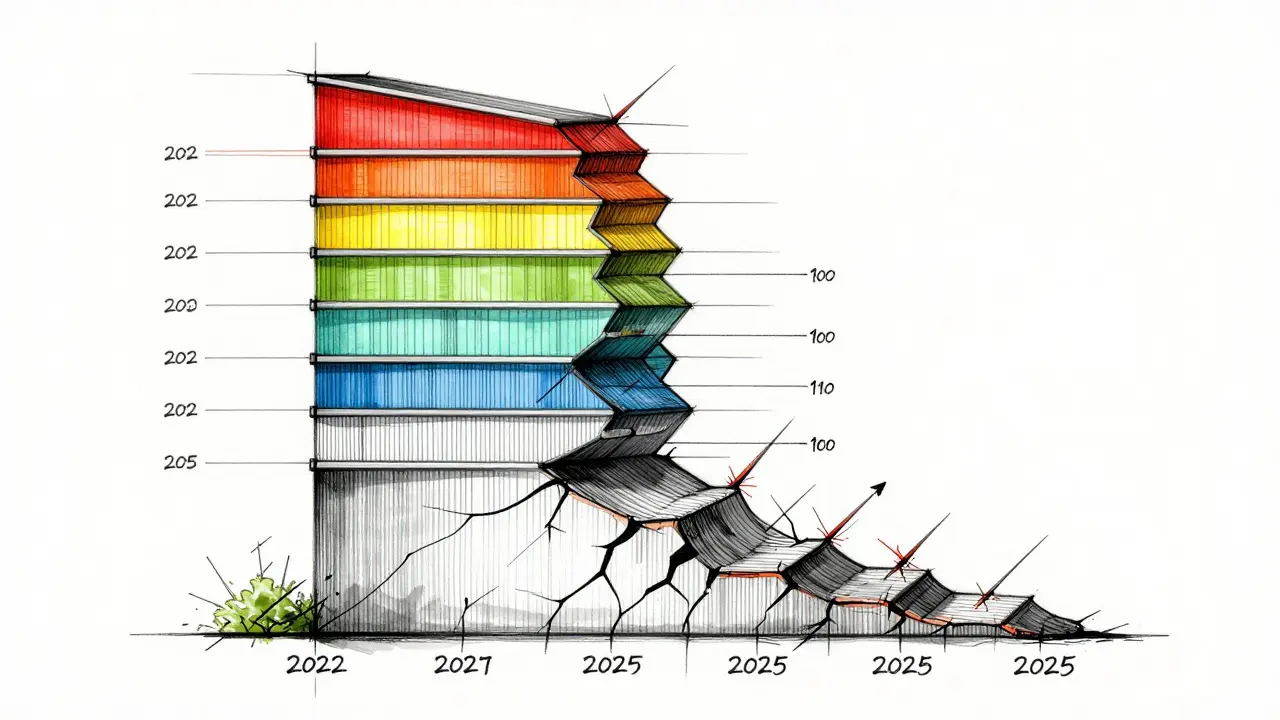
Despite the price struggles, the Genshiro team has maintained an active roadmap extending through 2030. The plan is ambitious, focusing on several key phases:
- 2025 Expansion: Enhancing cross-chain interoperability and launching new DeFi products to attract fresh capital.
- 2026 Risk Management: Implementing advanced risk management features to make the platform safer for large institutional deposits.
- 2027 Yield Innovation: Introducing innovative staking and yield farming opportunities to boost user retention.
- 2030 Goal: Positioning Genshiro as a leading DeFi ecosystem offering comprehensive financial services.
Will this roadmap save the token? Only time will tell. The continued development activity suggests the team is committed to the vision, but market reception remains the biggest hurdle. For potential future airdrop participants, the lesson is clear: technical innovation does not guarantee financial success. Always evaluate the broader market context and competitive landscape before getting excited about free tokens.
Frequently Asked Questions
How much is GENS worth right now?
As of late 2025, the GENS token trades at approximately $0.00001301. This reflects a significant decline from its 2022 peak, representing a loss of nearly 99.98% in value since the major airdrop campaigns.
Was the MEXC airdrop profitable?
For most participants, the immediate profit was minimal. While the tokens were valued at $0.063 during the distribution, the subsequent price crash meant that unless you sold immediately upon listing, the long-term value dropped drastically. The opportunity cost of locking MX tokens for voting also factored into the net gain for many traders.
Can I still get GENS tokens for free?
Large-scale exchange airdrops like the 2022 ones are unlikely to repeat in the same format. However, smaller community incentives, testnet rewards, or partnership promotions may occasionally offer small amounts of GENS. Keep an eye on official Genshiro social channels for any new announcements.
What is the difference between Genshiro and Equilibrium?
Genshiro is the "canary" network, which acts as a testing ground on the Kusama chain. Equilibrium is the mainnet version on the Polkadot chain. They share similar functionality, but Genshiro allows for faster experimentation and lower stakes, while Equilibrium aims to be the secure, production-ready home for larger capital pools.
Is Genshiro safe to invest in now?
Investing in GENS carries high risk due to its low market cap and history of volatility. While the technology is robust, adoption has been slow. Investors should only allocate funds they are willing to lose entirely, treating it as a speculative bet on the future of the Kusama ecosystem.