
GEOCASH Airdrop by GeoDB: Details, Token Specs & Current Status
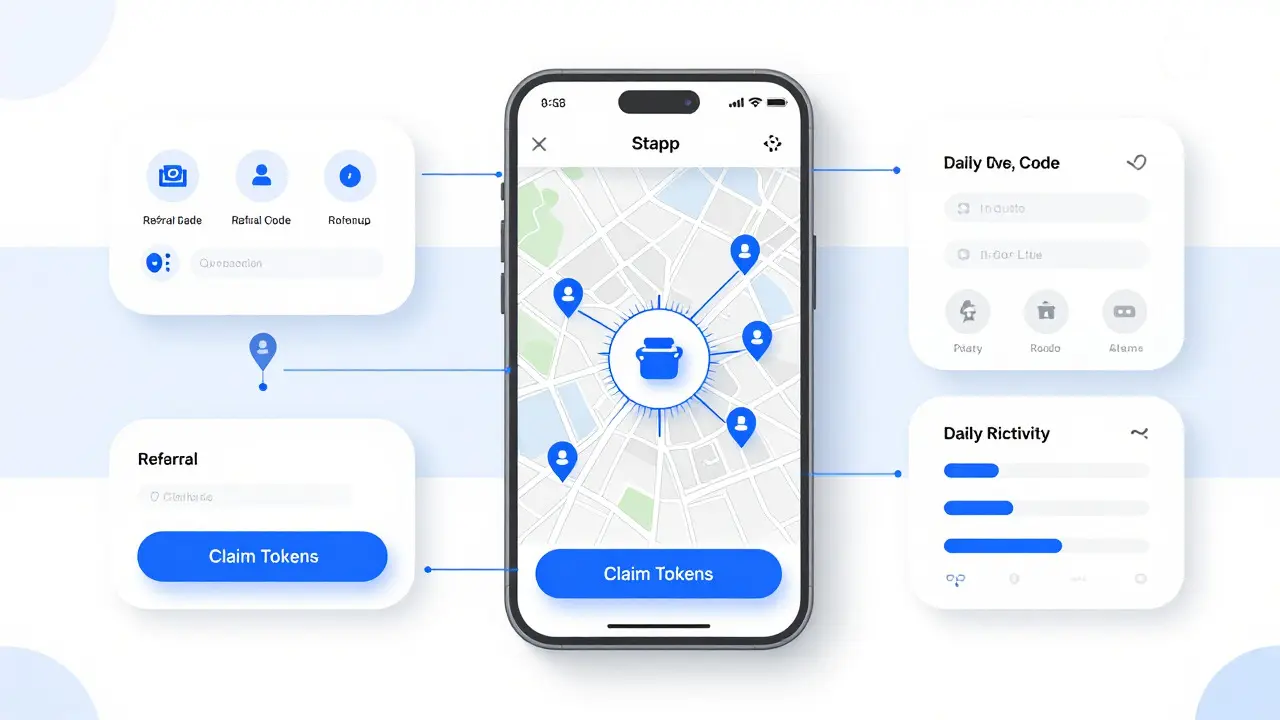
Remember when downloading an app could literally pay you in crypto? That was the promise of the GEOCASH airdrop run by GeoDB, a blockchain project aiming to monetize user location data on the Ethereum network. Back in 2020, this campaign distributed free GEO tokens to early adopters who installed their mobile application and invited friends. Today, the landscape looks very different, but understanding how that initial distribution worked is key to evaluating any remaining value or interest in the ecosystem.
What Was the GeoDB Project?
GeoDB positioned itself as a challenger to the traditional data economy. The core idea was simple: big tech companies profit from your browsing habits and location data without paying you back. GeoDB wanted to flip that script by creating an open ecosystem where data generators-regular users-got compensated for their digital footprints. The platform operated as a data monetization tool, primarily through a mobile app that tracked movement and behavior to generate rewards.
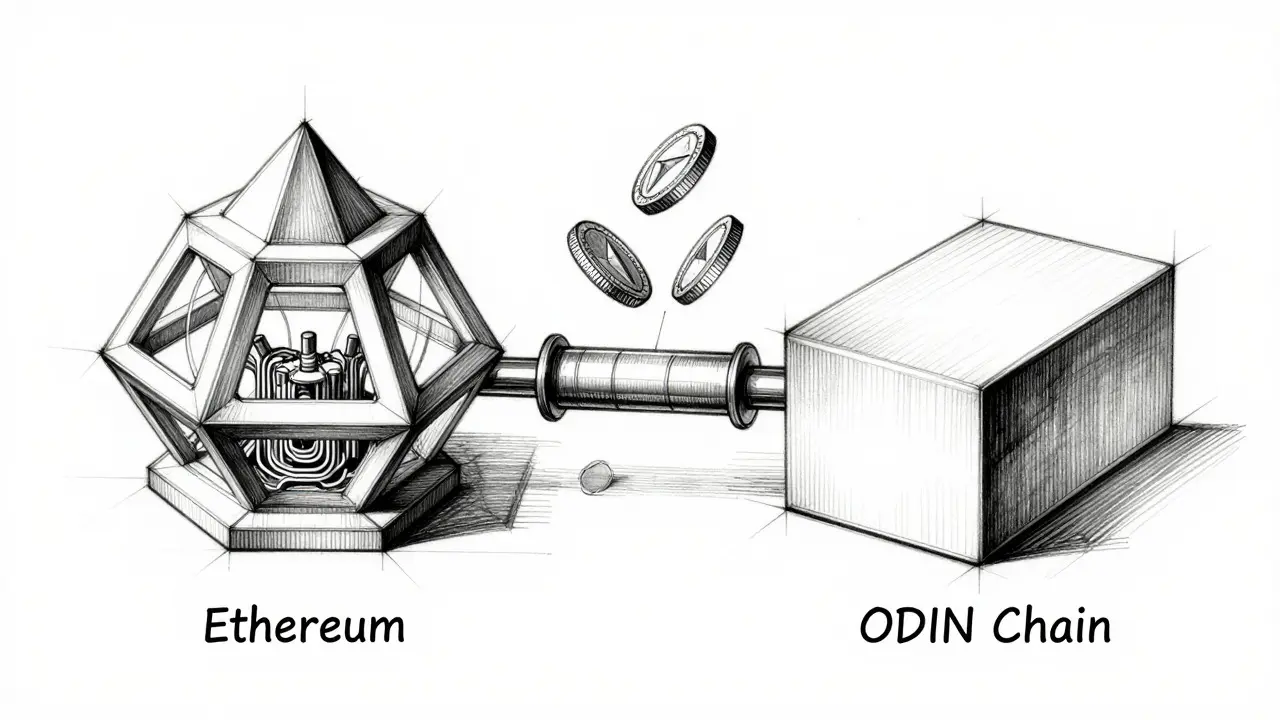
The technical foundation relied on smart contracts for distributing these rewards. Initially built on the Ethereum blockchain, the project later announced a migration to the ODIN Chain, a separate network designed for specific utility applications. This shift marked a significant change in infrastructure, moving away from the high-traffic mainnet of Ethereum to a more specialized environment. For users, this meant their tokens were no longer just standard ERC-20 assets but part of a new chain's ecosystem.
How the 2020 Airdrop Worked
The GEOCASH airdrop wasn't a one-time event; it was a multi-tiered campaign designed to drive user acquisition. Here’s how participation typically unfolded:
- Daily Claims: Users downloaded the official Android or iOS app and could claim a base amount of GEO tokens daily simply by keeping the app active.
- Referral Bonuses: Inviting friends amplified earnings significantly. Each successful referral added extra tokens to your balance, using unique codes like 'MDHALIM759_PXGYZQ' to track acquisitions.
- Regional Promotions: Specific markets got targeted boosts. For instance, a promotion offered 10 free GEO tokens listed on the Bitforex exchange, strictly limited to 2,000 participants in India.
To participate, you had to create a wallet within the app interface. This step was critical because it required saving mnemonic phrases and private keys securely. If you lost those keys, your claimed tokens were effectively gone, a common pitfall for new crypto users during that era of self-custody apps.
GEO Token Specifications & Market Data
Understanding the asset itself helps contextualize the airdrop's impact. The GEO token has a fixed maximum supply cap of 350 million units. As of recent tracking, the total supply stands at approximately 313.17 million GEO, with a circulating supply of around 82.64 million. This means a significant portion of the token remains locked or unclaimed, which can influence long-term price dynamics if those tokens ever enter circulation.
| Attribute | Value/Detail |
|---|---|
| Current Price | $0.0001664 |
| 24-Hour Volume | $120.24 |
| Primary Exchange | Uniswap V2 (GEO/WETH pair) |
| Blockchain | Migrated from Ethereum to ODIN Chain |
| Max Supply | 350 Million |
Market activity for GEO has slowed considerably since its peak promotional period. With a 24-hour trading volume of just over $120, liquidity is extremely thin. Most trades occur on Uniswap V2 via the GEO/WETH pair, where spreads can be noticeable due to low volume. While the token saw small short-term gains recently, the longer-term trend has been downward, reflecting the broader cooling of speculative interest in micro-cap data projects.
The Shift to Wallace Wallet & ODIN Chain
The GeoDB brand evolved into Wallace Wallet, which became the primary interface for interacting with the ecosystem. This rebranding signaled a move from a pure airdrop campaign to a sustained product offering. The migration to ODIN Chain was part of this evolution, aiming to reduce transaction costs and improve speed for the specific use cases of location-based rewards.
For holders of original GEO tokens, this transition required attention. Tokens needed to be bridged or swapped according to the project's migration schedule. Failure to follow these steps could result in stranded assets on the old Ethereum contract address (0x147f...126750). Community engagement shifted heavily to Telegram channels, where updates on the migration and new features were posted. However, compared to the hype of 2020, current community activity is quieter, reflecting a mature but niche user base.
Is It Still Worth Your Time?
If you are looking for a fresh airdrop opportunity, the original GeoDB campaign is long over. The "daily mining" claims from 2020 promised earnings of $5+ per day, but those figures were promotional estimates rather than guaranteed returns. In 2026, the reality is different. The token trades at fractions of a cent, and the project has moved beyond its initial growth phase.
However, if you already hold GEO from the 2020 airdrop, the question is whether to keep or sell. Given the minimal trading volume, selling large amounts might impact the price negatively due to slippage on DEXs. Conversely, holding requires faith in the ODIN Chain's future adoption and Wallace Wallet's ability to attract new users. For most casual investors, the risk-to-reward ratio has shifted significantly since the launch. The project serves as a case study in how data-monetization concepts struggle to sustain momentum without massive mainstream adoption.
Frequently Asked Questions
Can I still join the GEOCASH airdrop in 2026?
The original major airdrop campaign concluded years ago. While occasional promotions may exist, there is no active, large-scale public airdrop comparable to the 2020 distribution. Any new opportunities would likely be small-scale or targeted to specific regional communities.
Where do I trade GEO tokens today?
GEO is primarily traded on decentralized exchanges like Uniswap V2 on Ethereum, though with very low volume. Since the migration to ODIN Chain, some activity may also occur on platforms supporting that specific network. Always verify the correct contract address before swapping to avoid buying fake tokens.
What happened to the GeoDB app?
The app evolved into Wallace Wallet. It continues to function as the interface for managing GEO tokens and accessing the ecosystem's features, but user engagement has dropped significantly compared to its peak in 2020-2021.
Why is the GEO token price so low?
The low price reflects several factors: the end of the initial hype cycle, migration to a less prominent blockchain (ODIN Chain), and overall market conditions for micro-cap utility tokens. High circulating supply relative to demand keeps the per-token value low.
Did GeoDB migrate from Ethereum successfully?
Yes, the project announced and executed a migration to ODIN Chain. Users were required to bridge their assets during this period. Those who missed the window may still have tokens on the old Ethereum contract, which now have limited utility outside of secondary market swaps.