
How Crypto Exchanges Detect Multi-Layered VPNs: The Technical Arms Race
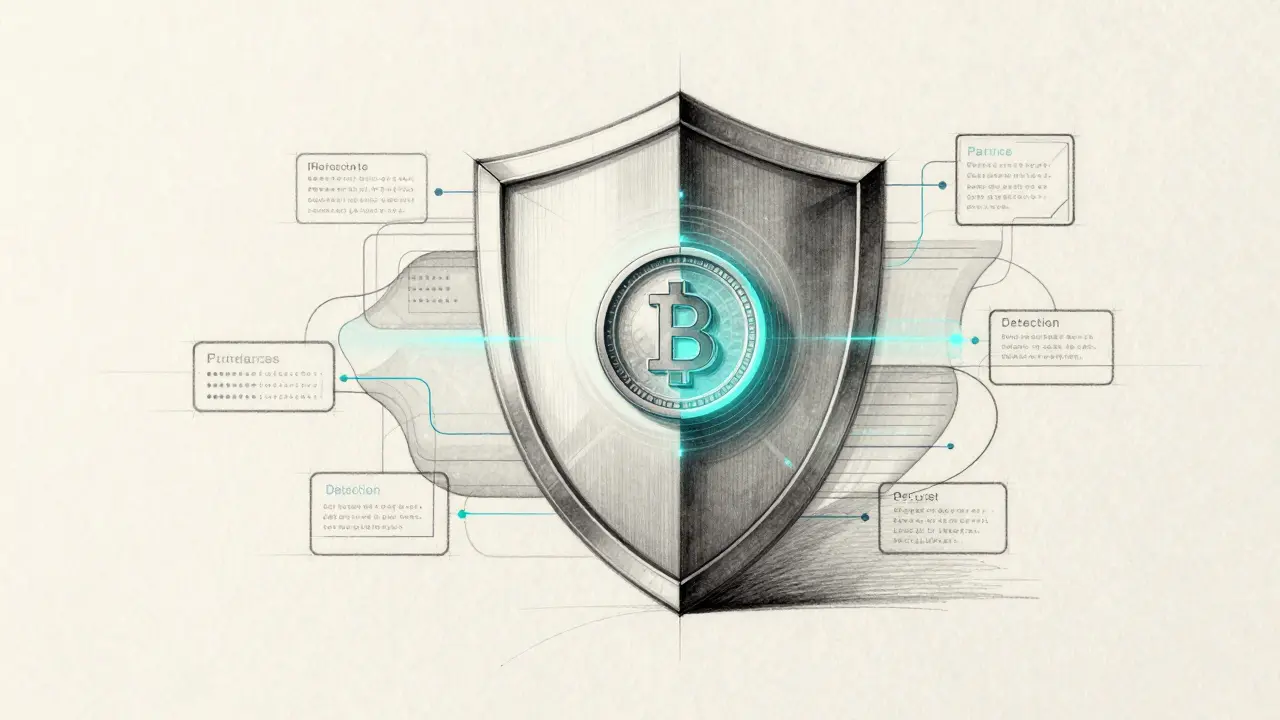
Imagine you are sitting in a restricted jurisdiction, trying to access your cryptocurrency portfolio. You connect to a premium Virtual Private Network (VPN), select a server in a friendly country, and click login. Within seconds, the exchange blocks your IP or demands immediate identity verification. This is not bad luck; it is sophisticated technology working against you. As of 2026, major platforms have moved far beyond simple IP blacklisting. They now employ multi-layered VPN detection systems that analyze traffic patterns, browser fingerprints, and behavioral biometrics to identify users attempting to bypass geographic restrictions.
The Evolution from Simple Blocking to Deep Analysis
In the early days of cryptocurrency, avoiding geo-restrictions was as easy as finding an unused IP address. Exchanges relied on static lists of known data center IPs. If your connection came from a recognized hosting provider like Amazon Web Services or DigitalOcean, you were flagged. Today, that approach is obsolete. Modern exchanges treat VPN detection as a core component of their Know Your Customer (KYC) and Anti-Money Laundering (AML) infrastructure.
The shift happened because regulators in regions like China, Russia, and Turkey increased pressure on trading platforms. Exchanges faced a binary choice: comply with local laws by blocking unauthorized access or risk massive fines and operational shutdowns. To survive, they built detection engines that look at the entire digital footprint of a user session, not just the entry point. This means that even if you hide your IP address, other signals can give you away.
Core Technologies Behind Detection Systems
Understanding how these systems work requires looking under the hood of the security stack. Exchanges deploy several layers of analysis simultaneously. Here is what happens when you attempt to log in:
- IP Address Intelligence is the foundational layer where exchanges maintain real-time databases of millions of known VPN and proxy IP ranges. Services like NordVPN and ExpressVPN have large, identifiable server networks that are easily cross-referenced against threat intelligence feeds.
- Deep Packet Inspection (DPI) is a technique that analyzes the metadata and structure of network packets. Even if the content is encrypted, DPI tools can identify the unique 'handshake' signatures of specific VPN protocols like OpenVPN or WireGuard, distinguishing them from standard HTTPS traffic.
- DNS Leak Detection is a check for inconsistencies between your claimed location and your Domain Name System resolver. If your IP says you are in London but your DNS queries go to a server in New York, the system flags the mismatch immediately.
- Browser Fingerprinting is the collection of device-specific data points including screen resolution, installed fonts, CPU class, and GPU renderer. These attributes often contradict the geographic profile suggested by the VPN endpoint.
Beyond these technical checks, exchanges use Time Zone Analysis, which compares your login times against the typical activity patterns of users in your claimed region. Logging into a US-based account from a European IP during Asian business hours raises red flags for automated monitoring systems.
The Centralized vs. Decentralized Divide
Not all exchanges detect VPNs with the same intensity. There is a clear divide between centralized exchanges (CEXs) and decentralized alternatives. Major CEXs like Binance, Coinbase, and Kraken operate under strict regulatory frameworks. They invest heavily in security teams and machine learning models to ensure compliance. For these platforms, detecting a VPN is non-negotiable.
Smaller regional exchanges may still rely on basic IP blacklisting, making them easier to bypass. However, this ease comes with significant risks. Smaller platforms often lack robust security measures, increasing the likelihood of hacks or insolvency. Users seeking anonymity often find themselves choosing between regulatory scrutiny on large platforms and security vulnerabilities on smaller ones.
| Feature | Major Centralized Exchanges (Binance, Coinbase) | Small Regional Exchanges | Decentralized Exchanges (DEXs) |
|---|---|---|---|
| Detection Method | Multi-layered (DPI, ML, Biometrics) | Basic IP Blacklisting | None (Non-custodial) |
| KYC Requirement | Mandatory | Often Optional or Weak | Not Applicable |
| False Positive Rate | Low (Highly Tuned) | High (Over-blocking) | N/A |
| User Privacy Risk | High Data Collection | Data Breach Vulnerability | On-Chain Analysis Only |

Why Premium VPNs Often Fail
You might assume that paying for a high-end service like NordVPN or ExpressVPN guarantees anonymity. In reality, these services face higher detection rates than obscure providers. Why? Because they are popular. Their IP ranges are well-documented and frequently updated in exchange blocklists. When thousands of users route through the same few servers, those IPs become statistically anomalous.
Free VPN services fare even worse. They are almost universally blocked because they often log user data and sell it to third parties, making them untrustworthy for privacy-conscious users. Furthermore, free services reuse IPs aggressively, leading to immediate flagging by exchange algorithms.
Users report that even advanced configurations like Double VPN (routing traffic through two servers) or Onion over VPN (combining Tor with a VPN) are increasingly detected. Exchanges monitor for latency spikes and packet fragmentation patterns characteristic of these multi-hop routes. If your connection is significantly slower or more unstable than average for your claimed region, behavioral analytics engines will investigate further.
The Rise of Decentralized Solutions
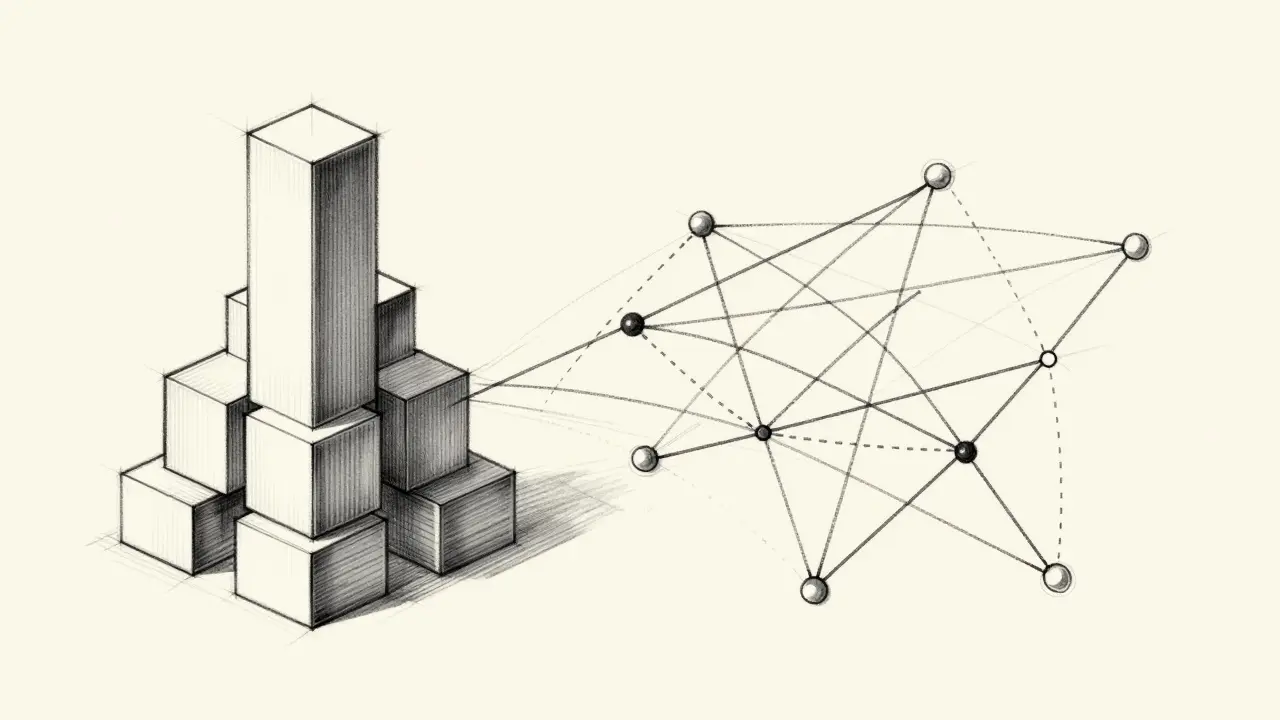
As centralized detection tightens, privacy advocates are turning to decentralized networks. Traditional VPNs rely on a central authority managing servers. This creates a single point of failure and a clear target for identification. Decentralized VPNs, such as NymVPN, operate on a Noise Generating Mixnet architecture. Instead of dedicated servers, traffic is routed through multiple community-run nodes worldwide.
This model presents a significant challenge to detection systems. There are no fixed IP ranges to blacklist. Each node changes dynamically, and traffic is mixed with noise from other users, making it nearly impossible to correlate a specific request with a specific user. While Nym and similar projects are still maturing, they represent the next frontier in the arms race between privacy and regulation.
However, decentralization has trade-offs. Speed can be inconsistent, and setup complexity is higher than installing a standard app. Users must understand how to configure wallets and interact with decentralized finance (DeFi) protocols directly, rather than relying on the user-friendly interfaces of centralized exchanges.
Behavioral Biometrics: The New Frontier
By 2026, the most advanced detection systems have moved beyond network-level checks. They now employ behavioral biometrics. Machine learning algorithms analyze how you interact with the platform. Do you type like a human? Is your mouse movement natural? Automated bots and some proxy setups exhibit distinct interaction patterns-perfectly straight lines, instantaneous clicks, or uniform typing speeds-that differ from organic human behavior.
Exchanges also cross-reference mobile device locations with connection origins. If you log in via a web browser using a VPN in France, but your associated mobile app shows GPS coordinates in Brazil, the discrepancy triggers an alert. This multi-factor authentication approach makes it incredibly difficult to maintain a consistent false geographic profile across all devices.
Risks and Regulatory Implications
Attempting to bypass these restrictions carries serious consequences. Beyond account suspension, users may face frozen assets. Exchanges hold legal liability for facilitating transactions in restricted jurisdictions. If they suspect you are circumventing rules, they can freeze your funds indefinitely while conducting internal investigations.
Furthermore, the global cryptocurrency market is projected to grow to $57.3 billion by 2030. This financial incentive drives exchanges to adopt stricter compliance measures. The cost of non-compliance far outweighs the revenue gained from serving restricted users. Consequently, the trend toward tighter detection is irreversible in the short term.
For legitimate users who simply want privacy, the landscape is challenging. However, for those in restricted regions, the options are narrowing. The era of easy access via a simple VPN toggle is ending. Users must now consider whether the risk of asset seizure is worth the convenience of accessing centralized platforms.
Practical Considerations for Users
If you are navigating this environment, here are some practical realities to consider:
- Avoid Free VPNs: They offer no privacy and are instantly blocked. They also pose security risks by potentially injecting malware or logging your data.
- Understand the Trade-offs: Premium VPNs provide better reliability but are still detectable by top-tier exchanges. No centralized solution is foolproof.
- Explore Decentralized Options: Learning to use DEXs and self-custody wallets reduces reliance on centralized gatekeepers. While technically demanding, it offers greater sovereignty over your assets.
- Consistency is Key: If you must use a VPN, ensure all aspects of your digital presence align. Mismatches between IP, DNS, time zone, and device location are primary triggers for detection.
- Stay Informed on Regulations: Laws change rapidly. What is permissible today may be illegal tomorrow. Always verify the legal status of cryptocurrency trading in your jurisdiction.
The technological arms race continues. As exchanges integrate AI-driven behavioral analysis, evasion techniques must evolve. Yet, the fundamental tension remains: centralized platforms require trust and compliance, while privacy requires decentralization and anonymity. Until regulatory frameworks adapt to include decentralized protocols, this conflict will define the user experience in global cryptocurrency markets.
Can I use a VPN to access Binance or Coinbase from a restricted country?
Technically, you might connect, but maintaining access is extremely difficult. Major exchanges like Binance and Coinbase use multi-layered detection including Deep Packet Inspection and behavioral analytics. They frequently flag and restrict accounts suspected of using VPNs, especially if there are inconsistencies in your digital footprint. Attempting to bypass these restrictions risks permanent account suspension and frozen assets.
What is Deep Packet Inspection (DPI) in the context of crypto exchanges?
Deep Packet Inspection is a security technology that examines the data passing through a network. In crypto exchanges, DPI analyzes the structure and metadata of your internet traffic to identify signatures of VPN protocols, even if the content is encrypted. It allows exchanges to distinguish between normal web browsing and traffic routed through a VPN tunnel.
Are decentralized VPNs like NymVPN undetectable?
Decentralized VPNs present a much harder challenge for detection systems because they do not use fixed server IP ranges. NymVPN uses a mixnet architecture that routes traffic through multiple community nodes, mixing it with noise. While no system is guaranteed to be 100% undetectable, decentralized solutions currently offer significantly stronger resistance to traditional IP-based blocking methods used by exchanges.
Why do premium VPNs like NordVPN get blocked so often?
Premium VPNs are blocked frequently because they are popular. Their IP addresses are well-known and widely published in threat intelligence databases used by exchanges. When many users connect from the same few IPs, statistical anomalies arise that trigger automated blocking. Obscure or decentralized networks are harder to track because their IP pools are dynamic and less documented.
What happens if a crypto exchange detects my VPN usage?
Consequences vary but typically include immediate IP blocking, forced re-verification of identity (KYC), or temporary freezing of your account. In severe cases, particularly if the exchange determines you are violating terms of service by operating from a banned jurisdiction, they may permanently close your account and withhold funds pending legal review.