
How to Monetize on Decentralized Social Media: A Creator's Guide for 2026
Imagine posting a video that gets ten million views. On traditional platforms, you might get a few hundred dollars in ad revenue-if the algorithm decides you’re worth it. Now imagine posting that same video on a decentralized network where every view is a direct transaction, every like is a tip, and you own the data forever. That is the promise of decentralized social media monetization.
In 2026, the conversation has shifted from "what is Web3?" to "how do I actually make money here?" Creators are tired of being rented audiences on platforms that can ban them overnight or change their payout rules without warning. Decentralized social networks (DeSoc) offer a different deal: you build your audience, you own your content, and you capture more value directly from your fans.
Key Takeaways
- Direct Ownership: Unlike Facebook or X, DeSoc platforms let you own your social graph and content, preventing arbitrary demonetization.
- Diverse Revenue Streams: Earn through token tipping, NFT sales, subscription fees, and platform-specific rewards like Farcaster’s DEGEN or Lens Protocol’s collection fees.
- Low Barrier to Entry: Platforms like Mastodon and Bluesky offer hybrid models, while pure blockchain protocols like Lens and Diamond App require crypto wallets but offer higher upside.
- Community Over Algorithms: Visibility is driven by human engagement and social signals, not secret black-box algorithms optimizing for ad clicks.
- Growth Trajectory: With over 130,000 active users on early adopter platforms and millions migrating globally in 2025-2026, now is the strategic time to establish presence.
The Core Problem with Traditional Social Media Money
To understand why decentralized monetization matters, we first need to look at what’s broken in the current system. On centralized platforms like Meta (Facebook/Instagram) or X (formerly Twitter), you are not the customer; you are the product. Your attention is sold to advertisers. The platform takes the lion’s share-often 70% to 90%-of any revenue generated, leaving creators with scraps.
Worse, you have zero control. An account ban can wipe out years of work instantly. Advertiser boycotts can dry up your income stream overnight. You don’t own your followers; if the platform disappears, they go with it. This fragility has pushed creators to seek alternatives where the economic model aligns with their interests, not just the corporation’s bottom line.
How Decentralized Monetization Actually Works
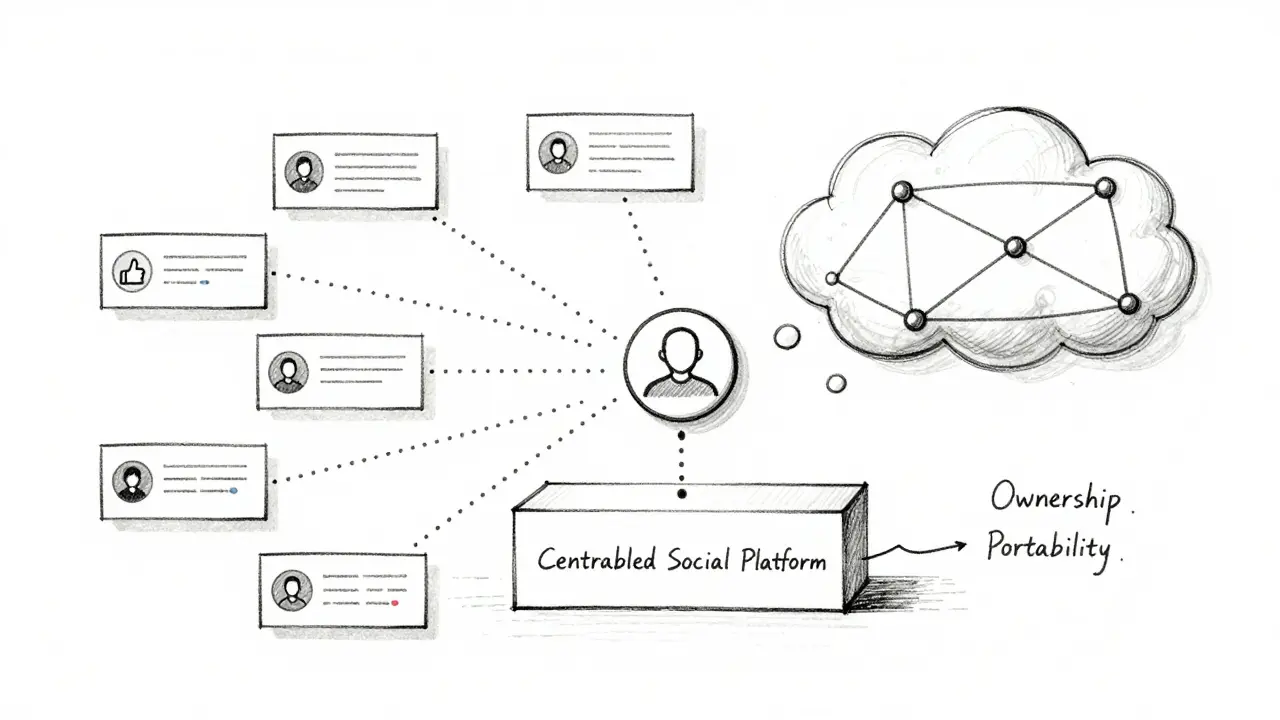
Decentralized social media operates on blockchain technology, which acts as a public ledger for transactions and ownership. Instead of storing your posts on a company server, your content and social connections (your "social graph") are recorded on a blockchain. This allows for peer-to-peer interactions that bypass intermediaries.
Here are the primary ways creators generate income on these platforms:
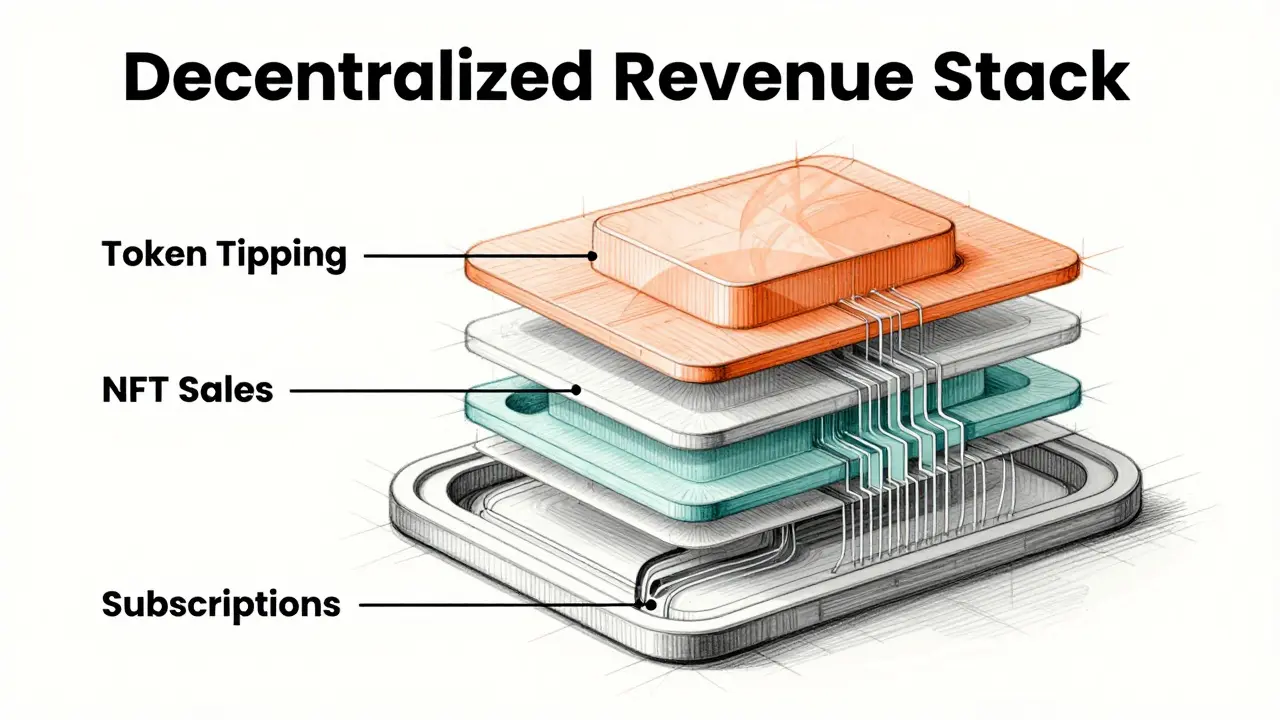
- Token Tipping: Fans send cryptocurrency directly to creators. This can be native tokens (like DEGEN on Farcaster) or stablecoins (like USDC) for predictable value.
- NFT Sales & Collectibles: Creators mint their content as Non-Fungible Tokens. Buyers pay for exclusive access, membership, or simply to support the artist. Some platforms charge a fee when content is "collected," sharing this revenue with the creator.
- Creator Coins: Platforms like Diamond App allow every user to have their own coin. As your influence grows, so does the demand for your coin, creating a speculative asset tied to your reputation.
- Subscriptions & Premium Content: Smart contracts can automatically grant access to gated content when a payment is received, ensuring creators get paid directly without platform withholding.
- Transaction Fees: Some protocols charge small fees for actions like posting or liking, distributing a portion back to the ecosystem or creators.
Top Platforms for Creator Revenue in 2026
Not all decentralized platforms are built the same. Some prioritize ease of use, while others focus heavily on financial mechanics. Here is how the major players compare.
| Platform | Underlying Tech | Primary Monetization Model | Best For |
|---|---|---|---|
| Farcaster | Optimism (Layer 2 Ethereum) | $0.01/post fee, DEGEN tipping, Warpcast client integrations | Tech-savvy creators, developers, and early adopters |
| Lens Protocol | Polygon Blockchain | 5% collection fee shared with creators, NFT-based profiles | Artists, influencers wanting full social graph ownership |
| Diamond App | DeSo Blockchain | Creator coins, likes convertible to currency | Creators interested in building personal brand assets |
| Mastodon | Federated Servers (ActivityPub) | Donations, Patreon links, server-specific perks | Privacy-focused users, community builders, non-crypto natives |
| Bluesky | AT Protocol (Hybrid) | Emerging token integrations, direct subscriptions | Mainstream users transitioning from X/Twitter |
Farcaster: The High-Energy Hub
Built on Optimism, Farcaster charges a nominal $0.01 per post to prevent spam. This fee structure drives platform revenue while keeping costs low for users. Its standout feature is DEGEN, a meme-inspired token used for tipping. While volatile, DEGEN creates a fun, high-engagement environment where rewarding good content is instant and visible. It’s particularly popular among developers and crypto-native communities.
Lens Protocol: Owning Your Audience
Lens runs on Polygon, ensuring fast and cheap transactions. Its killer feature is the ability to port your entire social graph (followers, following, posts) across different apps. When users "collect" your content, a 5% fee is often charged, which is shared with you. This makes Lens ideal for creators who want to build a portable brand that isn’t tied to a single app interface.
Diamond App: Reputation as Currency
Diamond App introduces the concept of creator coins. Every user has a unique token representing their influence. If you create valuable content, people buy your coin, driving up its price. By November 2022, the platform had over 130,000 active users. It turns social capital into financial capital directly, though it requires a deeper understanding of market dynamics.
Setting Up Your Monetization Stack
Getting started requires a bit more setup than signing up with an email address. Here is the practical path to earning on DeSoc:
- Choose a Wallet: You need a self-custody wallet like MetaMask, Rainbow, or Phantom. This holds your identity and funds. Never share your seed phrase.
- Acquire Gas Tokens: Most platforms run on blockchains that require gas fees for transactions. For Lens, you’ll need POL (Polygon). For Farcaster, ETH (Ethereum) on Optimism. Buy small amounts initially to test.
- Create Your Profile: Mint your profile NFT if required (e.g., Lens). This is your permanent identity on the network.
- Connect a Client: Use apps like Warpcast (for Farcaster) or Lenster (for Lens) to interact with the network. These are the user interfaces; the backend is the protocol.
- Educate Your Audience: Clearly state how fans can tip you. Provide your wallet address or link to your profile. Many traditional followers won’t know how to send crypto, so simple guides help.
Risks and Challenges to Consider
Decentralized monetization isn’t a magic bullet. There are real hurdles:
- Volatile Income: Crypto prices fluctuate. Earning in DEGEN or ETH means your dollar value can change daily. Using stablecoins (USDC, DAI) mitigates this but reduces speculative upside.
- User Experience Friction: Managing keys, gas fees, and multiple wallets is complex for average users. Adoption remains lower than Instagram or TikTok.
- Regulatory Uncertainty: Tax laws regarding crypto tips and NFT sales vary by country. In New Zealand, for example, crypto gains may be taxable depending on intent. Consult a local accountant.
- Scams and Security: Phishing attacks target wallet holders. Always verify URLs and never click suspicious links in DMs.
Why Now? The 2026 Opportunity
The migration to decentralized platforms accelerated in 2025 due to growing fatigue with big tech policies. Users are reclaiming agency. Industry analysts note that "money follows attention," and attention is shifting toward platforms that respect digital rights.
Early adopters today are positioning themselves for exponential growth. Just as YouTube creators in 2010 dominated the landscape today, those building authentic communities on Lens, Farcaster, and Mastodon now will likely lead the next decade of social media. Specialized agencies are already emerging to help brands navigate this space, signaling mainstream readiness.
The key is consistency. Post regularly, engage genuinely, and treat your audience as partners, not metrics. In a world without algorithms hiding your best content, human connection becomes your most valuable asset-and your primary revenue source.
Is it free to start monetizing on decentralized social media?
Most platforms have low entry costs. Farcaster charges $0.01 per post. Lens may require a one-time NFT minting fee (often under $10 in POL). However, you need a small amount of cryptocurrency for gas fees to transact. It is significantly cheaper than paying for ads on traditional platforms, but not entirely free.
Do I need to be a crypto expert to earn money on DeSoc?
You don’t need to be a developer, but basic literacy is essential. You must understand how to secure a wallet, send/receive tokens, and manage gas fees. Many platforms offer tutorials, and community Discord servers provide support. Start with stablecoins to avoid volatility stress while you learn.
Can I move my followers from Instagram to a decentralized platform?
No, you cannot automatically transfer followers. You must migrate them manually by promoting your new decentralized profile handle on your existing channels. However, once they join, you own that relationship. If you switch apps within the same protocol (e.g., from one Lens client to another), your followers come with you.
What happens if a decentralized platform shuts down?
Unlike centralized platforms, your data lives on the blockchain, not the company’s server. If an app like Warpcast shuts down, you can connect your wallet to a different client and access your posts and followers immediately. Your identity and content are portable and censorship-resistant.
Are earnings from decentralized social media taxable?
Yes, in most jurisdictions. Tips, NFT sales, and creator coin profits are generally considered income or capital gains. Keep detailed records of all transactions. Tax laws vary by country, so consult a professional familiar with cryptocurrency regulations in your region.