HTX (Huobi) Indonesia Review: Fees, Safety & Local Limits for 2026
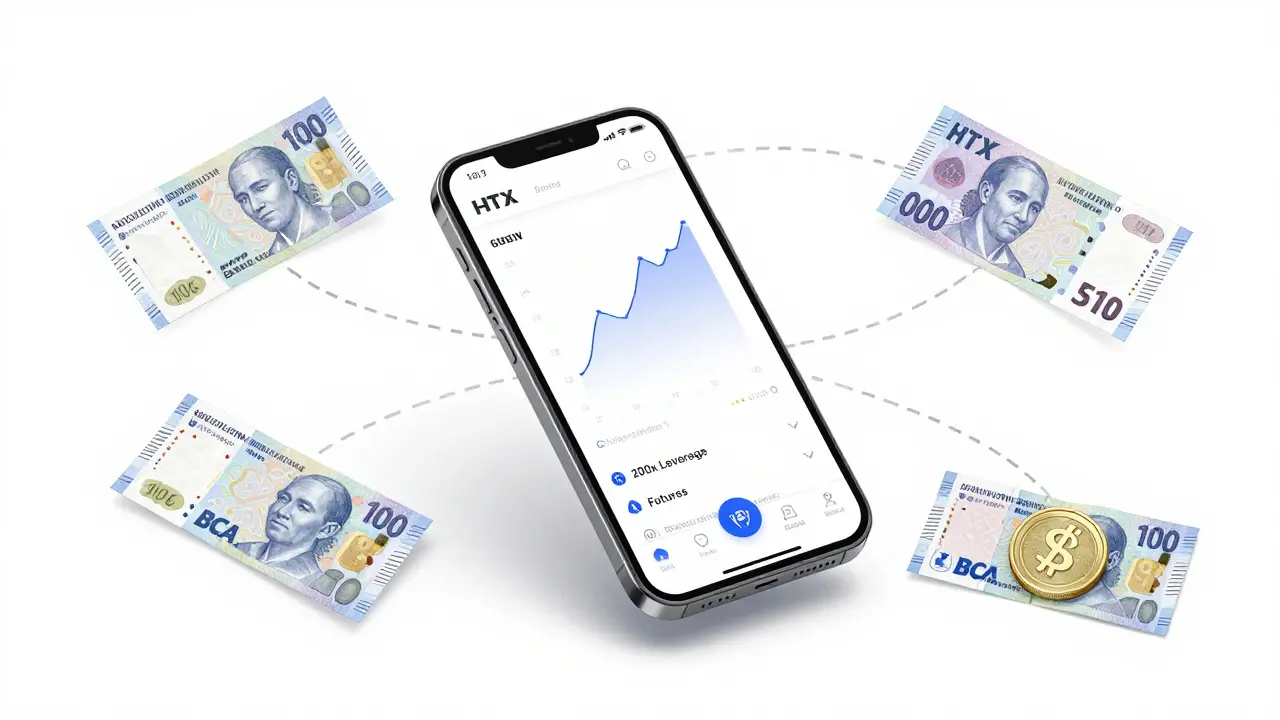
So, you want to trade crypto in Indonesia using HTX (formerly known as Huobi)? It’s a smart question. The platform has been around since 2013, and it still ranks among the top global exchanges by volume. But here is the catch: HTX does not have a direct local license from Indonesia’s commodity futures trading regulatory agency, Bappebti. This changes how you deposit money, how safe your funds are legally, and what kind of support you can expect.
In this review, we cut through the marketing hype. We look at the real costs of moving Rupiah into crypto, the security features that actually matter, and whether HTX is better than local giants like Indodax or Tokocrypto. If you are an experienced trader looking for high leverage, HTX might be your playground. If you are a beginner wanting simple IDR deposits, you might want to think twice.
The Short Version: Is HTX Right for You?
- Best For: Traders who need advanced tools, futures with up to 200x leverage, and access to niche altcoins not found on local exchanges.
- Not For: Beginners who want seamless bank transfers (QRIS/Bank Transfer) directly in IDR without third-party fees.
- Safety Rating: High technical security (proof of reserves), but lower legal protection due to lack of direct Bappebti registration.
- Key Cost: Expect 1.5-2% extra fees when depositing IDR via P2P platforms like Paxful or Binance P2P bridges.
What Happened to Huobi? Understanding the Rebrand
If you’ve been trading for years, you probably know the name Huobi. In September 2023, the company officially rebranded to HTX. This wasn’t just a cosmetic change. It signaled a shift away from its Chinese roots toward a more global, institutional focus. The headquarters remains in Seychelles, with major operational hubs in Hong Kong, Japan, and South Korea.
For Indonesian users, this means the interface, app, and token name changed. The native token went from Huobi Token (HT) to simply HTX Token. While the core engine is the same, the brand positioning is now more aggressive against competitors like Binance and Bybit. When reading older reviews about "Huobi," assume they apply to HTX, but check for updated fee structures, as these often change during rebrands.
Depositing IDR: The Hidden Hurdle for Indonesian Users
This is the biggest pain point for most Indonesians. Unlike Indodax or Pionex’s local partners, HTX does not offer direct fiat on-ramps for Indonesian Rupiah (IDR). You cannot link your BCA, Mandiri, or BNI account directly to buy Bitcoin.
Instead, you have two main options:
- P2P Trading Platforms: Many users bridge their funds using peer-to-peer networks. You might buy USDT on a local P2P platform and transfer it to HTX. However, HTX’s own P2P liquidity for IDR is limited compared to Binance. Often, users report using third-party processors like Paxful or bridging via other exchanges. This adds friction and cost.
- Crypto-to-Crypto Transfers: If you already hold crypto elsewhere, you can send USDT (TRC-20 network recommended for low fees) to your HTX wallet. This is fast and cheap, but it requires you to have crypto first.
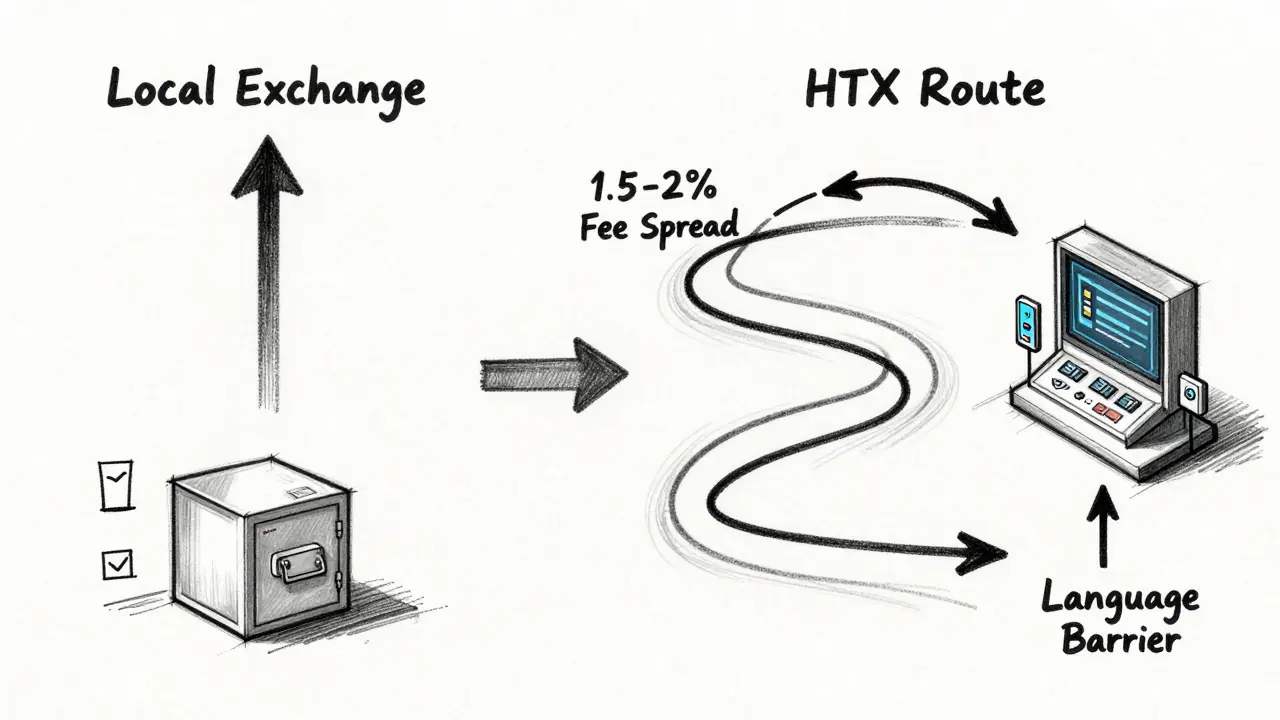
The Cost Reality: Because you aren’t getting a direct bank rate, expect to pay a spread. User reports from early 2025 indicate that effective entry costs can be 1.5% to 2% higher than buying directly on a licensed local exchange. If you are only trading small amounts, these fees will eat your profits quickly.
| Method | Speed | Estimated Fee | Convenience |
|---|---|---|---|
| Direct Bank Transfer (Local Exchanges) | Instant - 1 hr | 0% - 0.5% | High |
| HTX P2P (Limited Liquidity) | 10 mins - 2 hrs | 1% - 2% (Spread) | Medium |
| Crypto Transfer (USDT TRC-20) | 1 - 5 mins | $1 - $2 flat fee | Low (Requires existing crypto) |
Fees and Trading Costs: Where HTX Shines
Once your money is on the platform, HTX becomes much more attractive. The standard spot trading fee is 0.2% for both makers and takers. This is competitive. Compare this to some local exchanges that charge 0.1% maker but 0.2% taker, plus hidden withdrawal fees.
Here is where the HTX Token comes in handy. Holding HTX tokens gives you a permanent discount on trading fees. Unlike some competitors whose discounts expire after a certain period, HTX’s structure allows long-term holders to save consistently. For high-volume traders, this can reduce fees by up to 25%.
Advanced Trading Features:
- Futures Leverage: HTX offers up to 200x leverage on BTC futures. Binance caps out at 125x. If you are a derivatives trader, this is a significant advantage.
- Coin Futures: Trade altcoin pairs directly against each other without converting to USDT first, saving on double conversion fees.
- Copy Trading: Automatically mimic the strategies of successful traders. Good for beginners who don’t want to analyze charts all day.
Security: Proof of Reserves vs. Legal Risk
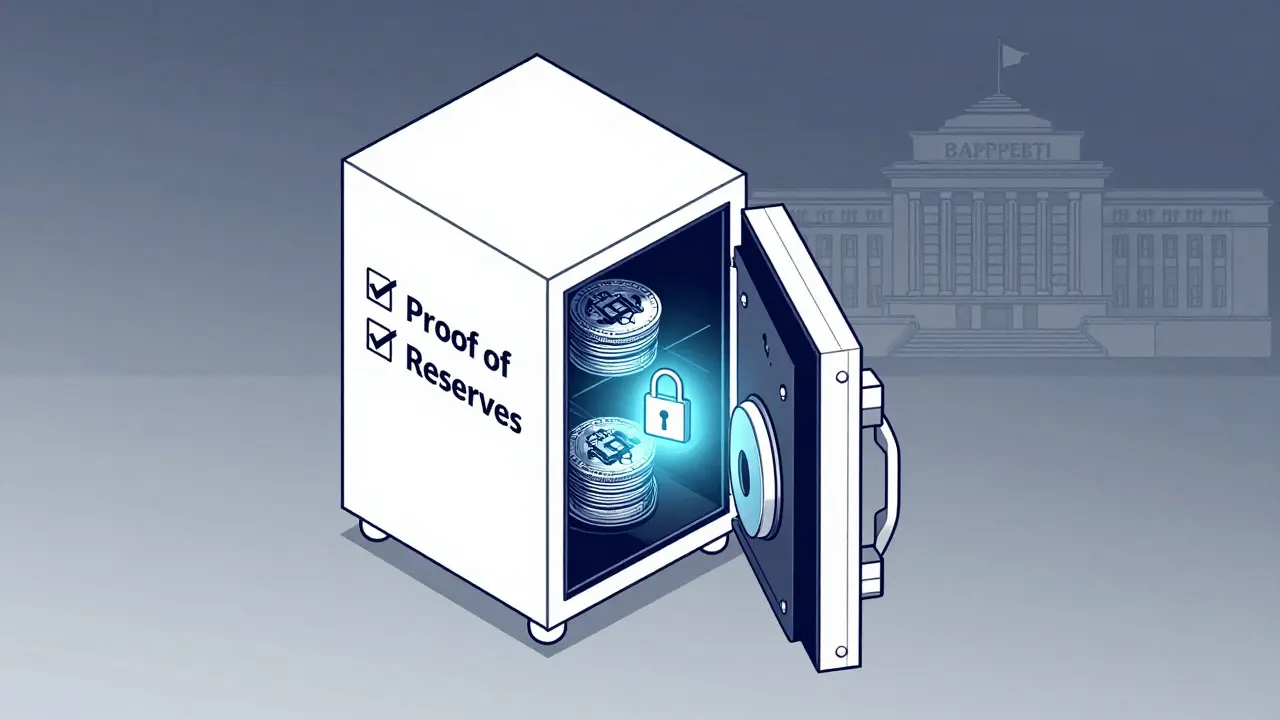
Let’s talk about safety. Technically, HTX is robust. They publish regular Proof of Reserves (PoR) reports, showing they hold at least 1:1 coverage of user assets. Their infrastructure uses multi-signature cold wallets, hot wallets for immediate withdrawals, and multi-factor authentication (MFA).
However, "security" has two parts: technical and legal.
Technical Security: High. No major hacks have compromised user funds in recent years. Their anti-phishing codes and cookie hijacking protections are standard industry best practices.
Legal Security in Indonesia: Low to Medium. Because HTX is not directly registered with Bappebti, you do not have the same legal recourse if something goes wrong. If HTX were to freeze your account or face a regulatory block in Southeast Asia, you cannot sue them in an Indonesian court. Licensed exchanges like Indodax are required to keep client funds in separate accounts within Indonesian banks, offering a layer of local protection that HTX does not provide.
Pro Tip: Never leave large amounts of idle cash on any exchange, especially unregulated ones. Use a hardware wallet like Ledger or Trezor for long-term storage.
User Experience and Support: The Language Barrier
The HTX mobile app (available on iOS and Android) is sleek and powerful. It handles high-frequency trading well and doesn’t lag during volatile markets. However, the learning curve is steep. NFT Evening estimated that beginners need 8-10 hours just to understand the basic interface, and 30+ hours to master futures and copy trading.
Customer Support Struggles:
This is a common complaint across Reddit and Trustpilot. Average response times for email tickets are around 72 hours. Live chat is faster (average 12 minutes), but agents often struggle with complex issues related to Indonesian banking methods because there is no dedicated local team.
Language Support: There is no Bahasa Indonesia support. All help docs, FAQs, and customer service interactions are in English. For tech-savvy users, this is fine. For older generations or those less comfortable with English, this is a major barrier.
Regulatory Landscape: What OJK and Bappebti Mean for You
In April 2025, Indonesia’s Financial Services Authority (OJK) announced stricter oversight of foreign crypto exchanges. The goal is to ensure all platforms serving Indonesian users comply with local anti-money laundering (AML) and know-your-customer (KYC) laws.
Currently, HTX operates in a gray area. They serve Indonesian users but do not hold a direct Bappebti license. They rely on partnerships and offshore entities. While this hasn’t stopped operations yet, it creates risk. If regulations tighten further, HTX could be blocked from processing transactions from Indonesian IP addresses or banks.
Compare this to Tokocrypto, which is fully compliant and partnered with Binance. You get global liquidity with local legal safety. For many conservative investors, this balance is worth the slightly higher fees.
Who Should Use HTX in Indonesia?
Don’t use HTX if:
- You are new to crypto and want a simple "buy with QRIS" experience.
- You prioritize legal protection and want to sleep easy knowing your broker is locally regulated.
- You trade small amounts (under $500) where P2P fees will dominate your returns.
Do use HTX if:
- You are an experienced trader who needs 200x leverage on futures.
- You want access to obscure altcoins listed on HTX but not on Indodax or Tokocrypto.
- You are comfortable managing P2P transfers and understanding the risks of offshore platforms.
- You hold HTX tokens and want to maximize fee discounts.
Is HTX (Huobi) legal in Indonesia?
HTX is not explicitly banned, but it is not directly registered with Bappebti, the Indonesian regulator for crypto commodities. This means you can use it, but you lack the legal protections afforded by locally licensed exchanges like Indodax or Tokocrypto. Use it at your own regulatory risk.
How do I deposit IDR to HTX?
There is no direct bank transfer option for IDR. Most users buy USDT via P2P platforms (like Paxful or Binance P2P) and then transfer the USDT to their HTX wallet using the TRC-20 network for low fees. Alternatively, you can use HTX’s limited P2P marketplace, though liquidity is lower than competitors.
Are my funds safe on HTX?
Technically, yes. HTX publishes Proof of Reserves and uses cold storage wallets. However, legally, your funds are held offshore. If HTX faces insolvency or regulatory action, recovering your funds may be difficult without local legal recourse.
Does HTX have a Bahasa Indonesia app?
No. The HTX app and website are available in English and several other languages, but not Bahasa Indonesia. Customer support also operates primarily in English.
What are the trading fees on HTX?
Standard spot trading fees are 0.2% for both makers and takers. Holding HTX tokens can reduce these fees significantly. Futures trading fees vary by volume tier but are generally competitive for high-leverage traders.