
IP Address Tracking and Geolocation Verification for Crypto Users Explained
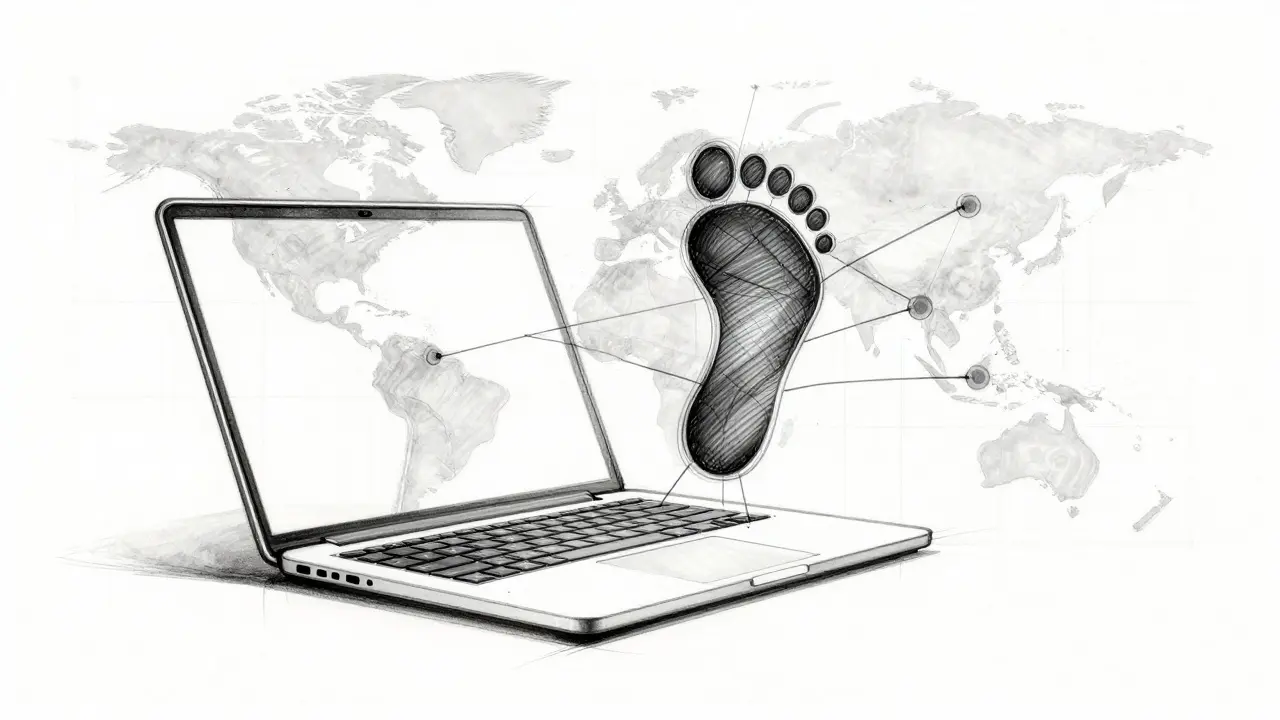
Many people believe that using cryptocurrency makes them invisible. This idea was more common a few years ago when the technology was new and misunderstood. Today, the reality is starkly different. When you send a transaction over a public network, your digital footprint often leaves traces that experts can follow back to your physical location. It isn't just about knowing who sent money; it is about connecting that action to a specific computer and, eventually, a person.
We are living in a time where regulations have tightened significantly across the globe. Governments and financial institutions are closing loopholes that once allowed users to operate in the shadows. If you think your IP address is hidden just because you aren't sharing your name, you might be walking into a trap. Understanding how this tracking works is the first step to protecting yourself legally or maintaining your financial privacy within the bounds of the law.
How Network Surveillance Actually Works
Bitcoin operates on a peer-to-peer network that requires every participant to announce their transactions to nearby nodes.When you broadcast a payment, your software reaches out to random computers running the Bitcoin protocol. These nodes listen for messages to validate them. In doing so, they see two things: the transaction data and the internet address sending it. That address is your IP address, which links your activity to a specific geographic region.
Researchers published findings in 2018 showing that malicious actors can set up thousands of monitoring clients. These clients sit passively on the network, waiting for you to broadcast a transaction. When they see it come through, they record exactly where it originated from. By combining this data with other information, they can create a profile of the user. It is not magic; it is simple networking logic applied at scale.
| Currency Type | Address Visibility | Privacy Mechanism | Tracking Risk |
|---|---|---|---|
| Bitcoin | Fully Public | Minimal (Pseudonymous) | High |
| Monero | Private by Default | Ring Signatures / Stealth Addresses | Low |
| Zcash | Optional Shielding | zk-SNARKs (Proof-based) | Moderate to Low |
This table shows why not all coins treat data the same way. Standard assets like Bitcoin expose the entire history of funds to anyone looking. However, the risk increases if you move those funds into a centralized exchange later. Even if you hide your source, you often reveal your destination.
The Role of Centralized Intermediaries
Most regular users rely on exchanges to buy and sell their digital assets. Companies like Coinbase or Binance require strict Know Your Customer checks before allowing trading. This means your identity is already linked to a wallet address somewhere in their database. If you withdraw funds to a private wallet and then perform an IP-exposing transaction, investigators can cross-reference that wallet with the one registered to your account.
Financial intelligence units now treat these records as high-value targets. They combine KYC logs with blockchain analysis data. Firms like Chainalysis provide software used by banks to flag suspicious flows. If a transaction originates from an IP address in a sanctioned country or matches a pattern associated with fraud, flags are raised immediately. Your physical location becomes less relevant than your connection to regulated entities.
Geolocation Techniques and Limitations
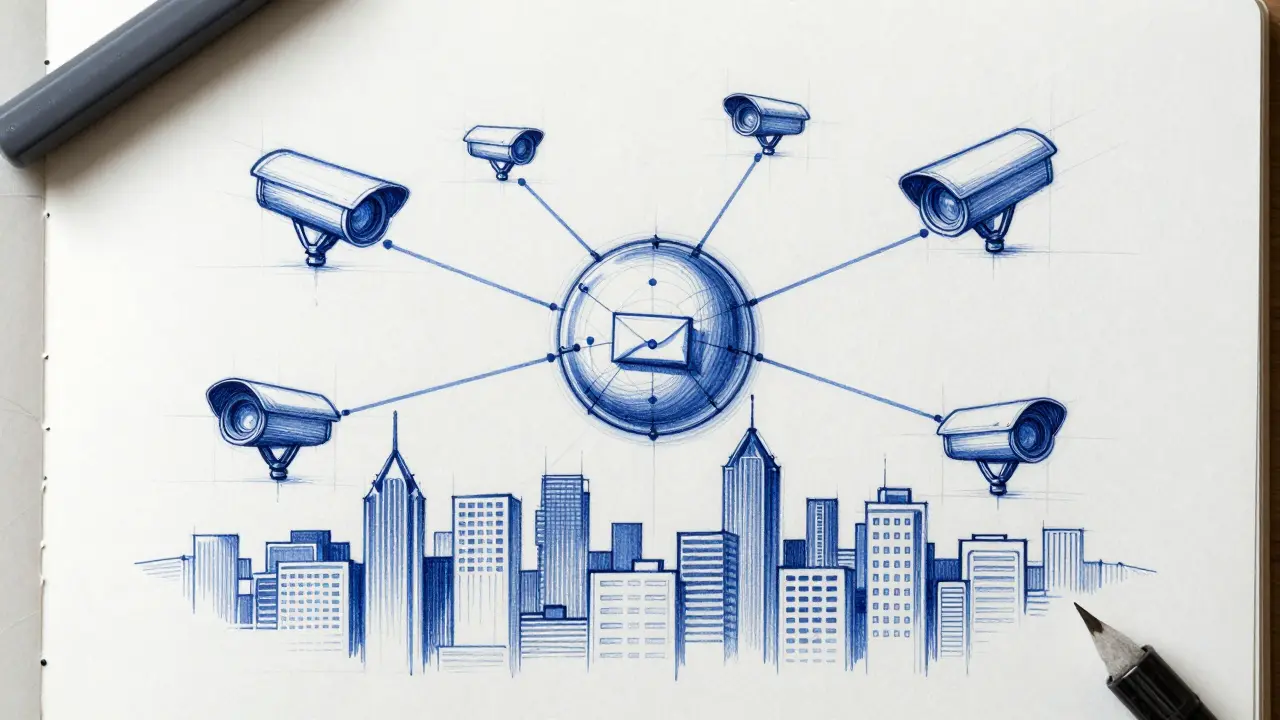
Determining exactly where someone is involves a mix of network routing and geographical databases. Internet Service Providers assign blocks of addresses to specific cities and regions. While this doesn't pinpoint your house, it narrows it down to a neighborhood or ISP. Advanced techniques utilize timestamping to correlate multiple nodes.
- A user connects to several full nodes to broadcast a transaction.
- Malicious nodes intercept the signal and log the source IP.
- Analysts query regional internet registry databases to find the ISP.
- Law enforcement issues warrants to ISPs for subscriber logs based on the IP and timestamp.
This sequence turns an anonymous transaction into a named suspect. The process relies heavily on the assumption that users connect directly to the public network without additional masking layers. It works best against casual users who do not take active steps to secure their network environment.
Countermeasures and Practical Privacy
If you care about keeping your location private, the most effective tool remains the Tor Project network. It routes your traffic through multiple encrypted relays globally. To the outside observer, your request appears to come from a volunteer server in Sweden, Germany, or Argentina, rather than your home in Wellington or anywhere else. Using this for standard browsing is easy, but applying it to cryptocurrency nodes adds complexity.
Many wallets now have built-in options to route connections via Tor. You should enable this setting whenever available. If your wallet does not support it, running your own full node through Tor is the gold standard for privacy. It prevents external entities from seeing your outgoing IP address when you verify or sign transactions.
Virtual Private Networks offer a middle ground. A good VPN provider masks your IP address by replacing it with their own shared address. This hides your general location from prying eyes and stops your ISP from seeing you access crypto protocols. However, it requires trust in the provider. If the VPN logs your activity, they hold the keys to your real identity. Always read the zero-log policies carefully.
Regulatory Restrictions and Risks
In 2026, regulatory bodies are focusing heavily on preventing illicit finance through geolocation verification. New laws mandate stricter reporting for non-KYC services. Some platforms simply block access from certain jurisdictions entirely. If your IP suggests you are in a restricted country, the service may deny you entry regardless of your actual citizenship status.
There are also consequences for ignoring these signals. Attempting to bypass geo-blocking sanctions could lead to asset freezes. Banks increasingly screen crypto-related transactions under anti-money laundering directives. Even accidental exposure of your location to monitoring nodes can trigger automated alerts. Compliance is becoming unavoidable, even for self-custody holders interacting with the broader ecosystem.
Trends Shaping the Future of Anonymity
The industry is moving toward higher levels of integration between traditional banking and digital ledgers. Payment processors are adopting real-time risk scoring that factors in device fingerprinting alongside IP reputation. Privacy coins are facing pressure from exchanges, leading to delistings in Europe and North America. As tools improve, the gap between pseudonymity and full identification continues to shrink.
Can my IP address alone identify me?
An IP address provides a strong starting point, linking you to an ISP and location. Alone, it rarely gives your name, but combined with KYC data or subpoena power, it leads directly to you.
Is Tor necessary for using Bitcoin?
It is highly recommended. Using Tor prevents others from easily logging your IP address when you broadcast transactions to the peer-to-peer network.
Do privacy coins guarantee safety?
Coins like Monero are much harder to track, but errors in setup or mixing transparent funds can compromise anonymity. Total safety depends on correct usage.
Can governments still trace Zcash users?
Yes, if users fail to shield their transactions fully. Studies show a significant portion of Zcash activity remains visible on the transparent ledger due to user error.
How does blockchain forensics link wallets?
Forensics firms analyze spending patterns, timing, and inputs to cluster addresses belonging to the same entity, effectively drawing a map of ownership.
Joshua Aldrich
April 1, 2026 AT 23:19Honestly i thought my ip was safe until i read this article about teh blockchain nodes. Most people do not realize how many eyes are on the public chain even now. You might think hiding your name is enough but the tech connects everything back to your router. I am learning to use a different node setup because of risks mentioned here. Its scary how much data leaks through standard connections without us noticing.
alex rodea
April 2, 2026 AT 14:17This is very important info for everyone to read today. Keep your money safe by checking your settings before you send coin. Privacy is hard but possible if you try the right tools.
Susan Wright
April 4, 2026 AT 01:32Exactly what alex said but i would add that exchanges are the weak link here. Once you buy on a site they have your id tied to the wallet forever. Using a vpn helps mask your location when doing those first deposits. Standard practice is to move funds to a cold storage wallet immediately after purchase. That way the exchange only sees the initial transaction and not the rest of your history. Many security firms recommend this step as part of basic hygiene now.
gladys christine
April 5, 2026 AT 01:05The danger is real and we must act fast
They are watching every single move we make online
Trust no one with your keys
Manisha Sharma
April 6, 2026 AT 01:53Typical fear mongering for gullible fools who do not understand sovereign rights. Our digital borders are being ignored by these globalist protocols yet again. Why do western nations push so hard to track innocent transactions while ignoring their own surveillance state crimes. The anonomity features were designed for freedom not criminal activity. People should stop using centralized platforms and demand better tech for our citizens instead. We will protect our identity from these invasive monitoring systems soon enough.
Suvoranjan Mukherjee
April 7, 2026 AT 17:37Great breakdown of the technical mechanics involved in node broadcasting latency. When we consider the peer selection algorithms utilized by standard clients we see clear vectors for exposure. The metadata inherent in handshake protocols reveals significant geographical markers automatically. Users should definitely consider routing strategies involving onion services to mitigate this attack surface. Network topology changes dynamically but static IP leakage remains a persistent threat vector. I appreciate the detailed table comparing visibility layers across different protocols. It is crucial to understand the pseudonymous nature of UTXO sets in modern architectures.
Bruce Micciulla Agency
April 9, 2026 AT 10:41the reality is far worse than anyone admits because the entire internet infrastructure is built on trust that simply does not exist anymore. you think your isp cares about your anonymity when they hold the subscription logs for decades. investigators just need a warrant to pull those records and suddenly the whole network graph collapses into a single person profile. this article barely scratches the surface of how deep the surveillance goes inside banking rails. financial intelligence units now have automated tools that flag deviations instantly without human review needed. most casual users are completely exposed to this kind of forensic linking without ever knowing it happened. if you care about real privacy then you need to understand that zero log policies are marketing fluff at best.
June Coleman
April 11, 2026 AT 01:52Sure and then theyll arrest us for existing. Great plan lets all get caught by the feds playing hide and seek. I guess running bitcoin through a swamp server in swedish makes us all invisible spies now. Oh wait the logs still show up on the blockchain somewhere. Classic crytpo denialism at its finest really.
Emily 2231
April 11, 2026 AT 08:51its all part of the control grid
they dont want free money
watch what they do next
Robert Coskrey
April 11, 2026 AT 18:07I find the presented information to be both accurate and highly pertinent! It is imperative that we all take note of the risks outlined herein?? One must surely acknowledge the gravity of the situation facing digital asset holders!!! Proper precautions are indeed necessary to maintain safety standards!!!!
JERRY ORTEGA
April 12, 2026 AT 18:20just saying that people need to chill and read the basics first
tor works fine for most stuff
dont stress too much about small transfers
shubhu patel
April 13, 2026 AT 00:56We must remain respectful of the rules while trying to keep our personal data secure in this changing landscape. It is quite remarkable how the technology has evolved to the point where location can be inferred from mere packet headers alone. Many individuals may not fully grasp the implications of connecting directly to untrusted peers on a public ledger. There are certainly ways to obscure one identity but none are guaranteed against state level resources investigating specific targets. We should encourage education rather than panic when it comes to these regulatory changes affecting the market globally. The path forward requires caution combined with smart architectural choices for storing value effectively.
Brooke Herold
April 14, 2026 AT 12:43I rarely post but this hits home regarding the banking links section.
sekhar reddy
April 16, 2026 AT 10:12OMG the scum bag goverments are trying to stop us lol
you people need to wake up to the REALITY OF IT ALL!
my brother lost money because they traced his IP
this is why we cant trust ANYONE online anymore!
Trish Swanson
April 18, 2026 AT 06:33Tor is the only real shield left!
Suzanne Robitaille
April 19, 2026 AT 02:23It is truly fascinating how the invisible hands guide us toward transparency eventually. We stand at a crossroads where privacy becomes a luxury item rather than a right. Friends should look at the table comparisons seriously before sending large sums.
Adriana Gurau
April 19, 2026 AT 06:40Boring lecture for clueless normies who fail to grasp advanced concepts :rolleyes: Only geniuses avoid getting flagged like this. Dont bother explaining more to the sheep. They will never understand high level math anyway. 😒
Arlen Medina
April 20, 2026 AT 09:16Ive been dealing with this stuff for years and let me tell ya it gets messy quick. The govts got their fingers in every cookie jar including your browser traffic logs. Just because you think ur hidden doesnt mean the dns requests stay private too.
Nicholas Whooley
April 21, 2026 AT 08:26Please remember that compliance protects everyone in the long run actually. We can find a happy medium between security and privacy for future generations to enjoy. It is wonderful how technology continues to bring opportunities despite challenges.
Diana Martín Prieto
April 22, 2026 AT 05:25I think we should all focus on setting up proper firewalls instead of panicking. Sometimes small steps add up to big changes in safety posture overall. Maybe we can share tips later?
Evan Borisoff
April 23, 2026 AT 09:52The geopolitical implications of widespread geolocation tracking extend far beyond simple transaction records or individual privacy concerns as many seem to believe initially. You must realize that every node connection creates a distinct footprint that law enforcement agencies can aggregate over time systematically. People underestimate how easy it is to correlate traffic timing with known broadcast intervals on the p2p mesh network today. Government entities utilize sophisticated software that scans for anomalies in outbound data streams matching sanctioned jurisdictions specifically. If a user fails to implement layered encryption protocols their physical residence becomes visible within minutes of initiating a payment request. Centralized exchanges serve as the primary choke point for identifying the owners of otherwise pseudonymous address clusters clearly. Forensic analysts employ heuristic clustering methods that link multiple seemingly unrelated inputs to a single entity based on change address usage patterns. Regulatory bodies are tightening definitions around beneficial ownership to ensure full disclosure during any audit process conducted subsequently. Banks screen incoming funds for traceability flags which triggers automatic reporting requirements under current anti-money laundering directives. This means your location data is effectively shared with international databases without you even realizing the transfer occurred legally. Ignoring these risks assumes a level of technological illiteracy that simply does not apply to modern digital forensics capabilities anymore. Self-custody solutions offer partial protection but require constant maintenance of node configurations to avoid accidental leaks. VPN providers are frequently pressured to surrender logs under court orders issued by domestic security authorities acting swiftly. Relying solely on public lists of safe routes leaves vulnerabilities that determined adversaries can exploit through targeted probing attempts. Advanced tracing involves correlating metadata across multiple protocols simultaneously to triangulate precise locations regardless of proxy chains. We must acknowledge that absolute invisibility is functionally impossible in a fully regulated environment where compliance is mandatory.