Is Oswap Crypto Exchange Real? Scam Alert & Safe Alternatives
Have you seen ads for a platform called Oswap promising massive returns on your cryptocurrency investments? If so, stop scrolling and take a deep breath. There is no legitimate, regulated cryptocurrency exchange known as "Oswap" in the global financial market. This name is likely being used by scammers to trick you into sending money to a fake wallet or phishing site.
I’ve spent years analyzing crypto trends from my desk in Wellington, and I see this pattern constantly. Bad actors create names that sound similar to trusted brands or use generic terms like "Swap" to appear legitimate. They promise easy profits, then disappear with your funds. Before you lose any money, it is crucial to understand why this platform does not exist and how to protect yourself from these sophisticated traps.
The Truth About the "Oswap" Name
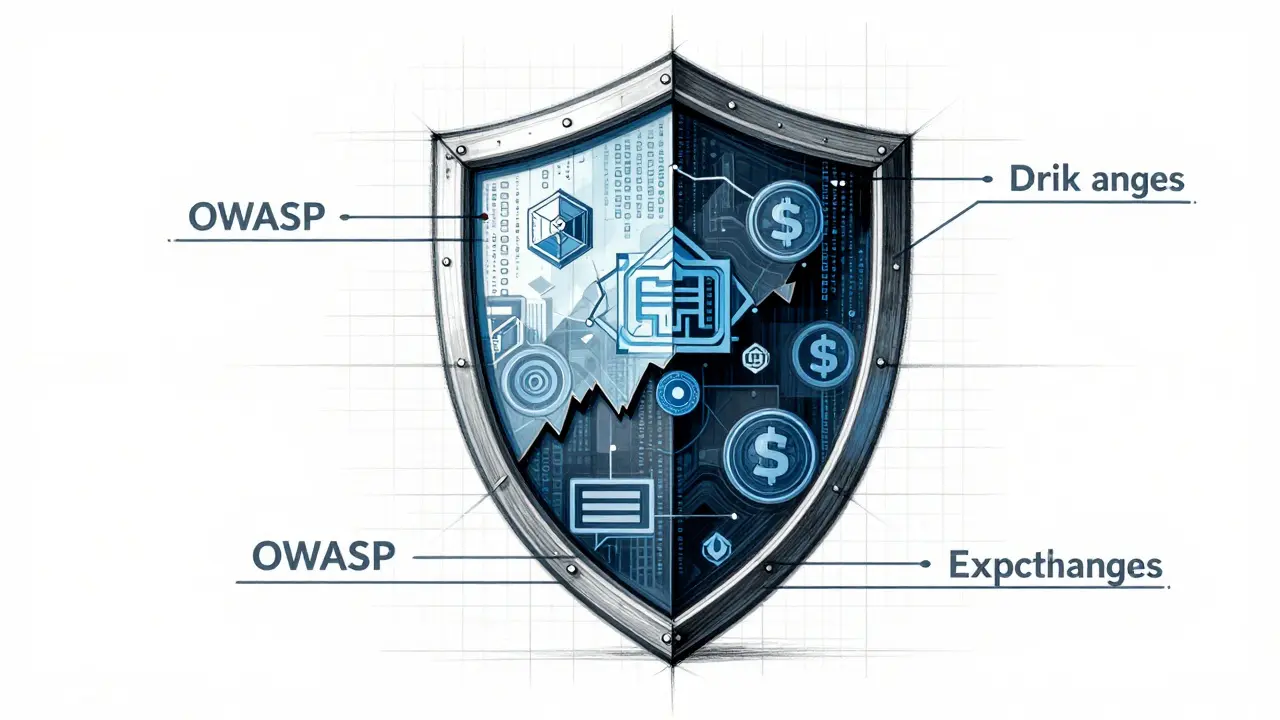
You might be confused because the name sounds familiar. It is phonetically very similar to OWASP, which stands for the Open Web Application Security Project. OWASP is a respected non-profit foundation established in 2001 by Mark Curphey. They do not run a crypto exchange. Instead, they create security standards to help developers build safer software.
Scammers often exploit this confusion. They know people hear about OWASP in tech circles and assume it is related to secure digital transactions. By naming their fake platform "Oswap," they hope you will associate them with security and trust. In reality, OWASP focuses on preventing vulnerabilities like injection attacks and cryptographic failures. They have nothing to do with trading Bitcoin or Ethereum.
If you search for "Oswap crypto exchange review," you will find almost no credible information from reputable sources like CoinMarketCap, CoinGecko, or major financial news outlets. Legitimate exchanges are listed on these platforms. The absence of such listings is a massive red flag. A real exchange has a verifiable history, regulatory licenses, and a transparent team. Oswap has none of these.
How Crypto Scams Like Oswap Work
Fake exchanges operate using a predictable script designed to exploit greed and urgency. Here is how the trap usually springs:
- Social Media Ads: You see an ad on Instagram, TikTok, or YouTube featuring a celebrity or influencer claiming they made thousands using Oswap. These endorsements are almost always fake or unauthorized.
- Fake Websites: The link leads to a website that looks professional. It mimics the design of top exchanges like Binance or Coinbase. However, the URL is slightly different, often using misspellings or strange domain extensions.
- The Hook: You deposit small amounts, and the site shows fake profits growing in your account. You can even withdraw a tiny amount to build trust. This is bait.
- The Trap: When you try to withdraw larger sums, the site claims you need to pay a "tax," "verification fee," or "security deposit." Once you send this money, the support team disappears, and your initial investment vanishes.
This is not just a theoretical risk. According to data referenced in security reports, blockchain incidents and scams have caused billions in losses globally. The Web3HackHub database documented over $3.8 billion in total losses from blockchain incidents through 2024. Much of this loss comes from users interacting with unverified platforms.
Why Verification Matters More Than Promises
In the world of cryptocurrency, trust is earned through transparency, not marketing slogans. Legitimate exchanges undergo rigorous audits and comply with international regulations. For example, exchanges operating in New Zealand must register with the Financial Markets Authority (FMA). Those in the US must comply with SEC and CFTC rules. European exchanges follow MiCA regulations.
A quick check reveals that Oswap is not registered with any of these bodies. Without regulatory oversight, there is no recourse if you lose your money. Your funds are not protected by insurance schemes like FDIC or FSCS. They are simply gone.
Furthermore, look at the technology behind the scenes. Secure platforms use advanced encryption and multi-factor authentication. They adhere to standards like those promoted by OWASP. For instance, the OWASP Top 10 list highlights critical risks like Cryptographic Failures. A real exchange ensures passwords are hashed securely and private keys are stored in cold storage. Fake sites like Oswap often store your credentials in plain text or steal them directly upon login.
Safe Alternatives: Where to Actually Trade
If you want to trade cryptocurrency safely, stick to well-established platforms with proven track records. Here are some reliable alternatives depending on your location and needs:
| Feature | Legitimate Exchanges (e.g., Coinbase, Binance) | Fake Platforms (e.g., Oswap) |
|---|---|---|
| Regulation | Licensed by FMA, SEC, or equivalent | No registration; anonymous owners |
| Security | Cold storage, 2FA, regular audits | Weak encryption, potential data theft |
| Reputation | Listed on CoinMarketCap, positive reviews | No independent reviews, only paid ads |
| Withdrawals | Instant or fast processing without extra fees | Blocked withdrawals, demands for more fees |
| Support | Responsive customer service via chat/email | Bots or silence after payment |
For users in New Zealand, platforms like KuCoin, Binance, and local brokers like Simplex offer secure entry points. Always verify the URL carefully. Phishing sites often use URLs like `oswap-official.com` or `oswap-trading.net`. The real deal would be `oswap.com`, but even then, if the company doesn't exist, the domain is worthless.

Protecting Yourself With Security Standards
You don’t need to be a coder to stay safe. Understanding basic security principles can save you thousands. The OWASP Blockchain AppSec Standard, launched in 2022, provides guidelines for securing blockchain applications. While this is technical guidance for developers, the core lesson for users is simple: if a platform doesn’t prioritize security, it’s not for you.
Look for these signs of a secure exchange:
- Two-Factor Authentication (2FA): Never use SMS-only 2FA. Use an authenticator app like Google Authenticator or Authy.
- Cold Storage Policy: Reputable exchanges keep most user funds offline in cold wallets, inaccessible to hackers.
- Clear Fee Structure: Hidden fees are a hallmark of scams. Legitimate exchanges list trading, withdrawal, and deposit fees clearly.
- Community Presence: Check Reddit, Twitter, and Discord. Are real users discussing issues and solutions? Or is the community silent?
If you suspect you have already interacted with Oswap, act immediately. Disconnect your device from the internet, change all passwords, and enable 2FA on your other accounts. If you sent crypto, consider contacting a forensic investigator, though recovery is rarely possible. Report the incident to your local cybercrime unit.
Final Thoughts on Staying Safe
The crypto space is full of innovation, but it is also rife with deception. Names like Oswap are designed to blur the lines between legitimate services and fraudulent schemes. By understanding that Oswap is not a real exchange and learning to spot the warning signs, you protect your hard-earned money.
Remember, if an opportunity sounds too good to be true, it almost certainly is. Stick to regulated platforms, educate yourself on security standards like those from OWASP, and never rush into investing based on social media hype. Your financial safety depends on your vigilance.
Is Oswap a legitimate cryptocurrency exchange?
No, Oswap is not a legitimate cryptocurrency exchange. There is no record of a regulated platform by this name. It is likely a scam designed to steal funds or personal information.
What is the difference between Oswap and OWASP?
OWASP (Open Web Application Security Project) is a non-profit organization that creates security standards for software. Oswap is a fake name used by scammers. They are unrelated, but scammers use the similar name to confuse victims.
How can I tell if a crypto exchange is a scam?
Check for regulatory licenses, independent reviews, and transparent fee structures. If the exchange promises guaranteed high returns, requires upfront fees for withdrawals, or lacks a physical address, it is likely a scam.
What should I do if I sent money to Oswap?
Immediately disconnect from the internet, change your passwords, and contact your bank or wallet provider. Report the fraud to local authorities and cybercrime units. Recovery is difficult, but reporting helps prevent others from being victimized.
Are there safe alternatives to Oswap?
Yes, use well-known, regulated exchanges like Coinbase, Binance, Kraken, or local providers in your country. Always verify the platform’s legitimacy through official regulatory registries before depositing funds.
![KangarooCake (KCAKE) Airdrop: Is It Real or a Scam? [2026 Guide]](/uploads/2026/06/kangaroocake-kcake-airdrop-is-it-real-or-a-scam-2026-guide.webp)