
Legal Status of Cryptocurrencies in Iran: Mining, Trading, and New Tax Rules
For years, the question of whether you could legally buy or mine Bitcoin in Iran felt like a game of Russian roulette. You knew the government hated it, but you also saw thousands of people doing it anyway. That ambiguity ended in early 2025. The rules are no longer vague whispers; they are written down, enforced, and changing fast. If you are looking to operate in this space, understanding the current legal landscape is not just about avoiding jail time-it’s about staying profitable in one of the world’s most unique crypto ecosystems.
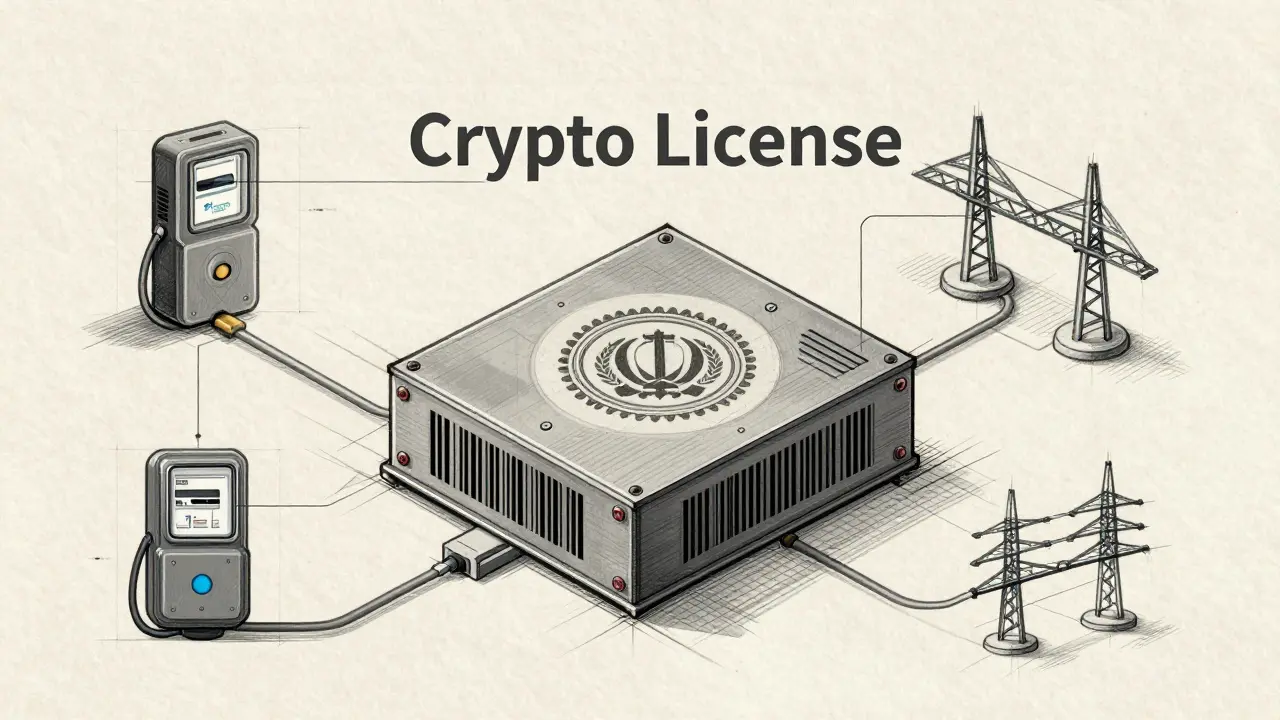
The short answer? Yes, cryptocurrency is legal in Iran, but with heavy strings attached. The Central Bank of Iran (CBI) is the sole regulatory authority for all digital asset activities, holding absolute power over who can trade, mine, or hold crypto. They have moved from a stance of silent tolerance to active control. This means if you are mining, trading, or running an exchange, you need a license. If you don’t have one, you are operating illegally, and the government has shown it is willing to shut you down-and seize your hardware.
How the Regulatory Framework Works Today
To understand where things stand in mid-2026, we have to look at the major shift that happened in January 2025. Before this, the regulation was fragmented. Different ministries gave conflicting signals. But President Masoud Pezeshkian issued a directive that changed everything. He designated the CBI as the single point of authority for what locals call "ramzpol" (digital currency).
This wasn't just paperwork. It created a strict hierarchy. Here is how the system works for different players:
- Miners: You must get a license from the Ministry of Industry, Mine and Trade. You cannot just plug in ASICs and hope for the best. Your electricity tariff is pegged to export prices, meaning you pay much more than the subsidized domestic rate. This was done to stop miners from draining the national power grid.
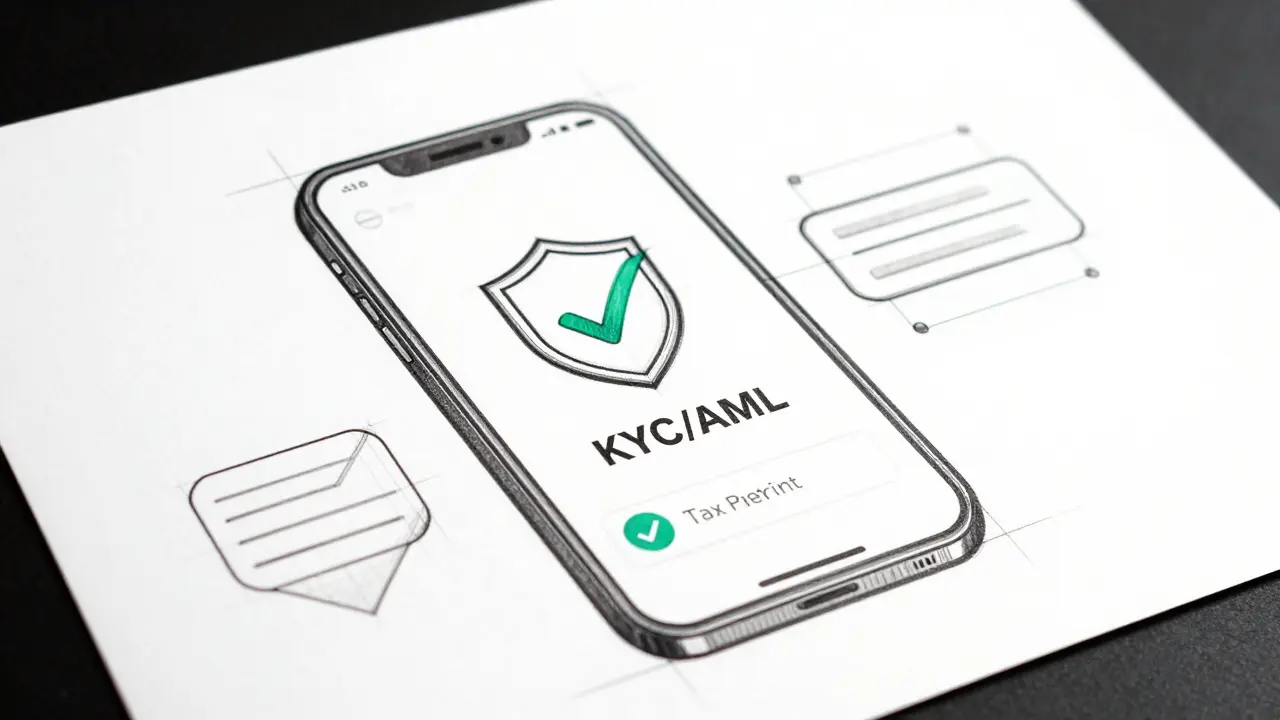
- Traders and Exchanges: All platforms must be licensed by the CBI. They must implement strict Anti-Money Laundering (AML) and Know Your Customer (KYC) protocols. Transactions must happen through designated rial accounts approved by the central bank.
- Individual Investors: While individuals can own crypto, buying and selling should ideally go through these regulated channels to ensure transparency. However, peer-to-peer (P2P) activity remains common, though it exists in a gray area regarding full compliance.
The goal here is clear: the government wants to capture value. By forcing legal miners to sell their output to the CBI through the National Iranian Money Changer Association (NIMA) system, the state ensures it gets revenue from the boom. At the same time, they try to prevent capital flight and sanctions evasion. It is a balancing act between economic necessity and political control.
The Mining Sector: Legalization vs. Reality
Mining is the heart of Iran's crypto story. In 2019, the government legalized mining to bring underground operations into the light. Why? Because illegal farms were causing blackouts. Fast forward to 2025 and 2026, and the situation is mixed.
On paper, progress looks good. By mid-2025, Iran had issued over 1,000 licenses to mining operations. These legal farms use government-approved hardware and pay higher electricity rates. They are monitored closely. The Ministry of Energy sets consumption limits to protect the grid. If you exceed them, you face penalties.
But here is the catch: experts estimate that around 95% of mining activity in Iran still operates illegally. How is that possible? Because the cost of legal electricity, even at the higher miner rate, is often still lower than in Europe or North America. Plus, the bureaucracy to get a license is tough. So, many operators stay off the grid-literally. They use stolen power, private generators, or bribe officials to ignore their usage.
The government knows this. In August 2025, they launched a crackdown program encouraging citizens to report illegal mines. Mostafa Rajabi Mashhadi, CEO of the Regulatory and Supervision Department of the Ministry of Energy, oversaw this initiative. The results were visible: they dismantled about 100 unauthorized farms and seized over 250,000 mining devices. But catching everyone is nearly impossible when the incentive to mine is so high.
| Feature | Legal Mining Operations | Illegal Mining Operations |
|---|---|---|
| Licensing | Required from Ministry of Industry | None |
| Electricity Cost | Pegged to export prices (higher) | Subsidized domestic rates or stolen power |
| Hardware | Government-approved models only | Any available hardware |
| Sales Channel | Must sell via NIMA system to CBI | Free market/P2P exchanges |
| Risk | Tax audits, consumption limits | Seizure of equipment, fines, shutdown |
Trading, Taxes, and the Rise of Nobitex
If you are not mining, you are likely trading. And for traders, the biggest news of late 2025 was the introduction of taxes. For years, crypto profits flew under the radar. That changed in August 2025 with the enactment of the Law on Taxation of Speculation and Profiteering. This marked Iran’s first official capital gains tax on cryptocurrency.
Crypto is now treated like gold, real estate, or forex. If you make money, you owe the government a cut. The implementation started in phases during Q3 2025. This means exchanges like Nobitex is Iran's largest cryptocurrency exchange, handling the majority of local trading volume have to report user data to the tax authorities. Nobitex has dominated the market, processing 87% of the volume in earlier years, and it maintained that lead in 2025 despite overall market declines. Using a regulated exchange helps you comply with these new tax laws, but it also means your transactions are fully transparent to the state.
Total crypto flows in Iran hit about USD 3.7 billion between January and July 2025. That’s an 11% drop from the previous year. Why the decline? Partly because of stricter regulations, partly because of global market conditions, and partly because of external pressure. When Tether froze addresses linked to Iran in July 2025, it caused panic. Users rushed to offload USDT. Many switched to DAI on the Polygon network to keep their liquidity safe. This showed how fragile the ecosystem can be when global stablecoin issuers enforce sanctions.
Sanctions Evasion and Geopolitical Risks
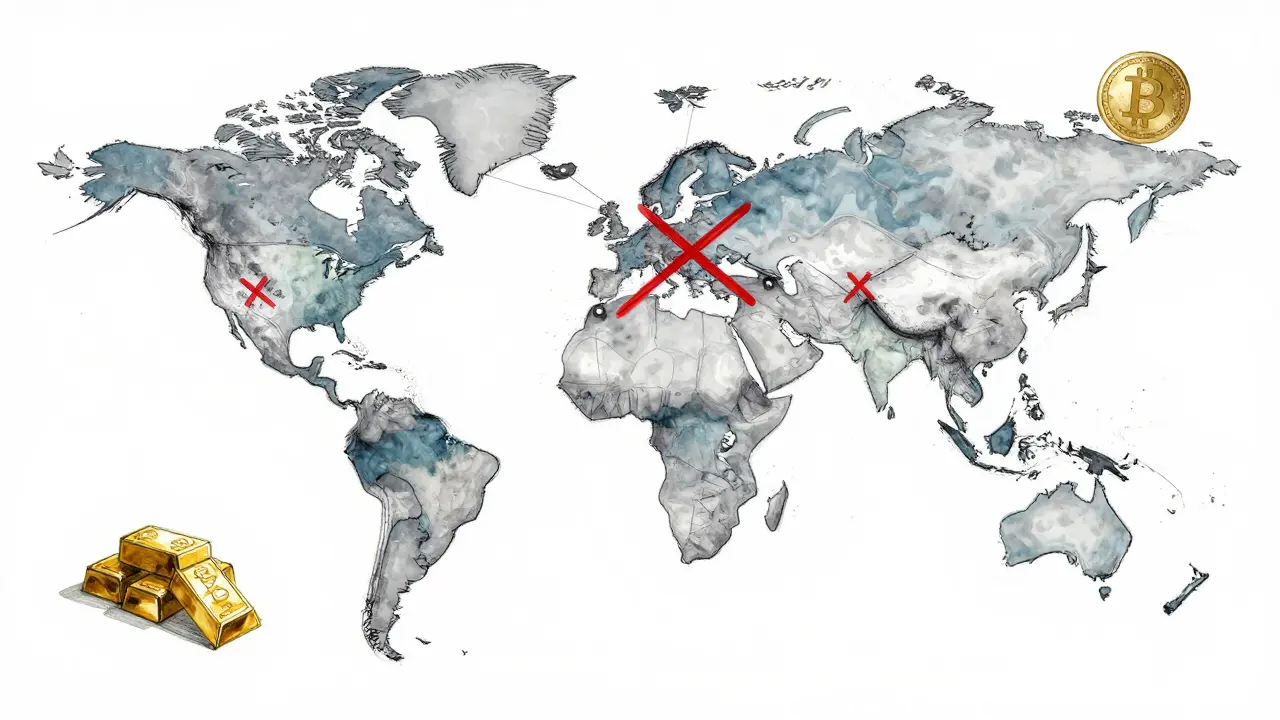
We cannot talk about Iran’s crypto status without mentioning sanctions. The West has sanctioned Iran heavily, cutting it off from the traditional banking system. Crypto offers a way around this. The Iranian government has reportedly explored using crypto for international trade settlements. There were talks in 2023 about allowing companies to pay for imports with Bitcoin. Later, reports emerged of collaboration with Russia on a gold-backed stablecoin for cross-border payments.
However, the risk is real. TRM Labs’ analysis in December 2025 noted that while illicit transactions at Iranian exchanges made up only 0.9% of total activity, the threat of being flagged is constant. If your wallet is linked to sanctioned entities, you could lose access to global services. This is why the push toward local, regulated exchanges like Nobitex makes sense for everyday Iranians-they want to hedge against inflation, not evade sanctions. But for businesses trying to move large sums internationally, the line is thin and dangerous.
What This Means for You
If you are an ordinary Iranian citizen, crypto remains a vital tool. With inflation eating away at the rial, holding Bitcoin or stablecoins feels like insurance. Just remember: keep your records straight. The new tax laws mean the government can ask where your profits came from. Use licensed exchanges to minimize risk.
If you are a foreign investor or business looking to engage with Iran, proceed with extreme caution. The regulatory framework is tight, but enforcement can be arbitrary. The CBI has unrestricted access to all data. Do not assume anonymity exists. Any attempt to bypass sanctions using crypto will likely result in frozen assets and legal trouble both in Iran and abroad.
The era of the wild west is over. Iran has built a cage for its crypto industry. Inside the cage, there is opportunity-but you must follow the keeper’s rules.
Is Bitcoin legal in Iran in 2026?
Yes, owning and trading Bitcoin is legal in Iran, provided you do so through regulated channels. The Central Bank of Iran (CBI) oversees all activities. However, using crypto to evade international sanctions is illegal and heavily penalized.
Do I need a license to mine crypto in Iran?
Yes. Since 2019, mining requires a license from the Ministry of Industry, Mine and Trade. Unlicensed mining is illegal, and the government actively seizes unauthorized equipment. Legal miners must pay higher electricity rates and sell their output through state-approved systems.
Are there taxes on cryptocurrency profits in Iran?
Yes. As of August 2025, Iran imposes a capital gains tax on cryptocurrency trading under the Law on Taxation of Speculation and Profiteering. Traders must report profits, and exchanges are required to share data with tax authorities.
Which crypto exchange is most popular in Iran?
Nobitex is the dominant platform, handling the vast majority of local trading volume. It is compliant with CBI regulations, making it the safest option for users who want to adhere to local laws and tax requirements.
Can foreigners invest in Iranian crypto markets?
It is highly risky. Due to international sanctions, foreign entities face significant legal hurdles. Engaging in crypto transactions with Iranian parties can lead to asset freezes and legal action in Western jurisdictions. The CBI also strictly monitors all transaction data.