
LocalBitcoins Review 2026: Is It Dead, and Where Should You Trade Now?

Remember the days when you could buy Bitcoin from a neighbor using cash, protected by an escrow service that felt like a digital handshake? That was LocalBitcoins, the world's largest peer-to-peer Bitcoin marketplace before its shutdown in 2023. For over a decade, it was the go-to platform for millions of users who wanted privacy, flexibility, or simply needed to bypass restrictive banking systems. But if you are looking at this review today, July 8, 2026, you might be wondering: is LocalBitcoins still alive? Can I still trade there?
The short answer is no. The long answer is more complicated. LocalBitcoins ceased new trading operations in February 2023 due to crushing regulatory pressure, specifically the European Union’s MiCA (Markets in Crypto-Assets) regulatory framework governing cryptocurrency services in Europe. While the website technically remained online for withdrawals until mid-2025, the era of LocalBitcoins as a vibrant trading hub is over. This review isn't just about what went wrong; it’s about understanding why LocalBitcoins mattered, how it worked, and most importantly, where you should go now to achieve similar results without getting your funds stuck in a zombie platform.
The Rise and Fall of the "Craigslist for Bitcoin"
To understand why LocalBitcoins disappeared, we have to look at what made it unique. Founded in 2012 by Jeremiah Kangas in Finland, LocalBitcoins didn’t act like a traditional exchange such as Coinbase or Binance. It wasn’t a bank holding your money. Instead, it functioned as a matchmaking service. Think of it like eBay, but for cryptocurrency. Buyers and sellers posted offers, negotiated prices, and transferred funds directly between each other. LocalBitcoins provided the infrastructure-specifically, the escrow system-to ensure neither party got scammed.
This model was revolutionary because it democratized access to Bitcoin. In countries with unstable currencies or strict capital controls, like Venezuela, Nigeria, or Argentina, LocalBitcoins was often the only reliable way to enter the crypto market. At its peak in 2021, the platform processed approximately $3.2 billion in quarterly trading volume across 1.7 million active users. It operated in 248 countries and supported over 120 fiat currencies. For many, it wasn’t just an app; it was financial lifeline.
However, this very strength became its weakness. By facilitating direct transactions between individuals, LocalBitcoins sat in a gray area of global finance. Governments love transparency, and P2P trading is inherently opaque. As regulations tightened worldwide, particularly after the implementation of KYC (Know Your Customer) laws in 2019, LocalBitcoins had to abandon its roots as a privacy-focused platform. It began requiring identity verification for all users, alienating the privacy advocates who had been its early adopters. The final blow came from MiCA, which demanded compliance levels that a decentralized marketplace found impossible to maintain profitably. On February 9, 2023, LocalBitcoins announced it would stop accepting new registrations and wind down operations.
How LocalBitcoins Worked (And Why It Was Safe)
If you were new to the platform, the first thing you noticed was the complexity. Unlike modern exchanges that offer one-click buys, LocalBitcoins required you to understand the mechanics of P2P trading. Here is how the process typically unfolded:
- Finding an Offer: You searched for Bitcoin (BTC), Ethereum (ETH), or Litecoin (LTC) and filtered by your preferred payment method (bank transfer, PayPal, Western Union, etc.) and location.
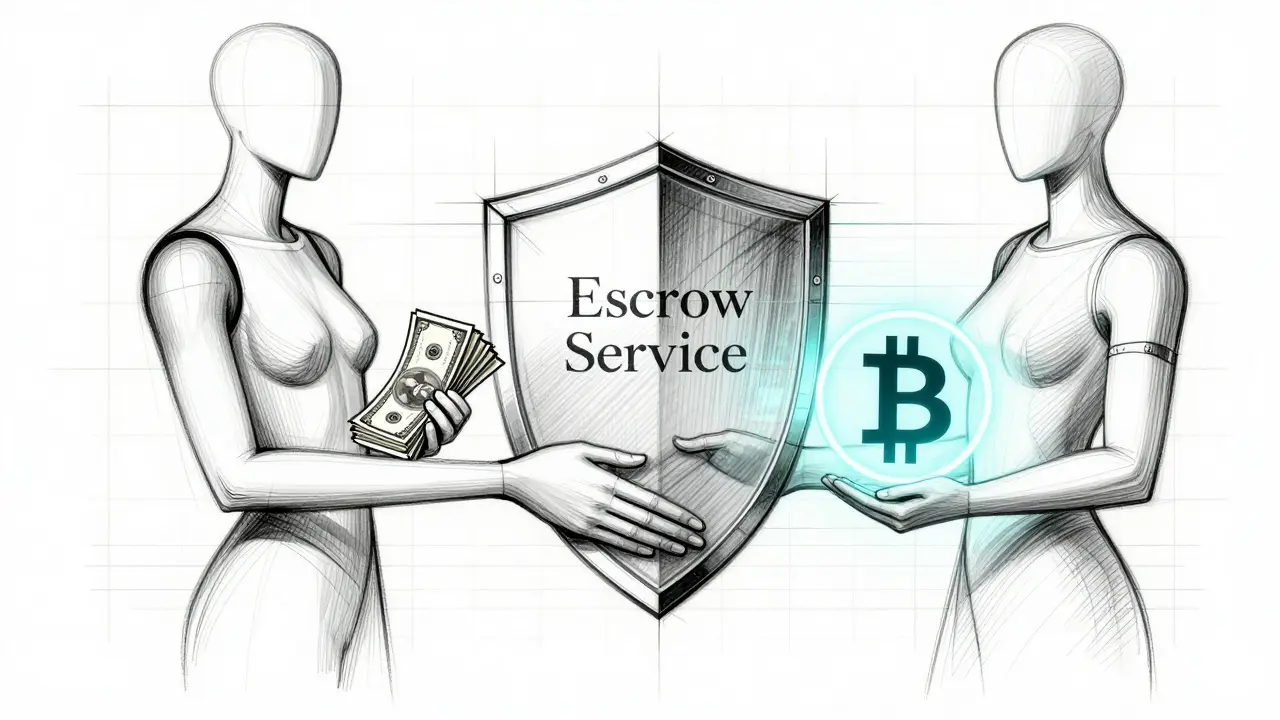
- Placing an Order: You clicked on a seller’s offer and entered the amount you wanted to buy. The platform locked the seller’s Bitcoin into an Escrow Service a secure holding account that protects both buyer and seller during a transaction.
- Making Payment: You sent the fiat currency directly to the seller via the agreed-upon method. Crucially, you did not send money to LocalBitcoins.
- Confirmation: Once the seller confirmed they received the funds, they released the Bitcoin from escrow to your wallet.
- Dispute Resolution: If something went wrong-for example, the seller claimed they didn’t receive payment-the dispute team stepped in to review evidence and decide who kept the funds.
The safety of this system relied heavily on two features: the reputation system and the escrow mechanism. Every trader had a public profile showing their transaction history, average response time, and completion rate. A seller with 1,000 trades and a 99% completion rate was far safer than someone with zero history. The escrow service meant that even if a seller tried to scam you, your Bitcoin was safe until they confirmed receipt of payment. Conversely, buyers couldn’t claim they paid when they hadn’t, because the seller held the proof of transfer.
Despite these safeguards, risks existed. Phishing scams were common, with fake support emails tricking users into revealing login details. Additionally, the manual nature of disputes meant resolution times averaged 7 to 14 days, which could be stressful for large transactions. Security features like Login Guard (which required email verification for new devices) added layers of protection but occasionally locked legitimate users out of their accounts for up to 48 hours.
Why LocalBitcoins Shut Down: The Regulatory Squeeze
The closure of LocalBitcoins wasn’t due to a hack or poor management. It was a casualty of evolving global finance laws. For years, P2P platforms operated with minimal oversight. But as cryptocurrencies gained mainstream adoption, governments realized they needed control over anti-money laundering (AML) and counter-terrorism financing (CTF).
In 2019, LocalBitcoins introduced mandatory KYC checks. Users had to upload government IDs and selfies to verify their identities. This move increased trust but reduced anonymity. Then came the regional bans. New York State banned LocalBitcoins in 2018 because it refused to obtain a BitLicense, arguing that as a non-custodial platform, it shouldn’t need one. Other jurisdictions followed suit.
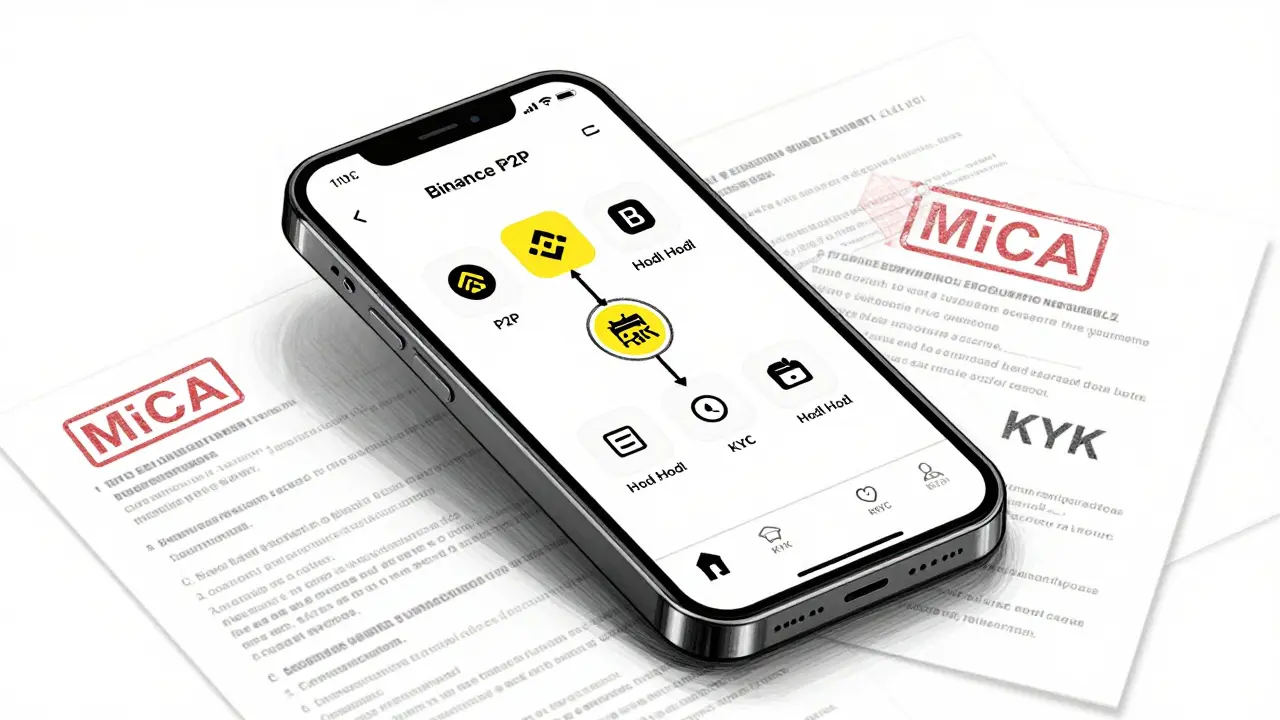
The decisive factor was MiCA, the EU’s comprehensive crypto regulation package. MiCA imposes strict operational requirements on all crypto asset service providers, including robust auditing, consumer protection standards, and continuous monitoring of transactions. For a platform connecting millions of individual traders globally, complying with every local jurisdiction’s interpretation of MiCA was financially unsustainable. The cost of legal compliance outweighed the revenue from transaction fees. Thus, in early 2023, the company made the pragmatic decision to shut down rather than risk massive fines or criminal liability.
LocalBitcoins vs. Modern Alternatives: What’s Left?
With LocalBitcoins gone, where do you go? The landscape has shifted. Dedicated P2P marketplaces still exist, but they operate under stricter rules. Here is how the current options compare to the old LocalBitcoins experience.
| Platform | Type | KYC Requirement | Privacy Level | Best For |
|---|---|---|---|---|
| Binance P2P | Hybrid (CEX + P2P) | Mandatory | Low | High-volume traders, ease of use |
| Bybit P2P | Hybrid (CEX + P2P) | Mandatory | Low | Crypto natives, diverse altcoins |
| Remitano | Pure P2P Marketplace | Mandatory | Medium | Emerging markets, smaller transactions |
| Hodl Hodl | Non-Custodial P2P | Optional | High | Privacy-focused users, advanced traders |
| Lightning Network Nodes | Decentralized Protocol | None | Very High | Micro-transactions, tech-savvy users |
Binance P2P has become the dominant force, capturing much of LocalBitcoins’ former user base. It offers high liquidity and familiar interfaces, but it requires full KYC and holds your funds in custodial wallets, meaning less privacy. Remitano remains a strong alternative for users in Southeast Asia and Africa, offering similar P2P dynamics but with tighter community moderation. For those who miss the privacy aspect, Hodl Hodl offers a non-custodial solution using multisig escrow, though it has lower liquidity. Finally, the Lightning Network enables instant, low-fee Bitcoin payments without intermediaries, representing the true decentralized future, albeit with a steeper technical learning curve.
Should You Try to Withdraw from LocalBitcoins in 2026?
If you somehow still have an account with funds on LocalBitcoins, here is the reality check. The company stated that customer withdrawals would continue until July 1, 2025. Since we are now in July 2026, the withdrawal window has officially closed. The platform has ceased all operations. Any remaining balances are likely forfeited, and the website may redirect to a static informational page or be completely offline.
Do not attempt to create new accounts or deposit funds. There is no maintenance fee charged on assets during the wind-down period, but there is also no guarantee of recovery post-deadline. If you believe you have a legal claim to unwithdrawn funds, consult a legal professional specializing in crypto assets, but temper your expectations. The priority for any former user should be moving forward to active, regulated platforms.
Key Takeaways for the Modern Trader
The story of LocalBitcoins is a cautionary tale about the tension between decentralization and regulation. It proved that people want direct, borderless financial interactions. But it also showed that operating such a service at scale requires navigating a complex web of international laws. For today’s trader, the lesson is clear: diversify your entry points. Don’t rely on a single platform. Use established exchanges for large volumes, consider non-custodial P2P options for privacy, and always keep your private keys secure. The spirit of LocalBitcoins lives on in these alternatives, even if the brand itself has faded into history.
Is LocalBitcoins still operational in 2026?
No, LocalBitcoins ceased all trading operations in February 2023. The withdrawal period ended on July 1, 2025. As of July 2026, the platform is fully shut down, and no new transactions can be made.
Why did LocalBitcoins shut down?
LocalBitcoins shut down primarily due to increasing global regulatory pressure, specifically the European Union's MiCA (Markets in Crypto-Assets) regulations. Compliance costs became unsustainable for a peer-to-peer marketplace model.
What are the best alternatives to LocalBitcoins?
Top alternatives include Binance P2P for high liquidity and ease of use, Remitano for emerging markets, and Hodl Hodl for privacy-focused, non-custodial trading. Each has different KYC requirements and fee structures.
Can I still withdraw my funds from LocalBitcoins?
No. The official withdrawal deadline was July 1, 2025. Any funds remaining in accounts after this date are considered forfeited, and the platform no longer processes withdrawals.
Was LocalBitcoins safe to use?
Yes, LocalBitcoins was generally safe due to its escrow system and reputation ratings. However, users faced risks from phishing scams and occasional delays in dispute resolution. Always verify seller histories and never share personal credentials.
Did LocalBitcoins require KYC verification?
Yes, starting in 2019, LocalBitcoins implemented mandatory Know Your Customer (KYC) procedures, requiring users to submit government-issued ID and facial recognition data to comply with global anti-money laundering laws.