
Mining Pool Fees Comparison: A 2026 Guide to PPS, FPPS, and PPLNS Rates
You plug in your ASIC miner, hear the fans spin up, and watch that hashrate climb. You’re ready to mine Bitcoin. But before you earn a single satoshi, you have to choose a mining pool a collaborative network where miners combine computing power to increase their chances of finding blocks. And here is the catch: every pool takes a cut. Some take it out of your block rewards, some from transaction fees, and some hide costs in withdrawal limits. In 2026, with electricity costs rising and block rewards thinning after the halving cycles, that percentage matters more than ever.
I’ve spent years analyzing these structures because I know how quickly a high fee can eat into your margins. It’s not just about picking the lowest number on the screen. It’s about understanding what you’re paying for-stability, security, or speed. Let’s break down exactly how major pools charge, who they are built for, and how to calculate your real net profit.
How Mining Pool Fees Actually Work
Before comparing specific rates, you need to understand the three main payment models. These models dictate not just the fee percentage, but also your income stability.
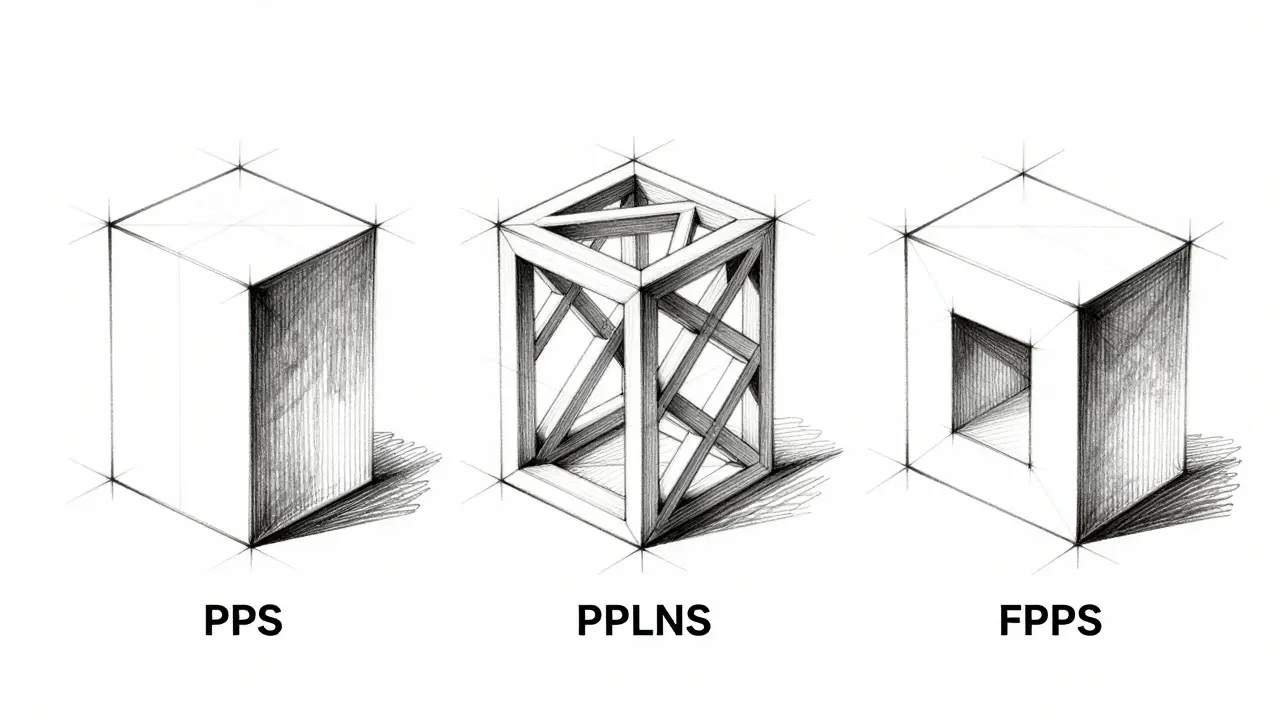
- PPS (Pay Per Share): The pool pays you immediately for every share you submit, regardless of whether a block is found. This shifts all the risk to the pool operator. Because they take on the variance, they charge higher fees, typically between 3% and 5%. It’s predictable income but expensive.
- PPLNS (Pay Per Last N Shares): This model spreads the reward across all shares submitted during the time a block was being mined. If the pool finds a block, everyone gets paid based on their contribution over that period. Fees are lower (often 0% to 1%), but your payout depends on luck. If the pool doesn’t find a block, you might earn nothing for days.
- FPPS (Fair Pay Per Share): This is the hybrid most popular in 2026. It guarantees you payment for every share like PPS, but it calculates the rate based on the average long-term profitability of the pool, including transaction fees. It offers stability without the extreme cost of pure PPS. Fees usually sit between 1.5% and 2.5%.
The key takeaway? Lower fees often mean higher volatility. Higher fees buy you peace of mind. Your choice depends on your risk tolerance and the size of your operation.
Major Mining Pool Fee Structures in 2026
The market has consolidated significantly. A few large players dominate the hashrate, and their fee structures have stabilized. Here is how the biggest names compare as of mid-2026.
| Pool Name | Primary Fee Model | Standard Fee % | Min Withdrawal | Best For |
|---|---|---|---|---|
| Foundry USA | FPPS | 2.5% | 0.001 BTC | Institutional & Large Scale Miners |
| Antpool | PPLNS / PPS+ | 0% - 4% | 0.001 BTC | Risk-Tolerant or Stable Income Seekers |
| BTC.com | FPPS | 1.5% | 0.001 BTC | Cost-Conscious Miners |
| F2Pool | FPPS | 2.5% | 0.005 BTC | Multicurrency Miners |
| Slush Pool | PPLNS | 2% | 0.001 BTC | Traditionalists & Transparency Fans |
Foundry USA remains the heavyweight champion with over 26 EH/s. Their 2.5% fee is standard for enterprise-grade service. They offer incredible transparency, breaking down exactly how much goes to transaction fees versus operational costs. If you run a farm with multiple machines, their infrastructure reliability is worth the premium.
Antpool offers a unique split. You can choose 0% fees if you accept the PPLNS model, meaning you rely entirely on the pool’s luck to get paid. Alternatively, you pay 4% for PPS+, which guarantees steady payouts. This gap is massive. For small miners, the 0% option looks attractive until you realize you might go weeks without a meaningful payout if the pool struggles.
BTC.com stands out for its aggressive 1.5% fee. By incorporating transaction fees into the payout calculation efficiently, they keep the base commission low. This makes them a strong contender for solo miners or smaller operations trying to maximize every satoshi.
Hidden Costs That Eat Your Profit
The advertised fee is only part of the story. When calculating your ROI, you must account for hidden friction points that many guides ignore.
Withdrawal Thresholds
This is where F2Pool loses points for small miners. With a minimum withdrawal of 0.005 BTC, your funds sit idle in the pool’s wallet longer than necessary. During periods of high inflation or opportunity cost, this lock-up matters. Most other pools, including Binance Pool and ViaBTC, allow withdrawals as low as 0.001 BTC, giving you liquidity faster.
Transaction Fee Allocation
Not all pools pass on transaction fees equally. In 2026, transaction fees make up a significant portion of block rewards. Pools like Luxor and Foundry USA explicitly show how much of your payout comes from mempool fees. Others bundle it vaguely. Always check if the pool uses a "fair" distribution method for transaction fees. If they don’t, you’re effectively subsidizing their profit margin.
DDoS Protection and Uptime
A pool charging 1% is useless if it goes offline twice a week. Top-tier pools invest heavily in DDoS protection and server redundancy. Cheaper, newer pools often cut corners here. When a pool is under attack, your miner disconnects, and you earn zero. The cost of downtime often exceeds the savings from a lower fee.
Calculating Your Net Revenue
To make an informed decision, you need to run the numbers. Don’t guess. Use this formula:
Net Revenue = (Block Reward + Avg Transaction Fees) × Your Hashrate Share × (1 - Pool Fee) - Electricity Cost
Let’s look at a practical example. Assume you have 100 TH/s of hashrate. The network difficulty is stable, and the average daily block reward plus fees is $50 per 100 TH/s (hypothetical current market rate).
- With a 1.5% fee (BTC.com): $50 × 0.985 = $49.25 daily gross revenue.
- With a 2.5% fee (Foundry USA): $50 × 0.975 = $48.75 daily gross revenue.
- With a 4% fee (Antpool PPS+): $50 × 0.96 = $48.00 daily gross revenue.
The difference seems small-$1.25 a day. But over a year, that’s $456 lost to fees. For a small miner, that could cover your internet bill or a new power supply. For a large farm, it’s negligible noise. Context changes everything.
Which Pool Should You Choose?
Your choice should align with your operational style. Here is my recommendation based on user profiles.
For the Solo Home Miner: Go with BTC.com or Slush Pool. The lower fees (1.5% to 2%) matter more when your total volume is low. Slush Pool offers excellent transparency and has been around since 2010, so trust is established. BTC.com gives you the best raw rate.
For the Small Farm Owner (5-20 ASICs): Consider Foundry USA or Luxor. You need stability. The variance of PPLNS can cause cash flow issues when you need to pay electricity bills. The extra 1% fee buys you predictability and better support channels.
For the Risk-Taker: Try Antpool’s 0% PPLNS option. If you believe in the pool’s longevity and have enough hashpower to smooth out the variance, you save money. But be prepared for irregular payouts.
For Multicurrency Miners: F2Pool is still the king of flexibility. If you want to switch between Bitcoin, Litecoin, and Dogecoin seamlessly, their ecosystem is unmatched. Just accept the higher withdrawal threshold and 2.5% fee as the cost of convenience.
Trends to Watch in Late 2026
The landscape is shifting toward transparency. Regulatory pressure in the US and EU is forcing pools to disclose fee breakdowns more clearly. Expect to see more pools adopting dynamic fee structures that adjust based on network difficulty. Additionally, ESG-focused pools are emerging, offering slight fee discounts (around 0.2%) to miners who prove they use renewable energy. If you’re solar-powered, look for pools like Luxor that reward green energy usage.
Don’t set it and forget it. Check your pool’s performance monthly. If a pool’s uptime drops or their fee structure becomes opaque, move your workers. Your hashrate is your asset; protect it.
What is the cheapest mining pool fee available in 2026?
The lowest advertised fee is 0%, offered by Antpool under their PPLNS model. However, this carries high variance risk. For stable income models like FPPS, BTC.com offers one of the lowest rates at 1.5%. Be wary of pools advertising 0% fees with hidden withdrawal costs or poor uptime.
Is FPPS better than PPLNS for beginners?
Yes, generally. FPPS (Fair Pay Per Share) provides consistent daily payouts regardless of whether the pool finds a block. This predictability helps beginners manage cash flow for electricity and maintenance. PPLNS requires luck; if the pool doesn't find blocks, you may earn very little for extended periods.
Do mining pools charge withdrawal fees?
Most reputable pools do not charge a separate withdrawal fee beyond the network transaction fee. However, they enforce minimum withdrawal thresholds. For example, F2Pool requires 0.005 BTC, while Foundry USA allows 0.001 BTC. Always check the minimum limit to ensure your funds aren't locked up unnecessarily.
How does pool size affect my earnings?
Larger pools provide more stable payouts because they find blocks more frequently. However, your individual share of the block reward is smaller. Smaller pools offer larger potential payouts per block but with higher variance and risk of downtime. For most miners, joining a top 10 pool balances stability and fair compensation.
Can I switch mining pools easily?
Yes. Switching pools is as simple as changing the stratum URL in your miner's configuration settings. There is no penalty for leaving a pool. However, any unwithdrawn balance will remain in the old pool's wallet. Make sure to withdraw your funds before switching to avoid forgetting them.