
North Macedonia Partial Crypto Ban: What You Need to Know in 2026
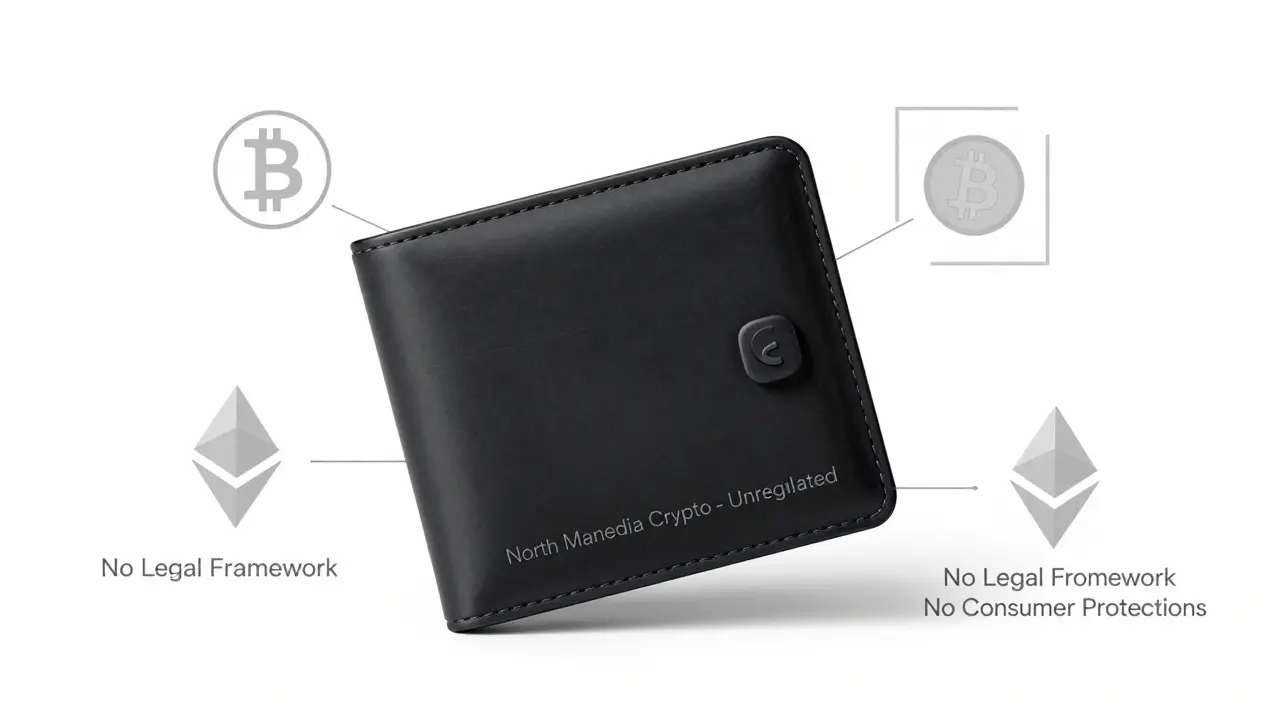
North Macedonia doesn’t have a full ban on cryptocurrency-but calling it legal is misleading. The truth? It’s stuck in a gray zone. If you’re trading Bitcoin, holding Ethereum, or running a crypto-related business there, you’re navigating rules that don’t officially exist. No clear laws. No licensed exchanges. No consumer protections. Just warnings from the central bank and a government racing to catch up.
What’s Actually Banned?
Nothing is outright illegal. You can still buy, sell, and hold crypto. You can send it to someone in Skopje or Bitola. But here’s the catch: cryptocurrency is not legal tender. That means no business is required to accept it. No bank will process a crypto-to-fiat transfer without raising flags. If you try to pay for groceries with Bitcoin, the cashier will laugh-or worse, refuse. The National Bank of the Republic of North Macedonia (NBRM) has been warning people since 2018 that crypto is risky. Volatility. Scams. No oversight. They never said “don’t do it.” They just said “you’re on your own.” And that’s the problem. People are trading anyway, mostly through Binance, Kraken, or Bybit-overseas platforms with zero connection to Macedonian law.Why the Confusion?
The confusion comes from mixed signals. Some websites claim North Macedonia banned crypto entirely. That’s wrong. Others say it’s fully legal. Also wrong. The truth is simpler: there’s no law either way. The government hasn’t passed any specific crypto legislation. Instead, they’re using old financial rules-anti-money laundering (AML) and counter-terrorism financing (CFT) policies-to try and control things. That’s like using a 1990s traffic law to regulate self-driving cars. It doesn’t fit. Crypto transactions are anonymous, global, and fast. AML rules meant for cash deposits and wire transfers don’t work well here. So regulators are stuck guessing. And traders? They’re left in the dark.What About Taxes?
No one knows for sure. There’s no official tax code for crypto profits in North Macedonia. But that doesn’t mean you’re off the hook. The tax authority has the power to treat crypto gains as capital income. If you bought Bitcoin at $20,000 and sold it at $60,000, they could come after you for taxes on that $40,000 profit. But here’s the twist: they haven’t said how. No forms. No guidelines. No audit process. So most people just don’t report it. That’s risky. If the government rolls out new rules in 2026, they could look back at your transactions and demand years of back taxes. No one wants that surprise.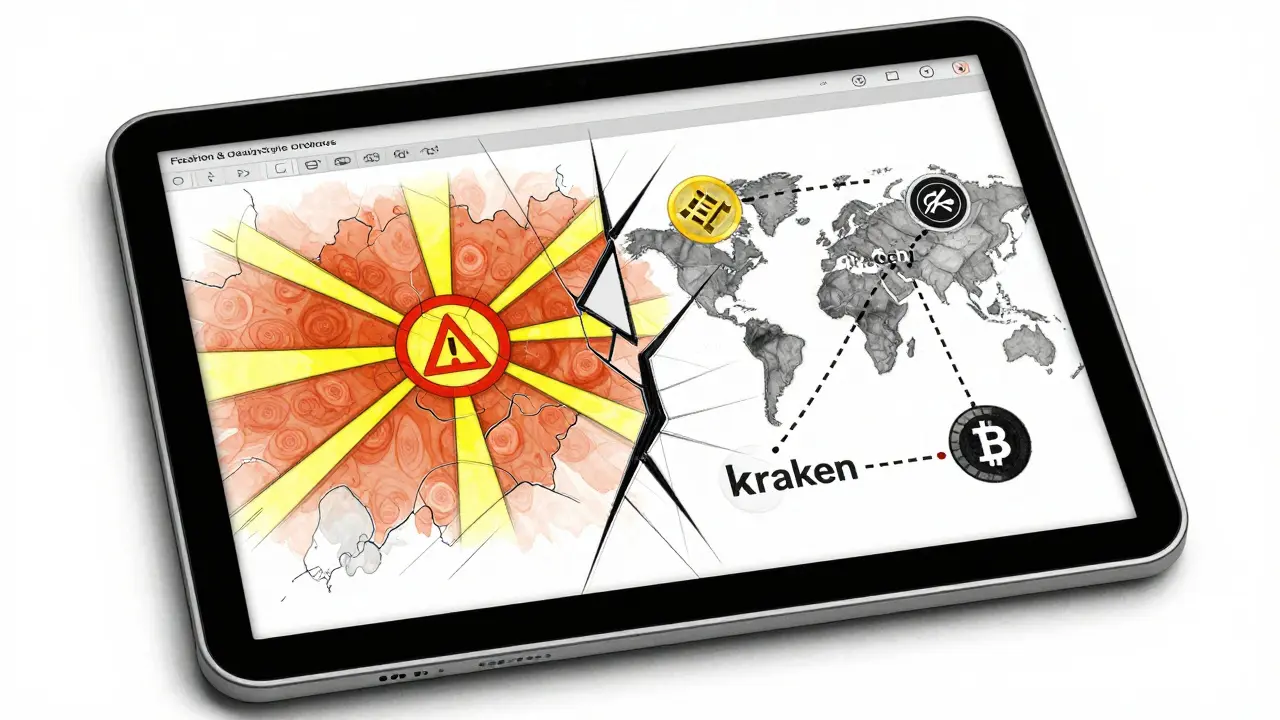
How Is This Different From Other Countries?
Look at Estonia. They’ve got a clear crypto license system. You register your exchange, follow EU rules, and you’re good to go. Malta? Same thing. They attract crypto firms with predictable laws. North Macedonia? Not even close. There are no licensed local exchanges. No crypto ATMs. No regulated wallets. Even fintech startups that use blockchain-like the one helping Macedonian expats send money home-have to operate through foreign partners. They can’t build a real business on home soil because the rules aren’t there. Compare that to Serbia, which also isn’t an EU member but passed clear crypto legislation in 2023. Or Croatia, which fully adopted MiCA in 2024. North Macedonia is falling behind. And that’s hurting its chances to attract tech investment.What’s Changing in 2025-2026?
The government changed in 2024. The new right-wing coalition made crypto regulation a top priority-not because they love Bitcoin, but because they want to join the EU. The European Union’s Markets in Crypto-Assets (MiCA) framework is the blueprint. By 2026, North Macedonia plans to have its own licensing system for crypto exchanges, wallet providers, and trading platforms. Think of it like a driver’s license for crypto businesses. Without it, they can’t operate legally. Draft laws are expected by late 2025. They’ll likely mirror MiCA’s requirements: strict KYC (know your customer), AML checks, capital reserves, and transparency rules. That’s good news for serious businesses. Bad news for shady operators. The goal? Clean up the market. Stop money laundering. Protect investors. And make North Macedonia look like a responsible candidate for EU membership.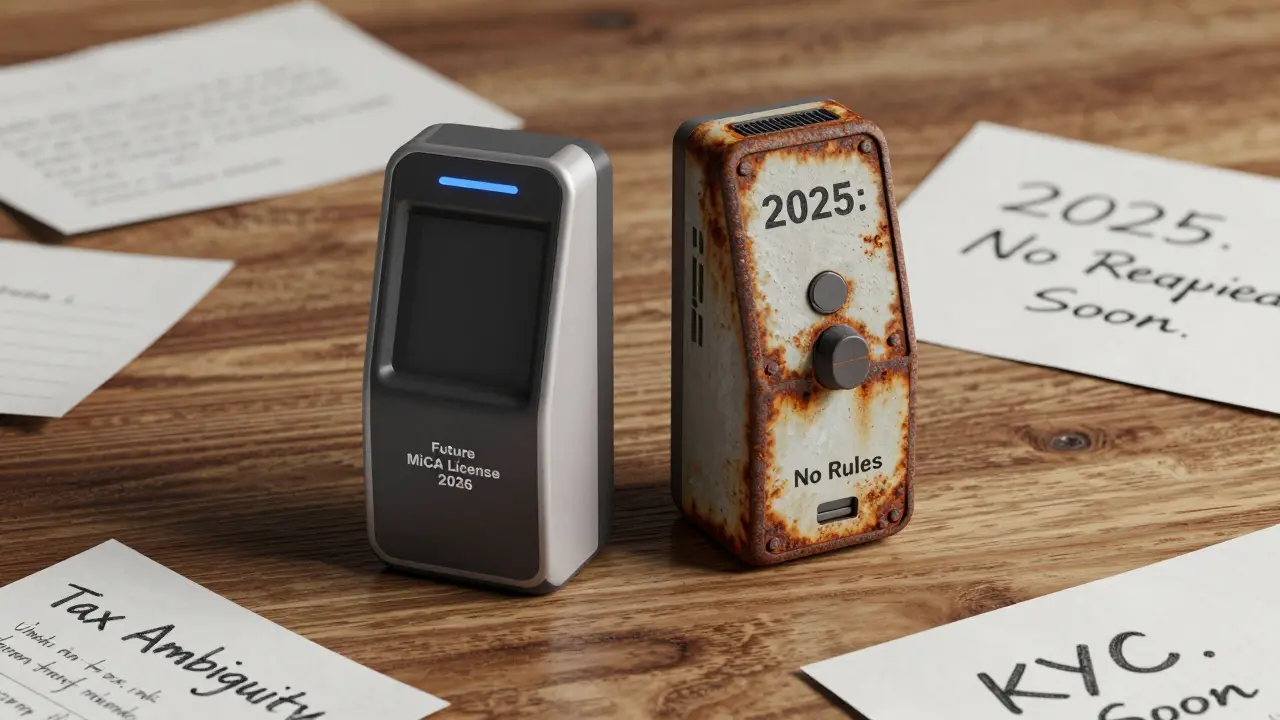
Matthew Kelly
January 20, 2026 AT 20:14Linda Prehn
January 21, 2026 AT 19:50Adam Lewkovitz
January 22, 2026 AT 08:36Clark Dilworth
January 22, 2026 AT 23:48Mark Estareja
January 24, 2026 AT 07:33David Zinger
January 24, 2026 AT 21:19Athena Mantle
January 26, 2026 AT 00:40carol johnson
January 27, 2026 AT 14:09Chidimma Catherine
January 29, 2026 AT 00:46Nathan Drake
January 29, 2026 AT 18:54tim ang
January 30, 2026 AT 14:55Bonnie Sands
January 31, 2026 AT 14:19Abdulahi Oluwasegun Fagbayi
February 1, 2026 AT 02:17Anna Topping
February 1, 2026 AT 11:34Jeffrey Dufoe
February 2, 2026 AT 07:54katie gibson
February 3, 2026 AT 09:43Ashok Sharma
February 4, 2026 AT 14:59Margaret Roberts
February 5, 2026 AT 18:54Tselane Sebatane
February 6, 2026 AT 12:41Darrell Cole
February 7, 2026 AT 19:42Brenda Platt
February 8, 2026 AT 18:25Barbara Rousseau-Osborn
February 10, 2026 AT 12:45george haris
February 12, 2026 AT 01:12Taylor Mills
February 12, 2026 AT 09:59Julene Soria Marqués
February 14, 2026 AT 09:21Andy Marsland
February 15, 2026 AT 18:21Jonny Lindva
February 16, 2026 AT 22:34Jen Allanson
February 18, 2026 AT 15:51Adam Lewkovitz
February 20, 2026 AT 13:26