
Norway’s Crypto Mining Ban: Data Center Rules and Restrictions Explained
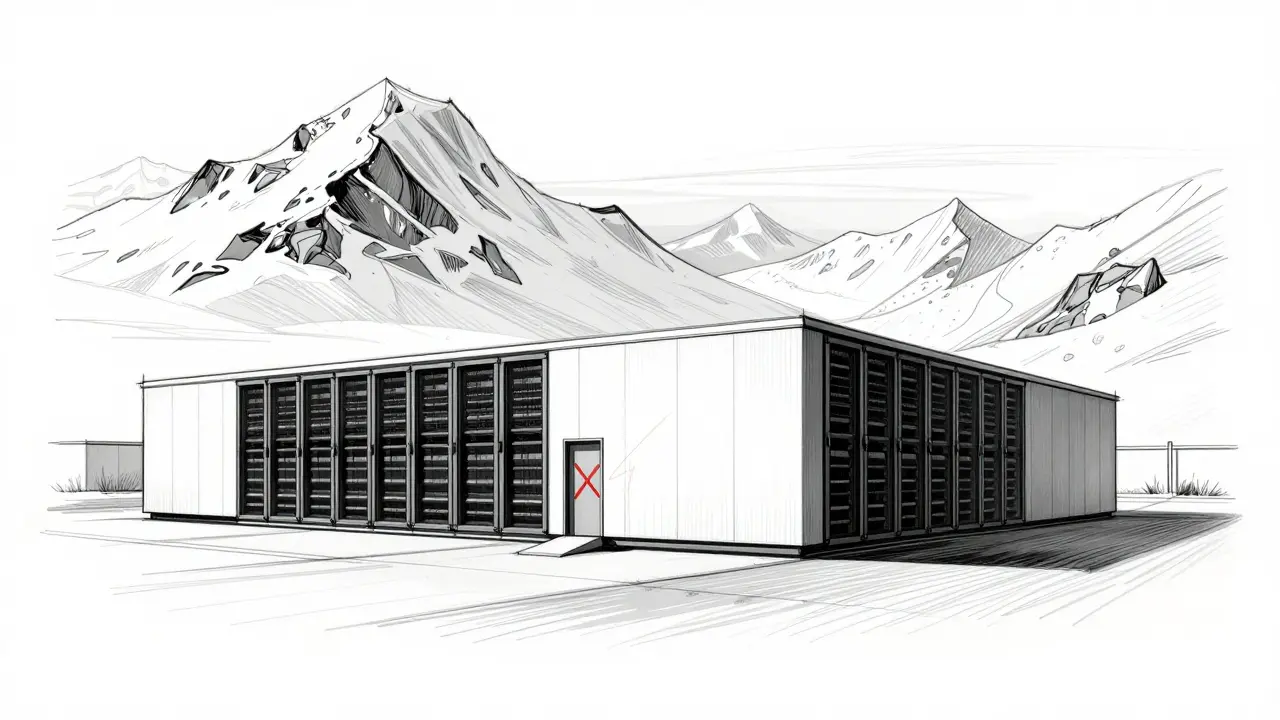
If you are planning to set up a cryptocurrency mining operation in Norway, you need to know that the country has become one of the toughest places in Europe for new entrants. As of autumn 2025, Norway enforces a temporary ban on new power-intensive mining data centers. This isn't just a suggestion; it is a hard regulatory wall backed by strict registration laws and significant fines. For existing operators, the rules are complex but manageable if you stay compliant. For newcomers, however, the door is effectively closed.
Norway was once considered a paradise for crypto miners due to its abundant hydroelectric power and cold climate. That era is over. The government has shifted its priority from attracting digital asset operations to conserving energy for traditional industries and public services. Understanding these changes is critical if you have assets or plans in the region.
The Two Pillars of Regulation
Norway’s approach to regulating crypto mining rests on two distinct legal frameworks. These work together to create a comprehensive oversight system that leaves little room for unregistered or hidden operations. The first pillar is the mandatory data center registration system. The second is the temporary ban on new high-energy mining facilities.
The registration requirement stems from the Norwegian Electronic Communications Act, which came into force on January 1, 2025. This law created the first national data center registry in Europe. It is enforced by the Norwegian Communications Authority, commonly known as Nkom. Every data center operator must register their facility before construction begins. Existing facilities had until July 1, 2025, to comply with this rule.
The second pillar is the temporary ban on new cryptocurrency mining data centers. This measure was announced in April 2024 and implemented in autumn 2025. It is coordinated by the Ministry of Digitalization and Public Administration and the Ministry of Energy. While the registration law applies to all data centers, the ban specifically targets the expansion of crypto mining infrastructure. This dual approach allows the government to monitor all digital infrastructure while actively preventing the growth of energy-intensive mining sectors.
Registration Requirements: What You Must Declare
Registering a data center in Norway is not a simple formality. The authorities require detailed transparency about who operates the facility and what services it provides. If you fail to provide accurate information, you face severe penalties. The registration process demands specific disclosures that directly impact how mining operations are classified.
Operators must submit the following details to Nkom:
- Company Identity: Legal name, physical address, and legal status of the entity.
- Contact Information: A designated representative for official government communications.
- Service Description: A detailed explanation of the services provided by the data center.
- Customer Lists: Identification of whether clients are public agencies or private businesses.
The most critical part for crypto miners is the service description. Operators must explicitly declare if they offer cryptocurrency mining services. This transparency allows the government to identify power-intensive activities and apply specific restrictions. Hiding mining operations under generic "server hosting" labels is no longer viable. The registration system serves as an enforcement tool, enabling authorities to track energy consumption and intervene if necessary.
Non-compliance carries financial penalties of up to 5% of annual turnover. This is one of the strictest enforcement mechanisms in the European data center industry. For large operations, this fine could amount to millions of euros, making compliance a top priority rather than an afterthought.
| Entity | Role | Key Responsibility |
|---|---|---|
| Norwegian Communications Authority (Nkom) | Enforcement Agency | Manages data center registry and ensures registration compliance |
| Ministry of Digitalization and Public Administration | Policy Maker | Coordinates digital infrastructure regulations and mining bans |
| Ministry of Energy | Resource Allocation | Determines energy priorities and restricts power-intensive uses |
| Norwegian Financial Supervisory Authority (FSA) | Financial Oversight | Implements MiCA regulations affecting crypto asset handling |
The Temporary Ban on New Mining Operations
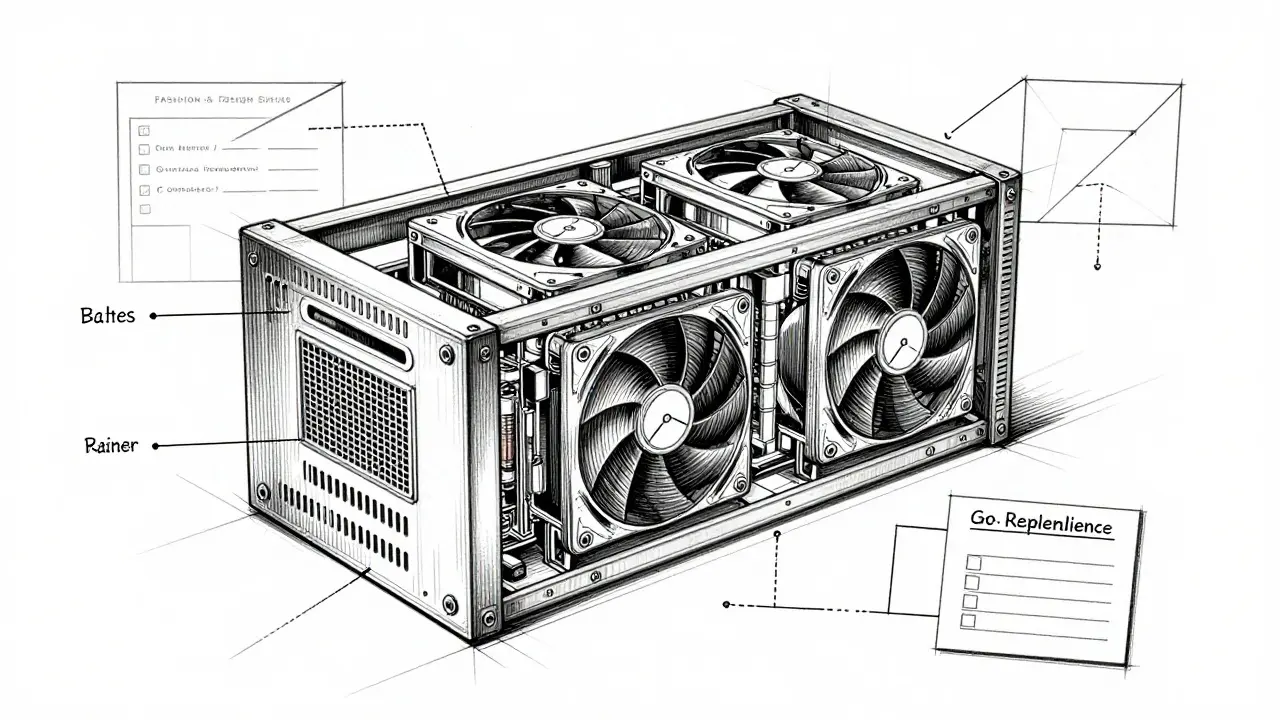
The temporary ban on new cryptocurrency mining data centers is the most significant change for the industry. Announced by Minister Karianne Tung and supported by Energy Minister Terje Aasland, this policy reflects a clear political stance. The Labour Party government intends to limit cryptocurrency mining in Norway as much as possible.
This ban applies exclusively to new mining operations. It does not shut down existing facilities. However, it prevents any expansion of the sector. If you plan to build a new data center specifically for Bitcoin or other Proof-of-Work mining, you cannot do so in Norway under current regulations. The ban targets facilities using the most energy-intensive mining technologies.
The justification for this ban centers on energy conservation. Despite Norway's abundant hydroelectric power, the government argues that crypto mining consumes excessive electricity while generating minimal employment and economic benefits for local communities. Minister Tung stated that crypto mining is "very power-intensive and generates little in the way of jobs and income for the local community." The goal is to redirect electricity to industries that provide greater social and economic value, such as manufacturing, green technology, and public services.
This approach differs significantly from China's 2021 complete crypto mining ban. Norway maintains existing operations, allowing them to continue running. However, it blocks new entrants, effectively freezing the growth of the sector. This creates a static market where only established players can operate, while new competitors must look elsewhere.
Impact on Existing Operators and Small Miners
For those already operating in Norway, the landscape has changed dramatically. While your facility remains legal, the administrative burden has increased. You must now navigate both data center registration requirements and emerging cryptocurrency asset regulations. The Norwegian Financial Supervisory Authority (FSA) completed consultation papers in February 2024 for the implementation of the Markets in Crypto Assets (MiCA) regulation. This adds another layer of compliance complexity.
Small-scale miners are particularly affected by these changes. The cost of legal documentation and ongoing reporting obligations can be substantial. Many individual miners find that the compliance costs outweigh the profits from mining. This has led to a consolidation of the market, where larger companies with dedicated legal teams can afford to stay, while smaller operators exit the market.
Existing operations also face uncertainty about the future. The ban is temporary, but government officials suggest ongoing evaluation of cryptocurrency mining's compatibility with Norway's climate goals. There is a risk that restrictions could expand beyond new construction prohibitions to encompass operational facilities. This uncertainty makes long-term investment planning difficult for current operators.
Comparison with Other Nordic Countries
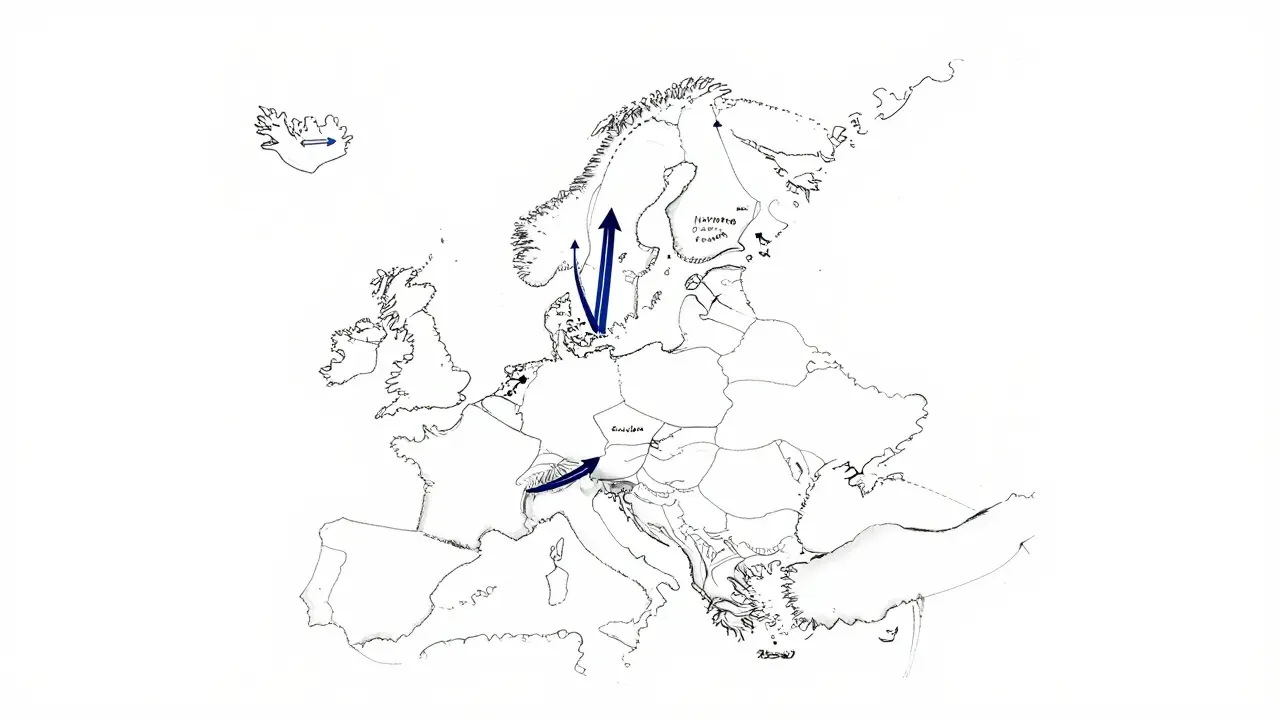
Norway's restrictive stance stands in stark contrast to its neighbors. Countries like Iceland, Sweden, and Finland have historically welcomed cryptocurrency mining operations. They attract miners through competitive electricity pricing and favorable regulatory environments. These countries view crypto mining as a valuable customer for their renewable energy surplus.
In Sweden, for example, mining companies can still secure power contracts and build new facilities with relative ease. Finland offers similar advantages, leveraging its nuclear and hydroelectric power. Iceland continues to be a hub for mining due to its geothermal energy. Norway's decision to ban new mining operations has caused a shift in regional hash rate distribution. International mining companies have relocated planned investments to these more favorable jurisdictions.
This regulatory arbitrage means that mining activities are concentrating in countries that prioritize cryptocurrency industry development over energy conservation. For global network security metrics, this could lead to centralization in specific regions. Norway's model is being watched closely by other nations facing similar energy allocation decisions, but few are likely to follow its lead given the economic benefits of hosting mining operations.
Future Outlook and Strategic Advice
Looking ahead, the situation in Norway remains fluid. The autumn 2025 implementation timeline positions Norway as a regulatory testing ground. The government will evaluate the impact of the ban on energy usage and economic output. If the ban proves effective in conserving energy without harming the broader economy, it may become permanent or expand to include existing operations.
For investors and operators, the advice is clear. Do not invest in new mining infrastructure in Norway. The regulatory risk is too high, and the potential for sudden policy changes is significant. Instead, focus on jurisdictions with stable, pro-crypto policies. If you already operate in Norway, ensure full compliance with Nkom registration requirements and prepare for additional MiCA-related obligations. Keep close watch on statements from the Ministry of Energy and the Ministry of Digitalization, as they will signal any further tightening of restrictions.
The tension between technological innovation and resource conservation is at the heart of this debate. Environmental advocacy groups support Norway's approach as a model for sustainable energy policy. Cryptocurrency advocates criticize it as technologically discriminatory. Regardless of your viewpoint, the reality is that Norway has chosen conservation over crypto expansion. Adapting to this reality is essential for anyone involved in the digital asset space in Northern Europe.
Is cryptocurrency mining illegal in Norway?
No, cryptocurrency mining is not illegal in Norway. Existing mining operations are allowed to continue. However, there is a temporary ban on establishing new cryptocurrency mining data centers, which started in autumn 2025. This means you cannot build new facilities for mining, but you can keep running current ones if they are compliant.
What happens if I don't register my data center with Nkom?
If you fail to register your data center with the Norwegian Communications Authority (Nkom), you face financial penalties of up to 5% of your annual turnover. This is a strict enforcement mechanism designed to ensure transparency. Non-compliance can also lead to operational shutdowns and legal challenges.
Why did Norway ban new crypto mining operations?
Norway banned new crypto mining operations to conserve energy for other industries. The government believes that cryptocurrency mining consumes excessive electricity while providing minimal jobs and economic benefits to local communities. They want to redirect power to manufacturing, public services, and other sectors that offer greater social value.
Can I expand my existing mining farm in Norway?
Expanding an existing mining farm is risky and likely prohibited under the new ban. The ban targets new mining operations and facilities using energy-intensive technologies. While existing operations are grandfathered in, significant expansions might be interpreted as new operations. Consult with legal experts specializing in Norwegian energy law before attempting any expansion.
How does Norway's crypto regulation compare to Sweden or Iceland?
Norway is much stricter than Sweden or Iceland. While Sweden and Iceland welcome crypto mining due to their renewable energy surplus, Norway has implemented a ban on new mining data centers. Norway prioritizes energy conservation for traditional industries, whereas its neighbors see mining as a beneficial use of excess power. This makes Norway the most restrictive jurisdiction in Northern Europe for crypto mining.