Poloniex Crypto Exchange Review: Is It Worth Your Time in 2026?
You’ve probably heard the name Poloniex before. Maybe a friend mentioned it as a place to grab obscure altcoins before they hit the big leagues, or perhaps you saw an old thread complaining about withdrawal delays. Either way, if you are considering opening an account today, you need to know exactly what you’re getting into. The landscape has shifted since Poloniex launched back in 2014. It’s no longer the wild west of early crypto trading, and neither is this platform. But does that make it obsolete? Not necessarily. For certain types of traders, specifically those who value simplicity over bells and whistles, it still holds water. This review cuts through the noise to tell you if Poloniex fits your trading style in 2026.
The Core Proposition: Simplicity Over Chaos
Poloniex is a cryptocurrency-only exchange established in 2014. Unlike Binance or Coinbase, which try to be everything for everyone-offering NFTs, credit cards, savings accounts, and fiat on-ramps-Poloniex keeps things focused. It deals exclusively in digital assets. You cannot deposit US Dollars or New Zealand Dollars directly into your balance. Everything must be crypto-in, crypto-out. This might sound restrictive, but for experienced traders, it removes friction. There’s no waiting for bank transfers to clear. You send Bitcoin, you trade Bitcoin pairs, you withdraw Bitcoin. Done.
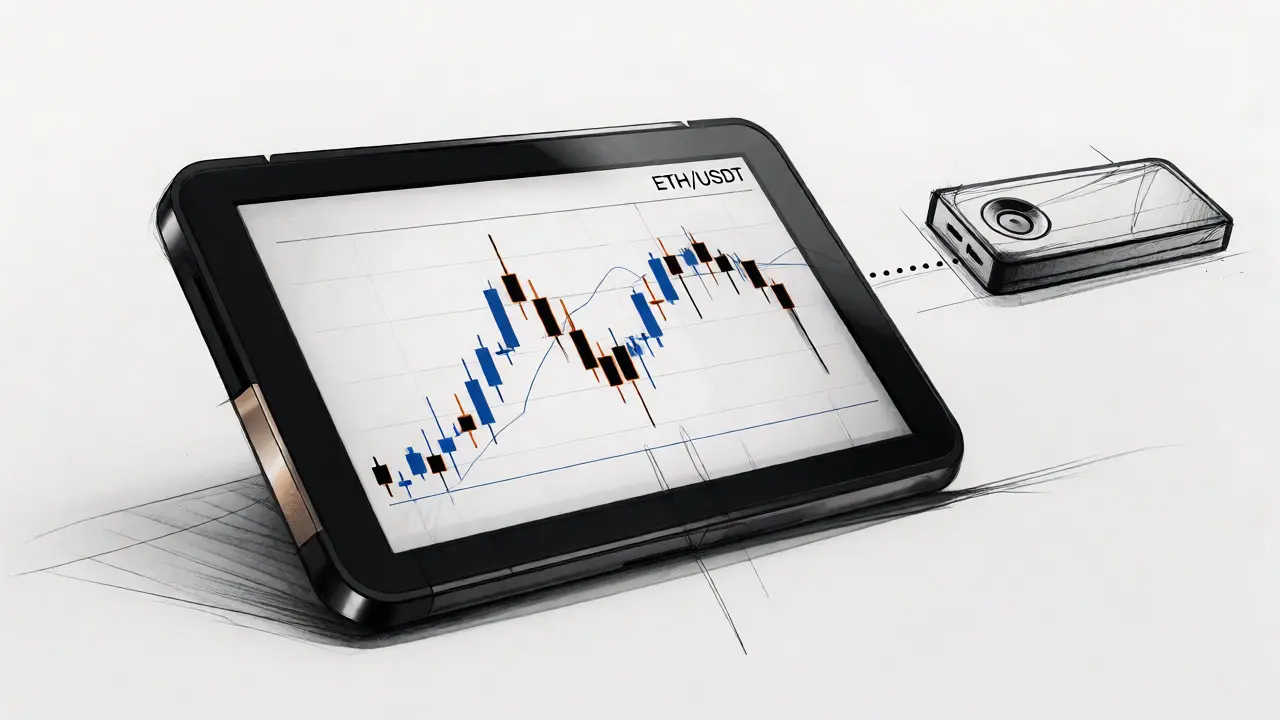
The interface reflects this philosophy. It doesn’t overwhelm you with fifty different tabs and promotional banners screaming at you to stake your tokens. The navigation is straightforward. If you want to trade ETH/USDT, you find it, click it, and execute. For beginners, this lack of clutter can actually be a downside because there’s less hand-holding. But for intermediate users who just want a clean chart and an order book, it’s refreshing. The platform markets itself as "The Most Trusted Exchange," leaning heavily on its longevity. In a space where platforms vanish overnight (looking at you, FTX), staying alive for over a decade is a significant trust signal.
Trading Features and Asset Selection
So, what can you actually trade? As of late 2025 and heading into 2026, Poloniex supports over 100 cryptocurrencies. Compare that to Binance’s 250+ or Kraken’s extensive list, and you’ll see Poloniex is more curated. Historically, Poloniex gained fame for listing emerging altcoins earlier than competitors. While that advantage has narrowed, they still tend to pick up promising projects before they become mainstream household names. If you are hunting for the next gem before it hits Coinbase, Poloniex remains a decent hunting ground.
The trading products cover the essentials:
- Spot Trading: The bread and butter. Buy low, sell high. Standard limit, market, and stop orders are available.
- Futures Trading: Available for advanced users, offering leverage up to 100x. Be careful here; 100x leverage is a fast track to liquidation if you don’t manage risk properly.
- Margin Trading: Leverage up to 5x. Good for amplifying small moves without going full gambler mode.
- Staking: Passive income options for holding specific coins.
The liquidity is generally solid for major pairs like BTC/USDT and ETH/USDT. However, if you are trading smaller-cap altcoins, spreads can widen. Always check the order book depth before placing large market orders, especially on niche pairs. A thin order book means your buy price could be significantly higher than the last traded price due to slippage.

Fees and Hidden Costs: The Real Talk
This is where many users get tripped up. Poloniex’s fee structure looks competitive on paper, but real-world costs depend on how you fund your account. Since there are no direct fiat deposits, you have two main options:
- Crypto Deposit: Usually free from Poloniex’s side, though network fees apply (paid to miners, not Poloniex).
- Card Purchase via Simplex: This is the convenience option. You use your Visa or Mastercard to buy crypto instantly. But convenience costs money. Simplex charges either $10 or 3.5% of the transaction amount, whichever is higher. That’s steep. If you buy $100 worth of Bitcoin, you’re losing $10 immediately. If you buy $1,000, you lose $35.
| Feature | Poloniex | Binance | Kraken |
|---|---|---|---|
| Supported Assets | ~100+ | 250+ | 200+ |
| Fiat On-Ramp | No (Third-party only) | Yes (Direct & Partners) | Yes (Direct) |
| Max Futures Leverage | 100x | Up to 125x | Up to 50x |
| Geographic Restrictions | North America Blocked | Varies by Region | Global (with limits) |
| User Interface | Simplified | Complex/Dense | Professional/Clean |
Trading fees themselves follow a maker-taker model. Maker fees (when you place a limit order that sits on the book) are lower than taker fees (when you execute against existing orders). Using the native token, POLYX, can reduce these fees further. But remember, the biggest cost barrier isn’t the trading fee-it’s the entry cost if you’re using a credit card. Serious traders usually avoid card purchases entirely, opting to move crypto from other exchanges instead.
Security and Trustworthiness
Security is non-negotiable in crypto. Poloniex has implemented standard security measures: two-factor authentication (2FA) is mandatory for API access and withdrawals, cold storage for most funds, and regular audits. They haven’t suffered a catastrophic hack in recent years that wiped out user balances, which speaks volumes about their operational hygiene.
However, trust isn’t just about hacks. It’s about transparency. Recent user reviews on platforms like G2 have highlighted complaints about "hidden costs" and withdrawal issues. Some users reported being asked for additional fees before processing profits, a practice often associated with scammy offshore brokers rather than reputable exchanges. While Poloniex is a legitimate entity owned by Circle (the company behind USDC), these anecdotal reports suggest customer support can sometimes be inconsistent. If you encounter a withdrawal delay, patience is key. Don’t panic-sell. Contact support, provide transaction hashes, and wait. Most issues resolve within 24-48 hours.

Who Should Use Poloniex?
Let’s be blunt: Poloniex isn’t for everyone. It’s not the best choice for absolute beginners who want to buy Bitcoin with a debit card easily. The 3.5%+ fee will eat your lunch. It’s also not ideal for institutional giants needing deep liquidity across hundreds of pairs.
But it shines for specific profiles:
- The Altcoin Hunter: If you enjoy researching smaller projects and want a simple interface to trade them without the clutter of a mega-exchange.
- The Cross-Exchange Trader: If you already hold crypto on Binance or Kraken and want to diversify risk or access specific pairs not listed elsewhere.
- The Privacy-Conscious User: While KYC is required, the process is streamlined compared to some banks-turned-crypto-brokers.
If you live in North America, forget it. Poloniex blocks users from the USA and Canada due to regulatory pressures. For the rest of the world, including New Zealand, Australia, and Europe, it remains accessible.
Final Verdict: Reliability Over Innovation
In 2026, Poloniex is a survivor. It hasn’t tried to pivot into Web3 gaming or metaverse land sales. It stuck to its core: trading. That focus makes it reliable but also somewhat stagnant. If you want cutting-edge features, launchpad opportunities, and massive liquidity, go to Binance. If you want a straightforward, no-nonsense platform to trade established altcoins and major pairs, Poloniex does the job well enough.
Just watch your fees. Avoid credit card deposits unless absolutely necessary. Enable 2FA immediately. And always test with a small withdrawal first to ensure your wallet addresses are correct. Crypto moves fast, but your capital protection should move slower and smarter.
Can I deposit fiat currency directly into Poloniex?
No, Poloniex is a crypto-only exchange. You cannot deposit USD, EUR, or NZD directly. To get crypto onto the platform, you must either transfer it from another wallet/exchange or use third-party services like Simplex to purchase crypto with a credit/debit card, which incurs higher fees.
Is Poloniex safe to use in 2026?
Yes, Poloniex is considered safe. It uses cold storage for the majority of user funds, requires 2FA for withdrawals, and has been operating since 2014 without major catastrophic breaches. However, always enable 2FA and consider moving long-term holdings to a hardware wallet.
Why are my withdrawal fees so high?
Withdrawal fees on Poloniex reflect current blockchain network congestion. These fees are paid to miners, not Poloniex. During periods of high network activity (like Ethereum gas spikes), fees increase. Check the network status before withdrawing if you want to save on costs.
Does Poloniex allow US residents?
No, Poloniex does not accept new accounts from United States residents due to regulatory restrictions. Canadian residents are also typically restricted. Users from most other countries, including New Zealand, Australia, and Europe, can register and trade.
How do I verify my account (KYC)?
You must complete Identity Verification (KYC) to unlock higher withdrawal limits and access all features. This involves uploading a government-issued ID and taking a selfie. Verification usually takes 1-3 business days. Without KYC, your withdrawal limits are very low.