
CRS 2.0: What It Is, How It Works, and Why It Matters for Blockchain Security
When you hear CRS 2.0, a modernized framework for blockchain security auditing that updates outdated protocols with real-time monitoring and AI-driven analysis. It's not just a new version—it's a complete overhaul of how smart contracts and decentralized platforms prove they're safe to use. Think of it like upgrading from a basic lock to a smart alarm system that calls you the moment someone tries to break in. Older audit systems were static, done once, and often missed hidden flaws. CRS 2.0 keeps watching—24/7, automatically, and across multiple chains.
This shift matters because smart contract audit, the process of checking code for vulnerabilities before funds are locked in is no longer a one-time checkbox. With DeFi platforms handling billions in real money, a single bug can wipe out users’ savings overnight. CRS 2.0 fixes that by integrating blockchain compliance, a set of enforceable standards that platforms must meet to be considered trustworthy directly into the audit flow. It doesn’t just find errors—it tells you if the platform is following the rules, not just the code. And it’s not just for big teams. Even small projects using CRS 2.0 tools can now pass audits faster and cheaper than ever before.
What’s behind this change? AI-powered anomaly detection. Instead of relying on humans to read thousands of lines of code, CRS 2.0 tools scan patterns, compare them to known exploit signatures, and flag anything unusual—like a contract that suddenly sends funds to an unknown address. It also tracks changes over time. If a project updates its code and breaks compliance, the system alerts users before they interact with it. This is why exchanges and wallets are starting to only list tokens that pass CRS 2.0 audits. It’s becoming the baseline for trust.
You’ll find posts here that dig into how CRS 2.0 is reshaping audits for DeFi, how it’s being adopted by major chains, and why some platforms still skip it—and what that means for your crypto. Some articles show real cases where CRS 2.0 caught a flaw before a hack. Others expose projects pretending to use it while hiding shady code. There’s also breakdowns of the tools that power it, like the open-source scanners developers are using, and how regulators are starting to reference CRS 2.0 in official guidelines. Whether you’re holding tokens, running a validator, or just trying not to lose your money, understanding CRS 2.0 isn’t optional anymore. It’s the new safety net.
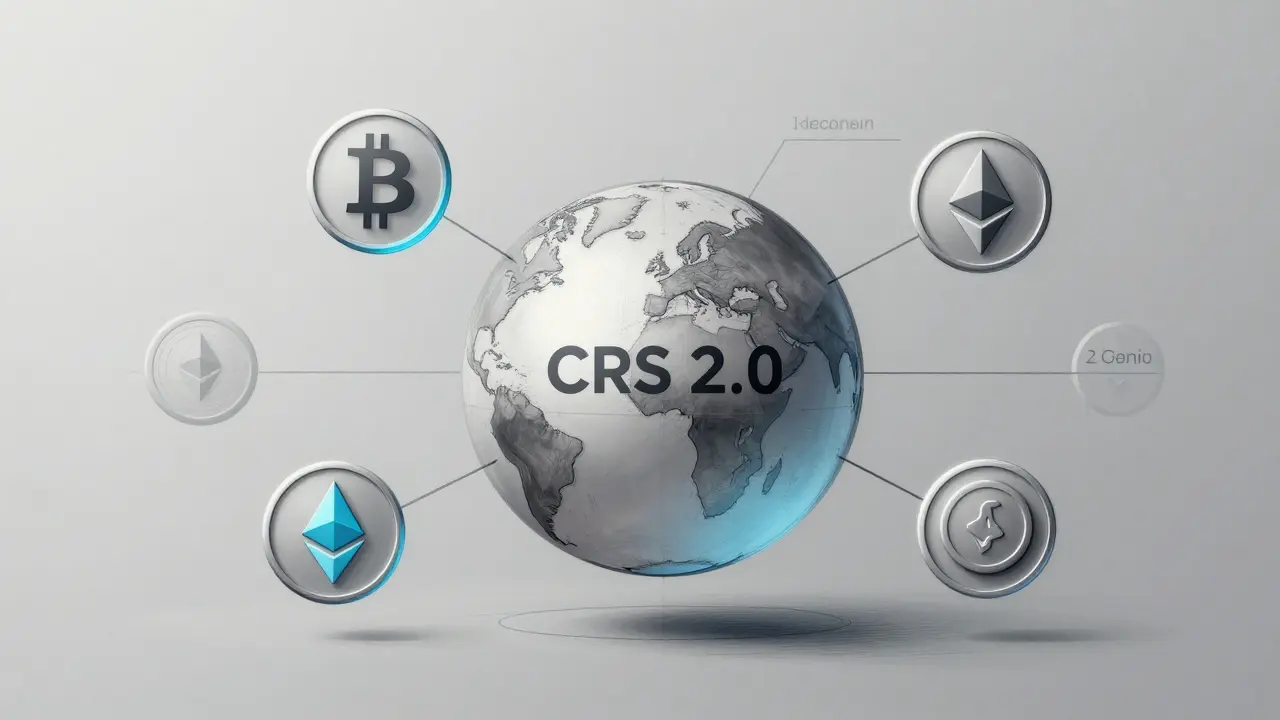
Common Reporting Standard and Crypto Taxation: What You Need to Know in 2026
Starting in 2026, the Common Reporting Standard (CRS) will require financial institutions to report crypto holdings and transactions to tax authorities worldwide. This guide explains how CRS and CARF work together to close the crypto tax gap-and what you need to do now.
VIEW MORE