
Hashpower Migration: How to Move Mining Power Effectively
When working with hashpower migration, the process of moving mining power from one pool or blockchain to another to optimize rewards, reduce fees, or adapt to regulatory changes. Also known as hash power relocation, it lets miners shift computing resources to more profitable or secure environments. Understanding hashpower migration is key if you want to keep your mining operation competitive and compliant.
Another core concept is the mining pool, a group of miners that combine their hashpower to increase the chance of finding a block and sharing rewards according to contributed work. Switching pools, often called mining pool switching, requires looking at pool fees, payout structures, and latency. The relationship is simple: hashpower migration encompasses mining pool switching. When you decide to move, you’re essentially choosing a new pool that better fits your risk tolerance and profit goals.
The hardware behind the move is the ASIC miner, application‑specific integrated circuit designed solely for mining a particular cryptocurrency, delivering high hash rates with low power consumption.. Reconfiguring an ASIC for a new pool means updating its firmware, changing the stratum URL, and sometimes adjusting power settings. This step is crucial because mining pool switching requires configuring ASIC miners. Skipping proper configuration can lead to downtime, reduced efficiency, or even bans from the new pool.
Key Factors in Hashpower Migration
Geography and energy costs also shape migration decisions. Countries with cheap electricity attract large hash farms, but regulatory shifts can force a sudden move. That’s why keeping an eye on the Bitcoin hash rate, the total combined computational power securing the Bitcoin network, measured in exahashes per second. A drop or spike in global hash rate often signals miners reacting to fee changes, block halving, or legal pressures. By watching these trends, you can time your migration to avoid periods of high network difficulty or low profitability.
Beyond Bitcoin, many projects are building sidechains, separate blockchains that run alongside a main chain and allow assets or hashpower to be transferred via bridges.. A sidechain bridge can let you redirect hashpower to a network that offers higher rewards or more experimental consensus mechanisms. The sentence “sidechain bridges enable hashpower to be redirected across blockchains” captures this emerging link between migration and cross‑chain technology.
Security considerations should never be an afterthought. When you move hashpower, you expose yourself to new attack vectors—like pool‑level DoS attacks or exploit‑prone bridge contracts. Conduct a quick risk assessment: check the pool’s historical uptime, read community forums for any red‑flag reports, and verify that the sidechain bridge has undergone recent audits. A solid assessment helps ensure that the migration improves, rather than jeopardizes, your overall operation.
Finally, automation can make migration smoother. Scripts that detect pool fee changes or network latency spikes can trigger a switch without manual intervention. Combine these scripts with monitoring tools that track ASIC temperature and power draw, and you’ll have a self‑adjusting system that keeps your hashpower where it earns the most. Below you’ll find a curated selection of articles that dive deeper into each of these topics, from step‑by‑step pool switching guides to the latest on sidechain bridge security.
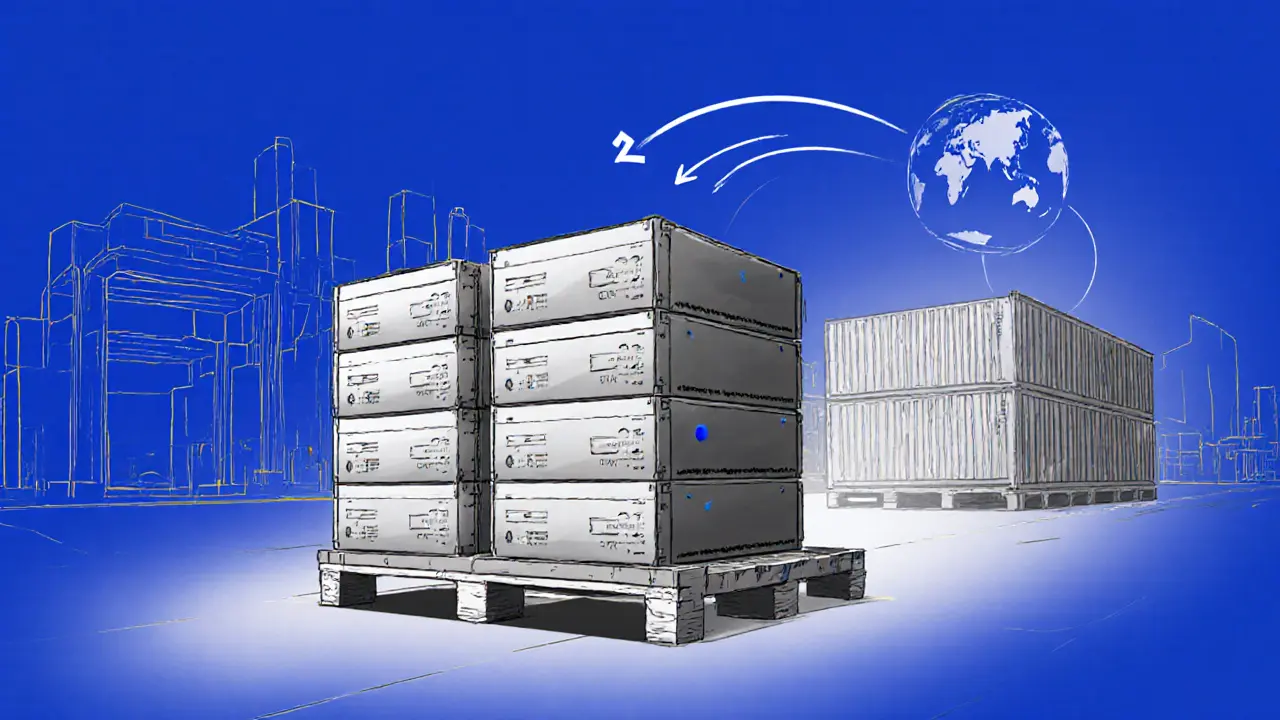
Chinese Crypto Mining Exodus: Where Bitcoin Miners Relocated
Explore why China's 2021 mining crackdown forced Bitcoin miners to relocate, the top new hubs like Kazakhstan and Texas, and what the shift means for the network.
VIEW MORE