
Solana Validator Cost: How Much It Really Takes to Run One in 2025
When you run a Solana validator, a node that helps secure and process transactions on the Solana blockchain. It’s not just about staking tokens—you’re literally powering part of the network. Also known as a validator node, it’s what keeps Solana fast, cheap, and decentralized. But here’s the thing: most people think it’s easy money. It’s not. The Solana validator cost adds up fast, and if you don’t know what you’re doing, you could spend thousands and earn nothing.
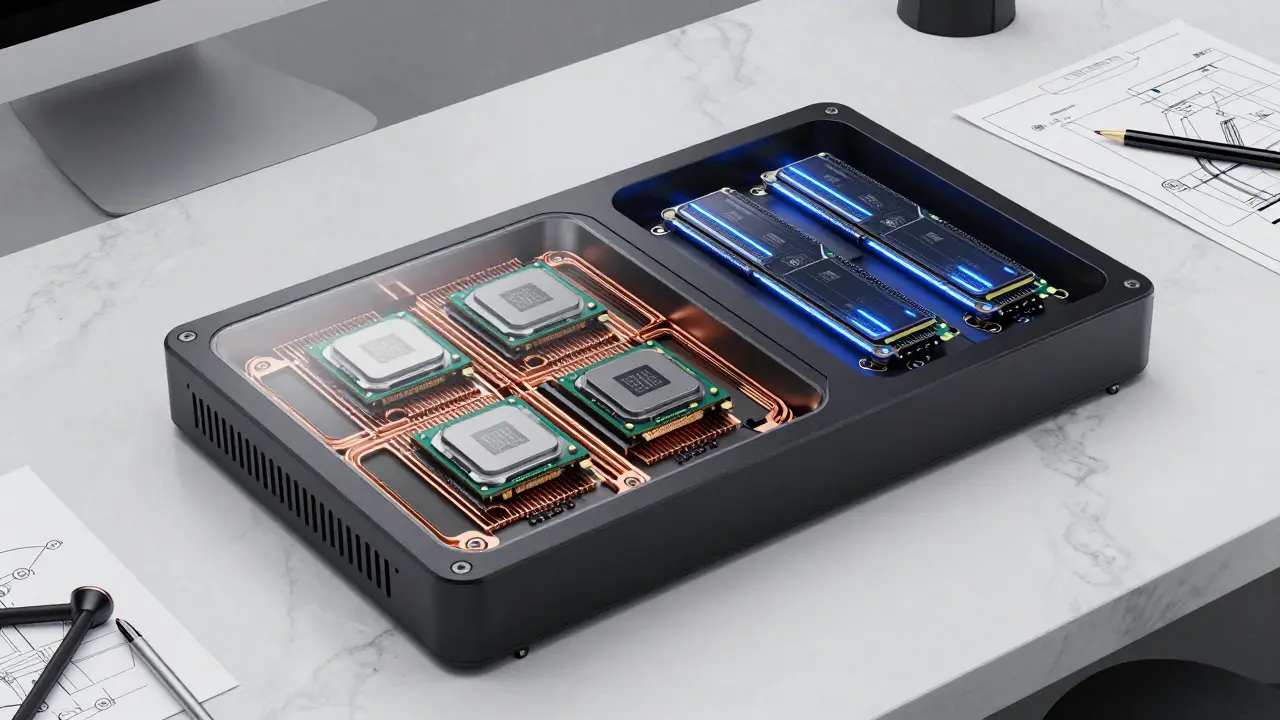
Let’s break it down. First, you need hardware. Solana isn’t like Bitcoin or Ethereum—it needs serious muscle. You’re looking at at least 128GB of RAM, a high-end CPU like an AMD EPYC or Intel Xeon, and NVMe SSD storage with 2TB+ capacity. That’s not a gaming PC. That’s server-grade gear. A decent setup runs $4,000–$6,000 upfront. Then there’s the internet. Solana validators need symmetrical 1Gbps+ bandwidth, 24/7 uptime, and zero lag. Good dedicated servers cost $300–$800 a month. And you can’t skip the cooling, power backup, or colocation fees if you’re not running it at home.
Then there’s the stake. You need to lock up at least 1 SOL to activate your validator, but most pros stake 1,000–10,000 SOL to earn meaningful rewards. At today’s prices, that’s $100,000–$1 million tied up. You don’t get that money back until you deactivate, and if your node goes offline even once a week, you lose rewards. Plus, Solana’s reward rate changes based on network usage, inflation, and how many other validators are online. Right now, you’re looking at 5–8% annual yield, but that’s before costs. After hardware depreciation, electricity, and hosting, your net profit might be 1–3%—if you’re lucky.
And it’s not just technical. You need to monitor your node daily. Updates happen weekly. Downtime means lost income. You need to know how to read logs, fix crashes, and respond to network forks. Most beginners don’t realize how much time this takes. It’s not passive income. It’s a part-time job with high stakes.
Some people try to cut corners with cloud providers like AWS or Google Cloud. They fail. Solana’s network is built for speed and low latency. Cloud nodes get penalized for ping spikes. Others rent validator slots from services like Marinade or Lido. That’s staking, not validating. You’re not running a node—you’re delegating. You don’t get the same control, and you’re trusting someone else’s setup.
So who actually runs a Solana validator? Not casual investors. Not people looking for quick returns. It’s developers, infrastructure teams, and serious crypto operators who understand the trade-offs. They know the cost isn’t just money—it’s time, skill, and reliability.
Below, you’ll find real breakdowns of validator setups, hidden fees people forget, and which hardware actually works without burning cash. Some posts show how much people lost trying to cut corners. Others reveal the exact specs used by top validators. No fluff. No hype. Just what it takes to make this work in 2025.
Validator Requirements for Different Blockchains: Hardware, Staking, and Costs Explained
Learn the real hardware, staking, and cost requirements to run a validator on Ethereum, Solana, Tron, Cosmos, and other major blockchains - and why most people should delegate instead.
VIEW MORE