
Turkey's Pivot Toward Comprehensive Crypto Regulation: What It Means for Traders and Businesses
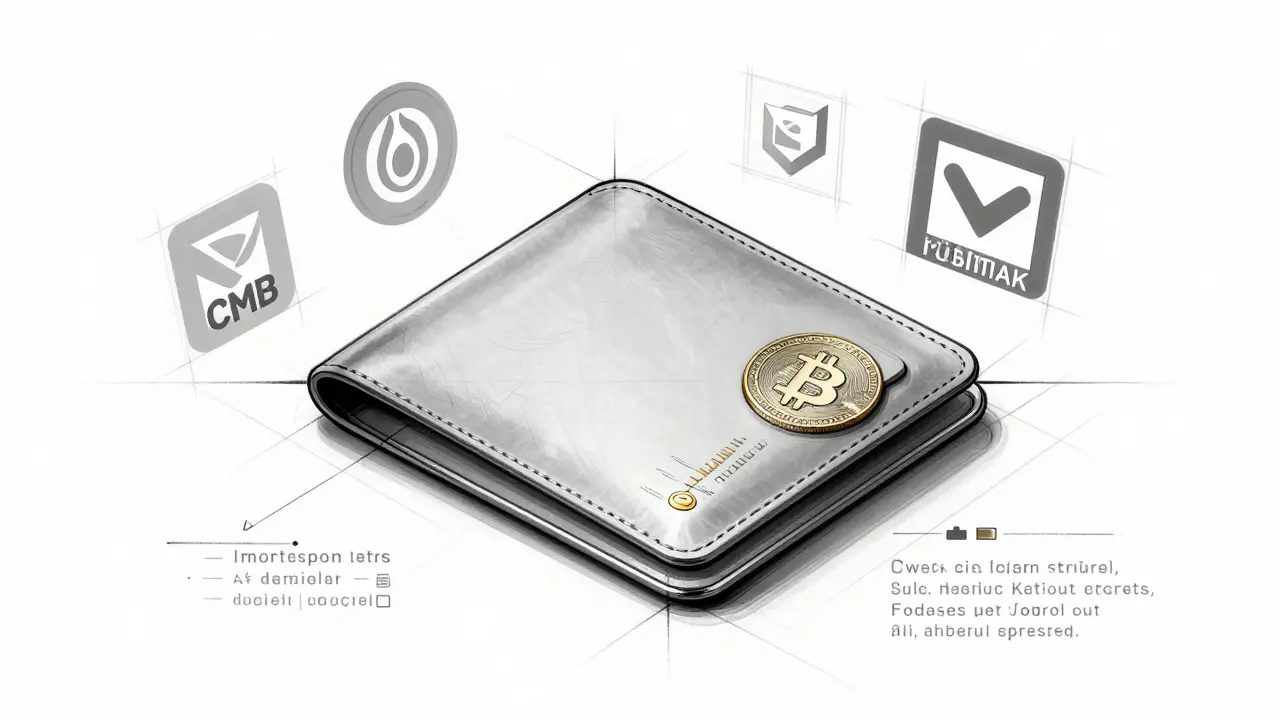
When Turkey banned cryptocurrency payments in 2021, many thought it was just another crackdown. But what followed wasn’t a simple restriction-it was the start of a full-scale overhaul of how digital assets operate in the country. By mid-2025, Turkey had built one of the most detailed and strict crypto frameworks in the world, not just to control money flows but to protect its currency, limit financial crime, and silence dissent under the guise of compliance.
The Payment Ban That Changed Everything
In April 2021, the Central Bank of Turkey didn’t outlaw crypto. It just said you couldn’t use it to buy coffee, pay bills, or order food online. Trading? Still legal. Owning Bitcoin or Ethereum? No problem. But using it as money? That was shut down. The goal was clear: stop digital assets from eating into the lira’s value. With inflation hitting 85% in 2022, the government couldn’t afford people turning to crypto as a hedge. So they made it useless for everyday spending. That decision forced users into a corner. If you wanted to trade, you had to go through licensed platforms. If you wanted to spend, you had to convert back to lira first. It wasn’t a ban on crypto-it was a ban on its utility. And that’s what made it so effective.Law No. 7518: The Legal Backbone of Turkey’s Crypto System
On June 26, 2024, everything changed. Law No. 7518 didn’t just tweak rules-it rewrote the entire legal landscape. For the first time, Turkey defined what a cryptoasset actually is. It spelled out what a wallet is, what a service provider does, and who’s responsible when things go wrong. Suddenly, there were clear rules, not just vague warnings. The law required every exchange, custodian, or trading platform operating in Turkey to get a license from the Capital Markets Board (CMB). The price of entry? At least 150 million Turkish lira (around $4.1 million) for exchanges. Custodians? Half a billion lira ($13.7 million). That’s not just a fee-it’s a wall. Most small platforms couldn’t afford it. By July 2024, only a handful of big players were still standing.Who’s Really in Charge?
Turkey didn’t just create one regulator. It built a three-layer system that watches every angle of crypto activity. The Capital Markets Board (CMB) is the boss. They issue licenses, set rules, and punish violators. Then there’s MASAK, the Financial Crimes Investigation Board. They don’t just look for money laundering-they can freeze your crypto and bank accounts without a court order. And if you’re flagged, your money vanishes before you can even call a lawyer. Then there’s TÜBİTAK, the tech watchdog. They make sure exchanges use secure systems, store data properly, and can’t be hacked. No more sketchy platforms with weak servers. Every licensed platform has to pass a technical audit before they can even open their doors. This isn’t just regulation. It’s control. Three agencies, each with power to shut you down, all working together.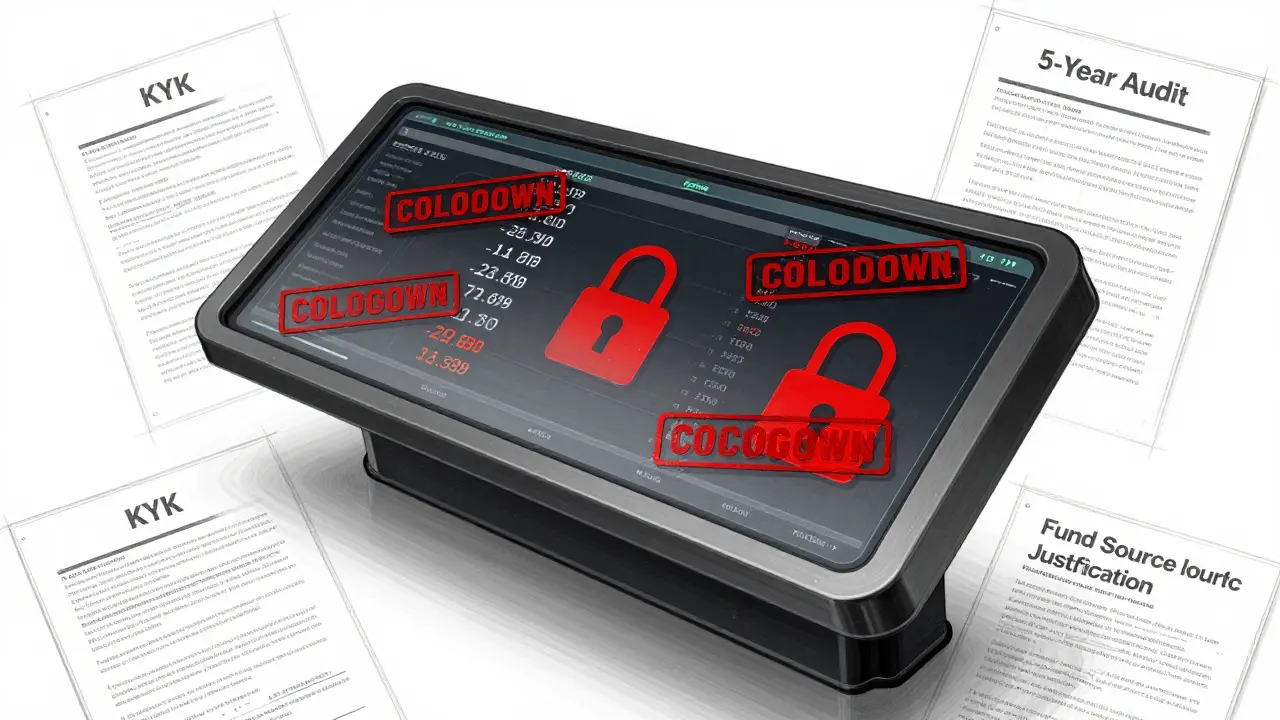
The July 2025 Crackdown: When the Walls Came Down
In July 2025, Turkey didn’t just enforce rules-it sent a message. Authorities blocked 46 unlicensed exchanges, including big decentralized platforms like PancakeSwap. These weren’t small operations. They were the go-to platforms for Turkish traders who wanted to avoid KYC, skip fees, or trade anonymously. The crackdown didn’t stop there. On July 28, the founder of ICRYPEX, one of Turkey’s largest exchanges, was arrested. The official reason? Funding opposition groups through crypto. The real message? If you’re too big, too popular, or too independent, you’re a threat. The state doesn’t just regulate crypto-it uses it as a tool for political control. After that, even the most tech-savvy traders started asking: Is it safer to stay compliant… or just leave?What It Feels Like to Trade in Turkey Today
If you’re using a licensed exchange now, things are more secure. Your identity is verified. Your funds are audited. You can’t be scammed by a fake platform. But it’s not free. Every transaction over 15,000 lira ($425) requires a full paper trail. You need to explain where the money came from, why you’re sending it, and what you plan to do with it. Some users report waiting weeks just to move funds. Others say their accounts get frozen for no clear reason-only to be unlocked after they provide even more documents. Reddit threads in Turkish crypto communities are full of complaints. “I sent 20,000 lira to buy ETH and got flagged for ‘suspicious behavior.’ I’m a teacher. I saved for years.” “I can’t use my crypto to pay for my daughter’s online courses. I have to convert to lira, then pay. It’s ridiculous.” Many have turned to offshore platforms. But Turkey’s internet filters now block those too. If you’re caught using an unlicensed site, your ISP can be forced to cut your access. Some users use VPNs. Others just give up.How Turkey Compares to the Rest of the World
Turkey’s system doesn’t look like the U.S., where crypto is regulated by the SEC, CFTC, FinCEN, and half a dozen state agencies-all at once. It doesn’t look like Switzerland, where crypto firms are welcomed with open arms. And it’s not China, where crypto is banned outright. It’s closer to the EU’s MiCA rules-but stricter. Turkey’s capital requirements are higher than Europe’s. Its payment ban is unique. No other major economy has allowed trading while banning spending. South Korea has licensing, but not the same level of political enforcement. Turkey’s model is emerging as a blueprint for other countries worried about inflation, capital flight, and political dissent. If you’re a government that fears losing control over money, Turkey’s approach is the playbook.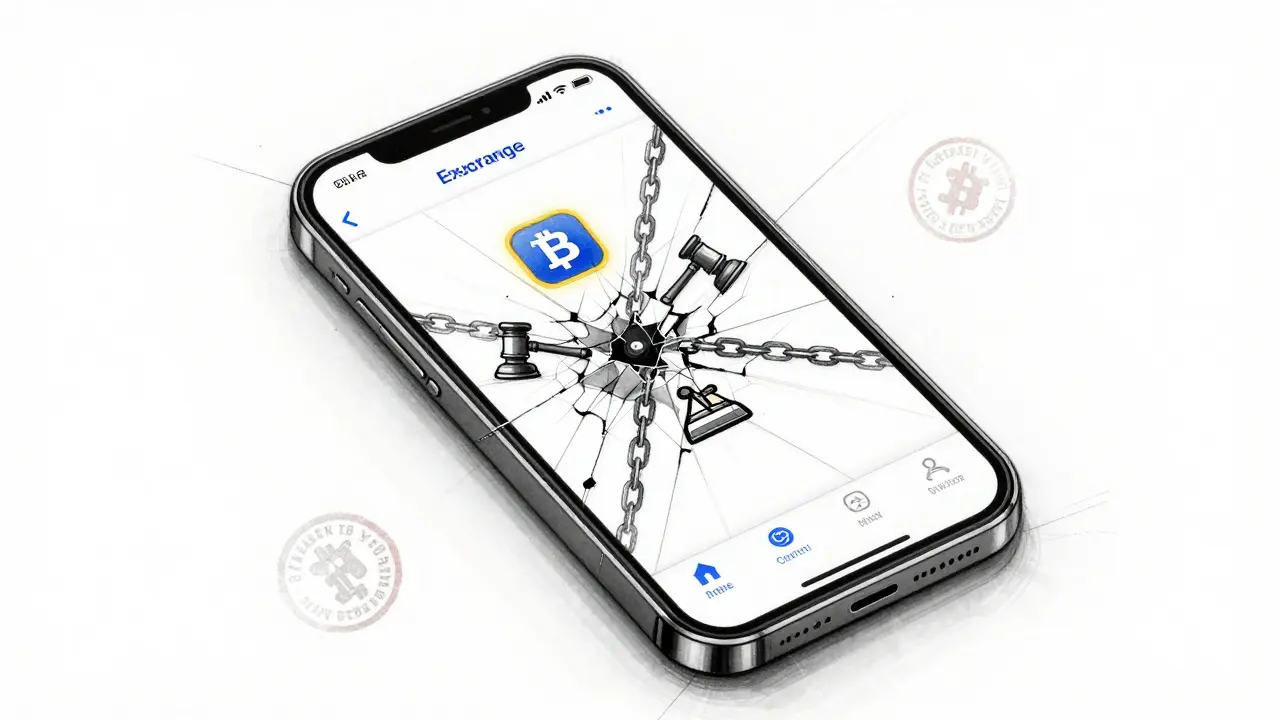
The Hidden Cost: Compliance and Control
For businesses, compliance isn’t optional-it’s a full-time job. Licensed exchanges now need teams of lawyers, auditors, and cybersecurity experts just to stay open. They must track every canceled trade, every failed login, every withdrawal request. Records must be kept for at least five years. The cost? A new exchange spends 6 to 12 months and millions of dollars just to get approved. That’s why only three or four big names still operate. Competition is dead. The market is now a duopoly. Even consultants have gotten rich. Law firms in Istanbul now specialize in Turkish crypto compliance. They charge $500 an hour just to explain what forms to fill out. Many international firms gave up before even starting. And the documents? Most are only in Turkish. If you’re not fluent, you’re at a disadvantage. The system isn’t just designed to regulate-it’s designed to exclude.What’s Next? The Next Wave of Restrictions
The government isn’t done. A new bill is coming, expected in early 2026, that will give MASAK even more power. It could allow them to freeze accounts based on algorithmic flags-no human review needed. Stablecoin transfers might be capped or banned entirely. Any crypto transaction above 15,000 lira could require not just KYC, but a written justification approved by a government officer. The goal? Stop capital flight. Stop crypto from being used to move money out of the country. Stop people from using digital assets to bypass the lira’s collapse. But what happens when people can’t use crypto to send money home? Turkey has over 5 million citizens living abroad. Many rely on crypto to send remittances cheaply. If that’s cut off, what’s the alternative? Banks? Fees will spike. Delays will grow. Families will suffer.Who Wins? Who Loses?
The state wins. They’ve centralized control over money. They’ve silenced unlicensed platforms. They’ve created a compliant, visible, trackable crypto market. Big exchanges win. They’re the only ones left standing. They’re now the gatekeepers. Traders and small businesses? They lose. They face delays, restrictions, and constant fear of being flagged. They can’t use crypto for what it was meant to do-be money. And the people who needed crypto most-the ones hurt by inflation, the ones without access to banks, the ones sending money home-now have fewer options than ever. Turkey didn’t just regulate crypto. It reshaped its entire financial culture. And the world is watching.Can I still trade cryptocurrency in Turkey?
Yes, but only through licensed platforms approved by the Capital Markets Board (CMB). Trading is legal, but you must complete full KYC verification. Unlicensed exchanges are blocked, and using them carries legal and financial risks.
Why can’t I use crypto to pay for goods in Turkey?
The Central Bank of Turkey banned crypto payments in 2021 to protect the lira from volatility and prevent digital assets from replacing the national currency. This ban remains in place under Law No. 7518, making it illegal for businesses to accept crypto as payment-even if they’re licensed.
What happens if I use an unlicensed crypto exchange in Turkey?
Using unlicensed exchanges is risky. These platforms are blocked by internet providers, and your account may be flagged by MASAK. Funds can be frozen without notice, and in extreme cases, users have faced legal action if their activity is linked to political dissent or money laundering.
How much does it cost to start a crypto exchange in Turkey?
To get a license, you need at least 150 million Turkish lira (around $4.1 million) in capital for an exchange, and 500 million lira ($13.7 million) for a custodian. Additional costs include legal compliance, technical audits, staffing, and ongoing reporting-all adding up to millions more over 6-12 months.
Can MASAK freeze my crypto without a court order?
Yes. Under Law No. 7518, the Financial Crimes Investigation Board (MASAK) has the authority to freeze crypto and bank accounts linked to suspected money laundering or suspicious activity without prior judicial approval. This power has been used repeatedly since 2025.
Is Turkey’s crypto regulation similar to the EU’s MiCA?
Turkey’s framework is modeled after the EU’s MiCA regulation but is stricter in key areas. It has higher capital requirements, a complete ban on crypto payments, and broader powers for authorities to freeze accounts. Unlike MiCA, Turkey’s system is centralized under one regulator (CMB) and includes political enforcement elements not found in the EU.
What percentage of Turks own cryptocurrency?
Surveys estimate over 20% of the Turkish population owns some form of cryptocurrency, making it one of the highest adoption rates globally. Despite restrictions, demand remains strong due to inflation and distrust in the lira.
rachael deal
January 3, 2026 AT 13:07Elisabeth Rigo Andrews
January 4, 2026 AT 04:47Adam Hull
January 6, 2026 AT 02:16Bruce Morrison
January 6, 2026 AT 09:41Andrew Prince
January 7, 2026 AT 18:59Alex Strachan
January 9, 2026 AT 08:33Antonio Snoddy
January 10, 2026 AT 02:53prashant choudhari
January 12, 2026 AT 01:01Willis Shane
January 12, 2026 AT 05:39Jake West
January 13, 2026 AT 09:39Abhisekh Chakraborty
January 14, 2026 AT 00:48dina amanda
January 15, 2026 AT 12:23Emily L
January 17, 2026 AT 04:31Gavin Hill
January 18, 2026 AT 19:27SUMIT RAI
January 19, 2026 AT 20:50Andrea Stewart
January 19, 2026 AT 21:39Josh Seeto
January 20, 2026 AT 13:24surendra meena
January 22, 2026 AT 04:07Kevin Gilchrist
January 23, 2026 AT 19:23Khaitlynn Ashworth
January 24, 2026 AT 18:27NIKHIL CHHOKAR
January 25, 2026 AT 13:33Mike Pontillo
January 26, 2026 AT 08:42Mandy McDonald Hodge
January 27, 2026 AT 10:06Jordan Fowles
January 27, 2026 AT 18:57Joydeep Malati Das
January 28, 2026 AT 07:54