Underground Crypto Trading in Tunisia: How to Navigate the Ban and Risks
You want to trade Bitcoin or Ethereum, but your bank account is frozen if you try. In Tunisia, holding cryptocurrency isn't just frowned upon; it’s technically illegal. Since May 2018, the Central Bank of Tunisia (BCT) has banned all crypto transactions. Yet, walk into any tech hub in Tunis or Sfax, and you’ll find traders swapping digital assets for cash using methods that would make a spy jealous.
This is the reality of the underground crypto trading in Tunisia. It’s a shadow economy born from strict prohibition, fueled by necessity, and driven by tech-savvy citizens who refuse to be locked out of the global financial system. But this freedom comes with a heavy price tag: legal risk, banking headaches, and constant vigilance.
Why Tunisia Banned Crypto (And Why It Didn’t Work)
To understand the underground market, you have to look at why it exists. The BCT didn’t wake up one day and decide to hate Bitcoin. Their primary concern was capital flight. Tunisia has strict currency controls on the Tunisian Dinar, designed to protect the national economy from volatility. Regulators feared that if people could easily convert dinars to crypto, they’d drain foreign reserves.
There’s also a cultural layer. Tunisia adheres to Islamic finance principles, which generally prohibit speculative assets without underlying tangible value. While some scholars argue certain cryptos fit Sharia law, the state took a hardline stance to avoid ambiguity. From 2013 to 2017, crypto existed in a gray area. Then, in 2018, the lights went out. The ban transformed a regulatory gap into a criminal offense.
Ironically, the ban created the very problem regulators feared. Instead of stopping capital flow, it pushed it underground. Now, the state loses oversight, tax revenue, and control over where money goes. Meanwhile, a generation of Tunisians became experts in circumvention.
The Infrastructure of the Shadow Market
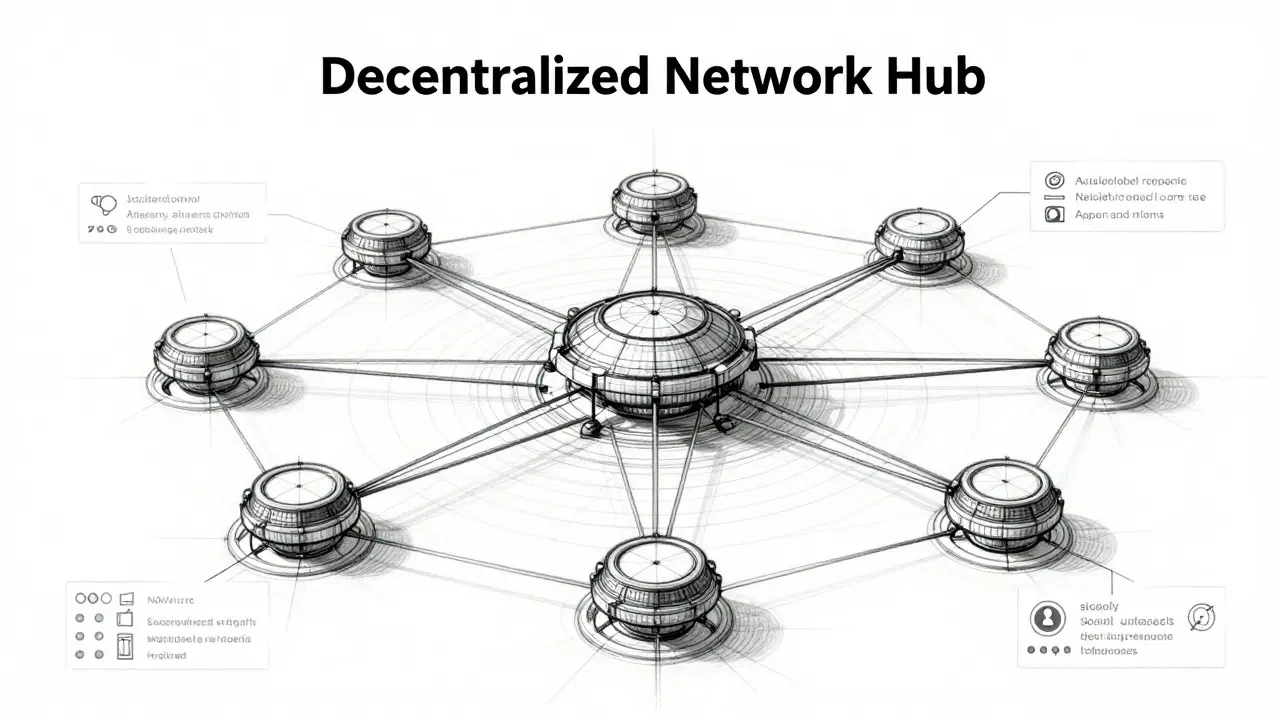
If there are no licensed exchanges in Tunisia, how do trades happen? The answer is Peer-to-Peer (P2P) platforms. These sites act as intermediaries between buyers and sellers, allowing direct transfers without a central authority holding funds.
Binance P2P is currently the dominant platform for Tunisian traders. It offers high liquidity, meaning you can usually find someone willing to buy or sell within minutes. Other platforms like LocalBitcoins were popular earlier but have seen reduced activity due to stricter global compliance rules. For more obscure coins, traders might use decentralized exchanges (DEXs), but these require technical know-how and often lack the ease of fiat conversion.
| Platform | Primary Use Case | Risk Level | Fiat Support |
|---|---|---|---|
| Binance P2P | Buying/Selling BTC, ETH, USDT | Medium (High user base, but monitored) | TND via Cash/Bank Transfer |
| LocalBitcoins | Direct peer deals | High (Lower liquidity now) | TND via various methods |
| UEEx / MEXC | Altcoin trading | Medium (Less known locally) | Limited direct TND support |
| Trust Wallet / MetaMask | Holding & Swapping | Low (Self-custody) | None (Crypto-only) |
The most traded assets are Bitcoin, Ethereum, and USDT (Tether). USDT is particularly popular because it’s stable. Traders use it to park their value when they fear market crashes or banking freezes, acting as a digital dollar substitute.
How Traders Actually Move Money (The Hard Part)
Buying crypto is easy. Getting Tunisian Dinars out is the nightmare. This is the bottleneck of the entire underground ecosystem. Tunisian banks automatically flag and block transactions linked to crypto-related keywords or suspicious patterns. If you try to withdraw crypto profits to your bank account, expect an immediate freeze and a call from compliance officers.
So, how do people get paid? They don’t use standard bank wires for the final step. Instead, they rely on cash-in-hand meetings. You meet a seller in a public place-often a mall or a café-and exchange physical cash for a crypto transfer on your phone. It sounds old-school, but it’s effective. No digital trail links the cash to the crypto.
Another method involves "smurfing" or breaking large amounts into smaller, less suspicious transfers through friends’ accounts, though this carries higher legal risk if discovered. Some traders also use prepaid cards or mobile money services, but these are increasingly monitored by the Tunisian Financial Analysis Committee (CTAF).
The Legal Risks: More Than Just a Fine
Let’s be clear: trading crypto in Tunisia is not a victimless crime in the eyes of the law. The penalties are severe. In 2021, a teenager was jailed for operating a small-scale crypto exchange. This case sent shockwaves through the community and sparked cabinet-level debates about decriminalization.
Currently, the legal framework treats crypto possession and trading as violations of monetary laws. Banks monitor accounts closely. If they spot irregularities, they report to CTAF. Suspicious Transaction Reports (STRs) must be filed within 10 days. For traders, this means living with the sword of Damocles hanging over every transaction.
However, enforcement is inconsistent. Small-time retail traders rarely face jail time unless they’re running large operations or laundering money. The government tends to focus on big fish. Still, the threat of account freezing alone is enough to keep most traders cautious. Always assume your bank knows more than you think.
Staying Invisible: Tools and Techniques
If you’re navigating this space, visibility is your enemy. Here’s how the underground community stays under the radar:
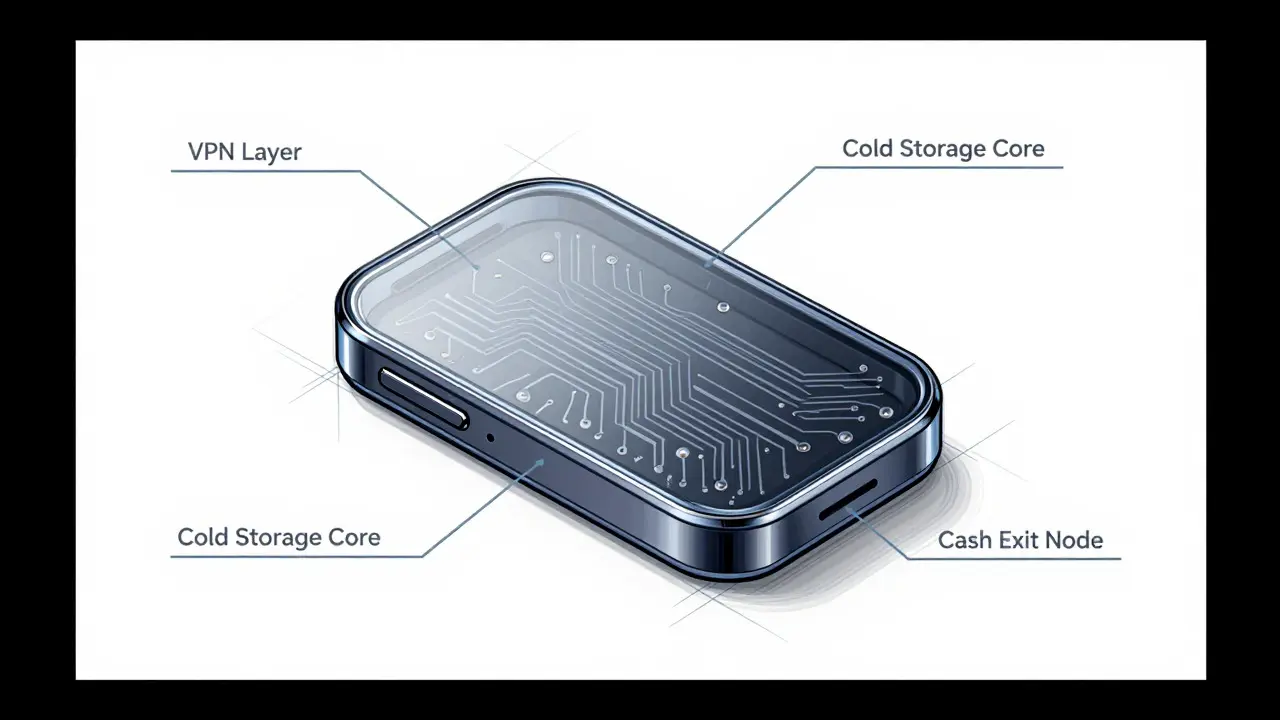
- VPNs are mandatory: Government internet restrictions sometimes target crypto websites. A reliable VPN masks your IP address and location. Don’t use free ones; they log data. Stick to reputable providers with a no-logs policy.
- Separate wallets: Never link your main bank account directly to a crypto wallet. Use a dedicated email and phone number for exchanges. Keep your hot wallet (connected to the internet) separate from your cold storage (offline hardware wallet) for long-term holdings.
- Cash is king: As mentioned, prefer cash settlements for P2P trades. Avoid leaving paper trails in banking apps that mention "crypto," "exchange," or "bitcoin."
- Know your counterparty: On P2P platforms, check merchant ratings meticulously. Scams exist. Meet in safe, public locations. Verify the release of funds before handing over cash.
Traders also use international platforms like KuCoin, OKX, and Gate.io, accessed via VPN. These offer advanced tools and lower fees than local workarounds, but they require careful KYC (Know Your Customer) management. Many Tunisians use passports from dual citizenships or residency permits from other countries to bypass regional restrictions on these platforms.
The Brain Drain and Future Outlook
The ban hasn’t just created an underground market; it’s exported talent. Many Tunisian developers and entrepreneurs have moved to Canada, Switzerland, or Dubai, where crypto is regulated and welcomed. This brain drain deprives Tunisia of innovation and potential tax revenue. Meanwhile, the state postal service, Poste Tunisienne, ironically works on blockchain payment systems, highlighting the contradiction in policy.
Is change coming? Yes, slowly. Parliamentary committees are reviewing draft bills to decriminalize possession and create a licensing regime. The Central Bank is researching a Central Bank Digital Currency (CBDC). This suggests a shift from total prohibition to controlled regulation. However, timelines are uncertain. Until legislation passes, the underground market remains the only option for most.
For now, the trend is toward sophistication. Traders are moving beyond simple buying and selling into DeFi (Decentralized Finance) and NFTs, albeit cautiously. The resilience of this market proves that technology outpaces regulation. People will find a way to participate in the global economy, even if the state says no.
Practical Checklist for Tunisian Traders
If you decide to enter this space, treat it like a high-stakes operation. Follow this checklist to minimize risks:
- Start small: Test the waters with minimal amounts to understand the flow of cash and crypto.
- Verify identities: When meeting peers, ask for ID. Trust, but verify.
- Use escrow: Always use the P2P platform’s escrow service. Never release crypto until cash is in hand, and never hand over cash until crypto is confirmed in your wallet.
- Keep records private: Store transaction logs offline. Don’t discuss trades on social media or unencrypted messaging apps.
- Stay updated: Laws change. Follow local news and community forums for updates on enforcement actions or legislative shifts.
- Diversify exit routes: Don’t rely on one buyer or seller. Build a network of trusted contacts.
Is crypto completely illegal in Tunisia?
Yes. Since May 2018, the Central Bank of Tunisia has banned all cryptocurrency transactions. While possession isn't always prosecuted heavily for individuals, trading and exchanging crypto for fiat currency is illegal and can lead to fines, account freezes, or imprisonment.
Can I use Binance in Tunisia?
Technically, yes, but you need a VPN to access it reliably. Binance P2P is the most common way Tunisians buy and sell crypto. However, linking your Tunisian bank account directly to Binance is risky and likely to trigger alerts from your bank.
What happens if my bank finds out I'm trading crypto?
Your bank may freeze your account immediately. They are required to report suspicious activities to the Tunisian Financial Analysis Committee (CTAF). This can lead to investigations, potential fines, and legal action depending on the volume of transactions.
Are there any legal ways to invest in blockchain in Tunisia?
Not directly for cryptocurrencies. However, investing in blockchain technology companies (like those working on supply chain or voting systems) is legal. The ban specifically targets virtual currencies, not the underlying technology itself.
Will Tunisia legalize crypto soon?
There are ongoing discussions in parliament about decriminalizing possession and creating a licensing regime. The Central Bank is also exploring CBDCs. However, no specific timeline has been set, so traders should assume the current ban remains in effect.