
Unifi Protocol DAO Review: Not an Exchange, But a DeFi Powerhouse
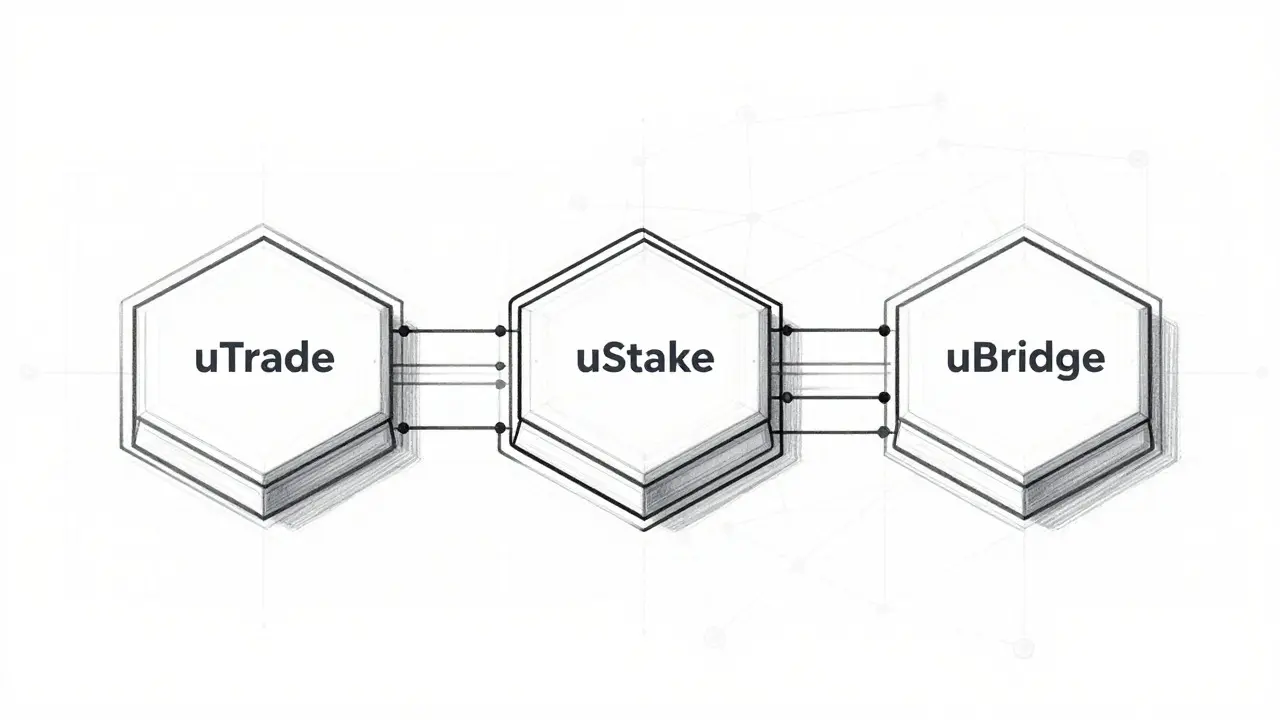
Here is the hard truth you need to hear before you spend another minute searching for a login page or a deposit button: Unifi Protocol DAO is not a cryptocurrency exchange. If you are looking for a centralized platform like Binance or Coinbase where you can click "Buy" and hold your funds in a wallet managed by the company, you are looking in the wrong place. Unifi is something different. It is a decentralized application (DApp) ecosystem built on the blockchain, designed to let you trade, stake, and bridge assets across multiple networks without giving up control of your private keys.
This distinction matters more than you might think. When people search for an "Unifi exchange review," they often hit a wall because the interface looks nothing like a traditional trading app. Instead of a customer support chatbot, you have smart contracts. Instead of a KYC form, you have a wallet connection. Understanding this shift from centralized to decentralized finance (DeFi) is the first step to using Unifi effectively. Let’s break down what Unifi actually is, how its components work, and whether it deserves a spot in your portfolio as of 2026.
What Is Unifi Protocol DAO?
To understand Unifi, you have to look at its structure. Launched initially on Ethereum, Unifi Protocol is a cross-chain decentralized finance infrastructure that allows users to interact with various blockchains through a single interface. It operates under a Decentralized Autonomous Organization (DAO) model, which means no single CEO or board of directors controls the project. Instead, decisions about the protocol’s future are made by holders of the UNFI token serves as the governance token for the Unifi Protocol DAO, allowing holders to vote on proposals and updates.
The ecosystem is built around three main pillars:
- uTrade: A decentralized exchange (DEX) aggregator that lets you swap tokens across different chains.
- uStake: A multi-chain staking solution that earns you rewards for locking up your assets.
- uBridge: A cross-chain bridging platform that moves assets between networks like Ethereum and Binance Smart Chain.
There is also a utility token called UP, which works alongside UNFI within the ecosystem. While UNFI gives you voting power, UP is used for operational functions within the protocol. This separation is common in modern DeFi projects, aiming to balance governance with daily utility.
How uTrade Works: The "Exchange" Component
When people talk about Unifi as an exchange, they are usually referring to uTrade is the decentralized exchange component of Unifi Protocol that aggregates liquidity from multiple sources to offer better swap rates. Unlike a centralized exchange that holds your money, uTrade connects directly to your wallet. You approve a transaction, and the smart contract executes the swap.
The big advantage here is cross-chain capability. In the early days of crypto, if you wanted to move Bitcoin to Ethereum, you needed a complex bridge or a centralized intermediary. With uTrade, the protocol handles the complexity behind the scenes. It scans multiple liquidity pools-think of them as giant pots of money provided by other users-to find you the best price for your swap. This is similar to how flight aggregators compare prices across airlines, but for crypto tokens.
However, there is a catch. Because it is non-custodial, if you lose your private key or send tokens to the wrong address, there is no customer support team to call. Your security depends entirely on your own vigilance. This is the core trade-off of DeFi: total freedom comes with total responsibility.
Token Economics and Price Reality Check
Let’s talk numbers, because the data surrounding UNFI is messy. As of late 2025, UNFI was trading in the range of $0.13 to $0.14 on major platforms like Bybit. The Relative Strength Index (RSI), a technical indicator that measures momentum, sat around 40.59, suggesting neutral market conditions with slight bearish pressure. Support levels were identified near $0.135, while resistance hovered around $0.148.
If you scroll through online forums, you will see wild predictions. Some sites claim UNFI could hit $65 or even $400 by 2041. Others predict a crash to pennies. Here is the reality: these long-term forecasts are largely speculative noise. They rely on historical patterns that may not apply to a project facing real-world challenges. The more reliable data points come from recent performance metrics. For instance, CoinMarketCap noted in April 2025 that UNFI failed periodic reviews on some exchanges due to low user interest and trading volume. This is a red flag that every investor should take seriously.
| Feature | Unifi Protocol (uTrade) | Centralized Exchange (e.g., Binance) |
|---|---|---|
| Custody of Funds | Non-custodial (You hold keys) | Custodial (Exchange holds keys) |
| KYC Required | No | Yes |
| Cross-Chain Swaps | Native support via uBridge | Limited or requires manual withdrawal/deposit |
| Governance | DAO-based (UNFI holders vote) | Corporate leadership |
| User Base Size | Smaller, niche DeFi users | Massive, retail and institutional |
Risks and Challenges: The Liquidity Problem
You cannot review Unifi without addressing the elephant in the room: liquidity and adoption. DeFi protocols live or die by their user base. Without enough traders providing liquidity, slippage (the difference between expected price and executed price) increases, making trades expensive. The mention of "low user interest" in mid-2025 suggests that Unifi is struggling to compete with giants like Uniswap or PancakeSwap.
There are also practical hurdles. UNFI exists on both Ethereum (ERC-20) and Binance Smart Chain (BEP-20). If you deposit ERC-20 UNFI into a BEP-20 address, you could lose your funds permanently. This isn’t a bug; it’s a feature of how blockchains work, but it is a significant barrier for beginners. Many exchanges have started delisting low-volume tokens to save fees, which adds another layer of risk. If your preferred exchange drops UNFI, you might find yourself stuck trying to move assets off-platform.
Future Outlook: Stablechain and Beyond
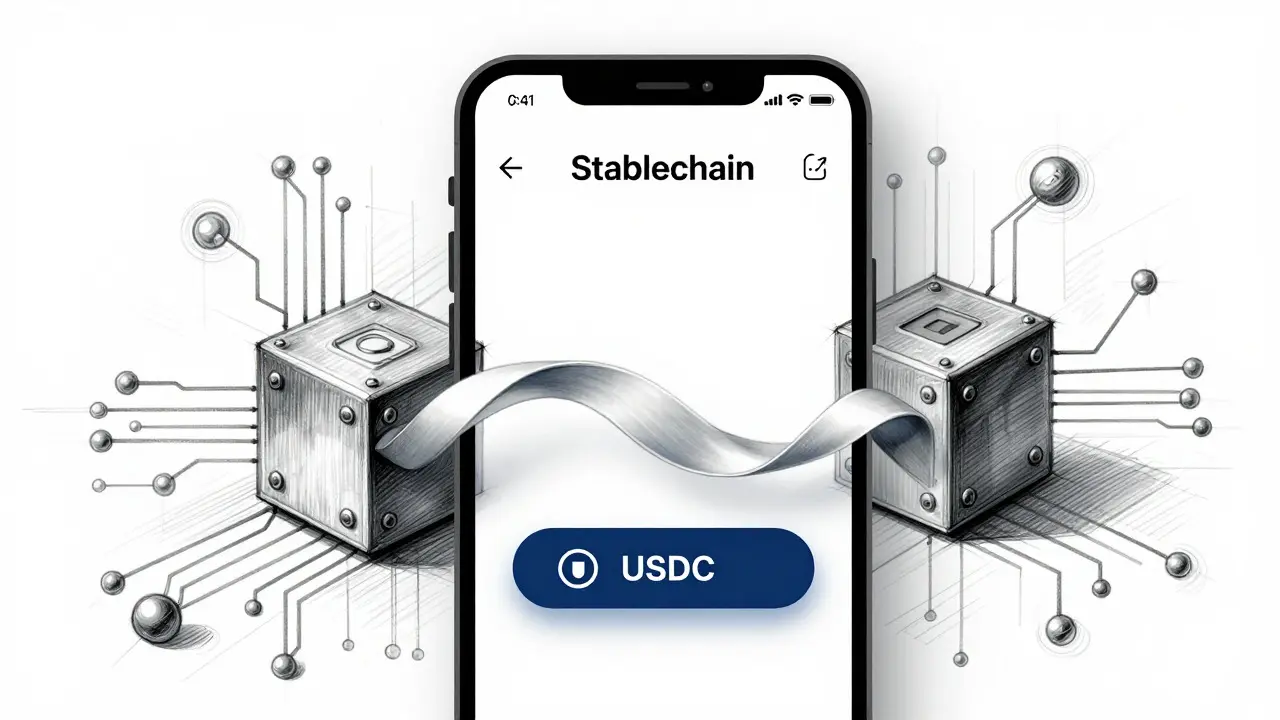
Is there hope? Yes, but it hinges on development. Unifi is working on a project called Stablechain is a proposed blockchain platform by Unifi where gas fees are paid in stablecoins rather than native cryptocurrencies. This is a clever idea. Currently, paying for transactions on Ethereum requires ETH, which fluctuates wildly. If you want to buy $10 worth of tokens, you don’t want to calculate how much ETH to pay for gas when ETH is up 5% today. Stablechain aims to solve this by allowing gas payments in stablecoins like USDC, making costs predictable.
If Stablechain launches successfully and gains traction, it could revitalize interest in the UNFI token. However, as of early 2026, concrete progress updates are scarce. The project needs to demonstrate tangible adoption, not just promise it. The competitive landscape is brutal, with new Layer-2 solutions and cross-chain bridges emerging monthly.
Who Should Use Unifi?
Unifi is not for everyone. If you are a beginner who wants to buy crypto with a credit card and forget about it, stick to centralized exchanges. Unifi is for the technically savvy DeFi enthusiast who understands wallets, gas fees, and the risks of smart contracts. It appeals to users who value privacy (no KYC) and cross-chain flexibility over ease of use.
For investors, UNFI is a high-risk, high-reward play. The potential for growth exists if the DAO delivers on its roadmap and Stablechain takes off. But the current lack of volume and competing alternatives makes it a speculative asset at best. Always do your own research, check the latest audit reports, and never invest more than you can afford to lose.
Is Unifi Protocol a safe place to store my crypto?
Unifi itself does not store your crypto. As a decentralized protocol, your funds remain in your personal wallet unless you actively stake them or provide liquidity. Safety depends on your wallet security and the integrity of the smart contracts. Always verify contract addresses and keep your private keys secure.
Can I buy UNFI on Binance or Coinbase?
Availability varies. As of late 2025, UNFI was listed on exchanges like Bybit, but many major centralized exchanges have delisted it due to low trading volume. You may need to use decentralized exchanges like uTrade or smaller CEXs to acquire UNFI. Always check current listings before attempting to buy.
What is the difference between UNFI and UP tokens?
UNFI is the governance token, meaning holders can vote on protocol changes. UP is the utility token used for specific functions within the Unifi ecosystem, such as fee discounts or access to certain features. They serve different purposes within the same network.
Why did some exchanges delist UNFI?
Exchanges typically list tokens based on trading volume and user interest. Low activity means lower fees for the exchange, making it economically unviable to maintain the listing. This was cited as the reason for UNFI failing periodic reviews on several platforms in 2025.
Is Unifi Protocol available on mobile?
Yes, the Unifi interface is web-based and responsive, meaning it works well on mobile browsers. You do not need a dedicated app store download to use uTrade or uStake, though you will need a compatible mobile wallet like MetaMask or Trust Wallet connected to your browser.