
Whale Watch: How Crypto Whales Move Prices

Imagine waking up to find your portfolio down 30% in fifteen minutes. You didn't sell. The news wasn't bad. A single trader with a massive wallet just decided to dump their position. This is the reality of crypto whales. These aren't sea creatures; they are individuals or entities holding enough cryptocurrency to move markets with a single click. If you've ever wondered why Bitcoin spikes for no apparent reason, or why a small altcoin crashes despite good fundamentals, you're likely watching a whale swim.
The term "whale" isn't new. It migrated from traditional finance into crypto around 2014, as Bitcoin started hitting mainstream headlines. But the power these players hold today is different. In traditional stocks, regulations and liquidity buffers dampen individual impact. In crypto, the wild west nature means one person can trigger a cascade. Recent data shows that extreme concentration exists: Bitstamp analysis reveals that nearly 40% of all Bitcoin sits in fewer than 2,000 wallets. That’s not just wealth inequality; that’s market control.
Who Are the Whales?
Not all whales are villains. Some are early adopters who bought Bitcoin when it cost pennies. Others are institutional funds managing billions. The definition is simple: if your trade moves the needle, you’re a whale. For Bitcoin, this might mean holding over 1,000 BTC. For smaller tokens like XPL, a few thousand dollars might qualify.
The distinction matters because intent varies. A long-term holder (HODLer) moving coins to cold storage isn’t trying to manipulate price. They’re securing assets. A speculator dumping into retail euphoria is playing a game. Nansen, a leading on-chain analytics platform, notes that many whales are simply rebalancing portfolios. However, the market doesn’t always distinguish between benign accumulation and malicious dumping until it’s too late.
| Asset Type | Daily Volume | Whale Threshold | Price Impact Risk |
|---|---|---|---|
| Bitcoin (BTC) | >$20 Billion | >$10 Million | Low-Medium |
| Ethereum (ETH) | >$10 Billion | >$5 Million | Medium |
| Mid-Cap Altcoins | $50M - $500M | >$1 Million | High |
| Small-Cap Tokens | <$50 Million | >$100,000 | Extreme |
The Mechanics of Manipulation
How do whales actually move prices? It’s rarely just about selling everything at once. It’s about psychology and order books. Two common tactics are buy walls and sell walls.
A sell wall is a massive limit order placed above the current price. It looks like someone wants to sell thousands of coins at $65,000. Retail traders see this huge barrier and think, "I can't break through that," so they start selling lower to get out before the price drops further. The whale then buys back in at the lower price. Often, that big sell order gets cancelled before it’s even hit. This is called spoofing. It’s fake pressure designed to scare you.
Wash trading is another favorite. Here, a whale sells to themselves. They buy and sell rapidly between two wallets they control. On the surface, volume spikes. Charts look active. New investors see high volume and assume demand is real. In reality, it’s an echo chamber. This artificial hype attracts retail money, which the whale then dumps on.
Real-World Impact: The XPL Case Study
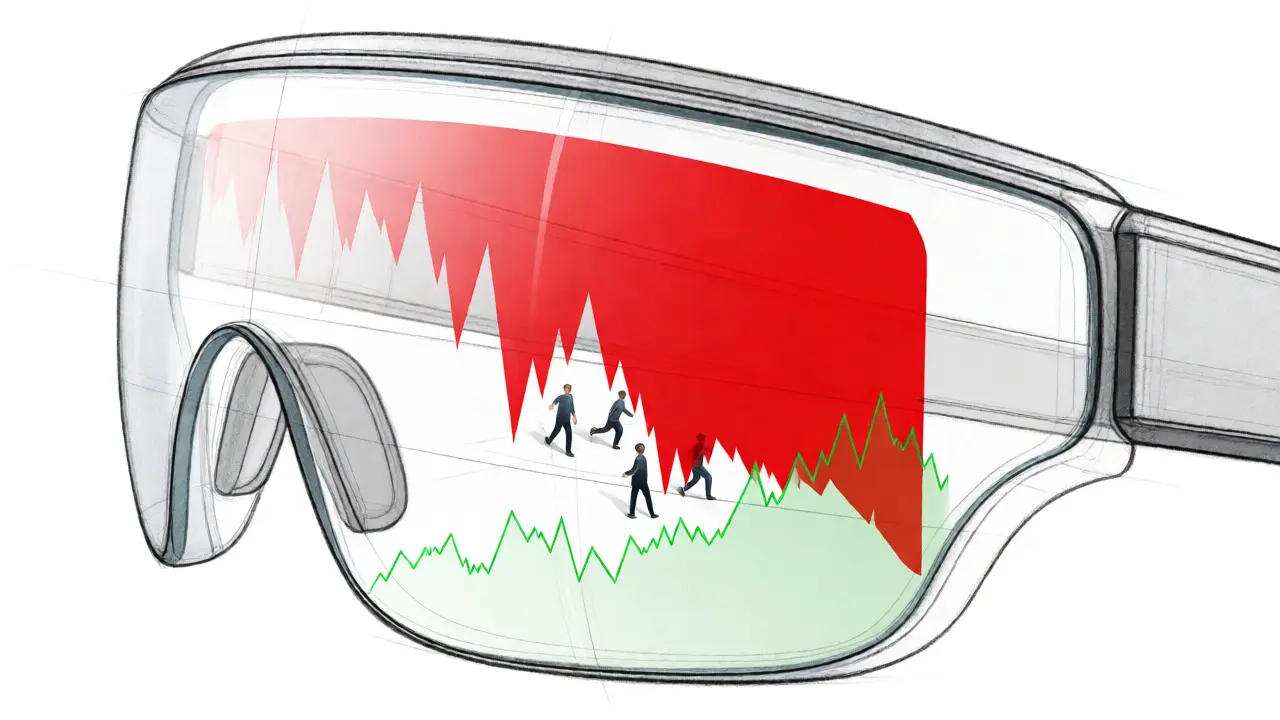
Let’s look at a concrete example. In August 2023, Huang Licheng reduced his holdings in the XPL token by 700,000 tokens. At the time, that was worth roughly $1 million. Sounds small compared to Bitcoin? Not in the world of low-cap altcoins.
XPL had a thin order book. When Licheng sold, there weren’t enough buyers to absorb the supply. The price swung wildly between $1.12 and $1.50 within hours. Traders using leverage got liquidated. OneSafe reported an $8 million unrealized loss across affected positions. A Reddit user named u/CryptoNewbie2023 summed it up perfectly: "Lost 30% of my portfolio in 15 minutes... feels rigged." He wasn't wrong. His stop-loss triggered because the whale moved faster than the market could adjust.
This illustrates a key rule: liquidity is your shield. In deep markets like Bitcoin, a $10 million sale barely moves the price. In shallow markets, it causes a tsunami.
Tracking the Giants
You don’t need a Bloomberg terminal to spot whales. Blockchain transparency is your best friend. Every transaction is public. Tools like Nansen, Glassnode, and free services like Whale Alert track large movements.
Nansen classifies wallets into "smart money" and "retail." Smart money wallets often show consistent accumulation patterns-buying slowly over weeks. Retail wallets panic-sell. By watching where smart money flows, you can anticipate trends. For instance, if whales are moving stablecoins onto exchanges, it often signals buying interest. If they move Bitcoin off exchanges to cold wallets, it suggests they’re holding long-term, reducing immediate sell pressure.
However, beware of false positives. Free alert services often flag exchange-to-exchange transfers as whale activity. These are usually internal accounting moves, not market trades. Nansen estimates that nearly 43% of alerts from basic tools are noise. Always verify context. Did the whale buy or sell? Did they move to an exchange (potential sell) or to a personal wallet (potential hold)?
Strategies for Retail Investors
So, how do you survive? You can’t beat them, but you can join them-or at least avoid getting eaten.
- Use Stop-Losses Wisely: Don’t set tight stops in volatile altcoins. Give the asset room to breathe. A 5% swing might be noise; a 20% swing is a signal.
- Watch Order Books: Look for sudden changes in depth. If a massive buy wall appears and stays, support is strong. If it flickers and disappears, it’s likely spoofing.
- Ignore FOMO Spikes: If volume doubles without news, suspect wash trading. Wait for confirmation before jumping in.
- Diversify Holdings: Don’t put all your capital in one low-cap token. Spread risk across Bitcoin, Ethereum, and a few established altcoins to dilute single-whale impact.
Remember, whale activity is a double-edged sword. During the March 2020 crash, whales helped stabilize markets by buying into panic. But they also triggered billions in liquidations through coordinated shorting. Understanding their behavior doesn’t guarantee profit, but it prevents you from being the exit liquidity.
What exactly defines a crypto whale?
A crypto whale is typically defined as an individual or entity holding a significant amount of cryptocurrency relative to the total supply, capable of influencing market prices. For Bitcoin, this is often considered 1,000+ BTC. For smaller altcoins, the threshold is lower, sometimes just enough to move the daily trading volume by more than 5%.
Are whale transactions always manipulative?
No. Many whales are legitimate institutional investors or early adopters rebalancing their portfolios. Nansen data suggests that consistent accumulation patterns often indicate long-term confidence rather than manipulation. Malicious activities like spoofing and wash trading are specific subsets of whale behavior.
How can I track whale activity for free?
You can use blockchain explorers like Etherscan or Blockchain.com to monitor large transactions manually. Additionally, Telegram channels and Twitter bots like Whale Alert provide real-time notifications of transactions exceeding certain dollar thresholds, though you should filter out exchange-internal transfers to reduce noise.
Why do low-cap tokens react more strongly to whales?
Low-cap tokens have thinner order books, meaning there are fewer buy and sell orders at each price level. A large market order consumes available liquidity quickly, causing the price to jump or drop significantly to find new matching orders. High-volume assets like Bitcoin have deeper liquidity, absorbing large trades with minimal price change.
What is a 'buy wall' in crypto trading?
A buy wall is a large limit order placed below the current market price, representing a substantial quantity of cryptocurrency a buyer is willing to purchase. It acts as psychological support, signaling to other traders that there is strong demand at that price level. However, these walls can be fake (spoofed) and withdrawn instantly to create false confidence.