
What is Bitget Wallet Token (BWB)? Utility, Price & Future Merger Explained
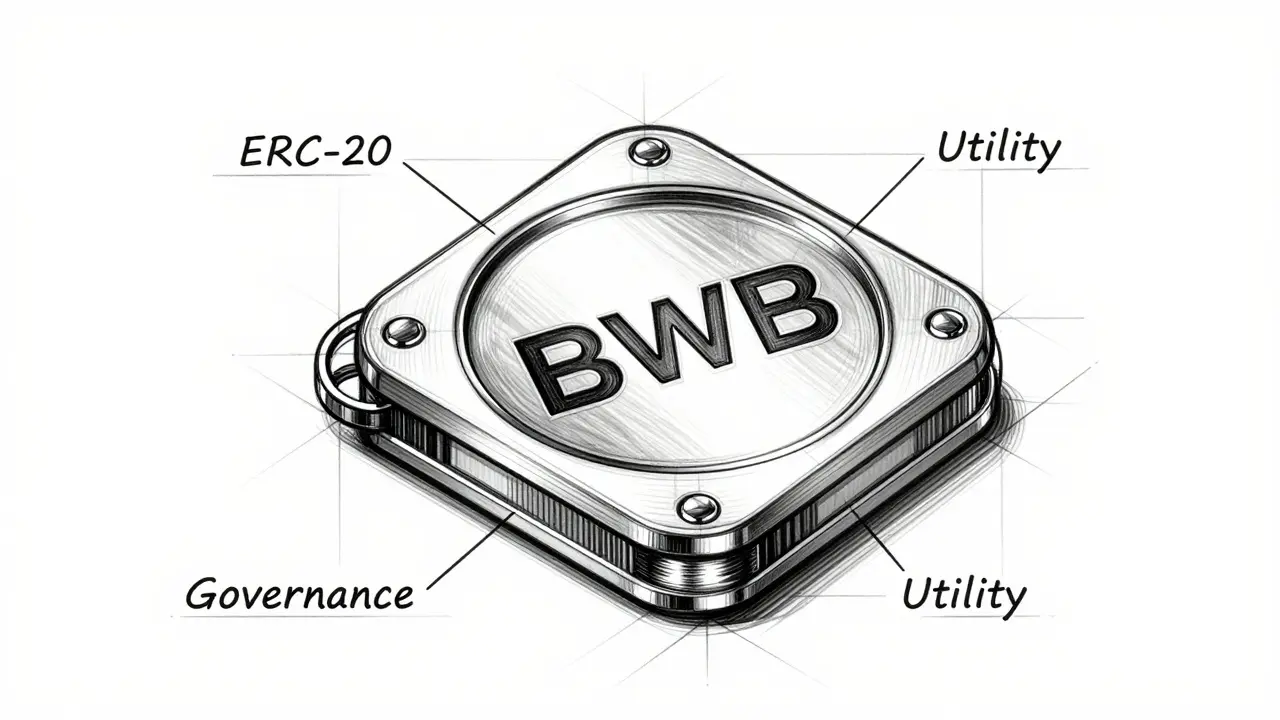
You’ve probably seen the ticker BWB pop up on your screen while navigating the Bitget platform. But what exactly is this token, and why does it matter if you’re using a non-custodial wallet? In short, Bitget Wallet Token (BWB) is the native utility and governance token of the Bitget Wallet ecosystem. It’s not just another coin to hoard; it’s a key that unlocks specific features, voting rights, and rewards within one of the world’s largest decentralized finance platforms.
However, there is a major twist in the story right now. If you are looking at long-term holding strategies, you need to know about the upcoming changes in the Bitget ecosystem. This guide breaks down what BWB is, how you use it today, and what you need to prepare for regarding its future integration with other tokens.
The Core Identity: What Is BWB?
To understand BWB, you first have to look at where it lives. It operates primarily as an ERC-20 token on the Ethereum blockchain. This technical foundation means it fits seamlessly into the vast infrastructure of Ethereum-based applications. However, calling it just an "Ethereum token" undersells its reach. Through cross-chain technology, BWB functions across more than 100 blockchains and EVM-compatible networks.
Think of BWB as the currency of loyalty and access for the Bitget Wallet community. Launched alongside the expansion of the Bitget Wallet, a non-custodial Web3 wallet launched in 2018, the token was designed to align the interests of users with the platform’s growth. With over 20 million users globally, the ecosystem is massive. BWB serves as the glue that holds these various services together, from simple storage to complex decentralized trading.
Why Hold BWB? Real-World Utilities
If you hold BWB, you aren’t just sitting on a digital asset hoping for price appreciation. You get tangible benefits that change how you interact with the platform. Here is what the token actually does for you:
- Governance Rights: This is the most powerful feature. As a holder, you don’t just watch decisions happen; you help make them. You can vote on proposals that shape the future of the Bitget Wallet, including new feature rollouts and ecosystem directions.
- Gas Fee Discounts: One of the biggest pain points in Web3 is paying high transaction fees. BWB holders can use their tokens to pay for multi-chain gas fees. This becomes even more relevant with the anticipated release of Bitget’s Account Abstraction (AA) wallet, which aims to simplify these costs further.
- Airdrop Eligibility: The Bitget ecosystem frequently launches new projects. Holding BWB often qualifies you for events like the Fair Launchpool and GetDrop airdrops. Essentially, holding the token puts you in line for free tokens from new ventures before they hit the open market.
- Premium Features: Access to certain advanced tools and exclusive services within the Bitget Wallet is reserved for those who hold the native token.
These utilities mean that BWB has intrinsic value within its own environment. Even if the market price fluctuates, the functional value remains as long as you use the platform.
Market Data: Price, Supply, and Liquidity
When it comes to the numbers, things can get a bit confusing because different data aggregators report slightly different figures. This is common in crypto due to varying tracking methodologies and liquidity pools.
| Metric | Data Point | Note |
|---|---|---|
| Total Supply | 1 Billion | Fixed supply cap |
| Circulating Supply | ~143 Million | Tokens currently in circulation |
| Price Range (USD) | $0.15 - $0.18 | Varies by exchange and aggregator |
| Market Cap | $176.55M (FDV) | Fully Diluted Valuation based on total supply |
| Blockchain | Ethereum (ERC-20) | With multi-chain support |
As of recent reports, the price hovers around the $0.15 to $0.18 mark. While CoinMarketCap might show a higher fully diluted valuation, actual trading volume can be modest. This isn’t necessarily bad news; it reflects that many holders are keeping their tokens for utility (governance and airdrops) rather than active day-trading. Always check multiple sources like CoinTracker or Bitget Web3 directly for the most real-time pricing, as spreads between exchanges can exist.
Security and Trust: The 0 Million Fund
In the world of self-custody wallets, security is the number one concern. You are responsible for your keys, but the platform you use must be reliable. Bitget addresses this head-on with a robust security infrastructure. Most notably, they maintain a $300 million protection fund.
This isn’t just marketing fluff. This fund acts as a safety net against potential losses or security breaches. For a mid-tier token like BWB, having such a substantial backing demonstrates institutional-level commitment to user safety. It differentiates Bitget from smaller competitors who may lack the capital to offer similar guarantees. When you hold BWB, you are participating in an ecosystem that prioritizes capital preservation.
The Elephant in the Room: The BWB to BGB Merger
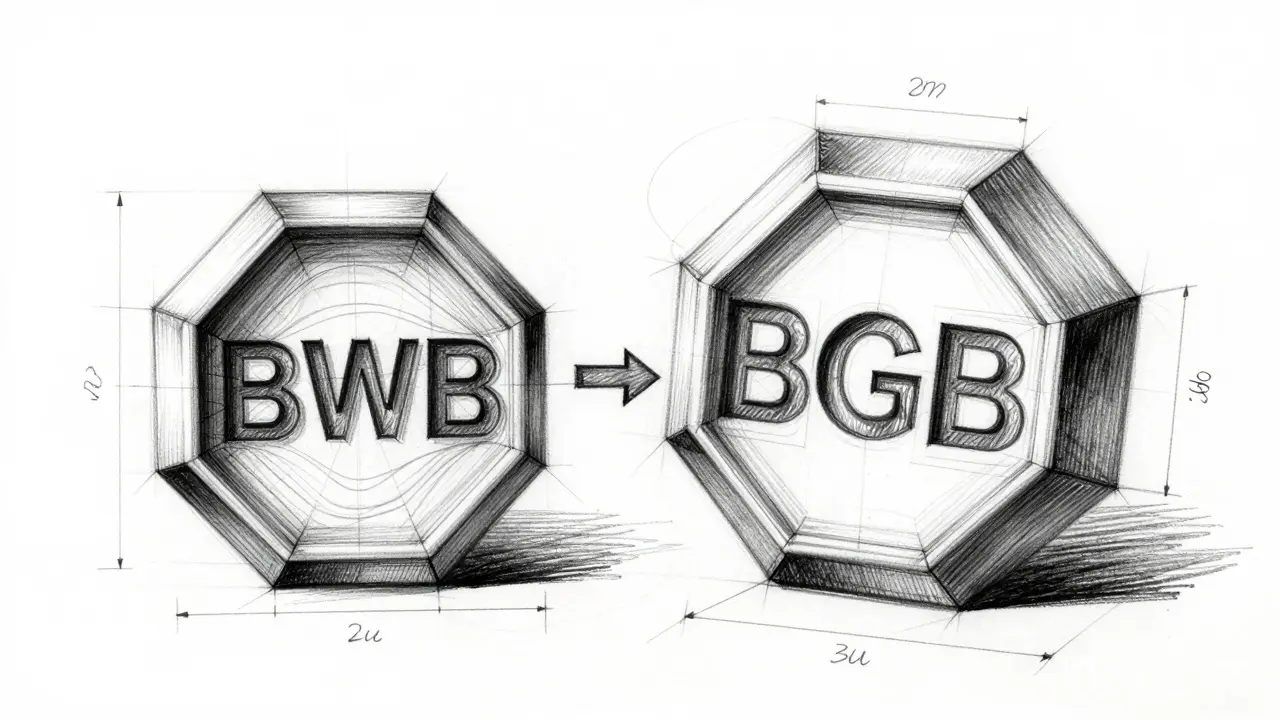
Here is the most critical piece of information for any current or prospective BWB holder: BWB is scheduled to merge into Bitget Token (BGB).
This announcement, confirmed through official channels and tracked by major data aggregators, signals a strategic consolidation. Bitget is simplifying its token economy. Instead of maintaining two separate tokens for similar ecosystems, they are integrating BWB into the broader Bitget Token (BGB) framework.
What does this mean for you?
- Timeline: Specific dates and conversion ratios have yet to be finalized in public detail. You must keep an eye on official Bitget announcements for the exact implementation schedule.
- Action Required: Do not panic sell, but do not ignore this. Once the merger occurs, your BWB will likely convert to BGB at a predetermined rate. You will need to ensure your wallet is compatible with the new token structure.
- Strategic Shift: This move suggests that BGB will become the single point of entry for all Bitget ecosystem benefits, combining the exchange-side utility of BGB with the Web3 wallet utility of BWB.
This merger is a double-edged sword. On one hand, it simplifies the user experience. On the other, it introduces uncertainty for those who bought BWB specifically for its independent growth potential. Always read the fine print when official details drop.
How to Buy and Store BWB
If you decide you want exposure to the Bitget ecosystem before the merger completes, acquiring BWB is straightforward. You have several options:
- Direct Swap: Use the built-in swap feature within the Bitget Wallet app. This is often the easiest method, offering competitive rates for immediate acquisition.
- Crypto-to-Crypto Transfer: You can transfer stablecoins (like USDT) from a centralized exchange like Binance to your Bitget Wallet address, then swap them for BWB via a Decentralized Exchange (DEX) integrated into the wallet.
- Card Purchase: Some platforms allow direct credit card purchases, though fees may be higher compared to crypto-to-crypto swaps.
Once you have your tokens, storing them securely is vital. Since BWB is an ERC-20 token, it can be stored in any Ethereum-compatible wallet. However, to utilize its full governance and reward features, keeping it in the Bitget Wallet itself is recommended. Never share your seed phrase with anyone, regardless of who they claim to be.
Conclusion: Is BWB Worth Your Attention?
Bitget Wallet Token is more than a speculative asset; it is a functional tool within a rapidly growing Web3 platform. Its utility in governance, fee reduction, and airdrop eligibility provides real value to active users. However, the impending merger with BGB changes the long-term narrative. If you are a heavy user of Bitget Wallet, holding BWB makes sense to maximize your current benefits. If you are a passive investor, you should carefully consider whether the merged BGB token better suits your portfolio goals once the transition occurs. Stay informed, read the official updates, and manage your risk accordingly.
Is Bitget Wallet Token (BWB) safe to hold?
Yes, BWB is considered safe due to the underlying security of the Ethereum blockchain and Bitget's $300 million protection fund. However, always store your assets in a secure, non-custodial wallet and never share your private keys. Be aware of the upcoming merger with BGB, which may require action on your part.
What happens to my BWB after the merger with BGB?
Officially, BWB will merge into Bitget Token (BGB). This means your BWB tokens will likely be converted to BGB at a specific ratio determined by Bitget. You should monitor official announcements for the exact conversion rate and timeline to ensure you don't miss any required steps.
Can I use BWB to pay for gas fees on Ethereum?
Currently, BWB is used to pay for multi-chain gas fees within the Bitget Wallet ecosystem, particularly with the introduction of Account Abstraction (AA) features. While it doesn't replace ETH for standard Ethereum transactions outside the Bitget interface, it significantly reduces friction for users interacting with supported chains.
Where can I buy Bitget Wallet Token?
You can acquire BWB through the Bitget Wallet app's internal swap feature, by transferring stablecoins from exchanges like Binance and swapping via DEXs, or through select centralized exchanges that list the token. Direct credit card purchases may also be available depending on your region.
What is the total supply of BWB?
The total supply of Bitget Wallet Token is capped at 1 billion tokens. Approximately 143 million tokens are currently in circulation, with the rest potentially locked or reserved for future ecosystem incentives until the merger process is complete.
Jan Gilmore
May 10, 2026 AT 00:34Look, I’ve been in crypto since the days when Bitcoin was just a PDF on a forum, and let me tell you, this merger talk is standard procedure for centralized exchanges trying to consolidate power. You think Bitget is special? They’re just copying Binance’s playbook with BNB. The utility of BWB right now is basically zero because everyone knows it’s going away.
I’m not saying don’t hold it, but if you’re looking at long-term value, you’re already late to the party. The real play here is understanding that BGB will likely absorb the liquidity and then pump. It’s a classic rug-pull-adjacent strategy where they kill the smaller token to boost the main one.
Also, check the circulating supply again. 143 million out of 1 billion means there’s massive sell pressure waiting from the team or early investors once the merger happens. Don’t be the exit liquidity for their marketing campaign.
Tricia Alach
May 10, 2026 AT 16:53i read through all of that and its so confusing like why do we need two tokens?? it feels like they are just making things hard for regular people who just want to save money. i love the idea of voting though! democracy in crypto sounds so cool and philosophical like we are all part of a big digital society. but typos happen when im typing fast lol. does anyone else feel like the gas fee discounts arent worth the hassle of holding another coin?
Caique Muniz
May 11, 2026 AT 03:45another day another token merge announcement. yawn. honestly this whole article reads like it was written by a bot trying to sound smart about blockchain tech that nobody actually understands. "utility" my foot. its just hype. i bet half the people holding bwb dont even know what erc-20 means. typical crypto bro nonsense.
Bijan Das
May 12, 2026 AT 05:21You people really believe this stuff? Pathetic. In India we have actual problems to deal with, not your imaginary internet coins. This Bitget thing is clearly a scam designed to steal from naive westerners who think they can get rich quick. The merger is just a way to hide the losses. Go home and learn some real skills instead of gambling on tokens that will be worthless next week. Disgusting waste of time.
Ashley Rodriguez
May 12, 2026 AT 06:24i think its really interesting how they are trying to simplify things for users because i know so many people who get overwhelmed by having too many different tokens in their wallets and it makes them feel stressed out so maybe merging them into one token called bgb would actually help people feel more secure and less confused about which one they should keep and which one they should swap out for something else that might be better
Bridget Coogle
May 13, 2026 AT 01:03i hear you guys being skeptical but i think we should give bitget the benefit of the doubt here because consolidation can actually make things easier for new users who are scared of losing their keys or paying high fees. it feels like a step towards a more inclusive ecosystem where everyone has a chance to participate without needing a degree in computer science to understand the basics
Zara Zaman
May 14, 2026 AT 09:46This is an American platform issue. Why are international users complaining? If you don't like the rules, leave. We built this economy. The merger is good for US investors who want clean compliance. Stop whining about utility and start respecting the innovation coming out of Silicon Valley. It's about time we standardized these tokens under proper regulatory frameworks that protect our national interests in finance.
Larry Port
May 15, 2026 AT 02:55I've been watching this space for a while and the technical aspect of the ERC-20 bridge is fascinating. Most people miss that the cross-chain functionality is what actually gives BWB its current value, not just the governance votes. When they merge into BGB, the question is whether BGB will inherit that same multi-chain flexibility. If not, they're losing a huge chunk of their user base who rely on those specific integrations. It's a risky move technically speaking.
Jocelyn Garcia
May 16, 2026 AT 20:48just chilling here observing the FUD. tbh the alpha is in the airdrop eligibility. if you hold bwb you get first dibs on new launches via fair launchpool. thats free money essentially. the merger timeline is vague but until it happens the utility remains. smart money is accumulating before the conversion ratio is announced. watch the order flow on dexs.
Amit Varpe
May 18, 2026 AT 01:43India is rising in crypto adoption faster than you think 😎. We don't care about your US-centric views. The utility of BWB for us is simple: low fees and access to global markets. The merger is fine as long as the rate is fair. Keep buying, keep holding. Jai Hind 🇮🇳.
Bronwen Butler
May 18, 2026 AT 17:44everyone is wrong about this being a bad thing. the merger is inevitable in any mature market. look at how binance did it with bnb. it simplifies the narrative. fewer tokens means less fragmentation. if you cant handle a token migration you probably shouldn't be in crypto anyway. stop crying about 'lost utility' and adapt to the new paradigm.
Pauline Larocco71
May 19, 2026 AT 13:10as someone who travels a lot between cultures i find it interesting how different countries react to financial news differently. in my experience the community here is very passionate but also very anxious. i think the key is to stay informed and not panic. the typo in my previous comment sorry about that but the point stands that communication is key during these transitions.
beti macedo
May 20, 2026 AT 10:32It is imperative that all stakeholders exercise due diligence regarding the forthcoming integration protocols. The historical precedent suggests that such consolidations often result in temporary liquidity shocks however the long term structural integrity of the platform may be enhanced. One must remain vigilant and adhere strictly to the official announcements released by the competent authorities to ensure optimal portfolio management during this transitional phase.
Michelle Bonahoom
May 20, 2026 AT 13:54typical american greed driving this whole scheme. you guys always want to control everything. the merger is just a way to squeeze out small holders. i see right through it. keep your hands off my wallet. pathetic behavior from a failing empire.
Matt Davis
May 21, 2026 AT 10:47Absolutely ridiculous. This entire post is a masterclass in corporate obfuscation. They claim 'security' but offer nothing but a promise backed by their own questionable reserves. The $300 million fund? Please. That's marketing fluff designed to placate the masses. The merger is a hostile takeover of your assets disguised as a 'convenience'. Do not fall for it. Read the whitepaper, not this blog.
Albert Lee
May 21, 2026 AT 19:21I know it feels overwhelming right now and I can totally see why you're feeling anxious about the merger details. But remember, every great journey starts with a single step. You've got this! Focus on the positives like the governance rights you currently have. Take a deep breath and trust your instincts. You are stronger than you think!
Ankush Pokarana
May 21, 2026 AT 22:24the essence of true wealth lies not in the accumulation of tokens but in the wisdom of their stewardship. when we consider the merger we must ask ourselves what is the fundamental purpose of exchange. is it merely transactional or is it relational. the shift from bwb to bgb represents a metaphysical change in identity. embrace the flow of the universe and let go of attachment to specific ticker symbols.
Bianca Vilas Boas Lourenço
May 23, 2026 AT 10:54Ugh, why does everyone have to be so dramatic about this? 🙄 It's just a token merge. Get over it. I'm tired of reading all these long paragraphs about 'utility' and 'governance'. Just tell me if I'm gonna make money or not. Boring. 😒
Yash Lodha
May 24, 2026 AT 13:55The shadows lengthen as the giants consolidate their power. BWB is merely a pawn in a larger chess game played by unseen masters. The merger is not a coincidence but a calculated maneuver to centralize control under the guise of decentralization. Trust no one. Verify everything. The truth is hidden in the code, not the press releases. Stay alert.