What is Solberg (SLB) Crypto? A 2026 Risk & Utility Guide
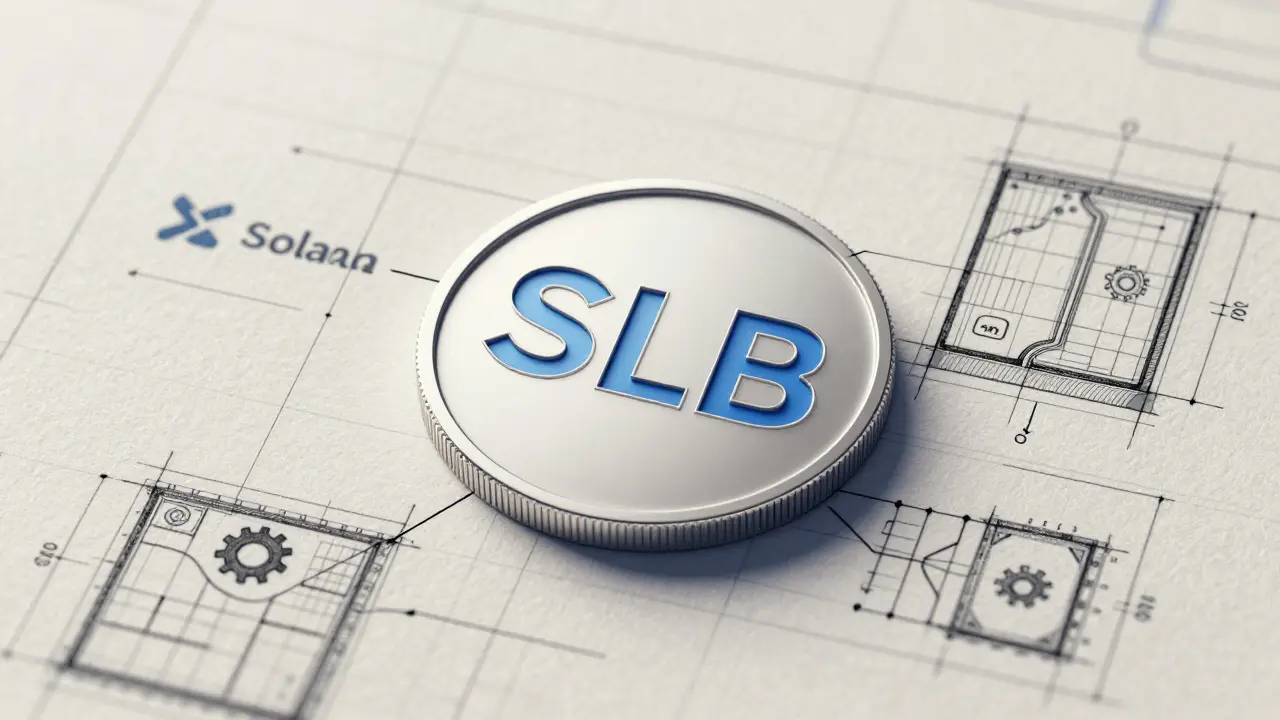
You’ve likely stumbled upon Solberg (SLB) is a low-market-cap cryptocurrency token operating on the Solana blockchain, designed to simplify access to decentralized finance applications. while scrolling through a list of coins or seeing it mentioned in a niche forum. It’s not Bitcoin, and it’s certainly not Ethereum. So, what exactly is it, and why should you care?
At its core, Solberg positions itself as a bridge into the world of Decentralized Finance (DeFi). The promise is simple: make it easier for everyday people to use complex financial tools built on the Solana network. But before you rush to buy, we need to look under the hood. This isn’t just about price charts; it’s about understanding what this token actually does, where it lives, and whether it’s worth your attention in the current crypto landscape.
The Basics: What Is Solberg (SLB)?
To understand Solberg, you first have to understand the ground it stands on. Solberg is an SPL Token is the standard format for fungible tokens on the Solana blockchain, similar to how ERC-20 works on Ethereum.. Think of SPL like a standardized shipping container. It allows different apps on Solana to recognize and handle the token consistently. Without this standard, Solberg couldn’t interact with wallets or exchanges easily.
The project claims its mission is to "democratize access" to DeFi. In plain English, that means they want to remove the friction usually associated with using decentralized apps. Usually, moving money between chains or interacting with lending protocols requires technical know-how. Solberg aims to be the easy button for these transactions.
However, it is crucial to distinguish between marketing language and actual utility. Many projects claim to "bridge" users to DeFi. The key question is: do you *need* SLB to do this? Or is it just another token hoping to capture value from the growing Solana ecosystem? Currently, Solberg operates more as a speculative asset than a critical infrastructure component, meaning its value is driven largely by community sentiment rather than essential usage fees.
Tokenomics: Supply, Circulation, and The Data Mess
If there is one thing clear about Solberg, it’s that the data surrounding it is messy. When researching micro-cap tokens, you will often find conflicting numbers across different tracking platforms. This is a red flag you should always watch for.
| Metric | CoinMarketCap / General Consensus | Bitget Snapshot | CoinGecko Snapshot |
|---|---|---|---|
| Total Supply | 100,000,000 SLB | 100,000,000 SLB | 100,000,000 SLB |
| Circulating Supply | Varies (Data inconsistent) | 0 SLB (Reported Error?) | ~9.4 Million SLB |
| Market Cap Estimate | $70k - $100k Range | $0.00 (Due to 0 supply) | ~$75k - $80k |
| Fully Diluted Valuation | ~$994,527 | ~$994,527 | N/A |
Notice the discrepancy? Bitget once reported a circulating supply of zero, which mathematically breaks the market cap calculation. CoinGecko shows around 9.4 million tokens in circulation. This inconsistency suggests that either the team hasn’t properly registered their distribution schedule with trackers, or the token is so thinly traded that aggregators are guessing based on limited liquidity pool data.
The total supply is fixed at 100 million SLB. There are no new tokens being minted. This is generally good news for holders because it prevents inflation. However, the gap between the "Fully Diluted Market Cap" (what the project would be worth if all 100 million tokens were trading) and the actual live market cap is massive. This implies that a large portion of the supply is locked, held by insiders, or simply inactive. If those tokens ever hit the market, the price could drop significantly due to increased supply.
How to Buy Solberg (SLB): The Technical Hurdle
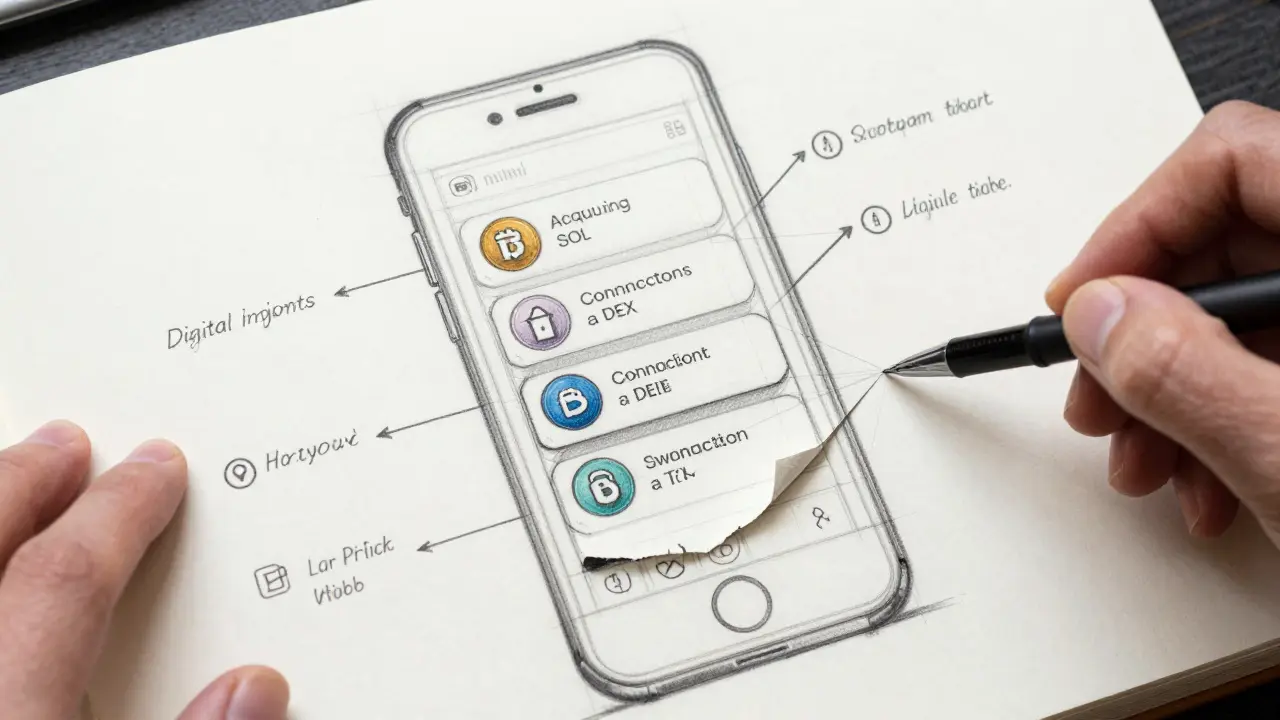
You won’t find Solberg listed on major centralized exchanges like Coinbase or Kraken. You can’t just log in and click "Buy." Instead, you have to navigate the decentralized web. Here is the realistic path most users take:
- Get a Self-Custody Wallet: You need a wallet that supports Solana. Trust Wallet or Phantom are popular choices. You must secure your seed phrase; if you lose it, your funds are gone forever.
- Acquire SOL: Buy Solana (SOL) on a major exchange (like Binance or Coinbase) and withdraw it to your self-custody wallet. You need SOL to pay for transaction fees (gas) on the network.
- Connect to a DEX: Use a decentralized exchange like Raydium or Jupiter. These platforms allow you to swap tokens directly from your wallet without an intermediary company.
- Swap SOL for SLB: Enter the contract address for Solberg carefully. Never trust a random link from social media. Verify the address on CoinMarketCap or CoinGecko. Swap your SOL for SLB.
This process sounds straightforward, but it introduces several points of failure. New users often send tokens to the wrong chain, fail to leave enough SOL for gas fees, or accidentally interact with a fake token contract that looks identical to the real one. The barrier to entry is higher here than buying Apple stock or even Bitcoin.
Risk Assessment: Why Micro-Caps Are Dangerous
We need to talk about risk. Solberg ranks around #6,500 globally. To put that in perspective, there are thousands of cryptocurrencies ahead of it in terms of adoption, security, and utility. Being a micro-cap means you are playing in the shallow end of the pool where the water is murky.
Liquidity Risk: With a daily trading volume sometimes dipping below $100, selling your SLB can be difficult. If you try to sell a large amount, you might crash the price yourself because there aren’t enough buyers waiting on the other side. This is called "slippage," and it can eat up 10% or more of your trade instantly.
Team Anonymity: Unlike established projects where founders hold public Twitter accounts and give interviews, Solberg’s team remains largely opaque. There are no widely recognized names attached to the development. While anonymity isn’t illegal, it makes accountability impossible. If the developers decide to abandon the project, there is no one to call.
Security Audits: Blockchain security relies on code audits-where independent experts check the smart contracts for bugs. Solberg’s public profiles mention "unparalleled security" in generic marketing terms but lack links to formal audit reports from firms like CertiK or Hacken. Without an audit, you are trusting the code blindly.
Is Solberg a Good Investment in 2026?
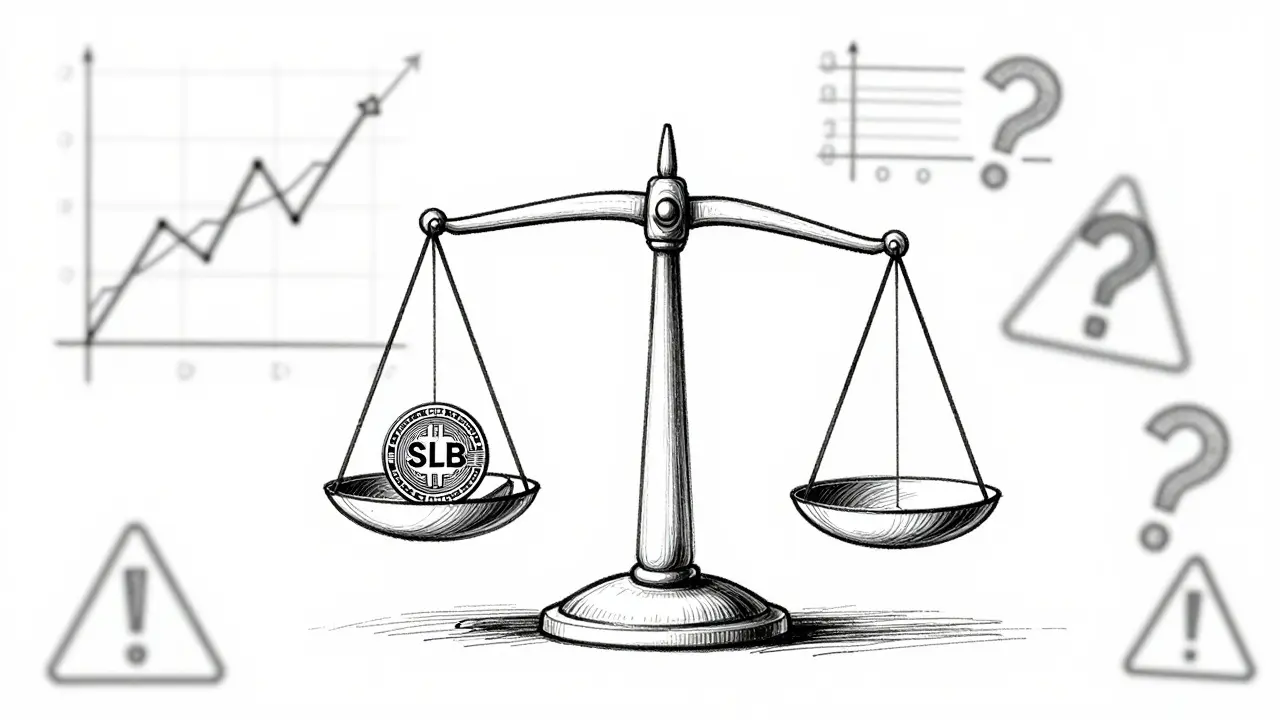
I’m not here to tell you to buy or sell. That’s your decision. But I can help you frame the question correctly. Ask yourself: Am I investing in Solberg because I believe in its specific technology, or am I gambling that it will go viral?
If it’s the latter, understand that micro-cap tokens are highly volatile. They can double in a day and halve the next. The "bull market potential" often cited by promoters is real, but so is the bear market reality. Most micro-cap tokens from the 2021 cycle never recovered their all-time highs. Solberg reached its peak in November 2021 and has since drifted lower, struggling to regain momentum.
For Solberg to succeed long-term, it needs more than hype. It needs integration. Does it work with major Solana lending protocols? Is it used as collateral? Does it offer governance rights? Currently, the evidence for deep utility is thin. Until you see consistent, organic growth in user activity-not just price spikes-you should treat this as high-risk speculation, not a stable investment.
Alternatives to Consider
If you are interested in Solana-based DeFi but want less risk, consider looking at established tokens within the same ecosystem. Projects like Raydium is a leading automated market maker and liquidity provider on the Solana blockchain. or Jupiter is a comprehensive aggregator for swapping tokens on Solana, providing best-price execution for traders. have proven track records, active development teams, and significant liquidity. They still offer exposure to the Solana boom but with a fraction of the existential risk that comes with holding a token ranked #6,500.
Is Solberg (SLB) a scam?
There is no definitive proof that Solberg is a scam, but it exhibits many characteristics of high-risk projects. These include anonymous founders, inconsistent data reporting, and a lack of independent security audits. Always verify the official contract address before buying to avoid counterfeit tokens.
Where can I buy Solberg (SLB)?
Solberg is not available on major centralized exchanges like Binance Spot or Coinbase. You must buy it via a decentralized exchange (DEX) on the Solana network, such as Raydium or Jupiter, using a self-custody wallet like Phantom or Trust Wallet.
What is the total supply of Solberg?
The total supply of Solberg (SLB) is fixed at 100,000,000 tokens. However, the circulating supply varies by data source, with some trackers showing significantly lower amounts due to locked or unverified distributions.
Does Solberg have any real utility?
Solberg claims to act as a bridge for DeFi access on Solana. However, currently, it lacks widespread integration into major lending or borrowing protocols. Its primary utility appears to be speculative trading rather than functional use in the broader ecosystem.
Why is the price of SLB so volatile?
Solberg is a micro-cap token with very low liquidity. This means small buy or sell orders can cause large percentage swings in price. Additionally, inconsistent data across exchanges can lead to arbitrage opportunities and erratic pricing behavior.