What is StarSharks (SSS)? A Guide to the Shark GameFi Token
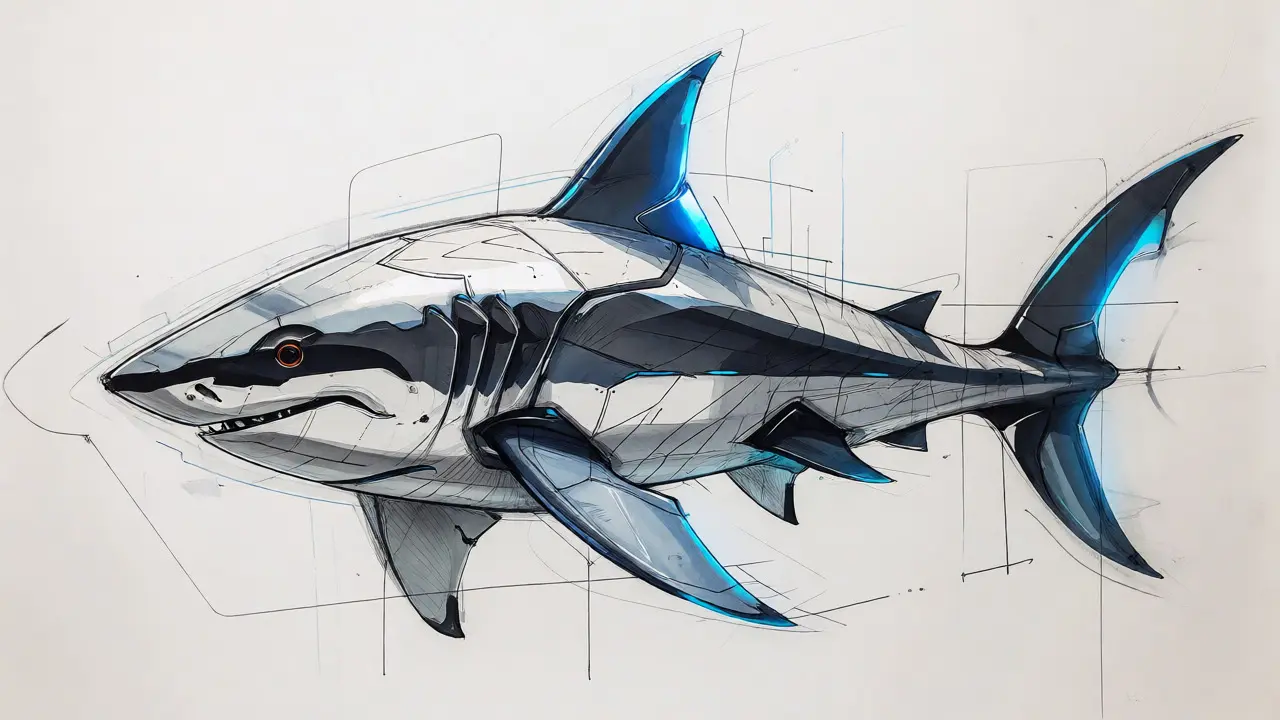
Remember when everyone was obsessed with Axie Infinity? Well, before that craze fully peaked, another shark-themed contender rose on Binance Smart Chain. This is StarSharks (SSS), a governance and utility cryptocurrency powering a shark-themed NFT metaverse where players fight, collect, and govern through decentralized mechanisms. If you are wondering what makes this specific coin tick in a sea of thousands of altcoins, you need to look past the hype cycle and understand its dual-token economy and niche community structure.
The Core Concept: More Than Just a Game Token
At its heart, StarSharks is an NFT-GameFi ecosystem built on the BNB Chain using the BEP-20 token standard. Unlike traditional games where you buy skins and forget about them, StarSharks positions itself as a "Content-Fi" platform. This means the intellectual property and content value are shared back with the community via a DAO-style governance structure. The central entity here isn't just the game; it's the governance token, SSS, which allows holders to exercise rights over the metaverse IP.
You might ask, why sharks? The project uses shark NFTs as the primary asset class. Players acquire these digital sharks to participate in Player-versus-Player (PvP) and Player-versus-Environment (PvE) challenges. While the gameplay rewards are handled by a secondary token called SEA, the SSS token serves a higher purpose: long-term governance and selective rewards for top-tier competitors. It’s a design choice that separates casual players from serious stakeholders.
Tokenomics: Supply, Allocation, and Vesting
Understanding the supply mechanics is crucial if you plan to hold or trade SSS. The total and maximum supply is hard-capped at 100,000,000 tokens. There will never be more than this amount minted. However, how these tokens enter circulation varies significantly based on allocation buckets.
| Allocation Category | Percentage of Supply | Purpose & Notes |
|---|---|---|
| Collect to Earn | 61% | Rewards for players; intended to circulate over 10 years. |
| Team & Shareholders | 22.5% | Incentives for developers and early backers; subject to vesting. |
| Treasury | 18% | Funds for ecosystem development and partnerships. |
| Community Airdrop | 12.8% | Distributed to early adopters and active community members. |
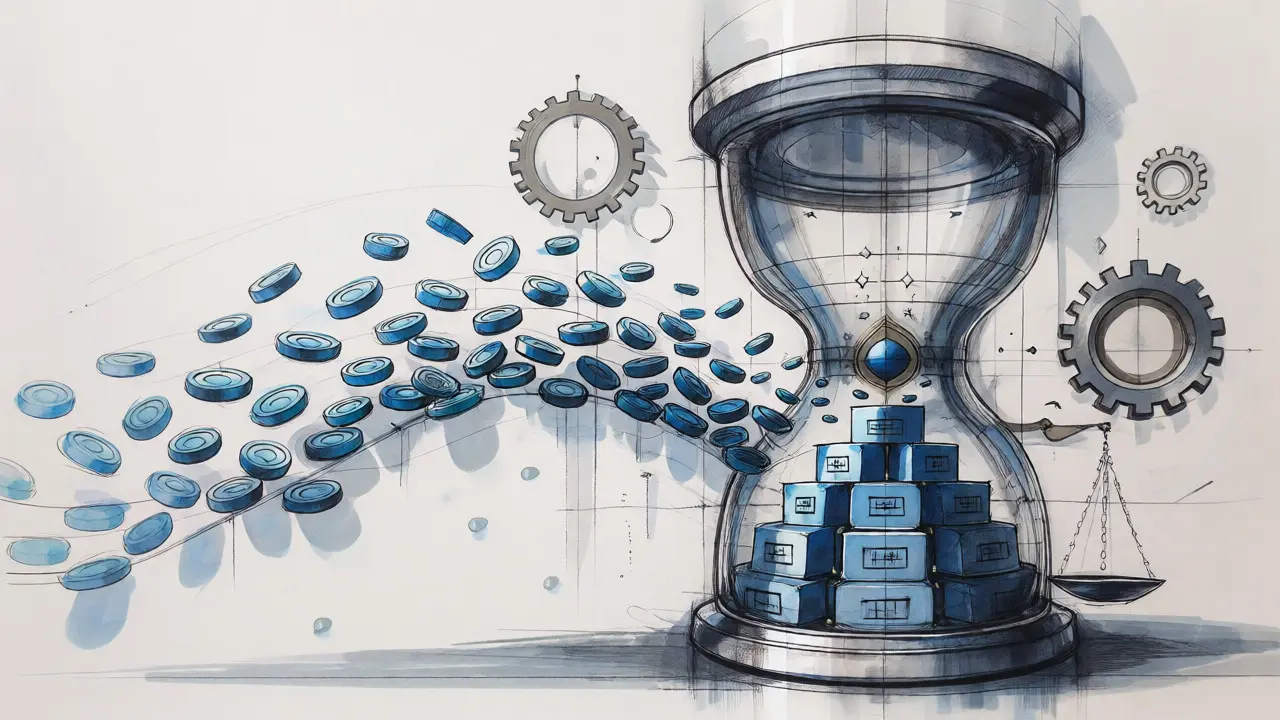
Note that these percentages often overlap in reporting due to complex unlock schedules. For instance, the "Collect to Earn" bucket accounts for the majority of the supply but releases slowly to prevent immediate dumping. The team and shareholders also face significant vesting periods. According to data from Cryptorank, the next major unlock event is scheduled for November 2031, indicating a very long tail for emissions. This slow release mechanism aims to stabilize the price by preventing massive supply shocks, though it also means the circulating supply remains low compared to the total cap.
The Dual-Token Economy: SSS vs. SEA
Most successful GameFi projects use two tokens: one for gameplay transactions and one for governance. StarSharks follows this pattern strictly. Here is how they differ:
- SEA Token: This is the in-game utility token. You earn SEA by defeating sharks in PvP battles or completing PvE stages. It has no fixed cap and is used for breeding, upgrading, and trading within the game. Think of it as the gold coins in your pocket.
- SSS Token: This is the governance token. You generally do not earn SSS through casual play. Instead, only the top 500 players in seasonal PvP ladders receive SSS rewards. This creates a high barrier to entry for earning the governance token organically. Alternatively, you can buy SSS on exchanges. Holding SSS allows you to vote on proposals and lock your tokens for veSSS benefits.
This distinction matters because it concentrates power among competitive players and large investors. If you are a casual gamer, you will interact mostly with SEA. If you want to shape the future of the metaverse, you need SSS.
Governance and the Vote-Escrow Model
StarSharks employs a vote-escrow model similar to other DeFi protocols like Curve Finance. When you lock your SSS tokens, you receive veSSS (vote-escrowed SSS). The longer you lock your tokens, the more voting power you get. The maximum lock-up period is four years, granting a 1:1 conversion ratio between SSS and veSSS voting weight.
Why would you lock your tokens for four years? Two reasons. First, you gain significant influence over DAO decisions, such as changing game parameters or allocating treasury funds. Second, veSSS holders receive weekly bonus distributions proportional to their holdings. This incentivizes long-term holding and reduces sell pressure, creating a stable core community. It’s a classic DeFi mechanic applied to gaming governance, rewarding patience over speculation.
Market Performance and Liquidity Reality Check
Let’s talk numbers, because the market reality for SSS in 2024-2026 is quite different from its launch hype. In April 2022, articles described StarSharks as the "top BSC game in less than 6 months." That was peak euphoria. Fast forward to mid-2026, and the picture is more sober.
As of recent snapshots, SSS trades at low absolute prices, fluctuating between approximately $0.024 and $0.08 per token depending on the exchange and date. Its fully diluted valuation sits in the single-digit millions of US dollars-around $7.5 million according to some analytics platforms. Compare this to the hundreds of millions seen during the GameFi bull run, and you see a significant contraction.
Liquidity is another concern. Major Tier-1 exchanges like Binance list SSS for tracking purposes, but often show zero trading volume. Active trading happens primarily on PancakeSwap (v2) on the BNB Chain and mid-tier centralized exchanges like MEXC, Bitget, and LBank. On-chain data suggests thin liquidity, with daily volumes sometimes dropping to negligible amounts. This means large buy or sell orders could significantly impact the price. If you are entering now, you are buying into a niche asset with limited exit routes compared to mainstream cryptos.
How to Buy and Use SSS
If you decide to invest in StarSharks, here is the practical path. Since SSS is a BEP-20 token, you need a wallet compatible with BNB Chain, such as MetaMask or Trust Wallet.
- Set up your wallet: Install MetaMask and add the BNB Chain network. Ensure you have some BNB for gas fees.
- Add the token contract: Import SSS using the official contract address:
0xC3028FbC1742a16A5D69dE1B334cbce28f5d7EB3. Some wallets allow one-click addition via CoinGecko links. - Trade on DEX or CEX: You can swap BNB for SSS on PancakeSwap. Alternatively, deposit BNB or USDT on a supported centralized exchange like MEXC or Bitget and trade directly.
- Participate in Governance: To engage with the DAO, lock your SSS in the StarSharks staking interface to convert it to veSSS. Remember, this locks your assets for a set period.
For gamers, the process involves acquiring shark NFTs first. These are separate assets from the SSS token. You use SEA tokens for in-game actions, so you’ll need to manage three assets: BNB (for gas), SSS (for governance/speculation), and SEA (for gameplay).
Is StarSharks Still Viable?
This is the big question. The project launched in December 2021 and captured rapid attention. By 2026, it has transitioned from a hype-driven phenomenon to a smaller, specialized community project. The lack of new feature announcements in recent months and the declining trading volumes suggest that the broader market interest has waned.
However, the structural elements remain intact. The 10-year emission schedule ensures the game doesn’t die out immediately due to token exhaustion. The DAO continues to operate, and the top-500 reward system keeps competitive players engaged. If you believe in the longevity of niche GameFi communities and prefer holding a deflationary-style capped asset with governance rights, SSS offers a unique proposition. But if you are looking for high-volume day-trading opportunities or explosive growth potential, the current market conditions make SSS a risky bet.
Ultimately, StarSharks represents a case study in the lifecycle of GameFi tokens. It went from "top BSC game" to a low-cap governance asset. Your decision to buy should depend on whether you value the specific utility of shark-themed NFT governance or simply seek speculative gains. Given the thin liquidity, caution is advised.
What is the difference between SSS and SEA tokens?
SSS is the governance token with a fixed supply of 100 million, used for DAO voting and awarded to top PvP players. SEA is the infinite-supply utility token earned through regular gameplay, used for in-game transactions like breeding and upgrades.
Where can I buy StarSharks (SSS) tokens?
You can buy SSS primarily on decentralized exchanges like PancakeSwap (v2) on BNB Chain. It is also listed on several centralized exchanges including MEXC, Bitget, LBank, BTCEX, XT.COM, and CoinW. Note that liquidity may be lower on some of these venues.
Does StarSharks have a maximum supply?
Yes, StarSharks has a hard-capped total and maximum supply of 100,000,000 tokens. No new SSS tokens will ever be created beyond this limit, making it a deflationary asset in terms of supply growth.
What is veSSS and how does it work?
veSSS stands for vote-escrowed SSS. By locking your SSS tokens for a period up to four years, you receive veSSS, which grants you increased voting power in the DAO and weekly reward distributions. The longer you lock, the higher your voting weight.
Is StarSharks still active in 2026?
Yes, the project remains active with ongoing governance votes and game maintenance, but trading volumes and market capitalization have decreased significantly since the 2021-2022 peak. It is now considered a small-cap niche GameFi asset rather than a mainstream leader.