
What is XPLA (XPLA) Crypto Coin: A Guide to CONX and Layer 1 Blockchain
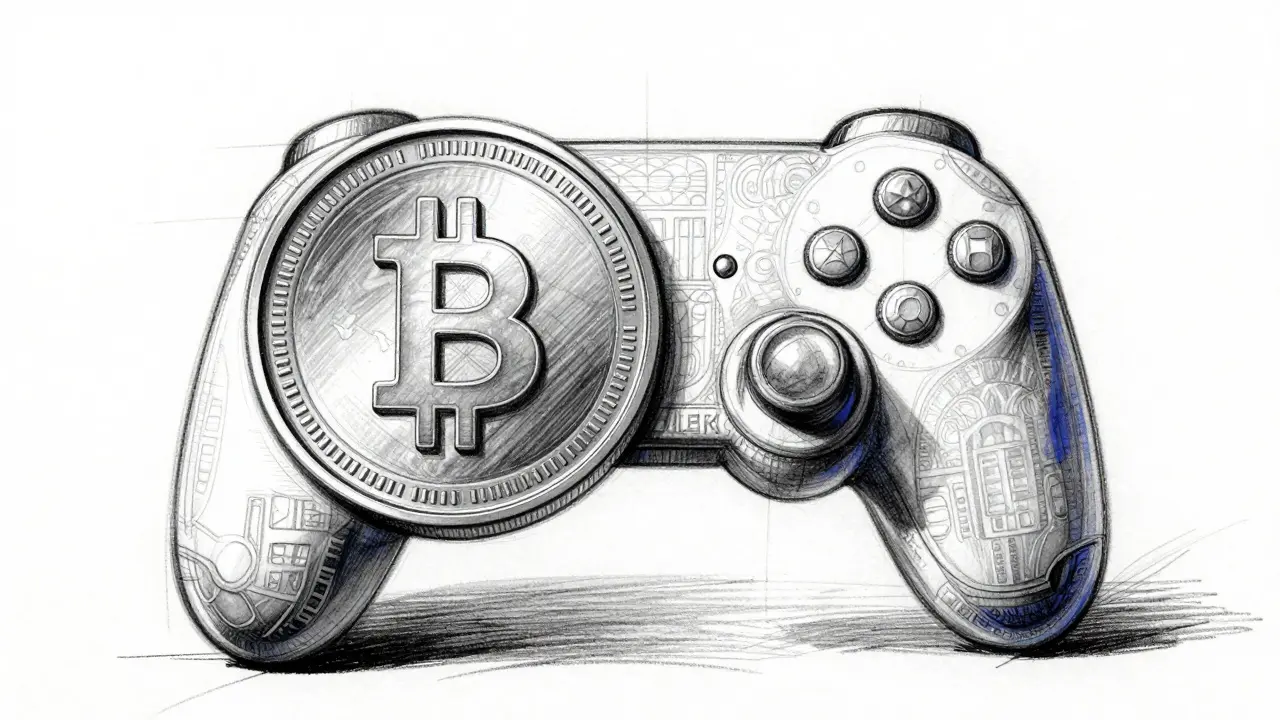
You might have seen the ticker XPLA floating around on your watchlist, but here is the curveball: that project officially rebranded to CONX (short for Culture = Connect). If you are holding the coin or considering a position in 2026, understanding this identity shift is vital. This isn't just a marketing tweak; it signals a massive pivot from pure gaming to a broader cultural fintech infrastructure. You aren't just buying a game token anymore; you are looking at a specific type of blockchain engine designed to handle real-world assets and digital media.
The Identity Shift from XPLA to CONX
To wrap your head around what this network actually does, we need to clear up the naming confusion immediately. Originally launched as XPLA, the project built its reputation as a hub for digital media content. As the vision expanded beyond simple play-to-earn mechanics, the team repositioned the brand to CONX. Their goal was to create a next-generation mainnet that connects culture, finance, and technology. Think of it as a bridge between traditional internet services and the decentralized web.
This rebranding happened because the original scope limited how institutions viewed the asset. By moving to CONX, the project positioned itself to attract investors interested in Real World Assets (RWA) and intellectual property protection, not just gamified currencies. For an investor looking at the charts today, the ticker remains recognizable, but the roadmap is fundamentally different from its 2023 iteration.
How the Blockchain Engine Works
The backbone of this platform is technical precision. Under the hood, the system runs on the Cosmos SDK. This is crucial for two reasons. First, it ensures the chain is modular and composable. Second, it uses the Tendermint Consensus mechanism. In simpler terms, this means the network reaches agreement on transactions quickly and without the energy waste associated with older mining models.
| Feature | Specification |
|---|---|
| Consensus Model | Proof-of-Stake (PoS) |
| Framework | Cosmos SDK |
| Compatibility | EVM Compatible |
| Smart Contract Lang | Solidity / CosmWasm |
The most significant advantage for developers here is EVM Compatibility. If you know how to build on Ethereum, you can port your code to this chain with minimal friction. It supports Solidity, the standard language for Ethereum smart contracts. This design choice lowers the barrier to entry significantly. Instead of learning a brand-new coding language from scratch, established builders can deploy their existing tools directly onto the XPLA/CONX network. Additionally, for those preferring Rust, the network supports COSMWASM, providing flexibility for high-performance applications.
Gaming and Digital Asset Utility
Why did this chain exist in the first place? The founders saw a gap in the "ownership" aspect of digital entertainment. Traditional gaming often locks progress behind servers. On this chain, the philosophy shifted to "Play to Own." The flagship example often cited is the Ace Fishing Crew game. In this ecosystem, players don't just complete tasks for fiat currency; they earn tangible in-game items backed by tokens.
When a player investigates or upgrades equipment within the game logic, the transaction is recorded immutably on the chain. These assets-whether they are rare virtual fish or specialized gear-have value because other users desire them. This creates an internal economy where labor translates to equity. While many gaming projects fail to sustain traction, this specific architecture aims to validate the asset's worth outside the game client through open markets.

Tokenomics and Staking Mechanics
Looking at the economics, the token supply is capped at exactly 2,000,000,000 units. Unlike inflationary protocols that print money endlessly to pay validators, a fixed supply introduces scarcity dynamics over the long term. However, early distribution matters. Historical records show allocations went toward validators, community growth, and initial backers, with a portion reserved for future operational needs.
As a holder, you likely care about staking. Because it operates on Proof-of-Stake, securing the network is your job. You delegate your coins to a validator node. That validator then processes blocks and votes on proposals. The reward comes from transaction fees and block issuance rewards distributed among these participants. This system allows passive income generation while simultaneously supporting network uptime. Validators are chosen dynamically to propose blocks, creating a randomized layer of security against malicious actors.
Market History and Risk Profile
We need to be realistic about price action. Looking back at historical data from 2023, the asset experienced extreme volatility. There were periods where the value skyrocketed close to the $1.40 mark, followed by sharp corrections dropping values into the single-digit cents range. In 2023, reports indicated an annual drop of roughly 80% in certain periods. This highlights a critical risk factor: correlation with general crypto sentiment.
Liquidity also fluctuates. Trading volumes vary widely depending on exchange listings and market hype cycles. While some projections suggested potential growth years out, historical patterns suggest high variance is part of the lifecycle. Understanding that volatility is the baseline cost of entry prevents emotional decision-making when charts turn red.
Interoperability and The IBC Protocol
Blockchains rarely work well in isolation. They need to talk to each other. This network leverages the Inter-Blockchain Communication (IBC) protocol. Imagine being able to move assets from a Bitcoin-heavy ecosystem over to this one, or vice versa, without selling off your holdings. This functionality turns the network into a hub rather than a silo.
This capability supports the broader ambition of the CONX rebrand. It positions the chain as a middleman for complex financial settlements. In 2026, the ability to integrate Real World Assets (RWA) becomes more relevant. Institutional adoption depends on this cross-chain security, ensuring that data regarding physical assets is verified across multiple ledgers safely.
Development Roadmap and Future Outlook
Current development focuses heavily on expanding the compliance-ready architecture. Regulators are scrutinizing digital assets more closely. By integrating features for Security Tokens (STO) and AI-generated content verification, the project targets a niche where institutional money feels comfortable entering. This moves the needle away from speculative retail trading toward genuine utility.
The roadmap prioritizes tooling for creators. Just as the EVM compatibility helped developers, new SDKs are being rolled out to help media companies tokenize IP rights easily. If successful, this shifts the project's valuation metric from speculative volume to active creator revenue share.
Is XPLA the same as CONX?
Yes, they represent the same underlying blockchain project. The network rebranded from XPLA to CONX to reflect an expanded vision covering broader fintech and culture applications beyond just gaming.
Can I use an Ethereum wallet for this coin?
Due to EVM compatibility, many Ethereum-compatible wallets support interactions with this chain. However, it is recommended to use the official XPLA/CONX wallet for optimal security and native feature access.
What limits the token supply?
The total maximum supply is hard-capped at 2 billion tokens. No additional tokens will be minted beyond this limit, creating a deflationary pressure model compared to inflationary chains.
How does staking generate rewards?
By staking, you delegate tokens to validators who secure the network. You receive a portion of the transaction fees and block creation rewards generated by that validator's performance.
Is this project suitable for beginners?
While the interface is accessible, the underlying technology involves high-risk assets. Beginners should start with small amounts and understand the volatility risks before investing significant capital.
Annette Gilbert
March 27, 2026 AT 23:10Oh look, another project that decided its original identity was insufficient for the masses who barely understood what it did. The pivot to CONX sounds impressive until you realize rebranding is just a fresh coat of paint on the same underlying architecture issues we have seen since 2023. They claim this signals a shift toward broader fintech infrastructure, yet the core mechanics remain rooted in speculative asset management rather than tangible utility growth. It is fascinating how teams spend millions convincing themselves that a name change equates to fundamental technical breakthrough. Investors need to recognize that marketing pivots rarely fix structural economic flaws without genuine adoption backing them up.
vu phung
March 29, 2026 AT 01:56The transition to CONX leverages significant interoperability advantages within the current decentralized finance ecosystem. By utilizing the Cosmos SDK, the network maintains high throughput capabilities which are essential for supporting complex Real World Asset tokenization strategies. EVM compatibility ensures that existing smart contract infrastructure can be deployed without extensive refactoring efforts required by other chains. This reduces friction for institutional developers seeking secure environments for digital media and financial settlements. The consensus mechanism provides fast finality which is critical for applications requiring near-instant settlement confirmation.
Lorna Gornik
March 29, 2026 AT 15:07i love the idea of play to own 😍🤩 so much better than the old system tbh. it feels like finally getting to control your stuff online 🎮💻. the rebrand to conx makes sence because culture is huge right now! 💯✨
Joshua T Berglan
March 31, 2026 AT 06:22This roadmap definitely highlights the potential for creator monetization which has been largely untapped in traditional markets. The focus on intellectual property protection opens doors for artists and musicians who struggle with rights management elsewhere. We are seeing a clear path toward mainstream adoption if execution matches the ambition displayed in the whitepaper documentation. Building tools for creators directly incentivizes organic network usage beyond simple speculation on token value. The community has never looked more active or engaged with these new development milestones being announced weekly.
Kevin Da silva
March 31, 2026 AT 13:09The fixed supply model creates scarcity dynamics that favor long term holders against inflationary issuance policies. Validators securing the network via proof-of-stake reduce energy consumption compared to legacy mining protocols. This efficiency metric aligns well with modern environmental compliance standards required by global financial institutions entering the space. Transaction fee distribution supports sustainable operational costs without relying on external treasury injections.
Andrew Midwood
April 1, 2026 AT 20:57the tech specs seem solid but liquidity pools are always the weak link in these projects. if exchanges dont list it then adoption suffers regardless of the sdk framework used. RWA integration sounds fancy but requires massive regualtory clearance which takes time and money. hope they find partners quickly cause waiting for roadmaps is boring.
Kayla Thompson
April 2, 2026 AT 03:14I suspect the rebranding effort is merely an attempt to confuse retail investors into buying back at higher valuations after the previous bear cycle corrections. Nothing about the core value proposition has fundamentally changed enough to justify such a drastic shift in naming conventions. Institutional attention often follows marketing noise rather than actual technological merit which remains static across these updates. Everyone claims innovation yet the token distribution models look exactly identical to failed predecessors from three years ago.
Brijendra Kumar
April 3, 2026 AT 04:12People who fall for these hype cycles deserve nothing when the rug inevitably pulls out beneath their feet. Greed drives the narrative far more than actual belief in the technology described in these articles repeatedly. Ethical considerations regarding market manipulation are ignored completely in favor of chasing pump numbers. History proves that projects with this specific volatility profile end in ruin for the majority of participants involved.
Tony Phillips
April 4, 2026 AT 18:30Staking is a straightforward process that yields passive income over time if you select validators wisely. Delegating coins contributes to overall security and uptime which benefits the entire ecosystem collectively. Rewards fluctuate based on participation rates but remain generally consistent throughout normal operating periods. New users should consider the risks involved before locking funds for extended duration periods.
YANG YUE
April 4, 2026 AT 19:19Existence in digital forms suggests a deeper metaphysical layer connecting ownership to selfhood through immutable records. The bridge between physical assets and ledgers transcends mere utility into philosophical territory regarding value perception. Ownership becomes eternal when recorded on a chain that refuses to forget history even as time passes us by. We are witnessing the birth of a new relationship between humanity and their creations in cyberspace.
Dominic Taylor
April 5, 2026 AT 19:20Cross-chain communication protocols enhance the utility of individual assets significantly by removing isolation silos effectively. Integration with major ecosystems enables seamless transfer capabilities that were previously impossible in fragmented networks. Data integrity across these layers ensures trustless verification for institutional grade settlements involving sensitive information. Collaboration between chains fosters a healthier environment for all participants involved in the broader decentralized web infrastructure.
Andrea Zaszczynski
April 6, 2026 AT 05:42My cousin lost half his savings trying to catch this train early last year and blamed the volatility entirely. He keeps saying the charts look broken when they are just following typical market psychology patterns. You see this everywhere now where emotional decision making overrides rational analysis regarding long term holdings.
Florence Pardo
April 7, 2026 AT 11:41I have been following this specific project trajectory for quite a while now and noticed several shifts in their strategic direction over the past year. Many observers miss the subtle nuances in how they are positioning the brand relative to competitors launching similar features recently. The team seems determined to establish itself as a primary hub for cultural artifacts rather than just another gambling token. Understanding the historical context helps explain why certain architectural decisions were made early in the development phase. It is interesting to see how they navigate the regulatory landscape while maintaining decentralization principles that attract purists. Early adopters often complain about changes but later phases reveal the necessity of those pivots for survival. Liquidity depth improves slowly yet steadily as more bridges open between major networks facilitating easier access for users. Developer activity metrics show an upward trend which correlates positively with sustained value retention across quarters. Gas fees remain competitive against alternatives offering comparable speed and reliability features for everyday transactions. Security audits conducted regularly provide peace of mind for larger holders worried about smart contract vulnerabilities lurking undetected. The roadmap prioritizes user experience improvements which should drive adoption beyond niche communities interested purely in technical specifications. Real world partnerships signal a serious intent to move beyond speculation driven price action mechanics. Community sentiment plays a vital role in sustaining momentum during inevitable market downturn periods ahead. Education resources help onboard newcomers who might otherwise be intimidated by complex terminology surrounding blockchain mechanics. Patience remains the most valuable currency when dealing with projects undergoing such significant transformations in identity.
Jenni Moss
April 7, 2026 AT 21:11You really need to believe in the vision to hold through these correction cycles confidently. Your portfolio will look better once the next bull run starts gaining traction globally. Keep learning about staking benefits because they compound nicely over time.
Kevion Daley
April 8, 2026 AT 22:24The wallet integration options are superior to the competition currently available in this niche market segment specifically. 🔥 Most generic tools lack the native feature sets required for optimal user interaction experiences. 😏 Security should never be compromised for convenience sake especially when large sums are at stake daily.
Anand Makawana
April 9, 2026 AT 08:09Compliance-ready architecture addresses critical regulatory hurdles that have plagued earlier generations of blockchain platforms extensively. Implementing security token frameworks facilitates institutional entry by adhering to established legal structures governing financial instruments. These developments reduce friction for enterprise clients hesitant about unregulated environments lacking transparency mechanisms. Standardized reporting tools enable accurate tracking of assets across distributed ledgers efficiently. Regulatory alignment strengthens the overall credibility and trustworthiness of the platform ecosystem.
Mohammed Tahseen Shaikh
April 10, 2026 AT 13:39Safety protocols must be uncompromising because hackers target high value networks relentlessly every single day. Firewalls and node redundancy act as the shield protecting ordinary users from catastrophic loss events unexpectedly. Randomness in validator selection prevents malicious actors from predicting block production schedules easily. Vigilance is required from all stakeholders monitoring the chain status continuously.
Sarah Terry
April 11, 2026 AT 11:55Total maximum supply hard-capping prevents dilution pressure seen in many competing inflationary chains today.
Shayne Cokerdem
April 12, 2026 AT 17:01price crashes hard then pumps back up and nobody learns anything from it honestly. greed is real and FOMO kills wallets faster than any exchange ever could possibly imagine. stop pretending its investing if you cant handle the red candles showing up frequently.
kavya barikar
April 13, 2026 AT 03:48The historical data indicates significant volatility which requires careful consideration prior to any allocation decision. Past performance does not guarantee future results despite optimistic projections made publicly. Risk assessment remains paramount for any rational participant considering exposure to this asset class.
aravindsai pandla
April 15, 2026 AT 03:26Roadmap priorities highlight tool creation which empowers independent creators to monetize intellectual property securely. SDK distributions lower barriers for technical teams wishing to deploy compliant applications on the mainnet environment. Focus areas suggest long term viability planning rather than short term speculative tactics. Strategic milestones aim to validate utility metrics beyond trading volume statistics alone.
Jeannie LaCroix
April 15, 2026 AT 17:35The cultural aspect of this branding shift brings a vibrant energy that resonates deeply with diverse creative communities worldwide. We are building a future where digital ownership reflects our collective identity and artistic expression meaningfully. This movement signifies something greater than mere financial engineering calculations often discussed dryly. Passion drives the network forward more than algorithms alone could possibly achieve independently.
Alice Clancy
April 17, 2026 AT 04:25Adoption depends heavily on whether domestic institutions embrace this technology or reject foreign developed standards outright. Economic sovereignty matters more than flashy graphics or marketing slogans thrown at the masses carelessly. We must evaluate how local laws interact with these decentralized structures realistically. Protectionism will likely shape how cross border transactions evolve going forward inevitably.
Neil MacLeod
April 18, 2026 AT 23:20Technical implementations often fail to deliver promised efficiencies due to overlooked edge cases in code logic design phases. Overpromising leads to inevitable disappointment when theoretical throughput numbers diverge from live deployment realities observed. Marketing material glosses over these critical details which eventually haunt the product launch timeline.
Misty Williams
April 20, 2026 AT 03:13Risk management requires understanding that correlation with broader crypto markets negates diversification benefits claimed occasionally. Volatility serves as a constant reminder that these assets lack intrinsic floor value unlike traditional paper currencies. Prudence dictates keeping allocations minimal until stability proves consistent over extended calendar years.
manoj kumar
April 21, 2026 AT 05:13Market capitalization metrics tell a partial story that ignores circulating supply dynamics affecting valuation heavily. Early whales holding large percentages retain disproportionate power over price action directions during liquidation events. Understanding distribution graphs is crucial before assuming fair market pricing exists currently. Many analysts overlook these concentration risks leading to inaccurate price targets later on.
JOHN NGEH
April 22, 2026 AT 07:56Listening to various perspectives on this rebranding clarifies the mixed sentiments present within the broader investor community currently. Observing trends over longer periods provides better insight into sustainability than immediate reactions do. Quiet patience often yields superior returns compared to frantic trading activity fueled by hype.