
Barkis Blockchain Exchange Review: Safety, Features, and Risks (2026)
There is a lot of noise online when you start searching for new places to trade digital assets. You see names, logos, and promises of low fees. But before you put money anywhere, you need to know if the place is real. When I look at Barkis Blockchain Exchangea digital asset trading platform seeking user verification, the first thing stands out loud and clear. There is almost no public record for it right now.
This isn't just about finding a good deal; it's about not losing everything. In the crypto world, trust is built on proof, not just marketing. We are in 2026, and regulations are tighter than they were five years ago. Still, new platforms pop up daily. Let's walk through exactly what you need to check when an exchange doesn't show up in standard reports.
The Current Status of Barkis
If you have heard about Barkis from a friend, a social media post, or an email, proceed with extreme caution. My search across established industry databases, regulatory filings, and reputable review aggregators returned nothing concrete. That silence is significant. Usually, legitimate exchanges publish their compliance certificates, partnership details, or audit reports publicly.
Market Silence The absence of verifiable public data regarding Barkis Blockchain Exchange suggests high operational riskWhen a platform cannot be traced back to a known corporate entity, that creates a gap in accountability. If things go wrong, where do you file a complaint? Who do you call? For now, treat any offer from Barkis as unverified until you find third-party confirmation of their license.
Essential Security Features You Must Demand
Whether it is Barkis or a giant global platform, the baseline for safety hasn't changed much, even with better technology today. You need to demand specific security tools before creating an account. It's not enough to just hope they are safe. You need to see the features active in your settings.
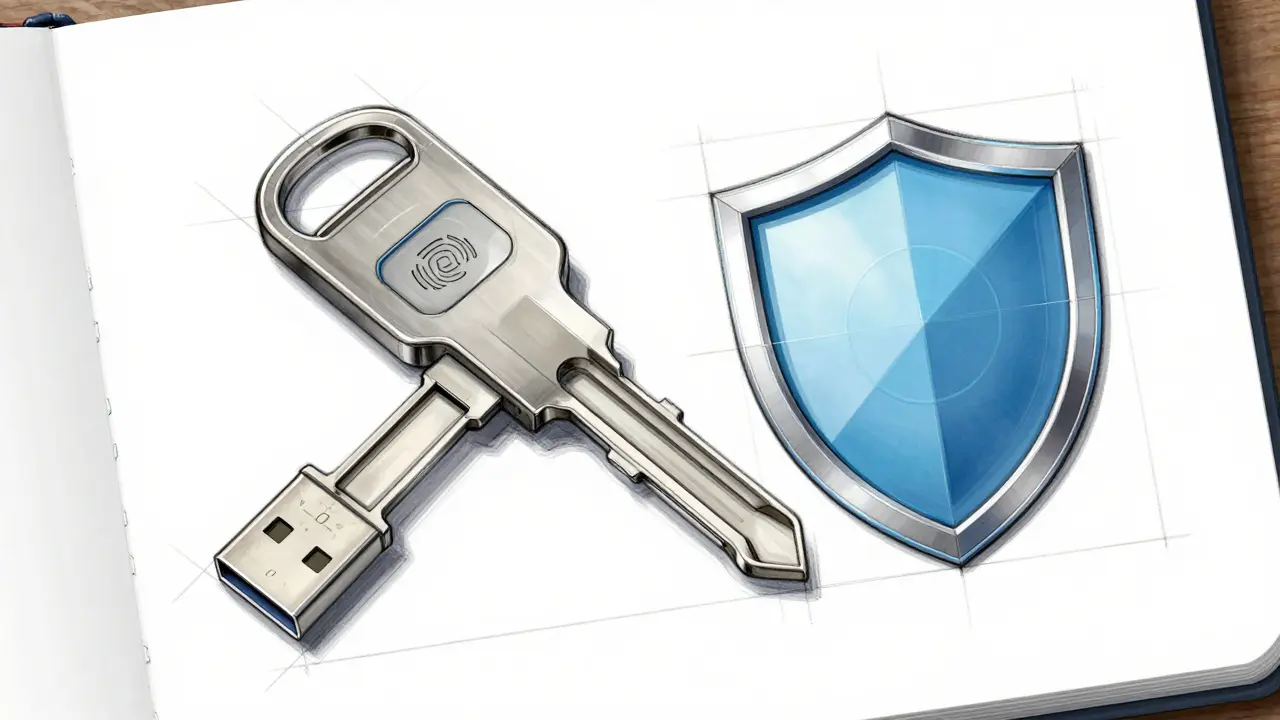
- Multi-Factor Authentication (MFA): This is non-negotiable. A password alone is useless. Look for hardware security keys or biometric options. Software tokens help, but physical keys stop most unauthorized access attempts.
- Cold Storage Systems: This means the majority of user funds are kept offline. Online wallets are targets for hackers. Legitimate exchanges keep over 95% of assets in cold storage vaults.
- Withdrawal Whitelists: This feature lets you set specific wallet addresses where you can send money. Even if someone hacks your login, they can't move funds to an address you didn't approve.
- Third-Party Security Audits: Independent firms check the code regularly. Without these reports, you don't know if the system has holes.
In 2023, the financial sector saw billions in fines because companies ignored basic controls. Those rules apply even harder to crypto now. If Barkis claims to be secure, ask for the link to their latest audit report. If they can't provide one, that is a major warning sign.
Understanding Regulatory Compliance
We are living in a time where "crypto" doesn't mean "no rules." Governments globally have tightened the net around digital asset providers. In New Zealand, the Financial Markets Authority (FMA) oversees many aspects of investment. While I am writing this from Wellington, international rules often align.
An exchange needs two main things to pass legal checks:
- Know Your Customer (KYC): They must verify your identity. Platforms that skip this are usually facilitating bad actors.
- Anti-Money Laundering (AML): They track transactions to prevent illegal fund movement.
If you can easily sign up without ID documents, the platform is taking shortcuts. In the era of Chainalysis and similar monitoring tools, anonymous exchanges are under constant scrutiny from regulators. If Barkis skips KYC, they are likely operating outside the law, putting your capital at risk of seizure.
Risk Assessment for New Exchanges
New platforms often promise lower fees or higher rewards to attract users. That is how the classic bait works. However, every attractive promise comes with hidden costs. History teaches us harsh lessons. Remember the collapse of Mt. Gox in 2017? Poor security practices led to the loss of 850,000 bitcoins. It wasn't just code; it was operational failure.
| Feature | Established Exchange Standard | Obscure/New Platform Expectation |
|---|---|---|
| Licensing | Publicly listed regulator IDs | Often vague or missing |
| Audit Reports | Annual third-party reviews | Rarely published publicly |
| Community Feedback | Mixed reviews over years | Few to no independent mentions |
| Insurance Fund | User protection coverage details | Claims without proof |
You can see the difference in transparency. Old platforms have scars and track records. New ones like Barkis might look clean simply because no one has written about their failures yet. You are betting on their future performance when you sign up with zero history.
How to Verify Any Exchange Yourself
If you decide to explore Barkis or any other platform, follow this personal due diligence list. Don't rely on the marketing team's answers. Go directly to the source.
- Check the Domain Age: Use a WHOIS lookup tool. If the website is less than six months old, that explains the lack of reviews. It is brand new, or possibly a copycat site.
- Test Customer Support: Ask a direct question about security protocols. If they reply instantly with a script or ignore technical details, that is a red flag.
- Search Negative Reviews: Don't just look for praise. Search for "scam," "withdrawal issues," or "frozen funds" combined with the name. Lack of complaints sometimes means lack of users.
- Verify Licenses: Go to the official government regulator website. Enter the company name. If it's not there, they aren't licensed to operate in that jurisdiction.
Also, look at the technology stack. Real exchanges use SSL encryption. Click the lock icon in your browser bar. If the certificate is invalid or missing, do not log in. It means your data travels in plain text.

Protecting Your Digital Assets
The safest money you have is the money you control yourself. Custody is a big word in finance. When you leave coins on an exchange, you don't really own them. You own an entry in their internal ledger. That is a counterparty risk.
For long-term holding, use a hardware wallet. Devices store your private keys offline. If you trade frequently, keep small amounts on the exchange. Always use a unique password for each crypto account. Use a password manager to handle this. Never reuse banking passwords on trading sites.
Keep your devices patched. Many attacks happen not because the exchange was hacked, but because the user's phone had malware stealing session cookies. Enable network firewalls. Consider a Virtual Private Network (VPN) if you are accessing sensitive accounts on public Wi-Fi.
Industry Standards for 2026
The landscape has shifted since 2023. We now expect real-time threat detection. Systems like Chainalysis Hexagate analyze transaction intent live. This helps block bad actors before funds move. An exchange should advertise these defenses.
If Barkis implements modern threat intelligence, they should mention it on their landing page. Vague statements about "high security" are not enough. They need to specify tools. Are they using intrusion prevention systems? Is there a bug bounty program where researchers get paid for finding flaws? These prove commitment to safety.
Is Barkis Blockchain Exchange legit?
Currently, there is insufficient public data to verify legitimacy. We recommend avoiding large deposits until licensing and audit reports are confirmed through independent sources.
Does Barkis support New Zealand residents?
No official documentation confirms support for NZD payments or FMA compliance. Treat the platform as inaccessible until this changes.
Are my funds insured on Barkis?
Without public insurance policy documents, assume your assets are uninsured. This carries total loss risk in case of exchange insolvency.
Can I withdraw cash easily?
Withdrawal capabilities depend on verified banking partners. Many new exchanges block withdrawals during initial phases. Check for recent user reports.
How do I check if an exchange is safe?
Verify licensing numbers on regulator websites, check for third-party security audits, ensure cold storage availability, and read independent community feedback.
Safety isn't an afterthought. It is the foundation. Without proof of Barkis' infrastructure, your exposure is too high compared to established rivals. Stick to platforms with proven track records until more transparency emerges.
Disha Patil
March 31, 2026 AT 09:27I feel so scared reading about places that disappear without a trace
My cousin lost everything last year and never got help back then
We cannot ignore these red flags when they show up on our screens now
The silence from this company feels like a bad omen in my gut
Safety should always come before chasing any quick profits online
Jay Starr
March 31, 2026 AT 19:32Trust issues are real
People forget how fast things vanish in crypto
Lisa Miller
April 2, 2026 AT 12:42It is important to stay positive while checking these safety boxes though
We all want secure platforms for our digital money today
Checking for audits helps everyone sleep better at night really
Knowledge is power when we choose where to store assets carefully
Stay strong friends and keep your hardware wallets secure always
Joy Crawford
April 3, 2026 AT 23:25i cant stop worrying about the withdrawal limits 😦
what if they freeze your money forever :(
this whole situation is scary for us regular people 😱
please be careful everyone i am getting so much anxiety over this 😟
trust is hard to earn back once it is gone completely
Beverly Menezes
April 5, 2026 AT 13:38Peace is what we need right now instead of panic
Just verify the license before putting funds anywhere
Simple checks save big problems later on in life
We should support companies that follow the laws properly
Calming thoughts help us make better financial decisions daily
Michael Nadeau
April 6, 2026 AT 08:00The concept of trust in a digital era is a fragile construct built on code rather than human character
When we entrust our wealth to servers we surrender control of our own financial destiny to algorithms
Audit reports are merely snapshots of a systems integrity at a single moment in time
Regulations change faster than we can read the terms of service agreements signed by users
This exchange lacks the historical scars that prove resilience against market crashes and hacking attempts
We must consider whether anonymity serves privacy or serves illicit actors hiding in plain sight
The absence of public records suggests a deliberate choice to remain outside oversight frameworks
Without oversight there is no true accountability for losses incurred by unsuspecting participants
Cold storage provides a physical barrier but does not stop insider threats from within the organization
If the entity controlling the keys disappears the value held becomes theoretical rather than tangible
History teaches us that centralized points of failure invite catastrophe regardless of marketing claims
We stand on the precipice of a new financial model that demands higher standards of transparency
Digital ledgers are immutable but human greed remains perfectly flexible and adaptable to loopholes
We must demand proof of reserves that goes beyond mere mathematical promises given to us
The path to financial freedom requires tools that guarantee custody rather than mere access to trading
Ronald Siggy
April 7, 2026 AT 04:34You need to take action on your security setup immediately
Enable hardware keys before you even deposit a single dollar
Protecting yourself starts with strong authentication methods everywhere
Ignore the flashy ads and focus on the backend verification logs
Your safety depends on your vigilance against potential risks today
Zackary Hogeboom
April 8, 2026 AT 02:32Honestly the tech stack matters a lot more than the branding here
I wonder how many others are running due diligence checks like this
The domain age tool is a brilliant tip for spotting fakes quickly
Communication with support tells you volumes about their operational health
Let us discuss which audit firms are actually trustworthy in this sector
Shaira Vargas
April 8, 2026 AT 13:02This is such a nightmare scenario for anyone who wants to trade safely
I am shaking just thinking about losing my hard earned savings
Please tell me someone else has verified this platform officially
The uncertainty is killing my peace of mind completely today
I need answers because I dont know where else to put my money
Samson Abraham
April 9, 2026 AT 03:16Fraud prevention requires strict adherence to documented procedures
No license means no legal protection for investors
Risk management dictates avoiding unverified entities
Cara Boyer
April 9, 2026 AT 13:17The deep state hates decentralized finance 🙄
They will try to shut down any honest platform 💻
Barkis sounds too independent for the elites to like
Regulators are just puppets trying to control our wealth 🔒
Wake up sheeple before they take everything away 🐑
Raymond K
April 11, 2026 AT 11:17Uhhh I think we should just trust our intuition about this stuff
Its okay to feel uncertain about new tech platforms
Just remember to double check those links before signing
Mistakes happen but we learn from them eventually
Hope you find a safer place soon buddy
Chris R
April 13, 2026 AT 00:30In Nigeria we see these scams all the time during the holidays
People lose life savings because they rush into new apps
Patience is a virtue that pays off in long term investing
Always ask for proof of local licenses in your country first
We should share information globally to protect everyone from harm
Markus Church
April 13, 2026 AT 15:15The lack of documentation suggests a fundamental lack of governance
Australian regulations would likely flag this entity immediately
One must consider jurisdictional reach before depositing capital
Due diligence reports indicate significant compliance gaps exist
Leah Lara
April 15, 2026 AT 12:44Doesnt matter anyway
Justin Smith
April 16, 2026 AT 06:09Chainalysis integration is non-negotiable for legitimate operations in 2026
Any exchange without AML protocols is operating illegally
Publicly verifiable licenses are required by global standards
Assume total loss of funds on platforms lacking audits
Wade Berlin
April 16, 2026 AT 10:54Here comes another generic warning copy pasted by bots
Half these "security experts" were banned from forums last week
Just move your money and hope for the best
Good luck with the gambling addiction everyone
Colin Finch
April 17, 2026 AT 13:50The art of financial prudence involves recognizing the shadow play
We dance around the truth of what these ledgers truly represent
Transparency is a mirror reflecting the soul of the corporation
Silence speaks louder than any marketing brochure ever could
Wisdom lies in waiting for the dust to settle completely
Lisa Walton
April 19, 2026 AT 07:53Why are we even talking about obscure startups?
Stick to the giants or you get scammed
Your paranoia is making it worse for the rest of us
Growth happens in risky zones you understand nothing
Shubham Maurya
April 20, 2026 AT 08:01You people are scared of nothing bro 🤦♂️
Stop crying and just deposit your cash 🚀
Real investors know when to take the risk 📉
Only losers worry about fake government rules 😂
Make your choice and live with it later 👊
Katrina Tate
April 21, 2026 AT 21:53Operational risk assessment indicates immediate liquidation capability
User base is nonexistent according to third party metrics
Recommend avoiding interaction until full disclosure is provided
Liam Robertson
April 22, 2026 AT 11:15We all deserve safe spaces to grow our investments
Respectfully checking the licenses is the right move
Stay calm and do your homework thoroughly please
Everyone deserves peace of mind regarding their savings
Supporting regulated exchanges helps the whole community thrive
Justin Garcia
April 24, 2026 AT 05:44Shut up and buy tokens or leave
Weak hands sell when news breaks
Stop panicking you are ruining the mood
I dont care about your feelings
athalia georgina
April 25, 2026 AT 02:43i saw something weird on their login page yesterday
did u notice the url looked off too???
my friend tried to signup and got blocked
wish i knew more about them but im scared now
just wait for more news before moving money
joshua kutcher
April 26, 2026 AT 03:33I hear your concerns and want to help you feel safe
Take a deep breath and review the checklist slowly
There is no rush to move money into new accounts
Listening to your instincts is a powerful protective tool
You are in control of your financial choices always
Ashley Stump
April 27, 2026 AT 19:18Government watching us everywhere its obvious
Scams happen because regulators are asleep
Never trust a company without proof
Run while you still can before crash
Chris R
April 29, 2026 AT 02:48Community feedback loops are essential for identifying bad actors early
Sharing experiences prevents others from walking into traps blindly
We must maintain a culture of vigilance across borders always
Education is the best defense against sophisticated fraud schemes today
Together we build a safer ecosystem for future generations of users