
Bitwired Crypto Exchange Review: Is It Safe or a Scam?

You’ve heard the name Bitwired, maybe from an ad on social media or a quick search result. The promise is usually the same: high returns, low fees, and easy access to the crypto market. But here is the hard truth that most reviews won't tell you upfront-Bitwired is not a recognized or regulated cryptocurrency exchange. In fact, there is virtually no credible information about it in any official financial database, regulatory filing, or reputable tech directory.
If you are looking for a place to park your Bitcoin or Ethereum, this silence is deafening. Legitimate exchanges like Coinbase, Kraken, or even newer players publish their terms of service, list their supported coins, and display their regulatory licenses prominently. Bitwired does none of these things. This article isn’t just a review; it’s a warning. We will break down why the lack of information is a red flag, how to spot similar platforms, and what you should do if you have already sent money to them.
The Red Flags: Why Bitwired Doesn’t Exist Online
In the world of finance, transparency is non-negotiable. When you open a bank account, you know who owns the bank, where it is headquartered, and which government agency watches over it. With crypto, the rules are slightly looser, but the basics remain. A legitimate exchange must have a digital footprint.
Let’s look at the evidence-or the lack thereof. I searched through the New York State Department of Financial Services (NYDFS) registry, which tracks businesses with a BitLicense. No results. I checked the UK Financial Conduct Authority (FCA) register. Nothing. The Australian Securities and Investments Commission (ASIC)? Empty. If Bitwired were operating legally in any major jurisdiction, it would be listed somewhere. Instead, we find a void.
This absence suggests one of two things: either the platform is brand new and untested (highly risky), or it is a fraudulent operation designed to disappear before users realize they can’t withdraw their funds. Given the rise of fake exchanges documented by organizations like DataVisor and various state attorney generals, the latter is a strong possibility. Platforms like I Texus Trade and Dartya followed similar patterns-appearing out of nowhere, promising the moon, and then vanishing with user deposits.
How Fake Exchanges Operate
To understand why Bitwired is dangerous, you need to know how these scams work. They don’t usually hack your wallet directly. Instead, they trick you into giving them control.
- The Lure: You see an ad claiming "0% fees" or "10x daily gains." The website looks professional, often stolen from a legitimate design template.
- The Deposit: You send crypto to a wallet address provided by the site. Remember, once crypto leaves your wallet, you cannot reverse the transaction. There is no chargeback button for Bitcoin.
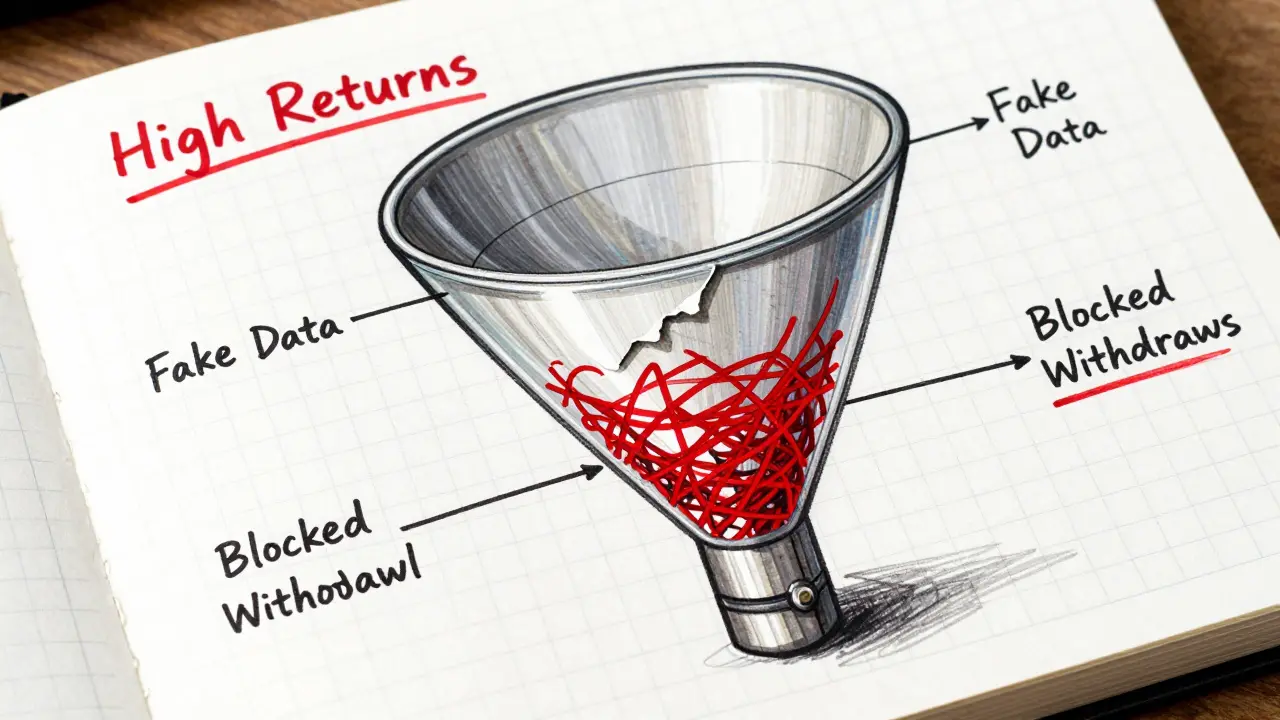
- The Illusion: Your dashboard shows your balance growing. Charts go up. Green numbers everywhere. This is fake data. The backend is controlled entirely by the scammers. They can make your balance look like $10,000 when it’s actually $0.
- The Block: When you try to withdraw, problems arise. "Verification needed," "tax fee required," or "security freeze." They ask for more money to unlock your funds. This is a secondary scam.
- The Disappearance: Eventually, the website goes offline. Support emails bounce. The company dissolves.
Bitwired fits this profile because it lacks the infrastructure to prevent step four and five. Without regulatory oversight, there is no one to hold them accountable.
What Makes an Exchange Legitimate?
Not all unknown platforms are scams, but all scams start as unknown platforms. To protect yourself, you need a checklist. Before you deposit a single cent into any exchange, including Bitwired, verify these three pillars:
| Criterion | Legitimate Exchange | Suspicious Platform (e.g., Bitwired) |
|---|---|---|
| Regulatory License | Listed in government registries (FinCEN, FCA, ASIC, etc.) | No license found or claims vague "international" regulation |
| Company Information | Clear physical address, registered entity name, and contact details | P.O. Box only, generic email (Gmail/Yahoo), or no address |
| User Reviews | Mixed reviews on Trustpilot, Reddit, and independent forums | Only positive reviews on their own site or paid review sites |
| Withdrawal Process | Clear, standard fees and processing times | Vague fees, requests for extra payments to withdraw |
For example, Bitstamp, established in 2011, is one of the longest-standing exchanges. It is regulated in multiple jurisdictions, uses cold storage for security, and has a transparent fee structure. Contrast this with Bitwired, which offers no such guarantees. If you cannot find the answer to "Who owns this company?" within five minutes of searching, walk away.
The Risk of Unregulated Trading
Trading on an unregulated platform like Bitwired exposes you to several specific risks that go beyond just losing your principal investment.
Identity Theft: Many fake exchanges require extensive KYC (Know Your Customer) documents-passport scans, proof of address, selfies. Scammers collect this data to sell on the dark web or use for identity fraud. Even if you get your money back (unlikely), your personal information is compromised.
Tax Nightmares: Legitimate exchanges provide tax reports. If you trade on Bitwired, you are responsible for tracking every transaction manually. If the platform disappears, you lose your records, making it difficult to report gains or losses accurately to tax authorities like the IRS or HMRC.
Market Manipulation: On a fake exchange, you are trading against the house. The price charts are often fabricated. You might think you bought Bitcoin at a low point, but the platform controls the price feed. They can manipulate the value to trigger stop-losses or create false profits to encourage larger deposits.
What To Do If You’ve Already Deposited
If you have already sent funds to Bitwired, time is critical. Here is a step-by-step guide to mitigating damage:
- Stop Sending Money: Do not pay any "withdrawal fees," "taxes," or "verification costs." These are lies. Paying them will not unlock your funds; it will only give them more money.
- Document Everything: Take screenshots of your account balance, transaction hashes (TXIDs), emails, and chat logs. Save the URL of the website.
- Contact Your Bank/Wallet Provider: If you used a credit card or bank transfer, contact them immediately. While crypto transactions are irreversible, some banks may be able to flag the merchant or initiate a dispute if the intermediary was a fiat-to-crypto on-ramp.
- Report to Authorities: File a report with your local financial regulator. In the US, this could be the FTC or CFTC. In the UK, the Action Fraud scheme. In New Zealand, the Financial Markets Authority. Provide all documentation.
- Warn Others: Post your experience on Reddit (r/CryptoCurrency, r/Scams) and Trustpilot. This helps others avoid the trap and adds to the public record.
Recovery is difficult, but reporting creates a paper trail that law enforcement can use if they decide to investigate the platform. Silence helps the scammers.
Safe Alternatives to Bitwired
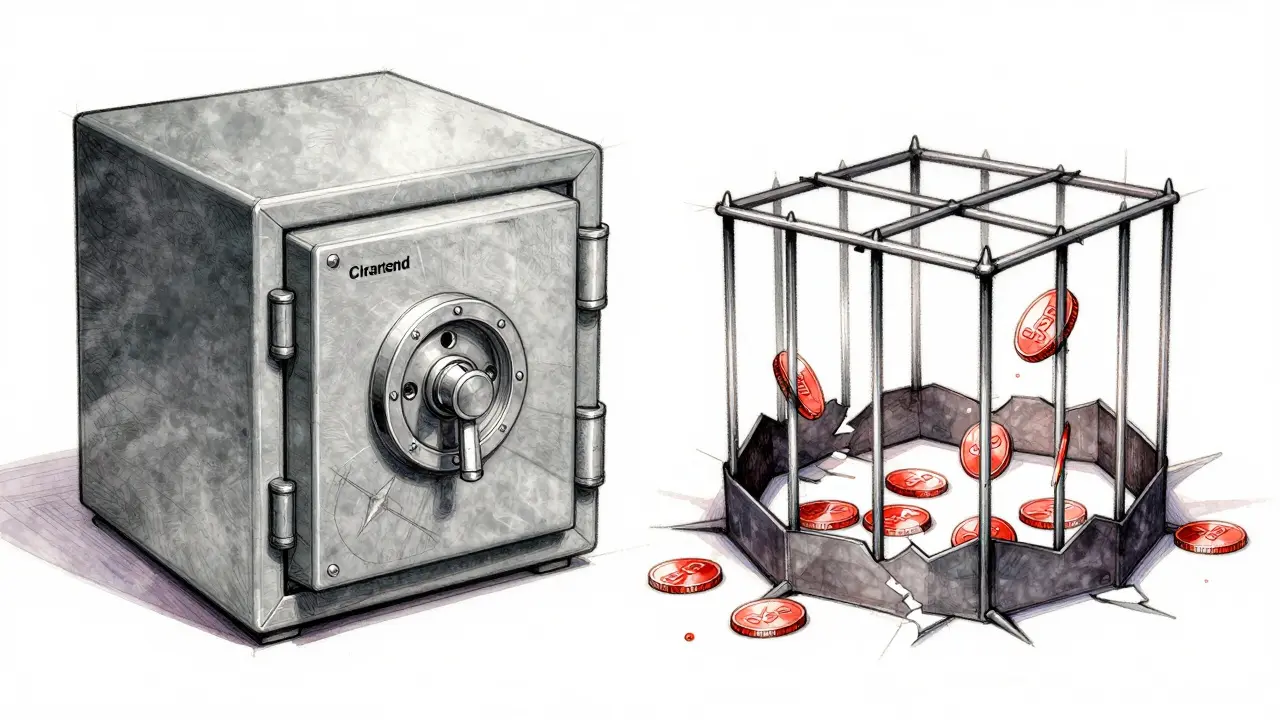
You don’t need to take risks to trade crypto. There are dozens of secure, regulated alternatives that offer better features than shady platforms ever could.
- Coinbase: Publicly traded, heavily regulated in the US, excellent for beginners. High fees, but maximum safety.
- Kraken: Known for strong security and lower fees. Good for both beginners and advanced traders.
- Bitstamp: One of the oldest exchanges, based in Europe. Strong compliance and reliable customer support.
- Binance (with caution): Largest volume, but faces regulatory scrutiny in various countries. Ensure you are using the compliant regional version.
These platforms undergo regular security audits, maintain insurance funds for digital assets, and provide clear customer support channels. They also integrate with hardware wallets like Ledger or Trezor, allowing you to move your crypto off-exchange for long-term storage-a feature Bitwired likely lacks or fakes.
Final Thoughts on Bitwired
The internet is full of opportunities, but it is also filled with traps. Bitwired appears to be one of those traps. The lack of regulatory presence, the absence of verifiable company information, and the similarity to known scam models make it a high-risk proposition. In the crypto world, your security is your responsibility. Don’t hand it over to a platform that doesn’t exist.
Stick to exchanges with a proven track record, clear ownership, and regulatory compliance. Your future self will thank you when you can withdraw your funds without anxiety.
Is Bitwired a licensed crypto exchange?
No, there is no public record of Bitwired holding a license from major financial regulators such as the NYDFS, FCA, or ASIC. This lack of licensing is a significant red flag for legitimacy.
Can I withdraw my money from Bitwired?
If Bitwired is a fraudulent platform, withdrawals are typically blocked. Users are often asked to pay additional fees to release funds, which is a common scam tactic. Do not pay these fees.
How can I check if a crypto exchange is safe?
Check for regulatory licenses in government databases, look for verifiable company registration details, read independent user reviews on sites like Trustpilot and Reddit, and ensure the exchange has a clear physical address and contact information.
What should I do if I suspect Bitwired is a scam?
Stop sending money, document all interactions and transactions, contact your bank if possible, and report the platform to your local financial authorities and consumer protection agencies.
Are there safer alternatives to Bitwired?
Yes, established exchanges like Coinbase, Kraken, and Bitstamp offer regulated, secure environments for trading cryptocurrency with transparent fee structures and customer support.

Jay Sharma
June 30, 2026 AT 15:19it is not a scam it is just the government trying to keep you poor by controlling the narrative around decentralized finance they want you on coinbase so they can track every satoshi you own bitwired is probably run by libertarians who hate the fed but sure check the nydfs registry that is exactly what i would do if i wanted to stay enslaved
Rebecca Shoniker
July 1, 2026 AT 08:32The author’s assertion regarding the regulatory vacuum is, quite frankly, pedestrian. One must consider the ontological implications of unregulated entities in the digital ether; however, the lack of KYC compliance is a fatal flaw for any serious investor. Do not engage with such sub-par platforms. Your cognitive resources are better spent elsewhere.
Emma Rémond
July 2, 2026 AT 17:16Oh, please. The sheer audacity of suggesting Coinbase as a 'safe' alternative is laughable to anyone with actual market acumen. Coinbase fees are predatory and their security record is mediocre at best. Bitwired might be a rug pull, yes, but pretending the big boys are saints is delusional. Real wealth comes from understanding the underlying blockchain mechanics, not hiding behind FCA licenses like a frightened child.
Carl Hanzel
July 3, 2026 AT 20:32Everyone here is missing the point. This article is just fear-mongering content farm garbage designed to get clicks. I bet the author gets paid by Kraken to write this. Nothing is safe in crypto. You will lose your money anyway whether it is on bitwired or binance. The house always wins because the game is rigged against the little guy from day one.
Carol @minaszilda
July 5, 2026 AT 02:29We should all look out for each other. It is easy to feel overwhelmed by these warnings. But taking small steps to verify sources is empowering. Let us support transparency together.
John Curry
July 6, 2026 AT 12:21I have been watching this space for years and the cycle repeats endlessly. New platform appears promises moon shots disappears into the void. It is tragic really how human greed blinds us to basic due diligence. We are our own worst enemies in this digital gold rush.
ELNORA JEFFERSON
July 8, 2026 AT 05:23boring read. why do people even bother writing these long essays when the answer is obvious? no license means scam. end of story. stop wasting my time with all this fluff about red flags i already know its bad.
Trent Erman1
July 9, 2026 AT 23:50Hey everyone! Great points being made here. I just want to add that checking the whitepaper is also super important. If you see vague terms like 'proprietary algorithm' without technical details run away. Stay safe out there and keep learning!
Fiona Ellis
July 10, 2026 AT 08:18It is fascinating how many people ignore the most basic principles of financial regulation. One must ask themselves: who is auditing these books? The absence of an ASIC registration is not merely a detail; it is a screaming alarm bell. 🚨📉
Nicole Woessner
July 11, 2026 AT 13:41i grew up in a culture where we trusted the community elders but in crypto the elders are anonymous scammers lol. seriously though stick to the regulated ones. my cousin lost his savings to a similar site last year. heart breaking stuff.
Jon Milton
July 12, 2026 AT 23:50This is exactly why American innovation is stifled by over-regulation. Meanwhile overseas exchanges operate freely. But sure let us all cower behind the NYDFS. The real risk is not losing money it is losing freedom. However i agree bitwired looks sketchy so maybe avoid it for now.
Scott Miller
July 14, 2026 AT 03:46Wake up people! Stop falling for these traps. The system wants you broke. Take control of your finances. Use hardware wallets. Do not trust exchanges with your keys. Be aggressive in your research and you will survive. Most of you are sheep waiting to be slaughtered.
Abby Martin
July 16, 2026 AT 01:02I am literally shocked someone wrote this post. It is common sense. If it sounds too good to be true it is. I cannot believe people still fall for this in 2024. Educate yourselves or stay out of the market. It is not rocket science.
ross harris
July 16, 2026 AT 06:28The matrix of financial deception is woven tightly around these fake platforms. They feed on your anxiety and your hope. A beautiful tragedy really. You deposit your life savings into a black hole of code and silence. Poetic in its cruelty.
Carl Belgrave
July 18, 2026 AT 01:47This is what happens when you let foreign entities run our financial infrastructure. We need strict borders for digital assets too. Bitwired is likely some offshore operation laughing at us. Support domestic regulated exchanges only. Keep America first.
Daniel J. Cox
July 19, 2026 AT 17:19just chill guys. yeah bitwired is sus. but dont go crazy attacking each other. just use kraken or coinbase like the article says. easy peasy. :)