BTRL Crypto Exchange Review: Is It Safe or a Scam in 2026?
Have you stumbled across an ad for BTRL promising massive returns on your cryptocurrency trades? Before you transfer even a single dollar, stop. The lack of transparent information surrounding this platform is not a minor oversight-it is a major red flag that screams danger.
In the world of digital assets, trust is everything. When a platform operates in the shadows, hiding its leadership team, regulatory status, and security protocols, it is rarely because they have something to hide. More often, it is because they are building a trap. This review cuts through the noise to help you understand why you should likely stay far away from BTRL and what signs indicate a potential crypto scam.
The Red Flags: Why Information Absence Matters
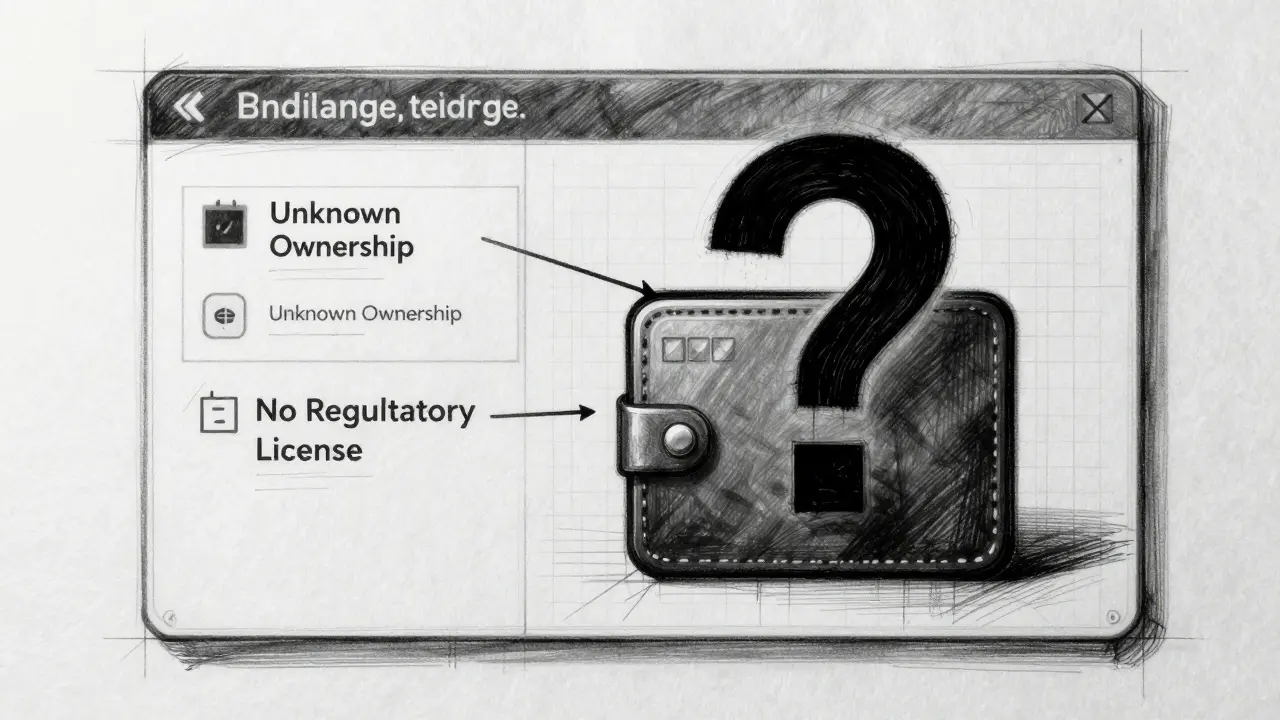
When I look at a new exchange, my first step is always due diligence. Who runs it? Where are they registered? What licenses do they hold? For BTRL Crypto Exchange, the answer to all these questions is silence. In the crypto industry, anonymity is not a feature; it is a liability. Legitimate exchanges like Coinbase, Kraken, or Binance publish their compliance reports, list their executive teams, and clearly state their jurisdictional licenses.
Consider the difference between a licensed financial institution and an unregulated entity. A regulated exchange must adhere to strict Know Your Customer (KYC) and Anti-Money Laundering (AML) laws. These rules protect you by ensuring that the platform is not being used for illicit activities and that there is some level of accountability if things go wrong. Without these safeguards, your funds are at the mercy of whoever controls the backend servers. If you cannot find a physical address or a verifiable corporate entity behind BTRL, assume the worst-case scenario.
Security Risks in Unverified Platforms
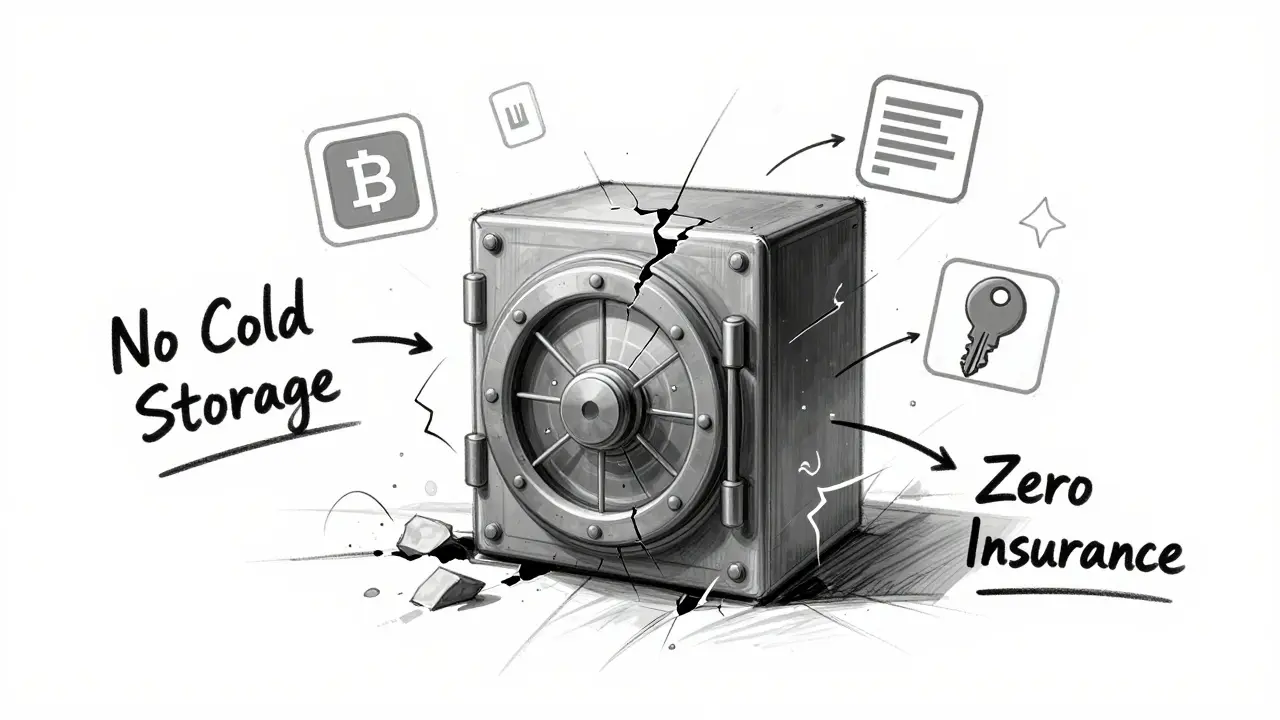
Security is the backbone of any credible cryptocurrency exchange. We know from historical data that hackers stole over $2.38 billion in crypto during 2023 alone. Major platforms invest millions in cold storage solutions, multi-factor authentication (MFA), and regular third-party security audits to prevent breaches. The 2016 Bitfinex hack, where 120,000 Bitcoin was stolen, taught the industry a hard lesson about the importance of robust key management systems.
Does BTRL offer cold storage? Do they undergo annual penetration testing? Are their API endpoints encrypted with industry-standard protocols? There is no public evidence suggesting they do. Operating without these critical security measures exposes users to devastating risks. If a hacker compromises an unsecured platform, there is no insurance fund to reimburse losses, no regulatory body to investigate, and no legal recourse for victims. Your private keys and personal data could be sold on the dark web within hours of a breach.
Regulatory Compliance and Legal Standing
Let’s talk about the law. In many jurisdictions, including the United States, cryptocurrency exchanges are classified as money transmitters under the Bank Secrecy Act (BSA). They must register with the Financial Crimes Enforcement Network (FinCEN) and comply with the "Travel Rule," which requires them to share transaction details with other financial institutions to detect suspicious activity. FinCEN has proposed stricter regulations requiring suspicious activity reports for transactions over $10,000 and identity verification for transfers exceeding $3,000.
If BTRL is operating outside these frameworks, it is likely functioning illegally in many regions. This means that if the platform shuts down-or worse, if it turns out to be a Ponzi scheme-you will have zero protection. Regulated entities are required to maintain reserve ratios and undergo audits to prove they actually hold the assets they claim to manage. Unregulated platforms can manipulate balances, freeze withdrawals arbitrarily, or simply vanish overnight with user funds. Always check if an exchange is listed on official government registries before depositing anything.
Common Tactics Used by Fraudulent Exchanges
Fraudulent crypto platforms often use predictable psychological triggers to lure in victims. Have you noticed aggressive marketing campaigns promising guaranteed profits? Or perhaps customer support that pressures you to deposit more funds quickly? These are classic signs of a scam. Legitimate markets fluctuate; no one can guarantee returns in volatile crypto markets.
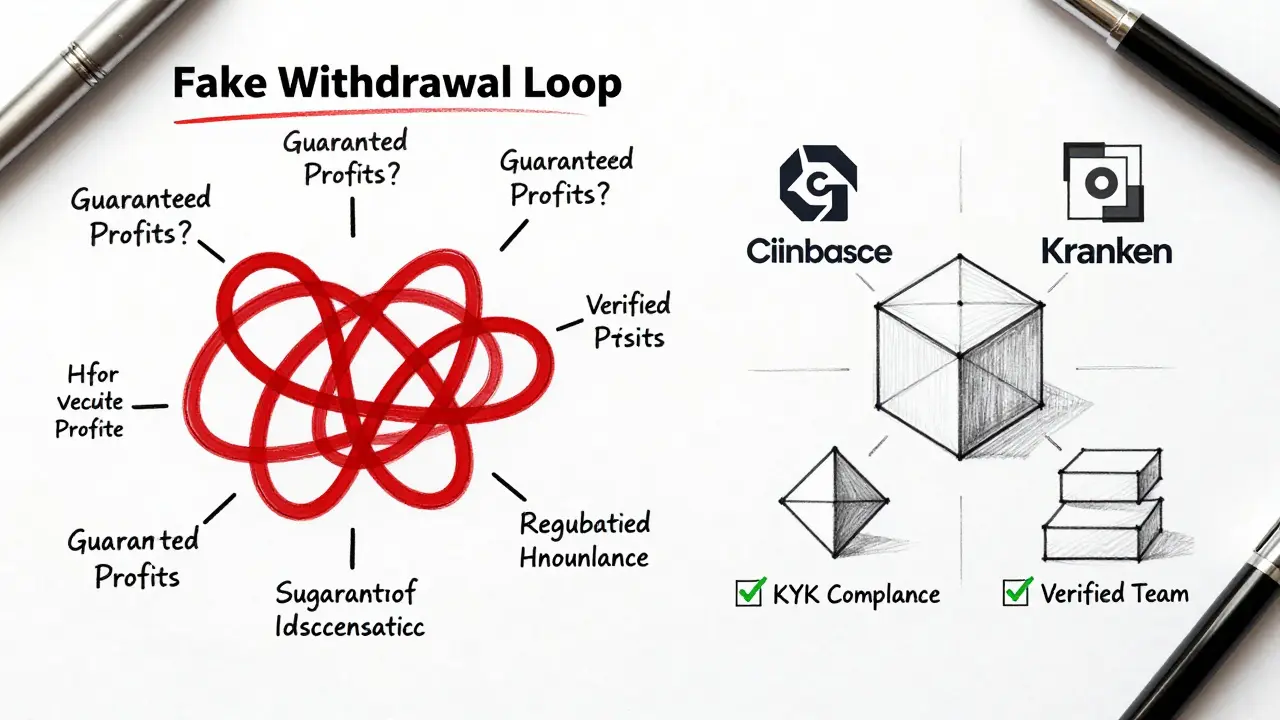
Another common tactic is the "fake withdrawal" loop. You might see your balance increase on the dashboard, but when you try to withdraw your funds to an external wallet, you are hit with endless fees, technical errors, or demands for additional deposits to "verify" your account. This is designed to extract maximum value before disappearing. Research shows that many such schemes operate for only a few months before collapsing, leaving thousands of investors with nothing. Do not fall for the illusion of easy money.
How to Verify Any Crypto Exchange Safely
To protect yourself, adopt a rigorous verification process for any platform you consider using. Here is a checklist you should apply to every new exchange:
- Check Regulatory Licenses: Look for registration with bodies like the SEC, FCA, or local financial authorities. Verify the license number on the regulator’s official website.
- Investigate the Team: Search LinkedIn profiles of the founders and executives. Real people have real histories. Anonymous teams are a huge warning sign.
- Read Independent Reviews: Avoid reviews posted on the exchange’s own site. Look for discussions on Reddit, Trustpilot, and specialized crypto forums. Be wary of overly positive, generic comments that may be bots.
- Test Customer Support: Ask specific technical questions before depositing. Slow, evasive, or non-existent responses indicate poor infrastructure and lack of accountability.
- Start Small: If you still decide to proceed, start with an amount you can afford to lose completely. Try to withdraw immediately to test if the process works smoothly.
Safe Alternatives to BTRL
Instead of risking your capital on an unknown entity like BTRL, consider established, regulated exchanges that have proven track records. Platforms like Coinbase, Kraken, and Binance (in supported regions) offer robust security features, clear fee structures, and responsive customer service. They provide access to a wide range of cryptocurrencies while maintaining high standards of transparency and compliance. Using reputable services ensures that your investments are protected by industry-leading security protocols and legal frameworks.
Is BTRL a legitimate crypto exchange?
There is no verifiable evidence that BTRL is a legitimate, regulated cryptocurrency exchange. The lack of public information regarding its ownership, regulatory status, and security measures strongly suggests it may be unsafe or fraudulent. Users should exercise extreme caution and avoid depositing funds.
What are the biggest red flags of a crypto scam?
Major red flags include anonymous leadership teams, promises of guaranteed high returns, pressure to deposit quickly, lack of regulatory licenses, and inability to withdraw funds easily. Additionally, if you cannot find independent, negative reviews or complaints online, it is often a sign that the platform is too new or intentionally hidden.
How can I verify if a crypto exchange is regulated?
You can verify regulation by checking the official websites of financial authorities in your country, such as the SEC in the US or the FCA in the UK. Look for the exchange's name in their registry of licensed money transmitters or virtual asset service providers. Never rely solely on claims made on the exchange's own website.
What should I do if I already deposited money into BTRL?
If you have deposited funds, attempt to withdraw them immediately. If you encounter obstacles, document all communications and transactions. Report the incident to your local financial crime unit or cybercrime division. Unfortunately, recovering funds from unregulated offshore entities is difficult, so acting quickly is crucial.
Are there safer alternatives to BTRL?
Yes, there are many well-established, regulated exchanges such as Coinbase, Kraken, and Binance that offer higher security standards, transparent fee structures, and better customer support. These platforms undergo regular audits and comply with international financial regulations, providing a much safer environment for trading cryptocurrencies.
![KangarooCake (KCAKE) Airdrop: Is It Real or a Scam? [2026 Guide]](/uploads/2026/06/kangaroocake-kcake-airdrop-is-it-real-or-a-scam-2026-guide.webp)