Countries Moving Away from Fiat to Digital Currency: CBDCs and the Real Shift in Global Money
There’s a quiet revolution happening in central banks around the world - and it’s not about replacing cash overnight. It’s about building something new on top of it. As of 2025, 137 countries are actively developing or testing digital versions of their national currencies. But no nation has fully abandoned physical money. Not yet. And most never will.
What’s Really Changing? Not the Currency, But the System
People talk about countries "moving away from fiat," but that’s misleading. Fiat currency isn’t disappearing. It’s being digitized. Central Bank Digital Currencies (CBDCs) are digital forms of the same money you already use - just in app form. The Bahamas didn’t replace the dollar with something new. They made the Bahamian dollar work on your phone. Nigeria didn’t ditch the naira. They built a digital wallet for it. China’s digital yuan? Still the yuan - just with blockchain under the hood. The real shift isn’t about what money is. It’s about how it moves. And who controls it.The Leaders: Where Digital Money Actually Works
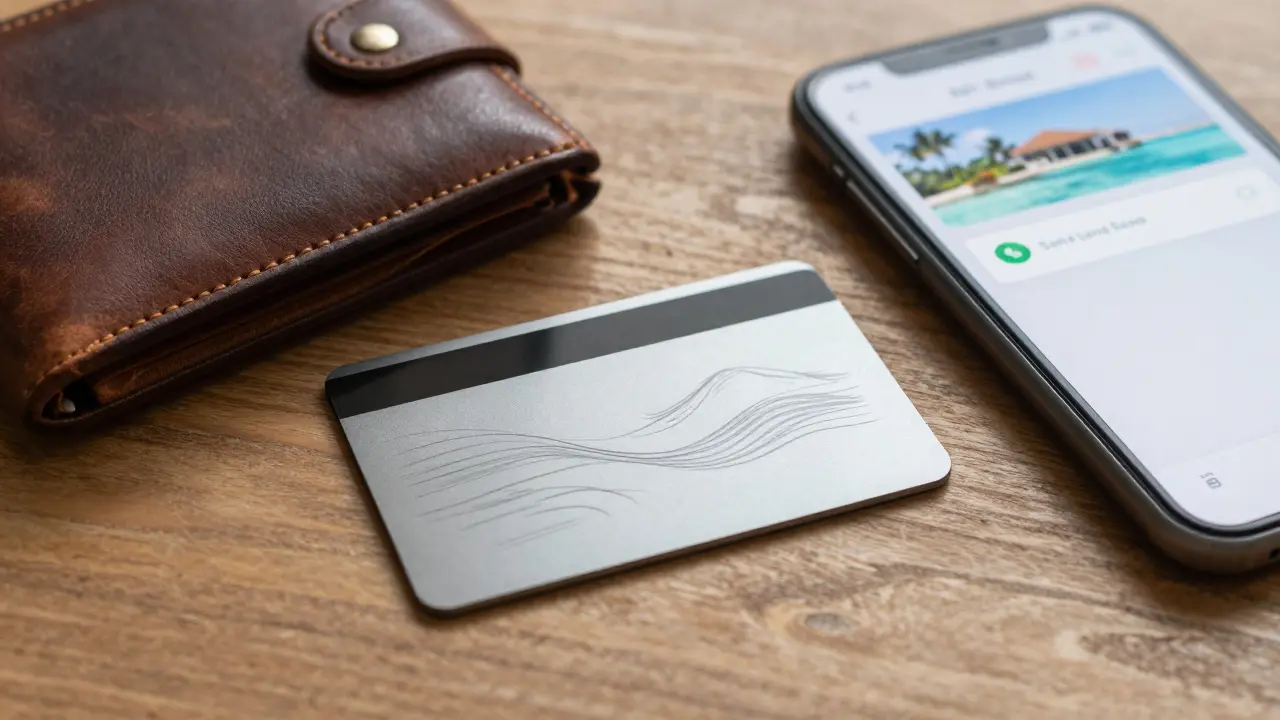
The Bahamas launched the world’s first fully operational CBDC in 2020 - the Sand Dollar. Today, nearly every adult there uses it. Why? Because it works where banks don’t. On remote islands like Exuma, people used to travel hours just to cash a check. Now, they tap their phone. Offline. No internet needed. The Sand Dollar runs on NFC chips - same tech as your contactless card. And 94% of users say they’re satisfied. Jamaica’s JAM-DEX isn’t just a wallet. It’s plugged into the national payment system. You can pay taxes, utility bills, or send money to a relative in Kingston with one tap. 89% of users rate it highly. No hype. Just utility. China’s digital yuan is the biggest experiment in history. Over $250 billion has been transacted since 2022. But it’s still in pilot mode across 26 regions. Why? Because China isn’t rushing. They’re testing scalability, security, and how it affects bank deposits. Their system supports offline hardware wallets. Even if your phone dies, you can still pay - as long as you have the physical device.El Salvador: The Odd One Out
El Salvador is the only country that made Bitcoin legal tender. But here’s the truth most headlines ignore: 87% of daily transactions are still in US dollars. Only 38% of citizens regularly use the Chivo wallet. Why? Volatility. A coffee that costs $2 at 9 a.m. might cost $2.15 by noon. Merchants hate it. Customers hate it. The government’s own data shows adoption is stuck. Bitcoin isn’t a currency here. It’s a speculative asset. And that’s fine - if you’re trading. But it’s terrible if you’re buying groceries.Why Some CBDCs Fail - And Others Succeed
Nigeria’s e-Naira launched in 2021. Smartphone penetration? 82%. Adoption? 43%. Why the gap? Poor design. The app crashes. Merchants don’t accept it. The user guide reads like a legal contract. Sixty-eight percent of users cite technical issues as their main reason for quitting. Compare that to the Bahamas. Their app? Simple. Clear instructions. No login required. You don’t need to understand blockchain. You just need to know how to tap your phone. The difference? Design. And real user testing.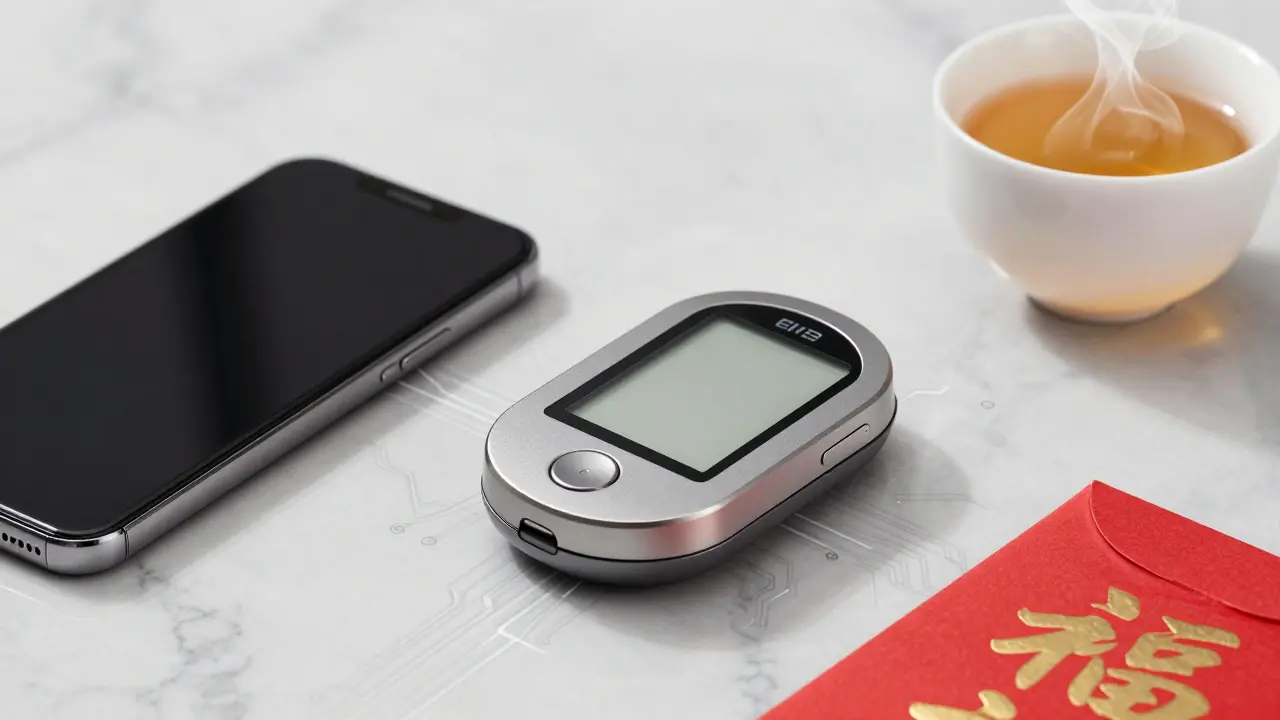
Technical Differences That Matter
Not all CBDCs are built the same. Here’s how they vary:- Speed: Sand Dollar transactions settle in 1.2 seconds. Bitcoin? 10 minutes.
- Offline use: Sand Dollar and digital yuan support it. Most others don’t.
- Privacy: Eastern Caribbean’s DCash uses quantum-resistant encryption. China’s digital yuan tracks every transaction - for government oversight.
- Scalability: Nigeria’s system handles 10,000 transactions per second. Jamaica’s handles 500. That’s fine for a small island. Not for a country of 200 million.
Who’s Behind the Push? And Why?
The Bank for International Settlements found that 76% of central banks say their main goal is financial inclusion. But only 22% have actually built features for the unbanked. That’s a gap. In the Bahamas, the Sand Dollar reached 98.7% of the population - because they didn’t assume everyone had a smartphone. They gave out NFC-enabled cards to elderly users and fishermen. In Nigeria, they assumed everyone could download an app. They were wrong. Then there’s the bank disintermediation risk. Dr. Eswar Prasad from Cornell warns that if people suddenly move all their money from banks into CBDCs during a crisis, banks could collapse. That’s not theory. Simulations show deposit flight could hit 15-25% in a panic. That’s why China’s digital yuan has limits. You can’t hold more than 20,000 yuan in your wallet. No one can. It’s a firewall.The Bigger Picture: Hybrid Money Is Here to Stay
By 2030, 90% of central banks will have launched a CBDC. But physical cash? It’s not going away. The Swiss National Bank, the European Central Bank, and the Reserve Bank of India all say they’ll keep cash available - because people need it. And cryptocurrencies? They’re not replacing CBDCs. They’re becoming part of the ecosystem. The U.S. Federal Reserve is testing how its future digital dollar could work with USDC and USDT - private stablecoins backed by real assets. That’s not a battle. That’s integration. Fortune 500 companies now hold digital assets - but not to pay employees. They hold them as treasury reserves, like gold. Ukraine uses crypto because war destroyed its banking infrastructure. That’s not a trend. That’s an emergency response.