
Deflationary Cryptocurrency Examples: How Scarcity Drives Value in Bitcoin, BNB, and Ethereum
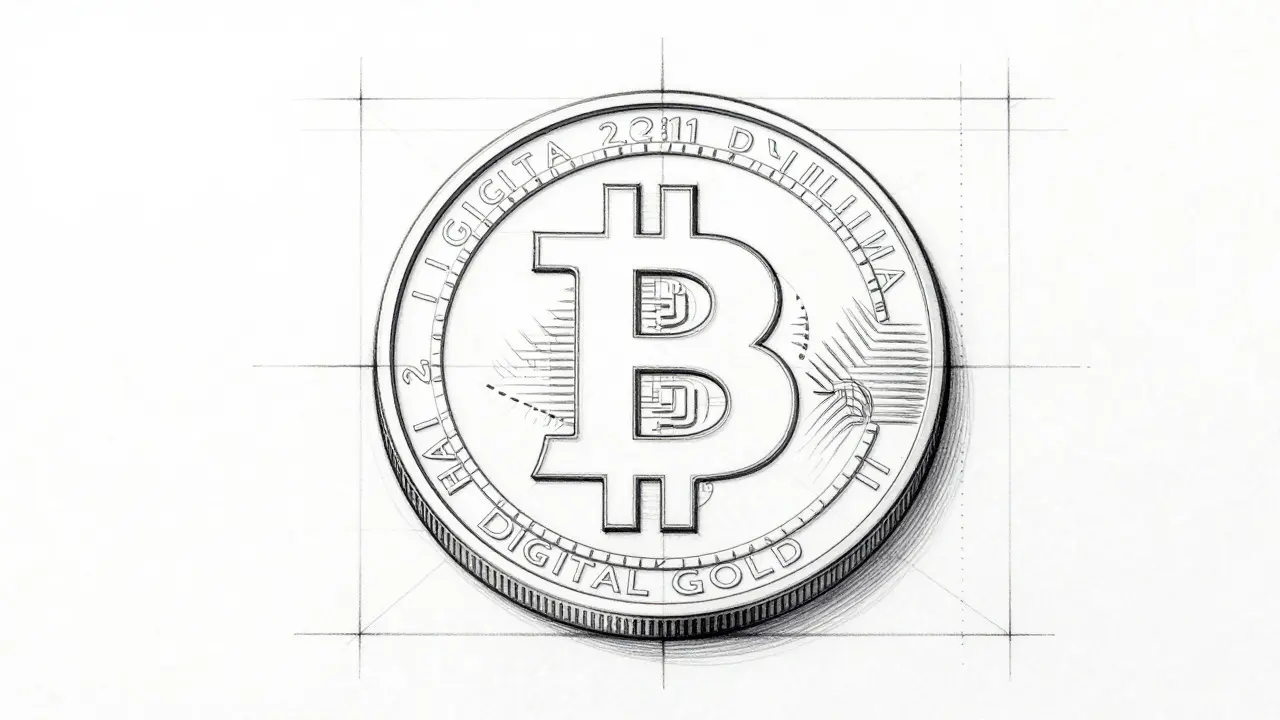
Imagine buying a share of stock today, only to find out that by next year, there are fewer shares in existence than when you bought them. If demand stays the same-or grows-basic economics suggests the price should rise. This is the core promise of deflationary cryptocurrencies, digital assets engineered with mechanisms that permanently reduce their supply over time. Unlike traditional fiat currencies, which central banks can print endlessly, leading to inflation and devaluation, these tokens rely on artificial scarcity to potentially increase value.
In this guide, we’ll break down exactly how these mechanisms work, look at real-world examples like Bitcoin, Ethereum, and Binance Coin, and help you decide if holding deflationary assets makes sense for your portfolio in 2026.
What Makes a Cryptocurrency Deflationary?
To understand why certain coins are labeled "deflationary," you first need to grasp the difference between inflationary and deflationary monetary policies in crypto. Most early cryptocurrencies were inflationary because they issued new tokens constantly to reward miners or validators who secured the network. While necessary for bootstrapping, continuous issuance dilutes the value of existing holders if demand doesn’t keep pace.
A deflationary token is a digital asset whose total supply decreases over time due to specific protocol rules or economic incentives. This reduction happens through three primary technical mechanisms:
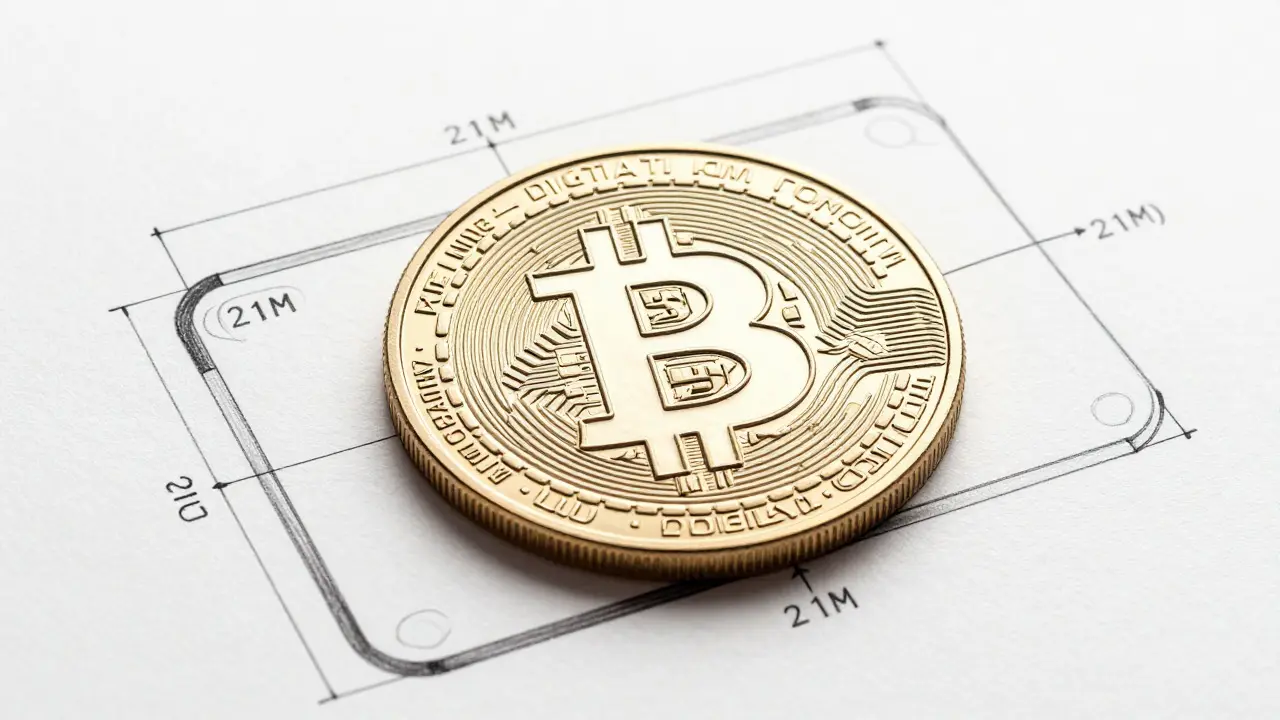
- Capped Supply: A hard limit on the maximum number of tokens that will ever exist (e.g., Bitcoin’s 21 million).
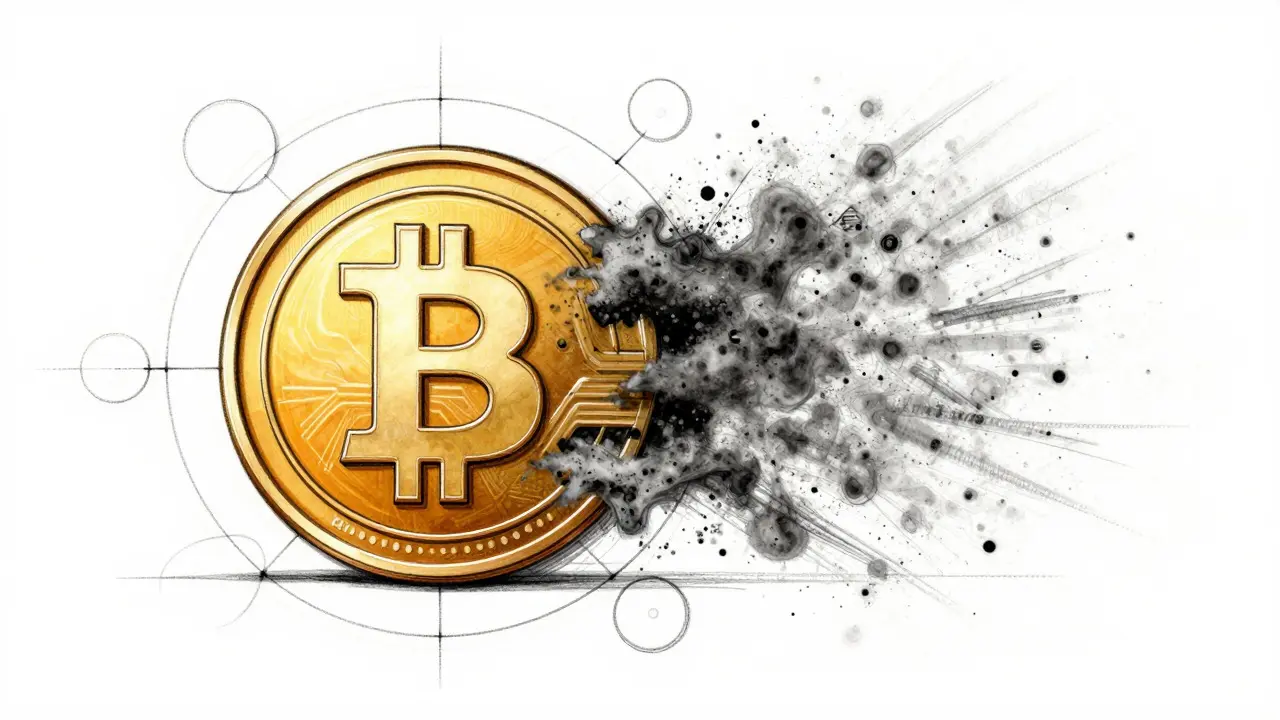
- Token Burning: Sending tokens to an inaccessible address, effectively removing them from circulation forever.
- Halving Events: Periodic reductions in the rate at which new tokens are created.
The goal isn’t just to shrink supply; it’s to create a scenario where scarcity meets utility. When fewer tokens are available for trade or use within an ecosystem, each remaining token theoretically holds more weight.
Top Deflationary Cryptocurrency Examples
Not all deflationary cryptocurrencies operate the same way. Some rely on rigid, predictable schedules, while others adjust dynamically based on network activity. Here are the most prominent examples shaping the market in 2026.
Bitcoin (BTC): The Original Store of Value
Bitcoin, launched by Satoshi Nakamoto in January 2009, is the foundational example of deflationary design. It has a hard cap of exactly 21 million coins. No more will ever be created. But Bitcoin’s deflationary nature comes primarily from its halving mechanism. Approximately every four years (or every 210,000 blocks), the reward miners receive for securing the network is cut in half.
The most recent halving occurred on April 19, 2024, reducing the block reward from 6.25 BTC to 3.125 BTC. This predictable reduction in new supply entry creates a "supply shock" that historically correlates with price appreciation, assuming demand remains steady. By 2140, when the last Bitcoin is mined, the annual supply growth will drop to near zero. As Dr. Garrick Hileman, Head of Research at Blockchain.com, noted, Bitcoin’s fixed supply creates a resilient monetary policy that has survived multiple economic cycles.
Ethereum (ETH): Dynamic Deflation via EIP-1559
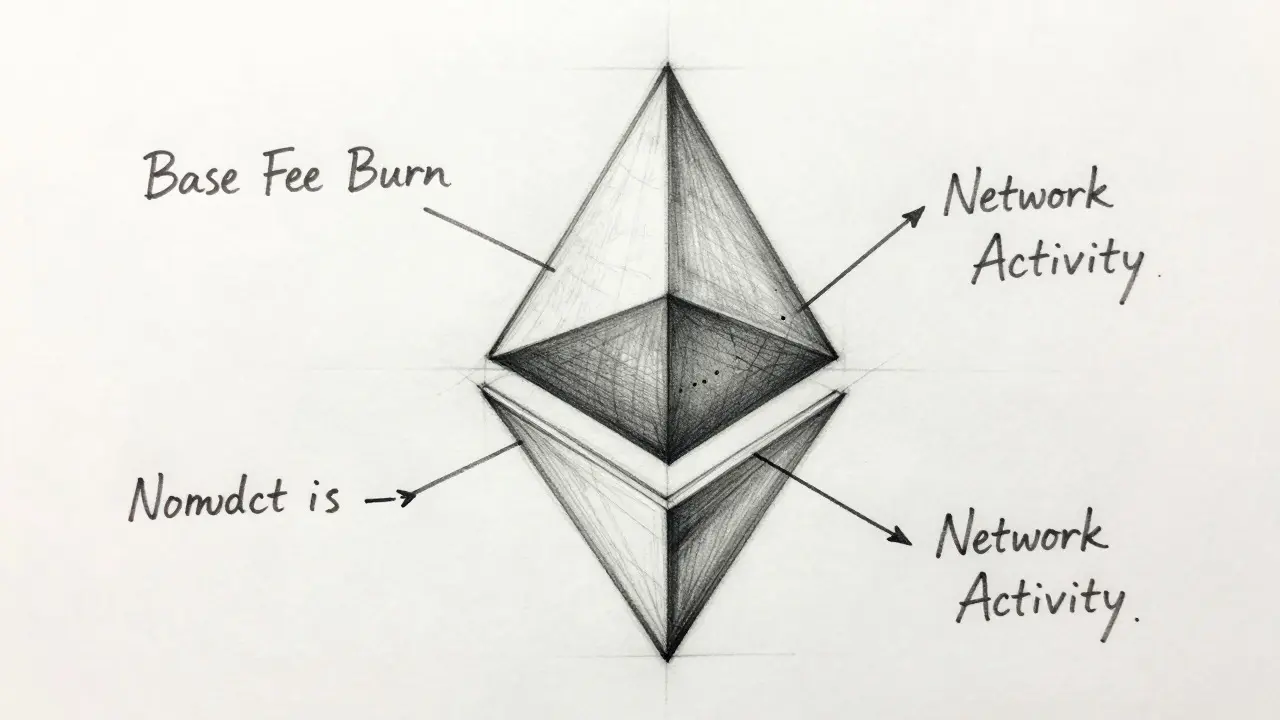
Ethereum transformed from an inflationary asset to a potentially deflationary one following the implementation of EIP-1559 on August 5, 2021. Before this upgrade, transaction fees went entirely to miners. Afterward, a portion of every transaction fee-the base fee-is burned, permanently removed from circulation.
This means Ethereum’s supply changes dynamically based on network usage. During periods of high activity, such as NFT mints or DeFi surges, more ETH is burned than is issued to validators. Data from Ultrasound.money showed that during peak Q2 2023 usage, Ethereum burned up to 1,200 ETH per hour. Conversely, during quiet periods, the burn rate drops, and the network may remain slightly inflationary. This dynamic model ties the token’s scarcity directly to its utility: the more people use Ethereum, the scarcer ETH becomes.
Binance Coin (BNB): Centralized Burns for Ecosystem Utility
Binance Coin (BNB) operates differently because its deflationary mechanism is driven by corporate profits rather than pure protocol code. Launched in 2017 by Changpeng Zhao and the Binance team, BNB was designed to provide discounts on trading fees within the Binance exchange. To ensure long-term value, Binance committed to burning tokens until 50% of the original 200 million supply (100 million) is removed.
Historically, Binance conducted quarterly burns using 20% of its profits. However, in December 2023, Binance announced a shift to a real-time burn mechanism starting in Q2 2024. Now, BNB is burned daily based on spot market trading volume. This approach aims to make the burn process more transparent and responsive to market conditions. As of late 2023, nearly 49 million BNB had been destroyed across 23 events, significantly tightening the supply.
Other Notable Mentions
Beyond the big three, other projects employ unique strategies. SafeMoon gained attention for its aggressive transaction fee model, where 10% of every transfer was taxed, with 5% burned and 5% redistributed to holders. While controversial due to high friction costs, it demonstrated how automatic burning can integrate into user transactions. Other Layer-1 chains and DeFi protocols also adopt staking-based deflation, where tokens are locked up for extended periods, effectively reducing liquid supply even if not technically burned.
| Cryptocurrency | Primary Mechanism | Supply Cap | Burn Frequency | Key Advantage |
|---|---|---|---|---|
| Bitcoin (BTC) | Halving + Hard Cap | 21 Million | Every ~4 Years | Predictable scarcity, "Digital Gold" status |
| Ethereum (ETH) | EIP-1559 Base Fee Burn | None (Dynamic) | Per Transaction | Ties scarcity to network utility |
| Binance Coin (BNB) | Profit/Volume-Based Burn | 100 Million Target | Daily (Real-Time) | High ecosystem utility, guaranteed reduction |
Why Scarcity Matters: The Economic Impact
The appeal of deflationary cryptocurrencies lies in their potential to preserve purchasing power. In traditional finance, central banks often expand money supplies to stimulate economies, which erodes the value of cash holdings over time. Crypto enthusiasts view deflationary tokens as a hedge against this fiat inflation.
During the global inflation surge of 2022, Bitcoin appreciated 39% against the US dollar in real terms, according to the International Monetary Fund’s 2023 Digital Currency Report. This performance highlighted how assets with capped supplies can outperform traditional stores of value during economic uncertainty. Furthermore, the World Economic Forum’s 2024 Digital Currency Outlook noted that 68% of central banks are interested in incorporating scarcity principles into future Central Bank Digital Currencies (CBDCs), signaling a broader recognition of deflationary mechanics.
However, deflation isn’t without risks. Economist Nouriel Roubini warned in October 2023 that extreme deflationary pressure could encourage hoarding behavior. If everyone waits for prices to rise, spending slows, potentially stifling network adoption and liquidity. This is why utility matters: a token must have reasons to be spent or used, not just held.
Investing in Deflationary Tokens: What You Need to Know
If you’re considering adding deflationary cryptocurrencies to your portfolio, here’s how to get started safely and effectively.
1. Choose the Right Wallet
You need a wallet compatible with the specific blockchain. For Ethereum and ERC-20 tokens, MetaMask is the industry standard. For BNB Chain assets, Trust Wallet offers seamless integration. Setting up a non-custodial wallet takes about 15 minutes but gives you full control over your private keys, which is crucial for security.
2. Understand the Burn Schedule
Timing matters. Binance publishes burn dates seven days in advance, but exact amounts are revealed 24 hours prior. This creates short-term volatility opportunities. For Ethereum, monitor gas prices; when gas exceeds 35 gwei, net issuance often turns negative, indicating active deflation. Tools like Ultrasound.money provide real-time data on ETH burns.
3. Beware of High-Fee Traps
Some smaller deflationary tokens charge excessive transaction fees to fund burns. As one user on Bitcointalk.org shared, investing in a token with a 5% burn per transaction made exiting the position impractical when the market turned. Always check the fee structure before buying obscure tokens.
4. Diversify Based on Risk Tolerance
Bitcoin offers stability and proven resilience. Ethereum provides exposure to the growing smart contract ecosystem. BNB ties your investment to the success of the Binance exchange. A balanced approach might involve holding Bitcoin as a core reserve, Ethereum for utility-driven growth, and smaller allocations to experimental deflationary projects.
Regulatory Landscape and Future Outlook
As deflationary mechanisms become mainstream, regulators are paying closer attention. The European Union’s MiCA framework classifies many deflationary tokens as "asset-referenced tokens," requiring strict disclosure standards. In the US, the SEC continues to evaluate whether burn mechanisms constitute securities under the Howey Test, particularly if investors expect profits from the efforts of others.
Looking ahead, Bernstein predicts that by 2027, 65% of the top 100 cryptocurrencies will incorporate some form of deflationary mechanism. Ethereum’s upcoming Dencun upgrade, featuring proto-danksharding, is expected to boost transaction volume and burn rates by 40-60%. Meanwhile, Bitcoin’s next halving in Q2 2028 will further tighten supply, pushing annual growth below 0.5%.
The trajectory is clear: scarcity is becoming a key feature, not a bug, in digital asset design. Whether you’re a long-term holder or an active trader, understanding these mechanisms is essential for navigating the evolving crypto landscape.
Is Bitcoin truly deflationary?
Yes, Bitcoin is considered deflationary due to its hard cap of 21 million coins and regular halving events that reduce the rate of new supply creation. While new Bitcoins are still being mined, the decreasing issuance rate combined with lost coins over time makes the circulating supply effectively shrink relative to demand.
How does Ethereum's EIP-1559 burn work?
EIP-1559 introduced a base fee for every transaction on Ethereum that is burned rather than paid to validators. This means that during periods of high network activity, more ETH is destroyed than is created through staking rewards, resulting in a net decrease in total supply.
What is the difference between token burning and staking?
Token burning permanently removes coins from circulation by sending them to an inaccessible address. Staking locks tokens in a smart contract to secure the network; while staked tokens aren't actively traded, they aren't destroyed and can be unstaked later, so they don't reduce total supply permanently.
Are all deflationary cryptocurrencies safe investments?
No. While major assets like Bitcoin and Ethereum have robust ecosystems, smaller deflationary tokens can carry high risks, including excessive transaction fees, low liquidity, and centralized control over burn mechanisms. Always research the project's fundamentals and tokenomics before investing.
When will the next Bitcoin halving occur?
The next Bitcoin halving is projected to take place in Q2 2028. This event will reduce the miner block reward from 3.125 BTC to 1.5625 BTC, further slowing the rate of new Bitcoin entry into the market and reinforcing its deflationary characteristics.
How does BNB's real-time burn differ from previous methods?
Previously, Binance conducted quarterly burns based on 20% of its profits. Starting in Q2 2024, it switched to a real-time burn model where BNB is burned daily based on spot market trading volume. This makes the supply reduction more frequent and directly tied to exchange activity rather than corporate profit cycles.
Billy Cunningham
August 14, 2026 AT 05:03burning tokens is just marketing fluff 📉
Ed Wallace
August 15, 2026 AT 13:31The philosophical implication of digital scarcity is fascinating. It forces us to confront the arbitrary nature of value in a post-scarcity information age. When we assign worth to something that costs nothing to replicate, are we not engaging in a collective hallucination? Bitcoin attempts to anchor this hallucation in mathematical certainty, yet the market remains wildly speculative. The halving events act as ritualistic reaffirmations of faith rather than economic necessities. One must wonder if the true utility lies in the token itself or the community built around the shared belief in its permanence.
Ed Mitchell
August 17, 2026 AT 06:24Do not be fooled by these narratives. The central banks are watching closely and will inevitably co-opt this technology through CBDCs. The so-called 'decentralization' is a myth perpetuated by venture capitalists looking for an exit strategy. Every time you buy into this deflationary hype, you are feeding the machine that seeks to enslave your financial privacy. They want you to think you have control while they tighten the noose with surveillance algorithms. Wake up before the rug pull becomes permanent.
Joshua Hofford
August 18, 2026 AT 14:11I actually think there's a lot of wisdom in how different cultures approach value. In some societies, communal ownership is prized over individual accumulation. Crypto flips that script entirely. It’s wild to see how a piece of code can trigger such intense emotional responses globally. We’re basically building a new mythology from scratch. Keep exploring these ideas, folks!
Marcia Albert
August 19, 2026 AT 06:10The way Ethereum burns gas fees is like watching a slow-motion car crash that somehow turns into a fireworks show. It’s chaotic, beautiful, and terrifying all at once. You never quite know if the next transaction will save your portfolio or vaporize it. I love the unpredictability. It keeps the blood pumping.
Emma Smith
August 20, 2026 AT 14:01people forget that liquidity is king without liquidity burning means nothing just dead coins floating in a void waiting for someone to pick them up off the street nobody wants to hold the bag when the music stops and then it does stop always does
Subhash Kashyap Dm
August 21, 2026 AT 03:54the narrative of scarcity is a psychological construct designed to manipulate retail investors into FOMO buying while whales accumulate supply during quiet periods. EIP-1559 is merely a mechanism to extract rent from users under the guise of deflation. The real power lies in the validator set which is increasingly centralized among institutional players who dictate the flow of capital. Do not trust the code trust the incentives.
Alex Di Mango
August 23, 2026 AT 02:00It’s really interesting to see how these mechanisms evolve. I think it’s great that people are finding ways to make their assets more sustainable. The key is staying informed and not getting swept up in the hype. Everyone has their own journey with crypto, and that’s perfectly okay. Let’s keep the conversation positive and helpful for everyone involved.
Lorraine Surringer
August 24, 2026 AT 07:06i mean honestly why do we need another coin that burns stuff?? its so exhausting keeping track of all these updates and i feel like im missing out on something important every single day but also like does it even matter if the price goes down anyway?? sometimes i just want to sit back and relax without worrying about whether my wallet is secure or if the burn rate is high enough to justify holding onto these digital rocks
Amor Jordan
August 25, 2026 AT 04:41I’ve been following this space quietly for years, and the shift towards deflationary models feels inevitable. It’s not just about money; it’s about creating systems that reward participation and punish stagnation. The drama surrounding each halving event is almost theatrical in its intensity. People project their deepest hopes and fears onto these charts. It’s raw human emotion encoded in blockchain data.
Eden Tadesse
August 26, 2026 AT 01:47honestly i dont get the big deal about burning tokens if its gone its gone why would you want less of something unless you are trying to drive up the price artificially which seems kinda sus to me but maybe im just old fashioned and prefer things that stay stable instead of going up and down like a rollercoaster every five minutes
Eric Zehr
August 26, 2026 AT 16:33This is a solid breakdown of the mechanics. Understanding the difference between capped supply and dynamic burning is crucial for any serious investor. It’s encouraging to see more projects adopting transparent burn schedules. The future looks bright for those who do their homework and stay patient through the volatility.
Namrata Mapgaonkar
August 27, 2026 AT 06:37in india we are seeing a huge surge in adoption especially with ethereum layer 2 solutions making transactions cheaper :D the burn mechanism helps but what really matters is usability for everyday people like paying bills or sending remittances without crazy fees hope the regulators understand this soon :)
SUBHAM CHOUDHURY
August 27, 2026 AT 07:16Great article! Keep pushing forward. The knowledge you gain here will serve you well. Don’t let the noise distract you from the fundamentals. Stay focused and keep learning.
Joy Kwant
August 28, 2026 AT 01:46It’s disgusting how much energy is wasted on speculating about token burns instead of addressing real-world issues. While you obsess over fractional changes in supply, people are suffering. This whole industry is a moral vacuum sucking the life out of responsible investing. Shame on you all for prioritizing greed over humanity.
amy miranda
August 29, 2026 AT 09:16Another generic copy-paste job from a content farm. Zero original thought. Just regurgitating basic economics with a tech twist. Boring.
Pernelia Wahkan
August 29, 2026 AT 21:03The linguistic dance of 'scarcity' versus 'utility' is quite the spectacle. Think of it as a masquerade ball where the masks are made of code. The burn mechanism is merely the invitation card. Once inside, the real game begins-not of possession, but of perception. Who holds the gaze longest? That one wins the pot. A colorful metaphor for a cold, hard reality.