
Future of Authentication in Crypto: Passwordless, Quantum-Resistant, and Decentralized
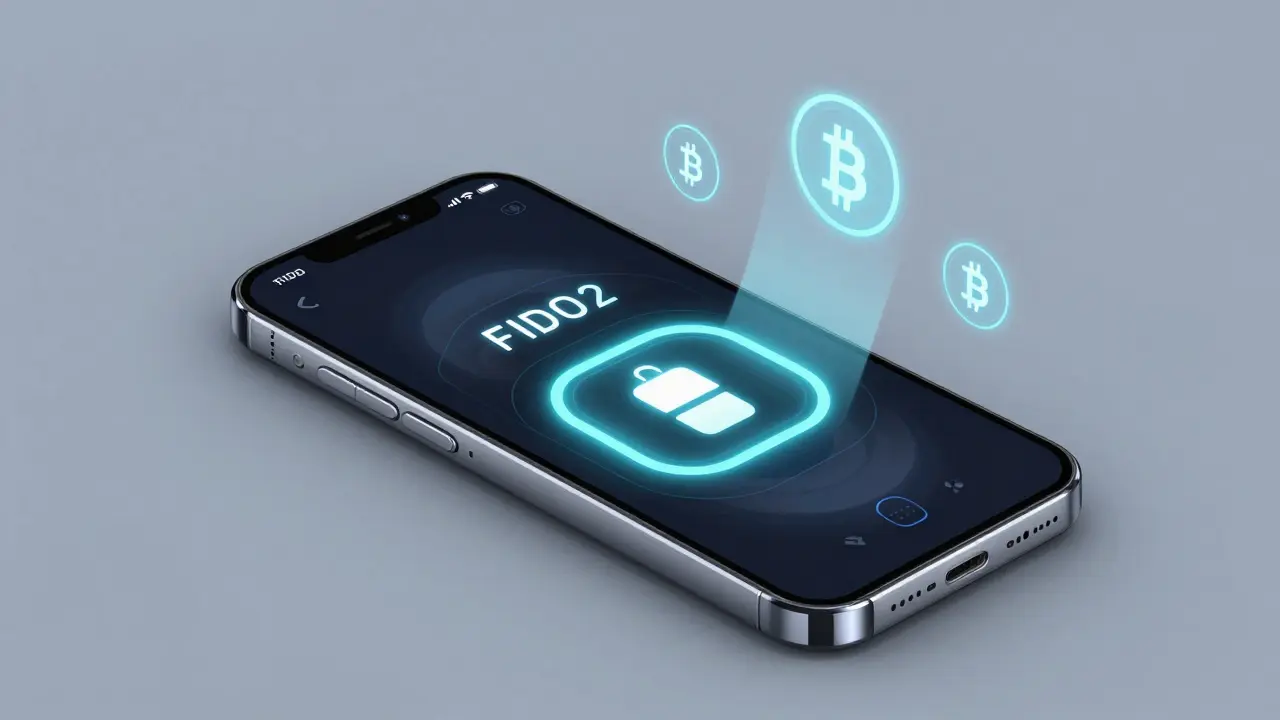
By 2025, if your crypto wallet still relies on passwords or SMS codes, you’re already behind. The era of typing in recovery phrases or waiting for 2FA codes is ending. Hackers don’t break keys anymore-they trick users. And with over 49% of data breaches starting from stolen credentials, crypto platforms can’t afford to wait. The future of authentication in crypto isn’t about better passwords. It’s about removing them entirely.
Why Passwords Are Dead in Crypto
Passwords were never meant for digital money. They’re easy to guess, easy to phish, and easy to leak. In 2025, phishing attacks still account for 16% of all initial breaches, and crypto users are prime targets. A single clicked link can drain a wallet. No encryption, no multi-factor layer, no backup-just a human mistake. That’s why leading exchanges and DeFi platforms have already switched to phishing-resistant methods. FIDO2, the open standard backed by Apple, Google, and Microsoft, uses cryptographic keys stored on your device. Your phone’s fingerprint sensor or Face ID becomes your login. No code. No email. No SMS. Just a tap. A major crypto exchange in Singapore cut account takeovers by 97% after replacing 2FA with FIDO2 security keys. That’s not a fluke. It’s math. When your private key never leaves your device, attackers can’t steal it. They can’t replay it. They can’t guess it.Decentralized Identity: You Own Your Login
Traditional logins rely on companies holding your data. Google knows your email. Facebook knows your name. Exchanges store your KYC documents. That’s a single point of failure. One breach, and your identity is sold on the dark web. Decentralized identity (DID) flips this. Instead of trusting a company, you hold your identity on-chain. Think of it like a digital passport you control. Your name, age, or citizenship status isn’t stored in a database-it’s encrypted and signed with your private key. You show only what’s needed. Want to prove you’re over 18? You send a zero-knowledge proof. No real data exposed. No middleman. This isn’t sci-fi. Projects like Polygon ID and Sovrin are already live. DeFi protocols like Aave and Uniswap are testing DID logins. Users can sign into a dApp without ever giving up their email or phone number. And if you lose your device? You recover with a social recovery group-trusted friends or family members who help you reset access, without relying on a helpdesk.Quantum Resistance: The Clock Is Ticking
Quantum computers won’t break crypto tomorrow. But they will by 2030-2035. NIST, the U.S. standards body, finalized three quantum-resistant algorithms in August 2025: CRYSTALS-Kyber for key exchange, and CRYSTALS-Dilithium and SPHINCS+ for digital signatures. These aren’t optional upgrades. They’re survival tools. Current crypto wallets use ECDSA and RSA keys. Quantum computers can crack those in minutes. If you’re still using a 2023 wallet with 256-bit ECC keys, your funds are already vulnerable to future attacks-even if no one can access them today. The fix? Crypto wallets need to upgrade to post-quantum cryptography (PQC) before 2030. This isn’t a feature. It’s a requirement. Leading custodians like Coinbase and BitGo are already testing PQC in their cold storage systems. Smaller projects? They’re at risk. If you’re building a wallet today and skipping PQC, you’re building a time bomb.
Certificate-Based Authentication: The Enterprise Standard
For institutions, the gold standard is certificate-based authentication. Your private key is stored in a hardware security module (HSM) or a secure chip inside a YubiKey or Apple Secure Enclave. The key never leaves the device. Authentication happens through cryptographic signatures, not passwords. This method is used by 63% of the top 100 crypto exchanges. Why? Because it’s provably secure. No phishing. No replay attacks. No social engineering. Even if someone steals your device, they can’t extract the key. And if you forget your PIN? New systems unlock in under five minutes using backup recovery methods-no 72-hour waiting periods. Comsigntrust’s Centralized Credential Management System (CCMS) lets exchanges issue these certificates directly to Apple Wallet and Google Pay. Users log in with Face ID. No app download. No separate key. Just seamless, bank-grade security built into the phone they already carry.What Users Actually Want
Behind the tech, real users are making choices. A September 2025 survey of 1,200 crypto users found that 78% prefer passkeys over SMS 2FA. They hate waiting for codes. They hate forgetting passwords. They hate getting locked out. But there’s a catch. 41% reported trouble moving their keys between wallets. If you use a FIDO2 key on MetaMask and switch to Trust Wallet, your key doesn’t transfer. That’s a problem. The industry is fixing it. The FIDO Alliance and W3C are pushing universal passkey standards that will let you sync your keys across devices and platforms by 2027. Users also want recovery. 28% of negative reviews on crypto wallets mention “I lost my phone and couldn’t get back in.” That’s why social recovery and biometric backups are now non-negotiable. Wallets that force you to memorize 24 words are becoming relics.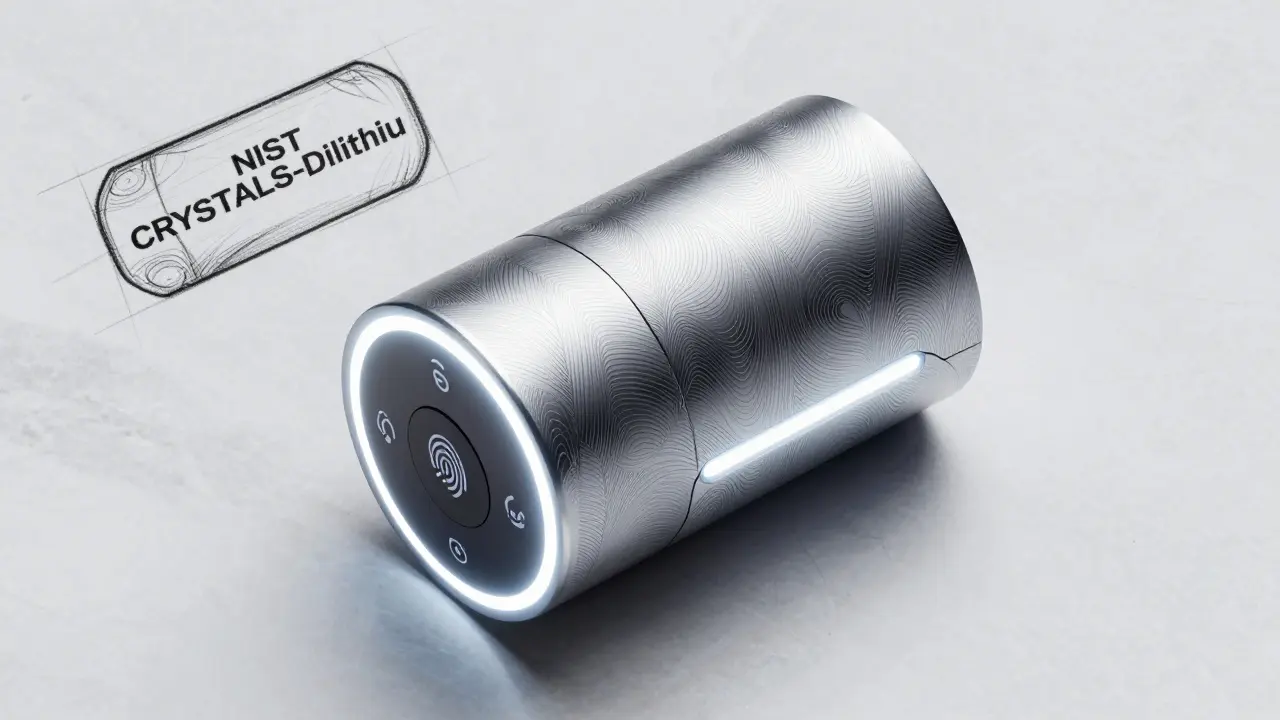
Implementation: Where to Start
If you’re a developer or a crypto project founder, here’s your roadmap:- Replace passwords with FIDO2. Use WebAuthn. Integrate with Apple, Google, or Microsoft passkeys. It’s free, open, and works on 95% of modern devices.
- Add decentralized identity. For DeFi or dApps, use DID methods like EIP-5771 or Polygon ID. Let users prove attributes without revealing data.
- Plan for quantum resistance. Audit your crypto libraries. If you’re using ECDSA or RSA, start migrating to NIST’s CRYSTALS-Dilithium or Kyber. Don’t wait until 2030.
- Enable recovery. Offer biometric backup or social recovery. No one should lose their crypto because they lost a phone.
- Integrate with wallets. Make authentication work inside Apple Wallet, Google Pay, and Ledger Live. Users don’t want more apps.
The Bottom Line
The future of crypto authentication isn’t about complexity. It’s about simplicity and strength. You shouldn’t need to remember anything. You shouldn’t need to trust anyone. Your device should prove who you are-cryptographically, instantly, and securely. By 2030, every major crypto platform will use a mix of FIDO2, decentralized identity, and quantum-resistant crypto. The ones that don’t will be seen as unsafe. The ones that do will become the trusted backbone of Web3. Your wallet isn’t just a tool. It’s your financial identity. Treat it like one.Can I still use passwords for my crypto wallet in 2026?
Technically, yes-but it’s dangerous. Most major exchanges and wallets now block password-only logins. Even if your wallet still allows it, you’re at high risk of phishing, credential stuffing, and account takeovers. By 2026, using passwords is like driving without a seatbelt. You might get away with it-but the consequences are severe.
What’s the difference between FIDO2 and decentralized identity?
FIDO2 proves you’re the owner of a device-it’s about authentication. Decentralized identity proves who you are as a person-it’s about authorization. FIDO2 says, “This device belongs to you.” DID says, “You are over 18, and you live in New Zealand.” You can use both together: FIDO2 logs you in, DID gives you access to restricted features.
Do I need a hardware key like a YubiKey for crypto?
Not necessarily. Most users today use passkeys stored in Apple Wallet or Google Password Manager. These are just as secure as YubiKeys because they use the same FIDO2 standard. Hardware keys are better for high-value users-exchanges, institutional traders, or people managing large portfolios. For everyday use, your phone’s built-in security is enough.
How do I recover my crypto if I lose my phone?
If you’re using a modern wallet, you should have recovery options: biometric backup (like Face ID on a new device), social recovery (trusted contacts help you reset), or encrypted cloud backups tied to your DID. Never rely on a 12- or 24-word phrase alone. If you can’t remember it, you’re locked out forever. Recovery should be easy, not impossible.
Is quantum computing a real threat to my crypto right now?
Not yet. No quantum computer today can break 256-bit ECC keys used in crypto wallets. But the threat is real for the future. If your crypto is meant to be held for 10+ years, you need to upgrade to quantum-resistant algorithms now. Waiting until 2030 is too late. The migration takes time-and you don’t want to be stuck with an old wallet when the quantum attack happens.
What’s the most secure crypto wallet for 2026?
The most secure wallets combine FIDO2 passkeys, decentralized identity, and quantum-resistant cryptography. Examples include the Ledger Nano X with passkey support, the BitBox02 with social recovery, and mobile wallets like Rainbow and Trust Wallet that now integrate Apple and Google passkeys. Avoid wallets that still rely on SMS 2FA or require you to store seed phrases manually.
Kip Metcalf
January 11, 2026 AT 11:00Just switched to passkeys last week and my life is easier now. No more typing 2FA codes while standing in line for coffee. Tap and done. Why were we ever okay with this mess?
Natalie Kershaw
January 11, 2026 AT 20:42Guys, FIDO2 isn’t just secure-it’s frictionless. You’re not just upgrading your wallet, you’re upgrading your entire digital identity experience. And the best part? It’s already built into your iPhone and Android. Stop overcomplicating it. Just enable it. Your future self will thank you.
Jon Martín
January 12, 2026 AT 04:21Quantum resistance is the real deal and nobody’s talking about it enough. We’re talking about a future where your entire crypto life gets wiped out by a machine that doesn’t even exist yet. If you’re still using ECDSA you’re basically leaving your front door open and hoping no one notices. Wake up. This isn’t theoretical anymore.
Mujibur Rahman
January 12, 2026 AT 09:53Decentralized identity is the only way forward. You don’t need to give your email to every dApp. You don’t need to trust Coinbase with your KYC. You own your data. That’s not a feature. That’s a revolution. And yes I’ve used Polygon ID on Arbitrum-worked like magic. No more forms. No more waiting. Just sign and go.
Danyelle Ostrye
January 14, 2026 AT 02:21I lost my phone last month and my wallet locked me out for three days because I didn’t set up social recovery. Don’t be me.
Jennah Grant
January 15, 2026 AT 04:12There’s a huge gap between what’s technically possible and what users actually adopt. FIDO2 is great-but if your recovery method requires trusting three friends with your private key, most people will just stick with passwords. We need better UX, not just better crypto.
Dave Lite
January 16, 2026 AT 13:38Just got my first passkey set up on Ledger Live and it felt like magic 😍 No more writing down 24 words. No more fear of losing a piece of paper. Just Face ID and boom-you’re in. This is what Web3 should feel like. Not a crypto lecture. Just smooth.
Tracey Grammer-Porter
January 17, 2026 AT 15:34What happens when your social recovery group gets hacked or one of your trusted contacts gets cold feet? I get the idea but it feels like replacing one trust problem with another. Maybe we need a hybrid model-biometric + social + backup seed encrypted on iCloud? Just saying.
LeeAnn Herker
January 19, 2026 AT 12:17So let me get this straight-we’re supposed to trust Apple and Google with our crypto keys now? The same companies that sell your data to advertisers and lock you out of your account for breathing wrong? This isn’t security. This is just another cage with prettier bars.
Sherry Giles
January 21, 2026 AT 02:27Quantum-resistant crypto? That’s just a distraction. The real threat is the U.S. government forcing backdoors into every wallet under the guise of ‘national security.’ You think they care about your keys? They want control. This whole ‘passwordless’ thing is just a Trojan horse for surveillance.
Andy Schichter
January 21, 2026 AT 22:59Wow. So we’re supposed to be impressed that we’re replacing one kind of vulnerability with another? Now instead of forgetting a password, we lose our phone and boom-crypto gone. And if your phone dies? You’re dead. This isn’t progress. It’s just a different flavor of fragility.
Caitlin Colwell
January 22, 2026 AT 14:03Passkeys are great. I use them. But I still keep a paper backup. Just in case.
Denise Paiva
January 24, 2026 AT 12:45Let’s be real-most people don’t care about quantum resistance or decentralized identity. They care about not getting scammed. If your wallet looks like a NASA control panel, they’ll use Coinbase. Simplicity wins. Always.
Charlotte Parker
January 25, 2026 AT 19:30So we’re moving from passwords to biometrics to social recovery… and somehow this is supposed to be liberation? We’re just swapping one form of control for another. Who’s auditing the recovery groups? Who’s watching the HSMs? The system is just more complex, not more free.
Calen Adams
January 26, 2026 AT 23:39For devs: WebAuthn is free. FIDO2 is open. NIST algorithms are public. Stop using outdated libraries. Stop making excuses. If you’re still using SMS 2FA in 2026, you’re not a builder-you’re a liability. Fix it. Now.
Sabbra Ziro
January 27, 2026 AT 03:40I love how we’re all talking about tech like it’s neutral. But who gets to decide what ‘secure’ means? What if your biometrics don’t work because of skin tone? What if your social recovery group lives in another country and can’t verify identity? We need inclusivity baked in-not as an afterthought. This isn’t just about cryptography. It’s about justice.
Kip Metcalf
January 27, 2026 AT 05:05^^^ this. I’m Black and my fingerprint scanner doesn’t work half the time. So I use Face ID instead. But not everyone has that option. We need more than just ‘modern tech’-we need tech that works for everyone.