KangarooCake (KCAKE) Airdrop: Is It Real or a Scam? [2026 Guide]
![KangarooCake (KCAKE) Airdrop: Is It Real or a Scam? [2026 Guide]](/uploads/2026/06/kangaroocake-kcake-airdrop-is-it-real-or-a-scam-2026-guide.webp)
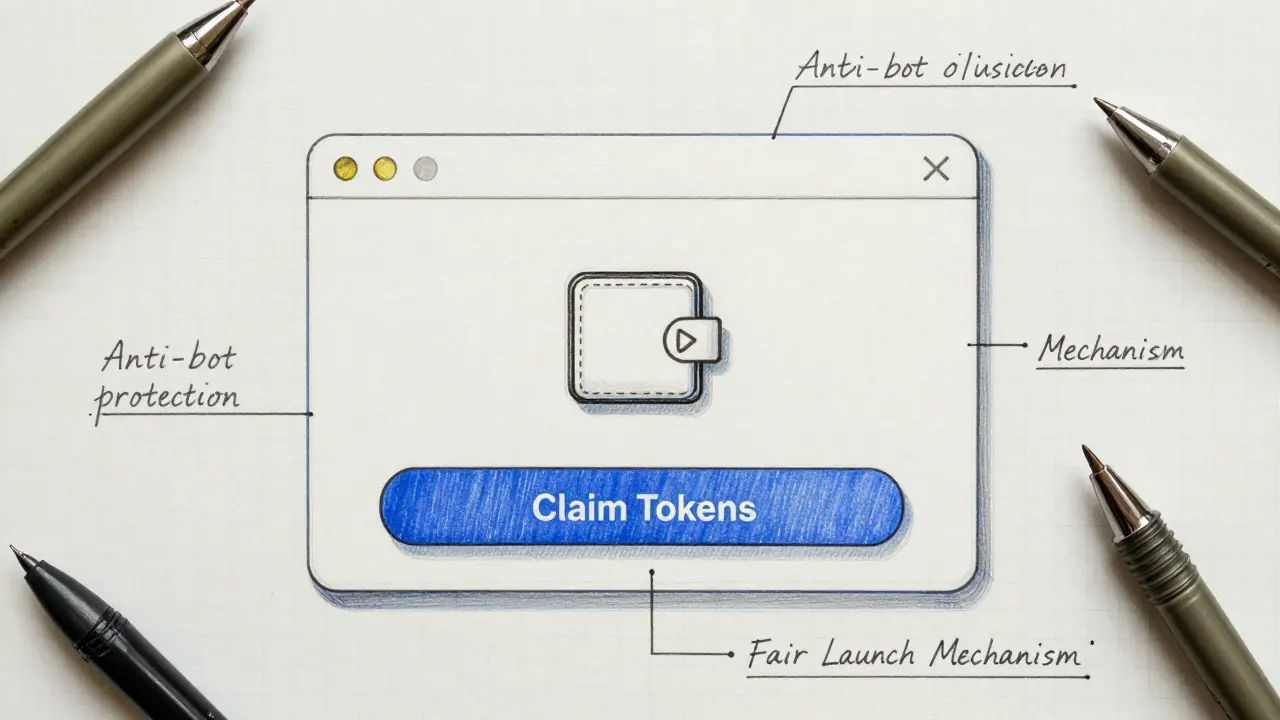
You’ve probably seen the pop-ups. Maybe a friend sent you a link claiming that KangarooCake is giving away free KCAKE tokens to early adopters. The promise is simple: connect your wallet, approve a transaction, and get rich quick. But here’s the hard truth you need to hear right now-there is no legitimate project called KangarooCake issuing a verified KCAKE airdrop in 2026.
If you are looking for details on how to claim these tokens, you are likely staring at a phishing site or a sophisticated scam designed to drain your wallet. In the world of decentralized finance (DeFi), names that mimic established giants like PancakeSwap are a massive red flag. This guide will explain why this specific offer is dangerous, how to spot similar traps, and what actually happens when you click those "claim" buttons.
The Reality Check: No Official Project Exists
Let’s cut through the noise. There is no registered blockchain entity, smart contract audit, or reputable exchange listing for a token named KCAKE associated with a brand called KangarooCake. When I dug into the available data, the only results pointing to "KangarooCake" were unrelated food products or generic placeholder names used by scammers.
This isn’t just a case of a small project flying under the radar. Legitimate airdrops from serious teams usually have a paper trail. You can find their GitHub repositories, their Twitter threads with thousands of genuine followers, and announcements on major crypto news outlets. KangarooCake has none of this. It exists only in Discord servers filled with bots and Telegram groups where admins ban anyone asking for proof of liquidity.
Why does this matter? Because without a verifiable team or audited code, you have zero recourse if something goes wrong. You aren’t participating in a community-driven distribution; you’re walking into a trap set by anonymous actors who profit from your curiosity.
How the KangarooCake Scam Works
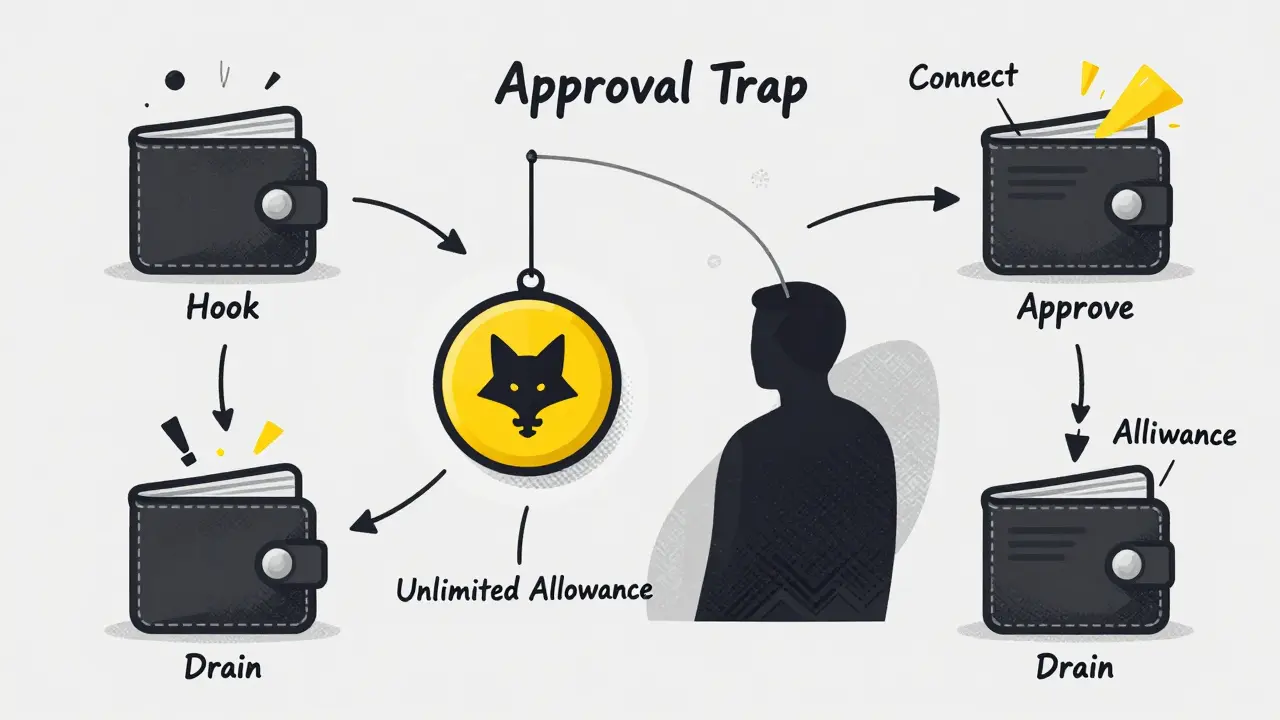
Scammers don’t just want your money; they want control of your digital identity. The typical flow for a fake airdrop like KCAKE follows a predictable pattern. Understanding this sequence can save you thousands of dollars.
- The Hook: You receive an email, DM, or see an ad promising free KCAKE tokens. The site looks professional, often copying the design language of trusted platforms like Uniswap or PancakeSwap.
- The Connection: You are asked to connect your Web3 wallet (like MetaMask or Trust Wallet). Connecting alone doesn’t steal funds, but it reveals your address history.
- The Approval Trap: This is the critical step. To "claim" your tokens, you must sign a transaction. The scammer asks you to approve an unlimited allowance for their contract. They might call it a "gas fee waiver" or a "verification step."
- The Drain: Once approved, the malicious contract can instantly sweep all compatible tokens from your wallet. If you hold ETH, USDT, or other assets, they are gone in seconds.
The term "allowance" is key here. In Ethereum-based chains, approving a token allows a third-party contract to spend your tokens on your behalf. Scammers use fake airdrops to trick users into signing these approvals. Even if the KCAKE token itself is worthless, the approval signature is the real prize for the attacker.
Red Flags That Signal a Fake Airdrop
Not every new token is a scam, but KangarooCake checks almost every box for a fraudulent operation. Here is a checklist to help you evaluate any suspicious offer.
- Name Mimicry: Does the name sound like a popular existing project? "KangarooCake" sounds suspiciously like "PancakeSwap." Scammers rely on cognitive bias, hoping you’ll skim the text and assume it’s related to a brand you trust.
- No Audit Report: Legitimate DeFi projects pay firms like CertiK, Hacken, or OpenZeppelin to audit their smart contracts. If you can’t find an audit report linked from their official website, assume the code is vulnerable or malicious.
- Anonymous Teams: While privacy is common in crypto, total anonymity combined with high promises is risky. Look for LinkedIn profiles or verified social media accounts of the developers. If the team consists only of cartoon avatars, be wary.
- Urgency Tactics: Phrases like "Claim ends in 24 hours" or "Limited supply remaining" are psychological triggers. Real projects give users time to verify safety. Panic is a tool of manipulation.
- Unverified Contracts: Check the token contract address on Etherscan or BscScan. If the source code is not verified, you cannot read what the contract does. Never interact with unverified code.
The Difference Between Legitimate and Fake Airdrops
To understand why KangarooCake is dangerous, compare it to how legitimate airdrops operate. Established protocols distribute tokens to reward early users and decentralize governance. For example, Coinbase One members recently participated in a CAKE token distribution by completing trading volume requirements on supported networks like BNB Chain or Arbitrum. This was a transparent process with clear rules, public documentation, and no requirement to approve unknown contracts.
| Feature | Legitimate Airdrop (e.g., Coinbase CAKE) | Scam Airdrop (e.g., KangarooCake) |
|---|---|---|
| Source | Official exchange or protocol website | Unsolicited DMs, pop-ups, or suspicious links |
| Requirement | Trading volume, holding specific assets | Connecting wallet + signing "approval" transactions |
| Audit Status | Publicly available audit reports | No audits or fake certificates |
| Token Value | Listed on major exchanges | Unlisted, illiquid, or worthless |
| Team Visibility | Verified social media, doxxed founders | Anonymous, bot-filled communities |
The contrast is stark. Legitimate projects build trust over time. Scams seek immediate extraction. If an offer feels too good to be true, it almost certainly is. Free money requires no effort, which contradicts the fundamental economic principles of value creation.
Protecting Your Wallet in 2026
With scams evolving rapidly, passive defense isn’t enough. You need active habits to keep your assets safe. Here are practical steps to protect yourself from threats like the KangarooCake hoax.
Use a Burner Wallet: Never connect your main wallet-the one holding your long-term savings-to random websites. Use a separate "burner" wallet with minimal funds for interacting with new or unverified dApps. If a scam occurs, the loss is contained.
Revoke Permissions Regularly: After interacting with any dApp, check your active approvals. Tools like Revoke.cash allow you to view and revoke permissions granted to contracts. If you accidentally approved a malicious contract, revoking it stops future drains immediately.
Verify URLs Manually: Bookmark official project websites directly. Do not click links from emails or social media. Scammers create lookalike domains (e.g., kangaroocake-official.com vs. kangaroocake-offical.com) to catch typos.
Enable Hardware Wallets: For significant holdings, use a hardware wallet like Ledger or Trezor. These devices require physical confirmation for transactions, adding a layer of security against remote exploits. Even if your computer is compromised, the attacker cannot move funds without your physical device.
What To Do If You Already Connected
If you clicked a KangarooCake link and connected your wallet, don’t panic yet. Connection alone doesn’t mean you’ve lost funds. However, if you signed a transaction or approved a contract, act quickly.
- Check Transaction History: Go to Etherscan or BscScan and enter your wallet address. Look for outgoing transactions to unknown addresses. If you see transfers you didn’t initiate, your funds may be at risk.
- Revoke Approvals: Visit Revoke.cash, connect your wallet, and look for any allowances granted to recent contracts. Revoke any that look suspicious or unfamiliar.
- Move Assets: If you suspect compromise, create a new wallet and transfer your remaining assets to it. Do not leave funds in a potentially compromised wallet.
- Report the Scam: Share the URL and contract address with crypto security communities. This helps warn others and may lead to the site being blacklisted.
Remember, there is no way to reverse a blockchain transaction. Prevention is your only real defense. Education and vigilance are your best tools in the DeFi space.
Final Thoughts on Crypto Safety
The allure of free tokens is powerful, but the cost of ignoring red flags can be devastating. The KangarooCake KCAKE airdrop is a textbook example of a phishing scheme designed to exploit hope and impatience. By sticking to verified sources, using burner wallets, and understanding how approvals work, you can navigate the crypto landscape safely.
Always prioritize security over speculation. A missed opportunity is painful, but a drained wallet is catastrophic. Stay skeptical, verify everything, and keep your private keys private.
Is the KangarooCake (KCAKE) airdrop legitimate?
No, the KangarooCake KCAKE airdrop is not legitimate. There is no verified project, audit, or official announcement associated with this token. It is widely considered a scam designed to steal wallet funds through malicious contract approvals.
How can I tell if a crypto airdrop is a scam?
Look for red flags like unsolicited messages, requests to approve unlimited token allowances, lack of audit reports, anonymous teams, and urgency tactics. Legitimate airdrops come from known projects with transparent processes and public documentation.
What should I do if I connected my wallet to a fake airdrop site?
Immediately check your transaction history on a block explorer. Use a tool like Revoke.cash to revoke any suspicious approvals. Move your remaining assets to a new, secure wallet. Do not reuse the compromised wallet for significant holdings.
Are there any legitimate CAKE token airdrops currently?
While past promotions like the Coinbase One CAKE distribution existed, always verify current offers through official channels like the PancakeSwap website or Coinbase support pages. Be cautious of any third-party sites claiming to offer free CAKE tokens.
Why do scammers use names similar to popular projects?
Scammers use name mimicry to exploit trust. Users familiar with brands like PancakeSwap may overlook discrepancies in spelling or branding, assuming the offer is related to the legitimate project. This psychological trick increases the likelihood of victims interacting with malicious sites.