Liquidus (old) Airdrop: What Happened to LIQ Token and How to Claim
You might be staring at your wallet right now, seeing a balance of Liquidus (old) a legacy cryptocurrency token with a significantly lower market cap and trading volume compared to its newer counterpart tokens, wondering if they are worthless dust or if there is a hidden treasure waiting to be claimed. It is a common frustration in the crypto world. You hold an asset that looks abandoned, yet rumors persist about a campaign or an airdrop that could breathe life back into it. The confusion stems from the fact that the project has evolved, splitting into what is now known as Liquidus Foundation the current active development studio behind the modern LIQ token and mobile application and the older, less active version.
The short answer is that there is no single, universal "click here to claim" button for a massive, unannounced windfall. However, understanding the distinction between the two tokens is critical because it determines whether you can migrate your assets, participate in new campaigns, or simply cut your losses. This guide breaks down exactly what happened to the Liquidus ecosystem, how the old and new tokens differ, and what steps you should take if you still hold the legacy LIQ token.
Understanding the Split: Liquidus Old vs. New
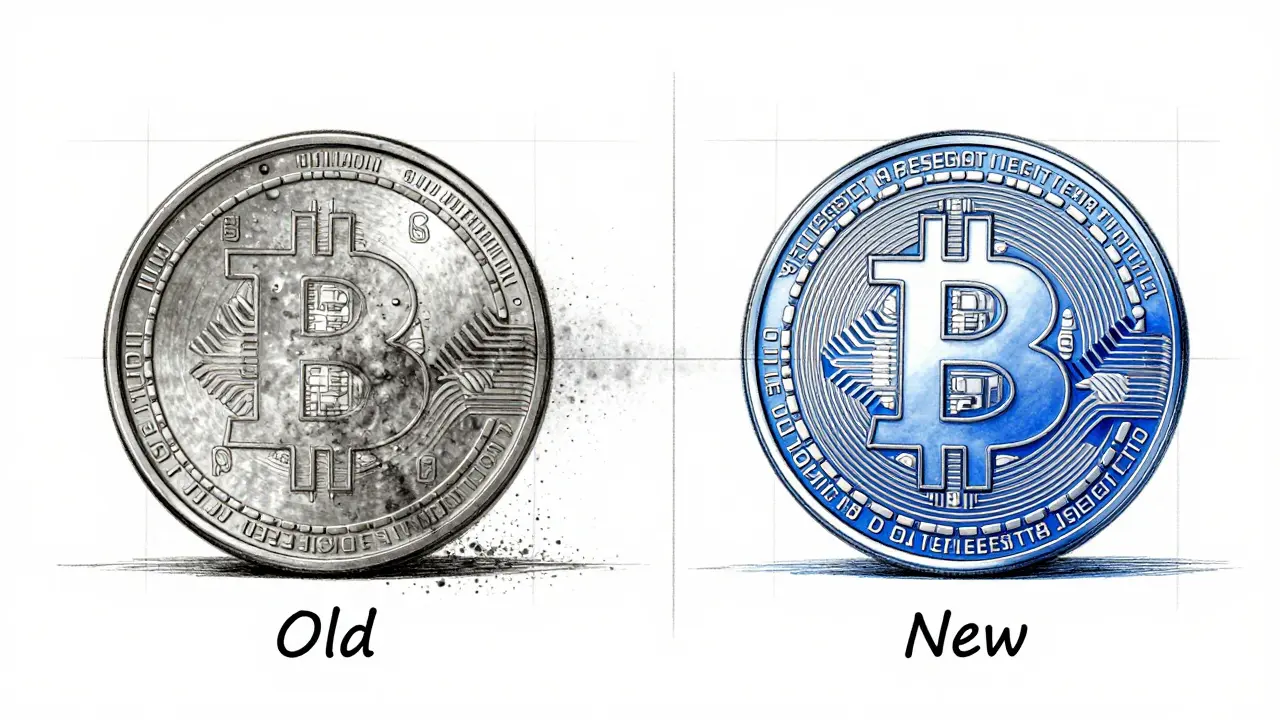
To navigate this situation, you first need to understand why there are two versions of the same name. In the blockchain space, projects sometimes undergo hard forks, rebrands, or complete migrations to new chains to improve security, speed, or utility. For Liquidus, this resulted in two distinct entities that trade separately on exchanges.
The Liquidus (old) token represents the previous iteration of the project. It has a total supply of 67.26 million tokens, but only about 6.55 million are currently circulating. Its market capitalization is quite small, hovering around $55,000, with very low daily trading volume. This lack of liquidity means that selling large amounts can drastically drop the price, and finding buyers can be difficult. Historically, this token peaked at nearly $4.80 in November 2021, but it has since declined by over 99%, hitting lows of under half a cent in early 2025 before recovering slightly.
In contrast, the newer Liquidus Foundation (LIQ) token is the active face of the brand today. It trades at a higher price point, with a market cap closer to $240,000. This version powers the current Liquidus mobile app, which allows users to deposit and earn on decentralized crypto holdings. The new token has a smaller total supply of 6.31 million, creating more scarcity. If you are looking for active development, community engagement, and potential future value, the new token is where the energy is. The old token is largely a relic, though it still has holders who hope for a migration path or a retroactive reward.
| Feature | Liquidus (Old) | Liquidus Foundation (New) |
|---|---|---|
| Market Cap | ~$55,440 | ~$240,820 |
| Total Supply | 67.26 Million | 6.31 Million |
| Circulating Supply | 6.55 Million | 3.61 Million |
| Primary Use Case | Legacy Holdings / Speculation | App Utility / Earning Rewards |
| Development Status | Minimal Activity | Active Development |
Did the Liquidus (Old) Airdrop Actually Happen?
Rumors often swirl around "legacy" tokens. Holders frequently ask if there was a specific airdrop campaign for the old token that they missed. Based on available data, there is no evidence of a standalone, massive airdrop exclusively for the old token that distributed significant new wealth to holders without action on their part. Instead, the narrative is more nuanced.
There have been promotional events associated with the broader Liquidus brand. For instance, Gate.io hosted a trading competition with $51,000 in rewards, where early depositors received shares of LIQUIDUS tokens. Similarly, Galxe Quests have featured campaigns involving USDC rewards tied to Liquid Crypto activities. However, these were typically tied to the *new* ecosystem or required active participation like trading, staking, or completing social tasks. They were not passive payouts to anyone holding the old token in a cold wallet.
If you heard about an "airdrop," it likely referred to one of three scenarios:
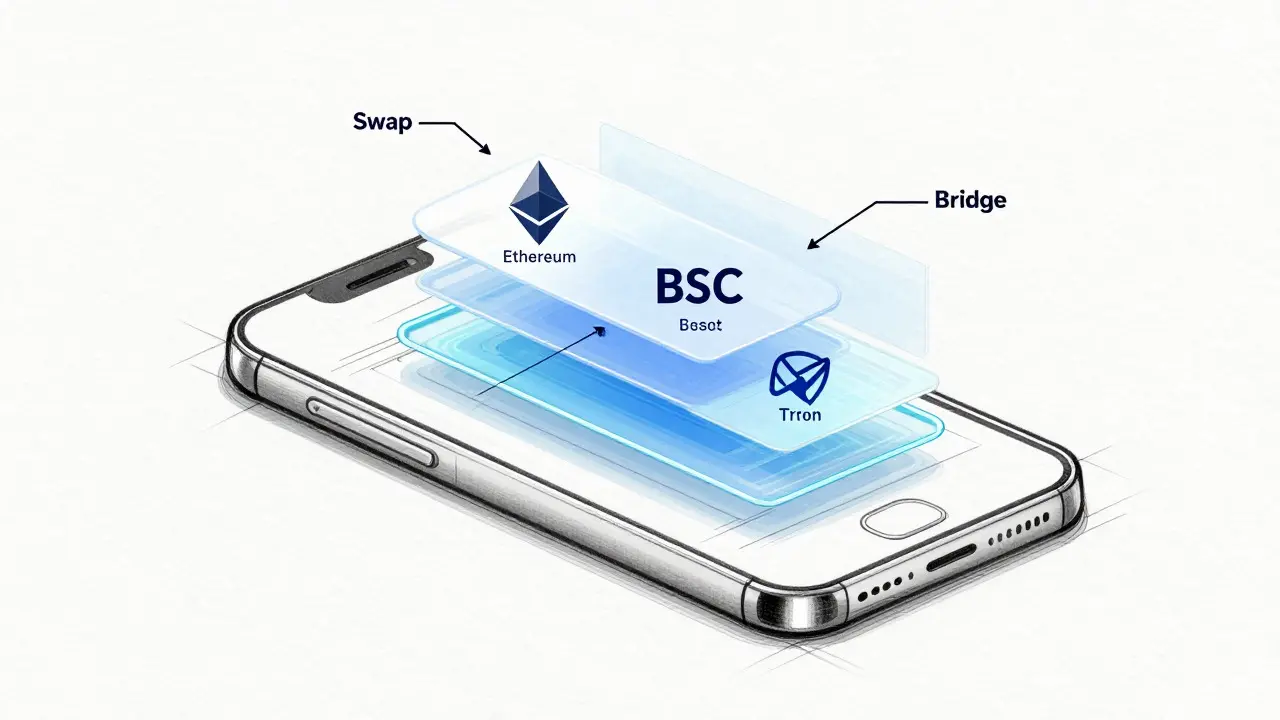
- Migration Offers: Some projects allow holders of the old token to swap them for the new token at a fixed ratio. This is not an airdrop in the traditional sense of getting free money; it is an exchange. You must check if Liquidus Foundation announced such a bridge.
- Trading Competitions: As mentioned, platforms like Gate.io offer rewards for trading volume. These require you to move funds onto an exchange and actively trade.
- Galxe Quests: These are task-based rewards. You connect your wallet, follow social media accounts, or join Discord servers to earn points or tokens. These are usually for the new token or stablecoins like USDC, not the old LIQ.
It is crucial to distinguish between a passive airdrop (where you do nothing and receive tokens) and an active campaign (where you perform tasks). Most legitimate "airdrops" in 2025 and 2026 are actually quest-based campaigns designed to build community engagement rather than distribute value arbitrarily.
How to Check Your Eligibility and Claim Potential Rewards
If you believe you might be eligible for any retroactive rewards or migration paths, you need to verify your status carefully. Do not trust random DMs on Telegram or Twitter. Always go to official sources. Here is a step-by-step approach to checking your position.
- Identify Your Wallet Address: Determine which wallet address holds your Liquidus (old) tokens. Note the blockchain network (e.g., Ethereum, BNB Chain, Solana). The old and new tokens may reside on different networks.
- Check Official Announcements: Visit the official Liquidus Foundation website and their verified social media channels (Twitter/X, Discord, Telegram). Look for announcements titled "Migration," "Swap," or "Legacy Holder Reward." Pay attention to dates. If a snapshot was taken in 2023, and you acquired your tokens in 2024, you would not be eligible.
- Use Blockchain Explorers: Go to a block explorer like Etherscan or BscScan. Paste your wallet address and look for transactions related to "Liquidus" or "LIQ." See if there are any incoming transfers labeled as "Airdrop" or "Reward" that you haven't noticed. Sometimes tokens arrive silently in your wallet and just need to be added to your interface.
- Verify Galxe Profiles: If the campaign was via Galxe, log in to your account and check your "Quests" history. If you completed a Liquidus-related quest in the past, the rewards should already be in your linked wallet. If you didn't complete them, you likely cannot claim them retroactively unless the window is still open.
A critical warning: Never enter your private key or seed phrase into any website claiming to help you claim an airdrop. Legitimate claims are done through your own wallet interface (like MetaMask or Trust Wallet) by interacting with a smart contract address found on official documentation. If a site asks for your seed phrase, it is a scam.
Strategic Options for Legacy Token Holders
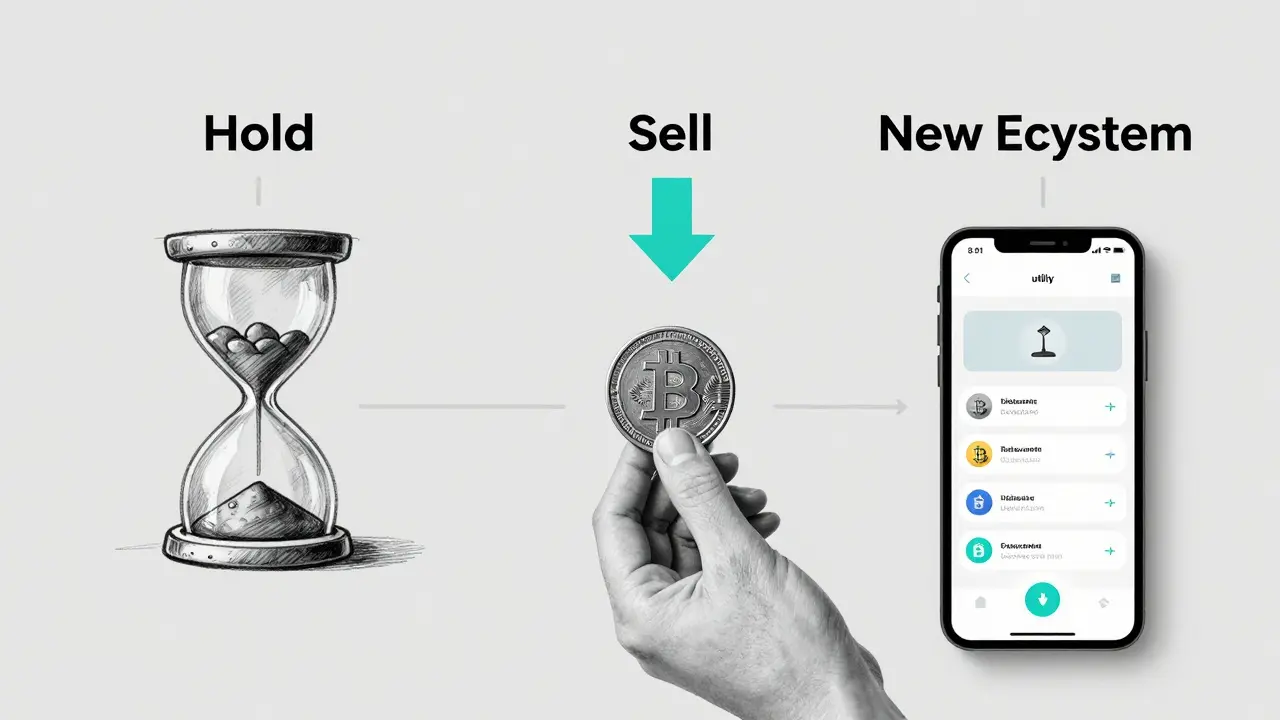
So, you have checked, and there is no immediate cash payout. What do you do with those old LIQ tokens? You have three main strategic options, each with different risk profiles.
Option 1: Hold and Hope for Migration If you believe the Liquidus Foundation team values its early supporters, they might eventually launch a migration program. This would allow you to swap your old tokens for new ones at a favorable rate. This strategy requires patience and faith in the project's long-term vision. Monitor the project's GitHub repository and developer updates for hints of such a plan.
Option 2: Sell on Decentralized Exchanges You can try to sell your old tokens on a DEX like Uniswap or PancakeSwap. However, be aware of the low liquidity. With a daily volume of under $200, selling even a modest amount could slip the price significantly. You might also face high gas fees relative to the value of the tokens. Only consider this if you want to exit completely and accept the loss.
Option 3: Participate in the New Ecosystem Instead of focusing on the dead weight of the old token, consider using a small portion of your crypto portfolio to buy the new LIQ token. By participating in the current Liquidus mobile app, you can earn rewards, access premium features, and benefit from active development. This shifts your focus from speculation on a legacy asset to utility in a living product.
Red Flags and Scams to Avoid
Because the Liquidus (old) token has low activity, it becomes a target for scammers. They know holders are anxious to get value out of their dormant assets. Be vigilant against these common traps.
- Fake Airdrop Websites: Search results often contain malicious sites mimicking official pages. Always double-check the URL. The official domain is likely liquidus.foundation or a similar verified address. Beware of slight misspellings like "liquidus-airdrop.com" or "liqudus-official.net".
- Impersonator DMs: Scammers will message you on Discord or Telegram, pretending to be support staff. They will claim you are eligible for a bonus but need to send a small fee or connect your wallet to a "verification portal." Real support teams never initiate contact via DM for financial matters.
- Phishing Smart Contracts: If you find a contract address online for claiming tokens, verify it against the official announcement. Scammers deploy fake contracts that drain your wallet when you approve the transaction. Always use a read-only RPC node or a trusted wallet simulator to test interactions if you are unsure.
Protecting your capital is more important than chasing uncertain gains. If something feels too good to be true, especially regarding a token with a 99% decline, it almost certainly is.
Conclusion: Moving Forward with Clarity
The Liquidus (old) airdrop mystery is largely a case of misunderstood marketing and project evolution. There is no magical bag of gold waiting for passive holders of the legacy token. The value has shifted to the new Liquidus Foundation ecosystem. Your best course of action is to verify if any migration windows exist through official channels, avoid scams targeting desperate holders, and decide whether to cut your losses or pivot your interest to the active, developing side of the project. In crypto, information is power, and distinguishing between noise and signal is the key to preserving your portfolio.
Is there a direct airdrop for Liquidus (old) token holders?
There is no evidence of a passive, universal airdrop specifically for Liquidus (old) holders that distributes new value without action. Any rewards were likely tied to active participation in trading competitions or Galxe quests associated with the new Liquidus Foundation ecosystem.
What is the difference between Liquidus (old) and Liquidus Foundation?
Liquidus (old) is the legacy token with low liquidity and minimal development activity. Liquidus Foundation (new) is the current active project with a mobile app, higher market cap, and ongoing development. They are separate tokens traded independently.
Can I swap my old LIQ tokens for the new ones?
This depends on whether the Liquidus Foundation has launched an official migration program. You must check their official announcements for any swap ratios or deadlines. Do not attempt to swap on unofficial platforms.
How can I verify if I am eligible for any rewards?
Check your wallet transaction history on a blockchain explorer, review your Galxe quest completion status, and monitor official Liquidus social media channels for snapshot dates and eligibility criteria.
Is it safe to click links in DMs claiming to help claim Liquidus airdrops?
No. Never click links in unsolicited DMs. These are almost always phishing attempts designed to steal your funds. Always navigate to official websites manually through search engines or bookmarked links.