
Mining Crypto in India: Current Laws, Taxes, and Restrictions Explained
Mining cryptocurrency in India is not illegal, but it feels like walking through a minefield blindfolded. As of March 2026, there is no specific ban on owning or mining digital assets. However, the government has built a complex web of taxes and reporting rules that makes operating profitably difficult. You might think your GPU farm in a basement is private business, but under current laws, the Income Tax Department sees every coin you mine as taxable income. This guide breaks down exactly how the rules work so you don’t accidentally commit a financial crime.
The Legal Status of Mining Operations
You need to understand where mining sits legally. There is no statute that explicitly criminalizes the act of using electricity to validate blockchain transactions. However, the absence of a specific "mining license" doesn’t mean the activity is unregulated. Everything falls under the broader umbrella of Virtual Digital Assets, or VDA. This definition was expanded in the Finance Act of 2022 and continues to evolve through 2025 and 2026. If your computer solves equations and generates tokens, those tokens are VDAs.
The situation remains somewhat of a grey area because Parliament has yet to pass a dedicated “Crypto Regulation Bill.” Instead, the government relies on existing frameworks like the Income Tax Act and the Prevention of Money Laundering Act (PMLA). The Supreme Court of India set aside an earlier RBI banking ban in 2020, allowing banks to interact with exchanges again. But the legislative body retains the power to prohibit anything they see fit. Until a clear bill passes, miners operate under a system of compliance-by-proxy, meaning you follow tax and anti-money laundering rules strictly to stay safe.
Taxation: The 30% Flat Rate Reality
This is the part that hurts most miners. When you sell or transfer mined crypto, the government levies a 30% tax rate on the profit. Unlike traditional businesses, you cannot deduct expenses. Let’s say your electricity cost Rs 10,000 to mine coins worth Rs 100,000. In many countries, you would pay tax on the Rs 90,000 profit. In India, under the current VDA regime, you pay tax on the full Rs 100,000 value.
| Item | Deductible? | Note |
|---|---|---|
| Earnings from Mining | No (Fully Taxable) | Gross value is the base |
| Electricity Bills | No | Cannot offset against income |
| Hardware Depreciation | No | Equipment costs ignored for tax calculation |
| TDS Paid | No | Already deducted at source |
On top of the 30% tax, there is a 4% Health and Education Cess, pushing your effective tax burden above 31%. Additionally, a 1% Tax Deducted at Source (TDS) applies to almost all transactions. If you deposit or withdraw funds on an exchange that complies with Indian laws, they cut this 1% before giving you money. If you trade on offshore platforms, you still have to report and pay this manually.
Regulatory Oversight: Who is Watching?
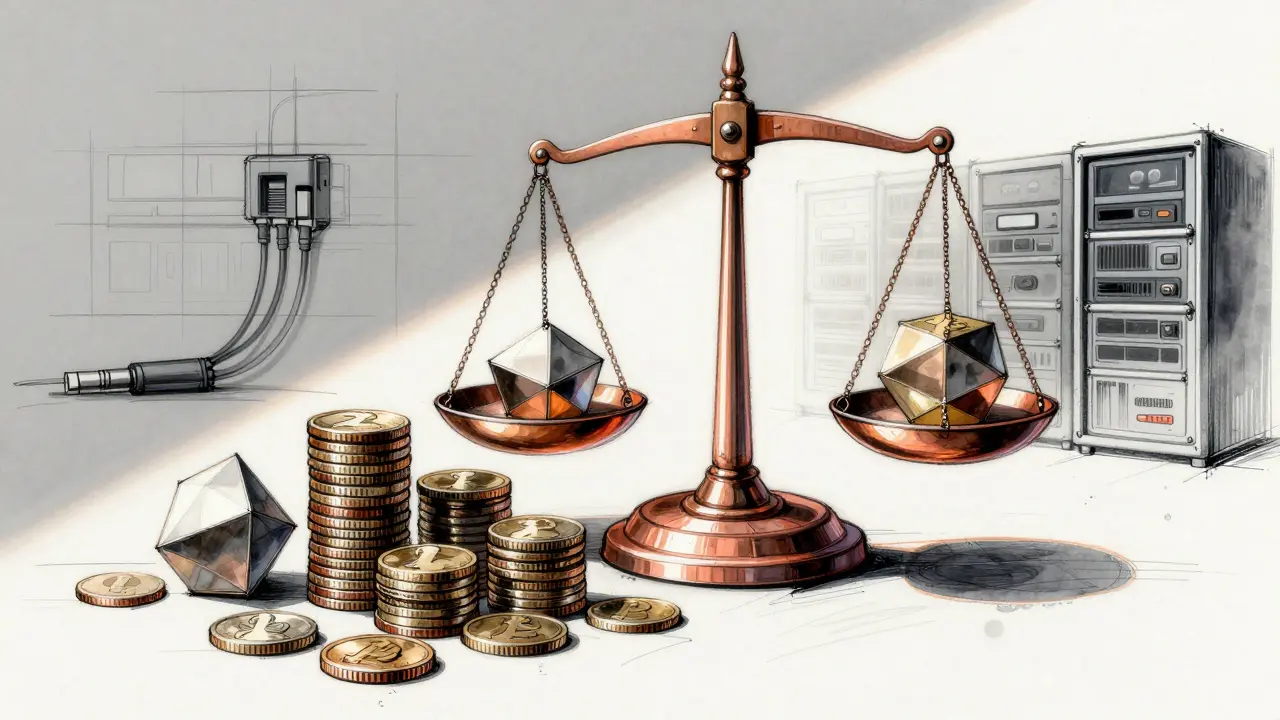
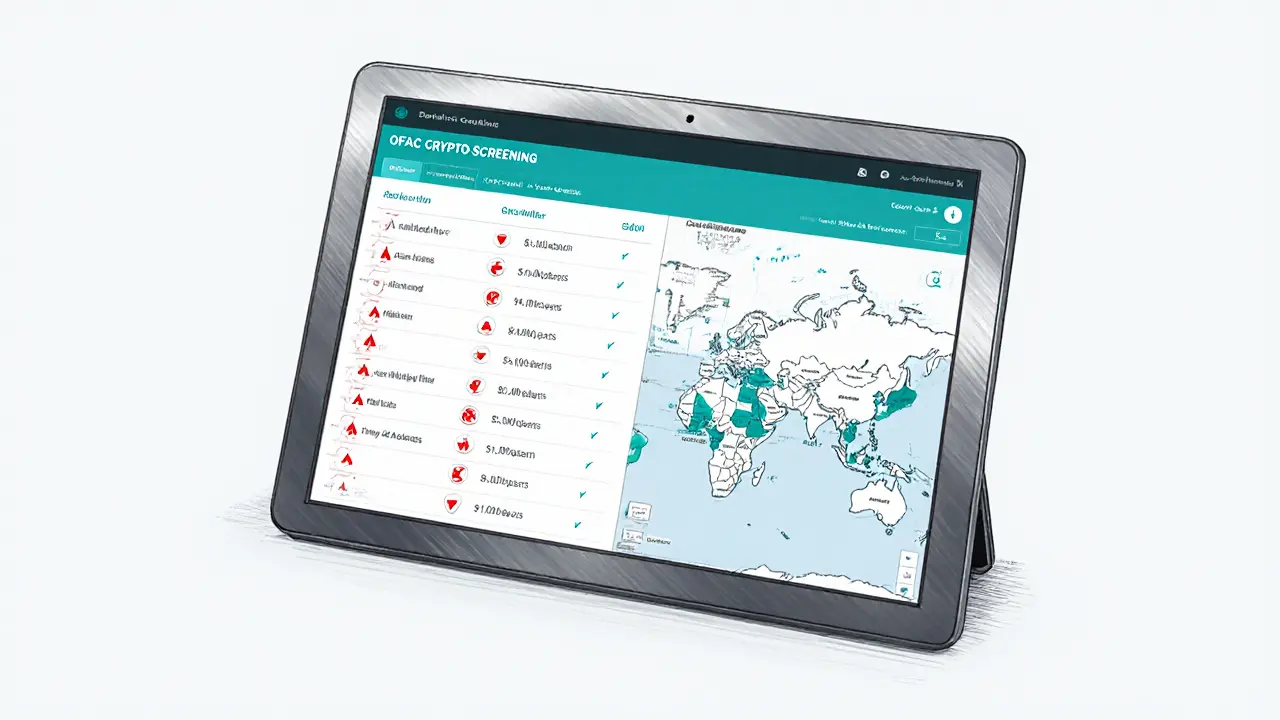
Miners face scrutiny from multiple agencies simultaneously. It isn’t just one department sending notices. The Financial Intelligence Unit (FIU-IND) focuses heavily on Anti-Money Laundering (AML). In late 2025, they issued notices to over 25 offshore exchanges for failing to register under the PMLA. Platforms like Binance and Bybit faced fines in the millions of rupees to become compliant.
The Reserve Bank of India (RBI) continues to warn citizens about risks. While they can’t stop you from mining, they control the fiat currency entry and exit points. If a bank sees frequent large transfers to an exchange flagged by the FIU, they may freeze accounts pending investigation. Furthermore, the Securities and Exchange Board of India (SEBI) began monitoring crypto tokens that look like securities starting April 2025. This means tokenized staking rewards could face additional layers of regulation similar to stock markets.
CBDT guides the tax side. The Central Board of Direct Taxes issues guidelines on how to calculate and declare income. They use AI-powered tools like Project Insight to track wallet movements. If your reported income doesn’t match your spending patterns, an automated notice arrives quickly.Compliance Checklist for Miners
To keep the authorities off your back, you must maintain rigorous records. Even though expenses aren’t deductible, you still need proof of ownership and transaction history. Here is what you need to organize:
- Schedule VDA: Fill this out annually in your Income Tax Return. List every coin mined, when you mined it, and its value in INR on that day.
- Transaction Log: Keep a ledger of every incoming transaction, pool fees paid, and withdrawals made.
- Device Records: Document your ASICs or GPUs, including purchase invoices. While not deductible now, these prove asset existence if audited.
- Fiat Conversion Proof: Save receipts showing you converted crypto to Indian Rupees. This establishes your taxable event timing.
If you ignore this checklist, the penalty structure is harsh. Non-compliance can lead to penalties ranging from 50% to 200% of the tax due. For serious offenses like concealing income, imprisonment up to seven years is on the table. The government’s ability to track cross-border flows is improving, especially with plans to adopt the OECD Crypto-Asset Reporting Framework (CARF) by 2027.
Economic Viability and Equipment Import
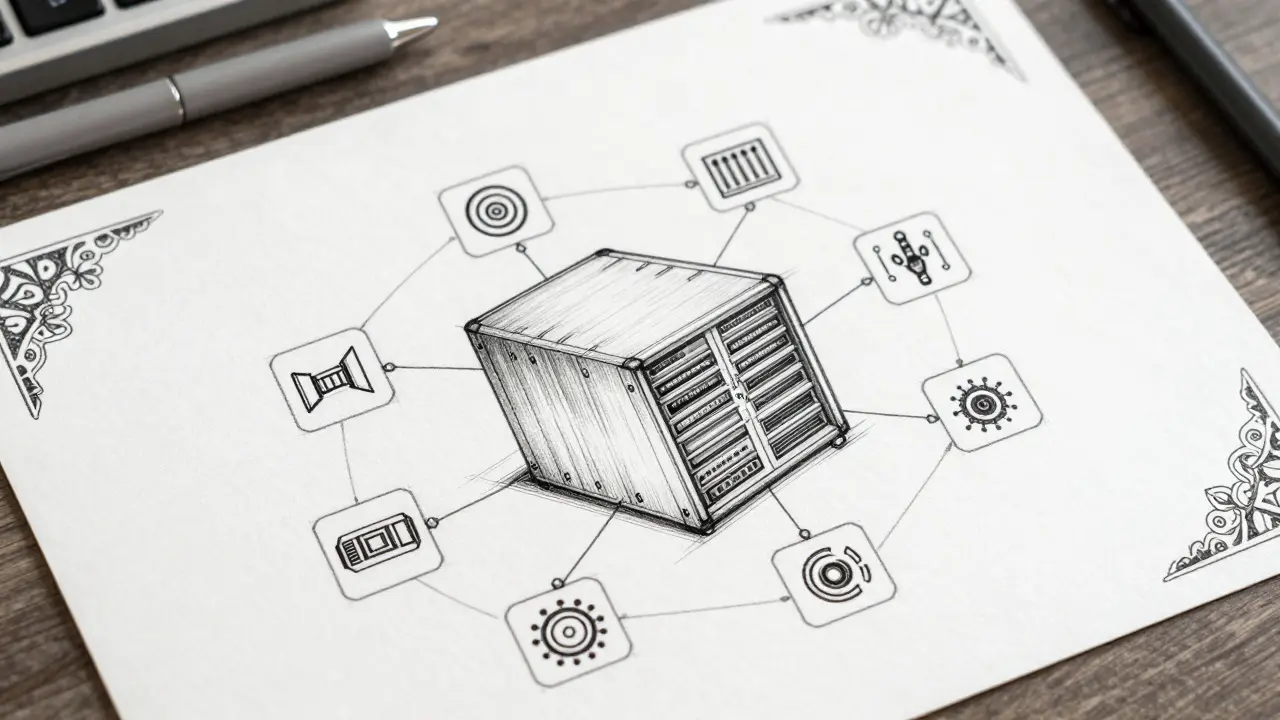
High taxes are only half the story. Importing mining equipment faces steep duties. Commercial-grade rigs often attract customs taxes exceeding 40% depending on how they are classified. Combined with India’s relatively high industrial electricity rates, small-scale mining becomes nearly impossible to profit from after tax.
Many operations have moved offshore. This creates a different problem: if you own hardware located outside India but receive mining rewards to an Indian address, those rewards are still taxable in India. The proposed multi-agency model from 2025 suggests regulators want jurisdiction over anyone with Indian tax residency, regardless of where their server rack is physically plugged in.
Looking Ahead: 2026 Regulations
As we sit in early 2026, the landscape remains fluid. The government promised a comprehensive regulatory framework discussion paper in mid-2025, seeking public feedback. Nothing definitive has replaced the current tax-heavy model yet. However, the enforcement has tightened significantly.
Recent actions against major exchanges signal that the net is closing. The goal seems to be channeling all activity into a transparent, taxed ecosystem rather than allowing anonymous mining pools. For the individual miner, staying informed on weekly policy updates from the Ministry of Finance is essential. The rules regarding “coinage” versus “token issuance” might shift, changing how mining rewards are categorized next year.
Is cryptocurrency mining currently illegal in India?
No, mining itself is not explicitly illegal. However, it falls under Virtual Digital Asset (VDA) laws. You must treat it as taxable income and follow strict anti-money laundering rules enforced by the FIU-IND.
Can I deduct my electricity bill from my mining income?
Under current laws, you cannot deduct operational expenses like electricity or hardware costs from your mining income. You are taxed on the gross value of mined assets, making efficiency critical.
How do I report mined cryptocurrency in my tax return?
Use Schedule VDA in your Income Tax Return. You must list the date, name of the asset, quantity mined, and the value in Indian Rupees at the time of receipt. Failure to report can trigger penalties.
What happens if I mine crypto abroad?
If you are a tax resident of India, worldwide income is taxable. Rewards sent to your wallets are subject to the 30% tax rate regardless of physical location of the mining hardware.
Which government bodies regulate crypto mining?
Key regulators include the Income Tax Department (CBDT), Financial Intelligence Unit (FIU-IND), Reserve Bank of India (RBI), and increasingly the Securities and Exchange Board of India (SEBI).

Raymond K
March 30, 2026 AT 06:32It is really crazy how fast the rules are shifting under our feet right now. The tax situation seems to get tougher every single month without warning signs. We just need some stability so people know what to expect financially. It feels like walking blindfolded through a minefield is actually quite accurate. Hopefully the government figures out a clear path forward soon for everyone.
Lisa Walton
March 31, 2026 AT 09:04The math simply doesn't add up for anyone trying to survive.
Alex Lo
March 31, 2026 AT 10:38I read through everything here and it feels like a lot of red tape for something digital. Nobody talks enough about how hard it actually is to manage these compliance rules daily. The tax part is definitely the worst thing about staying here for sure. Most people just move their stuff away when they see the 30 percent cut happening. It makes you wonder why anyone would bother keeping rigs running under these conditions. You spend more time filling forms than actually mining coins now really. My friend told me his neigbor got fined because of reporting errors last year. It is scary to see how closely they track every single transaction made online. We need better tools to automate this stuff before we all get in trouble. The electricity prices are already too high compared to other countries anyway. Combining that with the import duty on new machines makes no sence at all. Small miners are basically being pushed out of the market completely right now. Big companies can handle the paperwork but small guys cant afford the lawyers. I wish the government would clarify the rules instead of changng them yearly. Everyone is waiting for the next big change in late 2026 regulasions soon. Hopefully something gets clearer but honestly nothing looks positive so far.
Matt Bridger
April 1, 2026 AT 03:29One must acknowledge that regulatory frameworks serve a purpose beyond mere taxation. Efficiency in reporting prevents systemic economic collapse from untracked assets. The current lack of deductions serves as a deterrent rather than an aid.
Cara Boyer
April 1, 2026 AT 08:00They are watching us all the time with those new AI tools :(. The global system is designed to squeeze every bit of profit out of the locals. It feels like a giant trap set for anyone who tries to invest outside normal channels.
Justin Smith
April 3, 2026 AT 01:48The Financial Intelligence Unit registration requirements are non-negotiable for platforms operating in the region. Non-compliance results in immediate freezing of associated bank accounts. Regulatory arbitrage is becoming nearly impossible given the cross-border data sharing agreements.
Wade Berlin
April 4, 2026 AT 22:32Everyone pretending this is a business opportunity is kidding themselves at this point. The state wants your money and they are taking it regardless of your profits. It is basically a protection racket with fancy legal terms attached to it.
Addy Stearns
April 5, 2026 AT 06:42When we examine the philosophical implications of taxing income generated by decentralized networks we see a clash of eras. The industrial mindset of the tax collector cannot easily process the value creation of blockchain validation. This tension creates a friction that manifests as punitive financial measures against the innovators. It is not merely about revenue collection but also about asserting jurisdiction over new forms of value. Society struggles to adapt its definitions of labor when work happens autonomously across borders. The human element of mining is treated as invisible by the existing statutory framework. We must question whether these laws account for the reality of the technology they regulate. History suggests such conflicts eventually resolve through legislation but the interim cost falls on individuals. Patience is required while the legislative branch catches up to technological innovation. The transition period remains uncertain and volatile for all stakeholders involved in this sector.
Colin Finch
April 7, 2026 AT 03:25Look at the bright side though, at least there is some clarity on what to file now. Schedule VDA exists even if it bites your backside during filing season. Being organized with your logs keeps the sleepless nights away mostly.
Tiffany Selchow
April 7, 2026 AT 06:18Other countries should not get special treatment when our taxes fund the infrastructure. Keep the money home and pay the fair share for living here safely. No country lets foreign rules override local laws without consequences.
Jamie Riddell
April 7, 2026 AT 07:25We should understand each others struggle with these new systems and help share resources for compliance. It helps to know someone else went through the audit and lived to tell the tale. Community support makes the bureaucracy feel less isolating and scary for everyone.
Chris R
April 7, 2026 AT 11:09Sharing information on local tax consultants who understand crypto is the most helpful thing we can do. Different regions have slightly different enforcement attitudes that vary wildly. Staying calm and following the checklist prevents unnecessary panic in the group.
Markus Church
April 8, 2026 AT 22:09The distinction between capital gains and income classification remains a significant area of confusion for many operators. Understanding the gross versus net calculation methodology is essential for proper declaration. Professional guidance ensures that the Schedule VDA forms are completed accurately.
Leah Lara
April 8, 2026 AT 23:08This is all just too complicated for the average person to handle alone.
Alex Kuzmenko
April 9, 2026 AT 06:57I tried setting up the ledger last week and the software kept glitching during upload. Maybe just keeping paper records is safer until the system stabilizes for good. They said they updated the portal but it still crashes sometimes.
Raymond K
April 10, 2026 AT 03:56Try using the backup offline method until they fix the server issues on their end. Document everything manually first before uploading anything to their portal. Safety comes first when dealing with sensitive financial data online.