Navigating the Regulatory Framework for Security Tokens in 2026
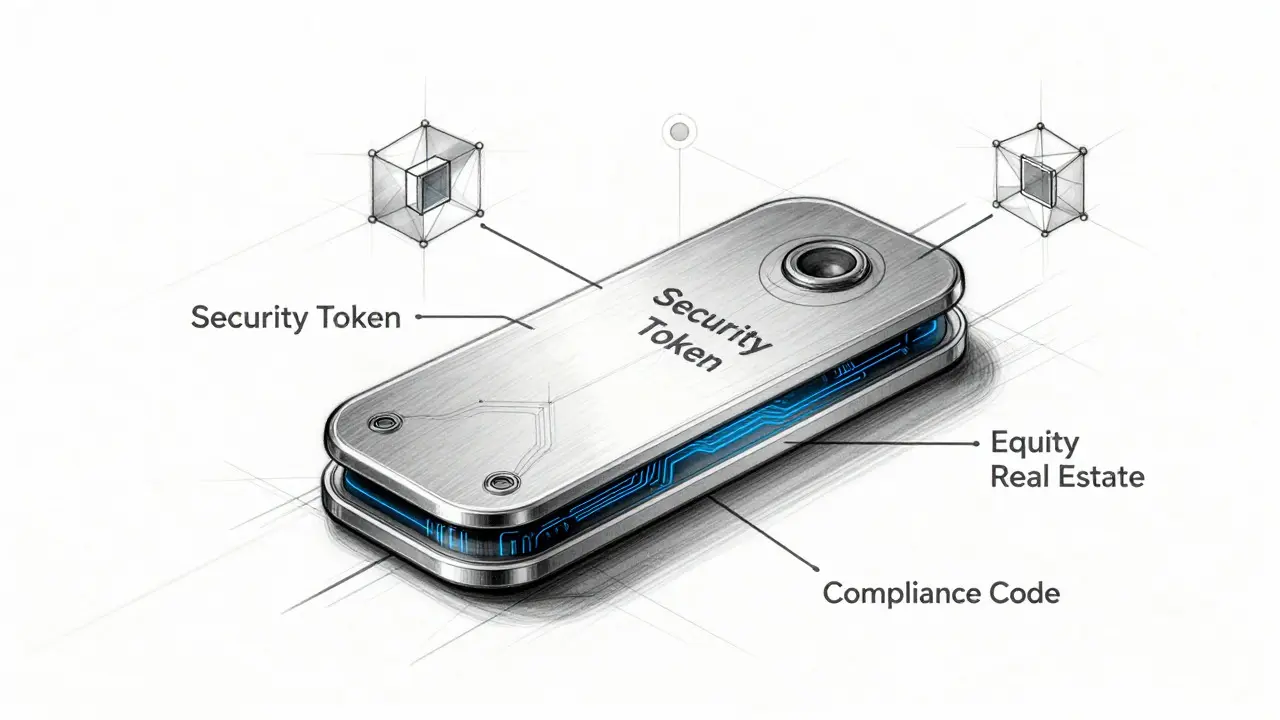
Remember when buying a share of stock meant filling out paper forms and waiting days for settlement? That era is ending. By mid-2026, the landscape for Security Tokens is digital representations of ownership in real-world assets like equity, real estate, or funds, issued on a blockchain with embedded regulatory compliance has shifted from the Wild West to a structured, albeit complex, highway. If you are looking to issue or invest in these digital securities, understanding the regulatory framework for security tokens is no longer optional-it is the foundation of your entire operation.
The good news? The fog is lifting. After years of uncertainty, major jurisdictions have moved past "regulation by enforcement." We now have clear signals from regulators about how to build compliant systems. But clarity doesn't mean simplicity. You still need to navigate a maze of local laws, technical requirements, and investor protection rules. This guide breaks down exactly what you need to know to stay compliant in 2026.
What Exactly Are Security Tokens?
Before diving into the rules, let's make sure we are on the same page. A security token is not just another cryptocurrency. Unlike utility tokens (which give you access to a service) or payment tokens (like Bitcoin), a security token represents an investment contract. It gives the holder rights similar to traditional securities: dividends, voting power, or a share of profits.
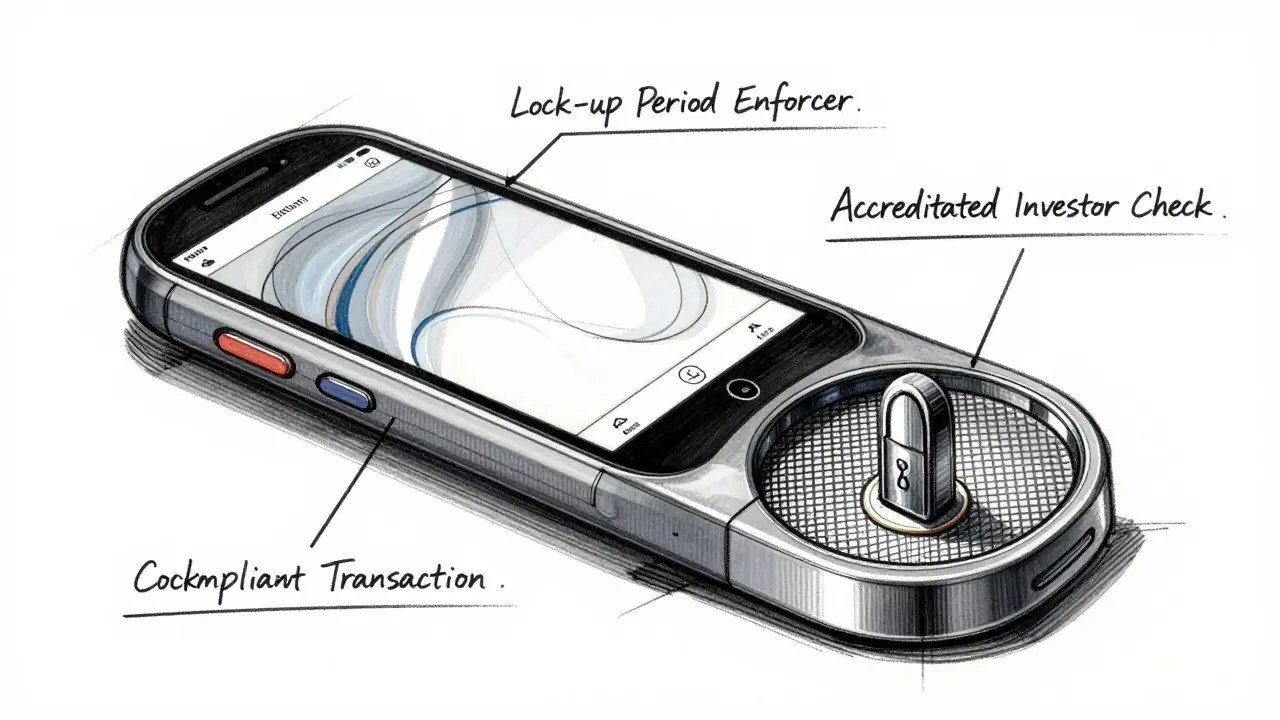
The key difference lies in the technology. These tokens live on a blockchain-most commonly Ethereum-and use smart contracts to automate compliance. Imagine a token that automatically checks if an investor is accredited before allowing them to buy it. Or one that prevents selling during a lock-up period without manual intervention. This programmability is what makes security tokens attractive to institutions, but it also triggers strict scrutiny from regulators who want to ensure those automated rules match legal requirements.
The Global Patchwork: How Regulations Vary by Region
There is no single global law for security tokens. Instead, you face a patchwork of regional frameworks. Your strategy depends heavily on where you incorporate and where your investors live. Here is how the major players stack up in 2026.
| Jurisdiction | Key Regulator | Approach & Key Rules | Investor Access |
|---|---|---|---|
| United States | SEC | "Project Crypto" shift; substance over form; potential 3-year exemption for decentralized networks. | Strict accredited investor rules; complex cross-border reconciliation. |
| Singapore | MAS | Technology-neutral; treats tokens like traditional securities under Securities and Futures Act. | Innovation-friendly sandbox; clear prospectus or private placement exemptions. |
| Hong Kong | SFC | Type 1 license required for dealing; tokens classified as "complex products" requiring suitability checks. | Mostly professional investors unless full prospectus is filed. |
| European Union | ESMA / National Bodies | MiCA excludes security tokens; they fall under existing MiFID II and national securities laws. | Varies by member state; strong investor protection mandates. |
| Dubai | VARA / DFSA | Shift to licensee-led suitability assessments; comprehensive licensing regime. | Broad access with robust KYC/AML and suitability verification. |
The U.S. Shift: From Enforcement to Structure
The biggest story in 2025-2026 is the U.S. Securities and Exchange Commission's pivot. Under Chairman Paul Atkins, the SEC launched "Project Crypto," moving away from suing companies to creating predictable rules. In November 2025, Atkins emphasized a "substance over form" approach. This means a token might stop being treated as a security once its network is sufficiently functional and decentralized. While this brings hope, the current reality remains strict. Most issuers still rely on exemptions like Regulation D, which limits sales to accredited investors. The proposed three-year exemption for certain network tokens offers a glimmer of flexibility, but it requires meeting specific disclosure and filing conditions.
Singapore vs. Hong Kong: Innovation vs. Control
If you are choosing between Asian hubs, the contrast is stark. Singapore's Monetary Authority (MAS) takes a technology-neutral stance. If your token acts like a share, it follows the rules for shares. Their sandbox program allows startups to test offerings with temporary relief, making it a hotspot for innovation. Hong Kong, conversely, is tighter. The Securities and Futures Commission (SFC) requires a Type 1 license for any entity dealing in security tokens. They view these tokens as "complex products," meaning you must prove the investor understands the risks before they can buy. This protects investors but raises the barrier to entry for issuers.

Technical Compliance: Building Rules into Code
You cannot separate the legal from the technical in security tokens. The "framework" isn't just paperwork; it's code. Smart contracts must enforce the regulations defined by your jurisdiction.
- Whitelisting: Every transfer must check against a whitelist of approved wallet addresses. If a wallet isn't verified, the transaction fails.
- KYC/AML Integration: Investors must undergo Know Your Customer and Anti-Money Laundering checks before receiving tokens. This includes friends and family rounds.
- Transfer Restrictions: Lock-up periods, right-of-first-refusal clauses, and accredited investor status must be hardcoded. For example, if an investor sells their tokens after six months, the smart contract should only allow the sale to other pre-approved wallets.
Ethereum-based solutions dominate this space, holding about 68% of the market share in late 2025. Platforms like Securitize and Polymath provide the infrastructure to manage these constraints. However, building this correctly is hard. Legal experts note that founders spend 35-45% of their time on regulatory compliance for STOs, compared to just 15-20% for traditional equity. Getting the tech wrong means legal liability.
Common Pitfalls and How to Avoid Them
Even with clearer rules, many projects stumble. Here are the most common traps:
- Ignoring Jurisdictional Conflicts: You might comply with U.S. rules but accidentally violate EU MiFID II requirements by selling to a German retail investor. Always segment your investor pools by geography and embed specific rules for each group.
- Underestimating Custody Risks: Who holds the keys? IOSCO reported in June 2025 that 63% of platforms had inadequate custody solutions. Use regulated custodians or multi-signature setups with institutional-grade security.
- Poor Documentation: Relying on vague whitepapers is a recipe for disaster. Ensure your offering documents clearly state the rights attached to the token, the risks, and the regulatory basis for the exemption used.
- Assuming Decentralization Equals Exemption: Just because your network is decentralized doesn't mean you are free from securities laws. The SEC's new guidance suggests this might change in the future, but today, the initial offering is almost always a securities transaction.
Market Trends and Future Outlook
Despite the complexity, adoption is accelerating. The global security token market hit $12.3 billion in transaction volume in Q3 2025, a 147% year-over-year jump. Real estate leads the pack at 41% of volume, followed by private equity and venture capital. Why? Because tokenization lowers barriers. Private equity minimums have dropped from $100,000 to as low as $1,000 on some platforms, opening doors to smaller investors while maintaining compliance through automation.
Looking ahead, expect more harmonization. The Financial Stability Board is coordinating a cross-border sandbox with 17 jurisdictions to test interoperability. Results are expected in mid-2026. Meanwhile, the U.S. Department of Treasury is finalizing rules under the GENIUS Act, which will impact stablecoins but also set precedents for broader crypto asset regulation. McKinsey forecasts that 10-15% of traditional securities could be tokenized by 2030. The window is open, but you must walk through it carefully.
Next Steps for Issuers and Investors
If you are an issuer, start with legal counsel specializing in digital assets. Do not try to DIY your compliance. Map your investor base geographically and choose your primary jurisdiction wisely. Singapore and Dubai offer streamlined paths, while the U.S. offers depth but higher complexity. Build your smart contracts with compliance in mind from day one, using established platforms rather than custom code if possible.
For investors, verify the platform's credentials. Check if they hold necessary licenses (like a Type 1 license in HK or registration in the U.S.). Understand the liquidity limitations-security tokens are not as liquid as public stocks yet. And always do your own due diligence on the underlying asset, not just the tokenomics.
Is a security token the same as a utility token?
No. A utility token grants access to a product or service and typically does not represent an investment contract. A security token represents ownership, debt, or profit-sharing rights, making it subject to securities laws. The distinction often hinges on the Howey Test in the U.S., which looks at whether there is an investment of money in a common enterprise with an expectation of profits derived from the efforts of others.
Can I sell security tokens to anyone globally?
Generally, no. Most jurisdictions restrict sales to accredited or professional investors unless you file a costly and time-consuming public prospectus. Even then, you must respect local bans or restrictions. For example, selling to U.S. residents usually requires them to be accredited investors, while EU rules vary by country. Smart contracts help enforce these geographic and status-based restrictions automatically.
What is the SEC's "Project Crypto" and how does it affect me?
Launched in early 2025, Project Crypto marks the SEC's shift from aggressive enforcement to creating clear regulatory categories for digital assets. It introduces a "substance over form" approach, potentially allowing tokens to cease being securities if their networks become sufficiently decentralized and functional. For issuers, this means more predictability, but current offerings still largely fall under traditional securities exemptions until further rules are finalized in 2026.
Why is Singapore considered friendly for security tokens?
Singapore's Monetary Authority (MAS) adopts a technology-neutral stance, treating tokenized securities the same as traditional ones under the Securities and Futures Act. This clarity reduces ambiguity. Additionally, MAS offers a regulatory sandbox where companies can test offerings with temporary relief from certain requirements, fostering innovation while managing risk. This contrasts with stricter regimes like Hong Kong's, which impose heavier licensing burdens for retail access.
How do smart contracts enforce compliance?
Smart contracts contain code that executes automatically based on predefined conditions. For security tokens, this includes checking a whitelist of verified investor wallets before allowing a transfer, enforcing lock-up periods by disabling trading functions for a set time, and verifying accredited investor status via integrated KYC/AML data feeds. If a transaction violates these rules, the contract rejects it, ensuring continuous compliance without manual oversight.
What are the biggest risks for investors in security tokens?
Key risks include illiquidity, as secondary markets for security tokens are still developing; regulatory changes that could impact token value or tradability; and custody risks if the platform holding your tokens lacks robust security measures. Additionally, there is the risk of the underlying asset failing, just like in traditional investments. Always verify the issuer's track record and the platform's regulatory standing before investing.