
Osmosis Crypto Exchange Review: Features, Fees & Safety in 2026
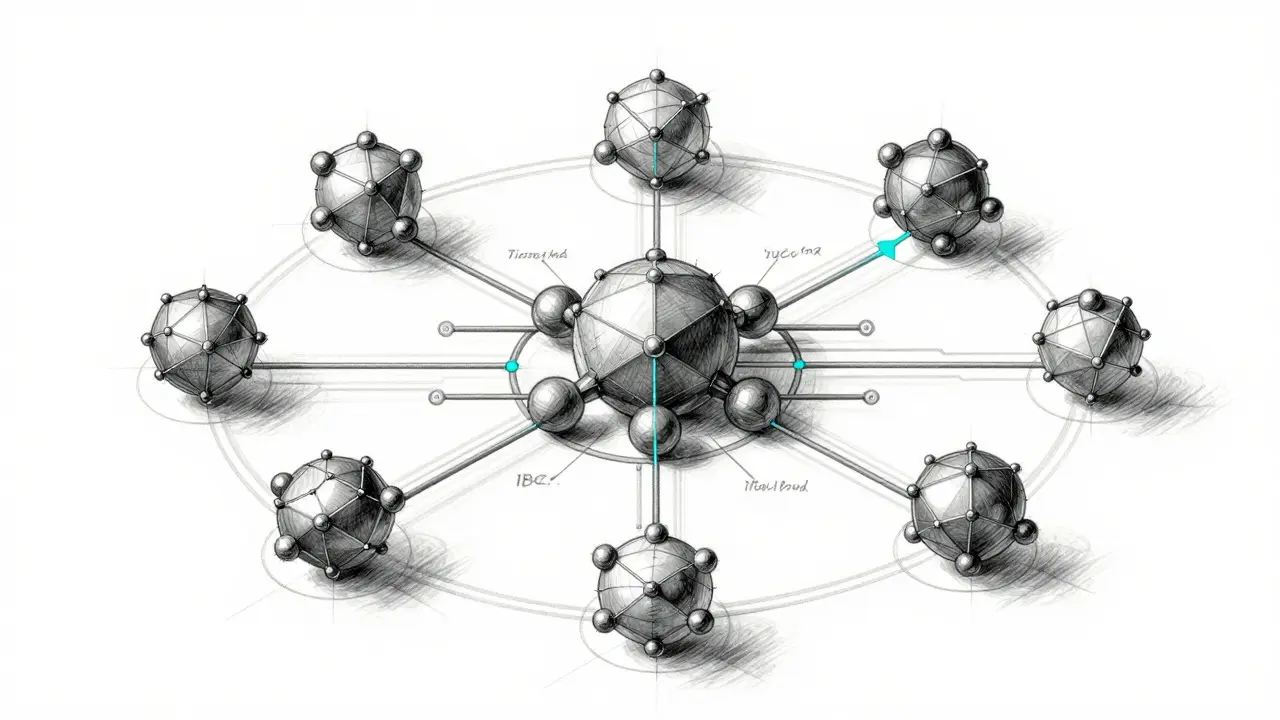
Most crypto traders know the big names like Uniswap or PancakeSwap. But if you are deep into the Cosmos ecosystem, you have probably heard of Osmosis. It is not just another swap site; it is the liquidity hub for the entire Inter-Blockchain Communication (IBC) network. Launched in October 2021, Osmosis has carved out a specific niche by making cross-chain trading on Cosmos-based chains feel smooth and fast. But does it hold up in 2026? Is it safe? And is it worth your time compared to Ethereum-based giants?
This review breaks down what Osmosis actually offers, how it works under the hood, and who should use it. We will look at the real user experience, the fee structure, and the risks involved, so you can decide if this platform fits your trading strategy.
What is Osmosis and How Does It Work?
Osmosis is a decentralized exchange (DEX) built specifically for the Cosmos SDK blockchains, utilizing an Automated Market Maker (AMM) model to facilitate swaps between different blockchain assets. Unlike traditional order book exchanges, Osmosis uses liquidity pools. When you swap tokens, you trade against these pools rather than directly with another person. This means there is no waiting for a buyer or seller; the price is determined by the ratio of assets in the pool.
The key differentiator here is the Inter-Blockchain Communication (IBC) protocol. IBC allows different blockchains within the Cosmos ecosystem to talk to each other seamlessly. Osmosis leverages this to let you swap tokens from one chain to another without needing a centralized bridge. For example, you can swap ATOM (Cosmos Hub) for a token on another Cosmos chain directly through Osmosis. This reduces the risk of bridge hacks that plague other cross-chain solutions.
As of 2026, Osmosis maintains a Total Value Locked (TVL) of approximately $150 million. While this is smaller than Ethereum DEXs like Uniswap (which often exceeds $4 billion), Osmosis holds the largest market share within the Cosmos ecosystem. It processes significant volume through its web interface, app.osmosis.zone, which sees over 220,000 monthly visits, 99% of which are organic. This high organic traffic indicates strong community trust and word-of-mouth adoption.
User Experience: The "Best UI" Claim
Let’s be honest: most DeFi interfaces look like they were designed by someone who hates design. Osmosis is different. Industry observers and users consistently praise its User Interface (UI) and User Experience (UX). Jae Kwon, the founder of Cosmos, called the Osmosis launch his "best moment in Cosmos," specifically highlighting how well IBC worked with a great UX.
Here is why the experience feels smoother:
- Simplicity: You connect your wallet, select the tokens, and swap. No complex settings unless you want them.
- Speed: Transactions settle quickly because Cosmos-based chains are optimized for speed and low cost.
- Clarity: The dashboard clearly shows your positions, rewards, and portfolio value without cluttering the screen.
If you are new to DeFi, this ease of use lowers the barrier to entry significantly. You don’t need to be a developer to execute a basic swap. Most users report being able to complete their first transaction within minutes of setting up their wallet.
Fees and Costs: What Will You Pay?
Cost is a major factor when choosing a DEX. Osmosis generally offers lower transaction fees compared to Ethereum-based exchanges. This is because the underlying Cosmos chains have lower gas costs than Ethereum Mainnet.
However, you need to understand the two types of costs involved:
- Gas Fees: These are paid to the network for processing your transaction. On Osmosis, these are typically fractions of a cent to a few cents, depending on network congestion.
- Trading Fees: Each liquidity pool has a set trading fee (usually between 0.01% and 1%). This fee goes to the liquidity providers (LPs) who keep the pool funded. As a trader, you pay this fee every time you swap.
For high-frequency traders, the low gas fees make Osmosis attractive. For occasional swappers, the total cost remains negligible compared to Ethereum L1 transactions, which can cost several dollars per swap.
Security and Trust: Is Your Money Safe?
When using a DEX, security is paramount. Osmosis operates as a smart contract system on the Cosmos Hub and other connected chains. Here is the security landscape:
- Decentralization: Osmosis is governed by its community through the OSMO token. This means no single company controls your funds. However, it also means decisions are made via voting, which can sometimes be slow.
- Regulatory Status: According to FxVerify, Osmosis does not appear to be regulated by any specific government authority. This is typical for DeFi projects. It offers freedom from censorship but lacks the legal protections of a regulated brokerage.
- Smart Contract Risk: Like all DeFi protocols, Osmosis carries smart contract risk. If there is a bug in the code, funds could be lost. However, Osmosis has undergone multiple audits and has maintained a strong track record since its 2021 launch.
The platform’s active development team mitigates some of these risks. They ship new features and security patches monthly, keeping the protocol up-to-date with the latest best practices.
Osmosis vs. Other DEXs: A Comparison
How does Osmosis stack up against the competition? It depends on where you are trading. If you are mostly swapping Ethereum tokens, Uniswap is likely your go-to. But if you are in the Cosmos ecosystem, Osmosis is hard to beat.
| Feature | Osmosis | Uniswap | PancakeSwap |
|---|---|---|---|
| Primary Ecosystem | Cosmos SDK / IBC | Ethereum / L2s | BNB Chain |
| TVL (Approx.) | $150 Million | $4 Billion+ | $2 Billion+ |
| Cross-Chain Capability | Native IBC Support | Via Bridges/L2s | Limited |
| Transaction Speed | Fast (~1 sec) | Slow (~12-30 sec) | Medium (~3 sec) |
| Best For | Cosmos Token Holders | Ethereum Majors | BNB Chain Users |
Osmosis wins on cross-chain efficiency within the Cosmos network. Uniswap wins on sheer liquidity depth for major pairs like ETH/USDC. PancakeSwap sits in the middle, offering low fees on BNB Chain but less cross-chain utility.
Getting Started: Step-by-Step Guide
If you are ready to try Osmosis, here is how to get set up. You will need a compatible wallet first. The most popular choice is Keplr, which supports both Cosmos and Ethereum networks.
- Install Keplr Wallet: Download the browser extension or mobile app.
- Create a New Account: Choose "Create a new account" and save your secret recovery phrase securely.
- Add Funds: Acquire some ATOM or OSMO tokens. You can buy these on a centralized exchange like Binance or Coinbase and withdraw them to your Keplr address.
- Connect to Osmosis: Go to app.osmosis.zone and click "Connect Wallet." Select Keplr.
- Execute a Swap: Select the token you want to sell and the one you want to buy. Check the estimated output and slippage tolerance, then confirm the transaction.
That’s it. You are now trading on one of the most active Cosmos DEXs.
Future Outlook and Risks
Osmosis continues to expand its feature set. Recent updates have focused on improving developer accessibility and adding more liquidity incentives. The listing of OSMO on major centralized exchanges like Binance has increased mainstream visibility and liquidity for the token.
However, risks remain. The success of Osmosis is tightly coupled with the growth of the Cosmos ecosystem. If Cosmos loses popularity to other ecosystems, Osmosis’s TVL and usage may decline. Additionally, regulatory changes in major markets could impact DeFi platforms globally. Keep an eye on governance proposals, as they can change fee structures or add new features that affect your trading experience.
Frequently Asked Questions
Is Osmosis safe to use?
Osmosis is considered relatively safe due to its long operational history, active development, and audits. However, like all DeFi platforms, it carries smart contract risk and is not regulated by a government body. Always do your own research and only invest what you can afford to lose.
Which wallet do I need for Osmosis?
The recommended wallet is Keplr, which is specifically designed for the Cosmos ecosystem. Other wallets like Ledger (via Keplr integration) or MetaMask (for limited functionality) can also be used, but Keplr provides the best experience.
What are the fees on Osmosis?
Fees consist of network gas fees (very low, usually under $0.10) and trading fees (set by each liquidity pool, typically 0.01% to 1%). There are no hidden spreads or withdrawal fees beyond the standard network costs.
Can I swap Bitcoin on Osmosis?
Not directly. Osmosis focuses on Cosmos ecosystem tokens. To trade Bitcoin, you would typically need to use a wrapped version like BTCB or WBTC on a compatible chain, or swap via a bridge, though native BTC support is not a core feature of the Osmosis DEX itself.
How does Osmosis compare to Uniswap?
Uniswap is better for Ethereum-based tokens and has higher overall liquidity. Osmosis is superior for Cosmos-based tokens, offering faster transactions, lower fees, and native cross-chain capabilities via IBC. Choose based on which ecosystem your assets are in.
Ian Munro
August 24, 2026 AT 08:41Concise. Accurate. Useful.