
Decentralized Exchange: What It Is and Why It Matters
When working with Decentralized Exchange, a peer‑to‑peer platform that lets users trade crypto assets without a central authority. Also known as DEX, it operates on blockchain networks, giving anyone with a wallet the ability to swap tokens directly. A key building block of any DEX is the Liquidity Pool, a collection of funds contributed by users that enables instant trades without needing a traditional order book. Liquidity providers lock their assets into smart contracts and earn a share of the transaction fees, turning passive holdings into a revenue stream. This model removes the need for a middleman, reduces latency, and often lowers costs compared to centralized platforms. If you’ve ever wondered why you can trade directly from a wallet, the answer lies in the combination of a decentralized exchange and its underlying liquidity pools.
Core Technologies Behind a DEX
The magic that makes a DEX function safely is the Smart Contract, self‑executing code on a blockchain that enforces the rules of a trade without human intervention. When you initiate a swap, the contract checks the pool balances, calculates the price based on the constant‑product formula, and executes the trade in a single atomic transaction. Because the code is immutable and publicly auditable, users can trust that the trade will happen exactly as promised, or not at all. This trust‑less environment is a cornerstone of the broader DeFi, decentralized finance ecosystem that recreates traditional financial services on blockchain. DeFi platforms use DEXs for everything from simple token swaps to complex yield‑farming strategies, making the ability to move assets quickly and securely essential. Moreover, smart contracts enable additional features like limit orders, flash loans, and automated market‑making, expanding what users can achieve without ever handing over custody to a third party.
Understanding the decentralized exchange landscape helps you spot opportunities and avoid pitfalls. Recent trends show a surge in cross‑chain DEXs that bridge assets between Ethereum, Binance Smart Chain, and emerging layer‑2 solutions, widening the market for traders. At the same time, regulators are paying closer attention to how liquidity is sourced and how user data is handled, meaning compliance considerations are becoming part of the DEX conversation. Our collection below covers everything from step‑by‑step guides on buying crypto in restricted jurisdictions to deep dives on specific platforms like Leonicorn Swap and Glide Finance, as well as broader analyses of DeFi lending and tokenomics. Whether you’re looking to add liquidity, compare fees, or simply get a feel for how DEXs fit into the larger crypto ecosystem, the articles ahead will give you actionable insights and up‑to‑date information.
PayRue DEX Review: Features, Fees, and Verdict
Read our comprehensive PayRue DEX review covering fees, Propel token utility, and multi-chain wallet features. Discover if this hybrid exchange fits your needs.
VIEW MORE
Osmosis Crypto Exchange Review: Features, Fees & Safety in 2026
A detailed 2026 review of Osmosis, the leading Cosmos DEX. Learn about its fees, security, user experience, and how it compares to Uniswap and PancakeSwap.
VIEW MORE
Uniswap V1 Review: The Protocol That Changed Crypto Trading Forever
A deep dive into Uniswap V1, the pioneering decentralized exchange that introduced the AMM model. Explore its technical limitations, security risks, and lasting impact on DeFi.
VIEW MORE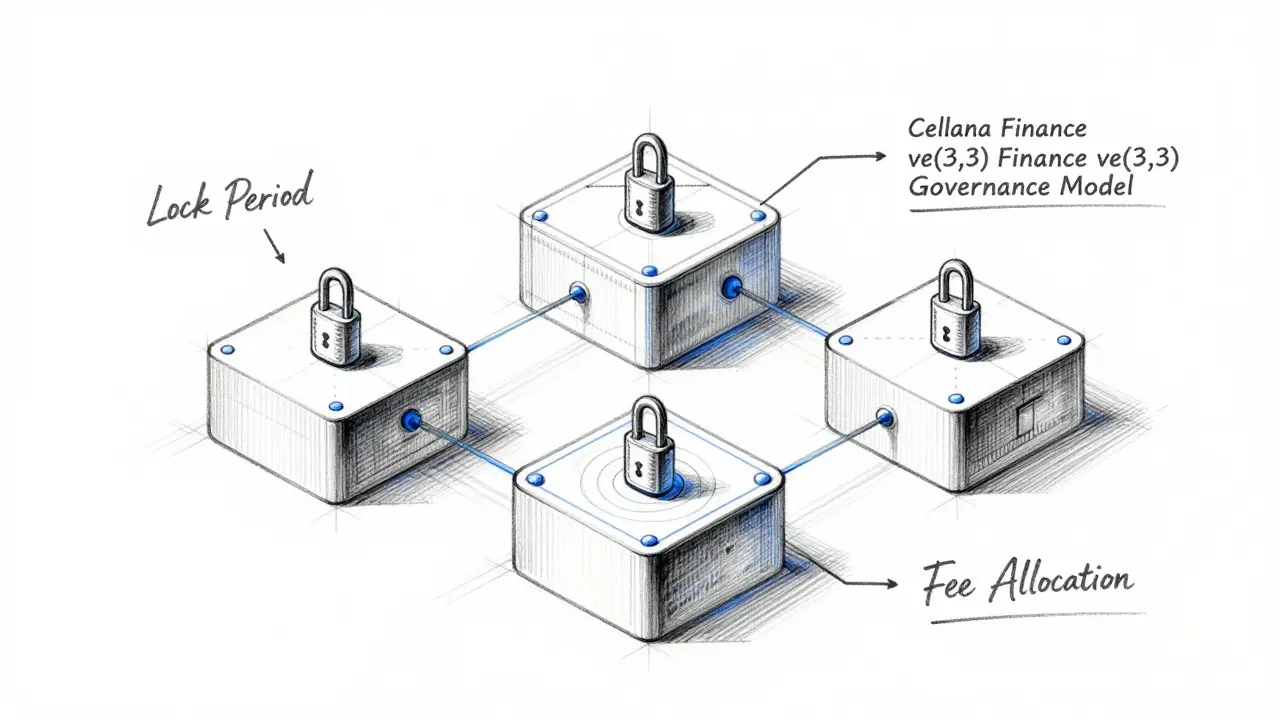
Cellana Finance Review: Is This Aptos DEX Safe in 2026?
Reviewing Cellana Finance, an Aptos-based DEX using the ve(3,3) model. We analyze its security, low liquidity risks, and whether the CELL token is viable for traders in 2026.
VIEW MORE
Equalizer (Sonic) Crypto Exchange Review: Speed, Fees, and Risks
A detailed review of Equalizer, the decentralized exchange on Sonic blockchain. We analyze speed, fees, liquidity depth, and security risks to help you decide if it fits your trading strategy.
VIEW MORE
ZilSwap Review: The Best DEX for Zilliqa (ZIL) Trading in 2026
Discover if ZilSwap is the right decentralized exchange for your Zilliqa tokens. This review covers fees, security, Scilla tech, and how it compares to other DEXs in 2026.
VIEW MORE
TEX Decentralized Token Exchange (TEX) Crypto Exchange Review
TEX crypto exchange doesn't exist. No trading volume, no smart contract, no team. Learn why it's a red flag and what real DEXs and hybrid exchanges to use instead.
VIEW MORE
Base DEX Crypto Exchange Review: Uniswap V3 on Base Network Explained
Base DEX, powered by Uniswap V3, offers near-zero fees and fast trades on Coinbase's Layer 2 network. Ideal for retail traders and Coinbase users, it balances cost, speed, and security - but isn't fully decentralized yet.
VIEW MORE
Shido DEX Crypto Exchange Review: Is This Decentralized Exchange Worth Your Time?
Shido DEX is a tiny, illiquid decentralized exchange with almost no trading volume or user base. Despite a CoinMarketCap listing, it offers no real advantages over major DEXs like Uniswap or PancakeSwap.
VIEW MORE
Mooniswap Crypto Exchange Review: Better Earnings for Liquidity Providers?
Mooniswap is a DeFi exchange that gives liquidity providers up to 200% more earnings than Uniswap by capturing arbitrage profits. Learn how it works, who it's for, and why it's a smarter choice for passive crypto investors.
VIEW MORE
Blackhole Crypto Exchange Review: Is This Avalanche's Biggest DEX Worth Using?
Blackhole DEX is Avalanche's largest decentralized exchange with high yields but steep complexity. Learn how it works, its risks, and whether it's worth using in 2025.
VIEW MORE
Kava Swap Crypto Exchange Review: Is It Worth Using in 2025?
Kava Swap is a fast, fee-free DEX built for the Kava blockchain, but its tiny liquidity and limited token selection make it useful only for users already in the Kava ecosystem. Outside of KAVA and USDX trades, it's not worth the hassle.
VIEW MORE- 1
- 2