Algofi Crypto Exchange Review: Is It Still Safe to Use in 2026?
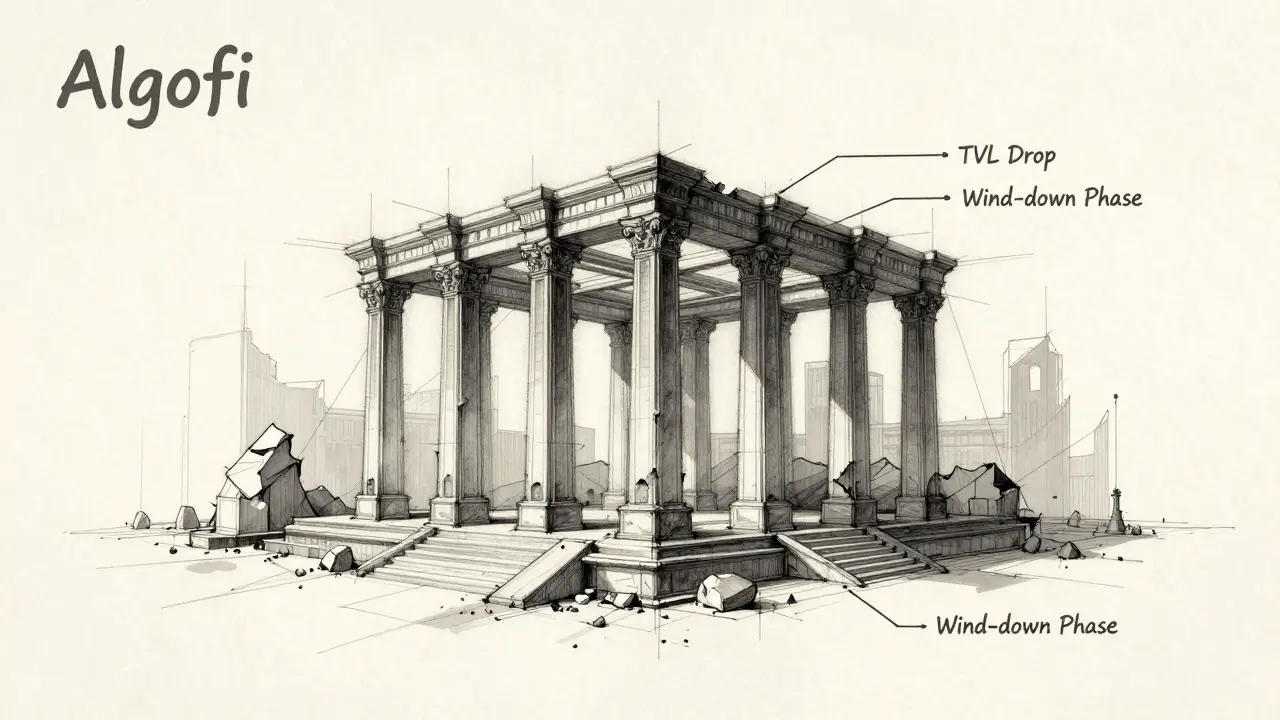
You might have stumbled upon the name Algofi is a former decentralized finance protocol on the Algorand blockchain that combined lending, borrowing, and swapping features before shutting down its operations in 2023. It was once known as Algorand's flagship DeFi ecosystem. in a search for high-yield opportunities or efficient swaps on the Algorand network. If you are looking to deposit funds right now, stop. The short answer is that Algofi is no longer an active trading platform. It entered a wind-down phase in mid-2023, and by late 2023, all lending markets were effectively closed. While there were rumors of a reboot in 2025, the reality for most users is that this chapter has closed.
This review isn't about how to make money with Algofi today-it’s about understanding what happened, why it matters for your current strategy on Algorand, and where you should put your attention instead. We’ll look at the timeline of its collapse, the technical reasons behind its failure, and the better alternatives available in 2026.
The Rise and Fall of Algofi: A Timeline
To understand why Algofi is off-limits, we need to look at its history. Launched in December 2021, Algofi aimed to be a one-stop shop for DeFi (Decentralized Finance) is a financial system built on blockchain technology that allows peer-to-peer transactions without traditional intermediaries like banks. on the Algorand blockchain is a high-speed, carbon-negative blockchain network founded by Turing Award winner Silvio Micali, known for its Pure Proof-of-Stake consensus mechanism.. It offered lending, borrowing, a native stablecoin called STBL, and a decentralized exchange (DEX).
For a brief period, it looked like the king of Algorand. In February 2023, its Total Value Locked (TVL) hit a peak of $134.7 million. That’s real money sitting in smart contracts. But things went wrong fast. By July 2023, just five months later, TVL had plummeted to $25 million. That’s an 81.5% drop. Users were pulling out their assets faster than new ones could come in.
In July 2023, the team announced they were shutting down. They didn’t just close the doors; they initiated a structured wind-down. Here is what that meant for users:
- Withdrawal-only mode: You could take your money out, but you couldn’t deposit more.
- Collateral reduction: Between September and December 2023, collateral factors for assets like ALGO, USDC, and goBTC were reduced from ~80% to 0%. This prevented any new borrowing.
- Governance suspension: The BANK token, used for voting, stopped functioning for proposals.
By early 2024, the platform was essentially dormant. Any talk of a "reboot" in 2025 remains speculative and unverified by major data aggregators like DeFiLlama. For practical purposes, Algofi is dead.
Why Did Algofi Fail? The Liquidity Trap
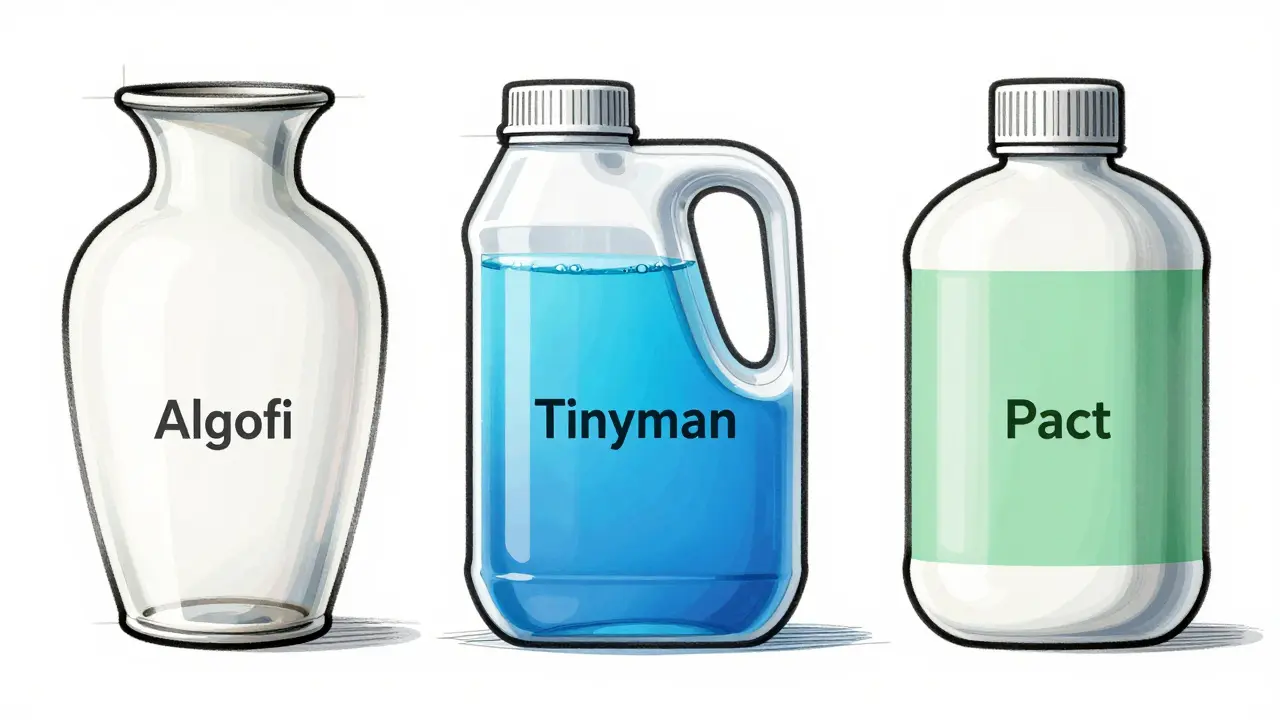
It wasn’t a hack. It wasn’t a rug pull in the traditional sense. Algofi failed because of a classic DeFi problem: lack of liquidity. Think of liquidity like water in a pool. If the pool is empty, you can’t swim. On a DEX, if there aren’t enough tokens in the trading pools, you can’t swap efficiently. Prices get messed up, and fees skyrocket.
Experts noted that even at its height, Algofi’s swap volume was "effectively zero." Why? Because traders prefer platforms where they can actually execute trades without massive slippage. Without volume, yields stay flat. Without yields, farmers leave. When farmers leave, liquidity drops further. It’s a death spiral.
| Feature | Algofi (Defunct) | Tinyman (Active) | Pact (Active) |
|---|---|---|---|
| Status | Shutdown (2023) | Operational | Operational |
| Liquidity Depth | Negligible | High | Moderate to High |
| Daily Swap Volume | ~$0 | Millions USD | Hundreds of Thousands USD |
| User Experience | Broken/Non-functional | Smooth, Accountless | Stable-focused |
As one reviewer put it, "Without liquidity, swaps don’t fill, rates stay flat, and farming yields stay low." It was a concept waiting for users, but the users never came in sufficient numbers to sustain it.
Technical Overview: What Made It Different?
Before it died, Algofi had some interesting tech. It ran on two versions, V1 and V2. It used an Automated Market Maker (AMM) model for swaps, similar to Uniswap on Ethereum. It also introduced STBL, an algorithmic stablecoin pegged to the US dollar.
One of its selling points was being "accountless." You didn’t need to sign up with an email. You just connected a wallet like Pera Wallet is a popular non-custodial cryptocurrency wallet designed specifically for the Algorand ecosystem, supporting accountless login via Google or Apple ID. or MyAlgo is an open-source, non-custodial wallet for Algorand that provides full control over private keys and supports hardware wallet integration.. This lowered the barrier to entry, which is great for beginners. However, convenience doesn’t matter if the engine is broken.
Security-wise, it relied on Algorand’s Pure Proof-of-Stake (PPoS) consensus. This is secure. The issue wasn’t the blockchain underneath; it was the application layer above it. The smart contracts worked, but no one was using them.
Where Should You Go Instead? Best Alternatives in 2026
If you hold ALGO or other Algorand-based assets and want to trade, lend, or borrow, you need active platforms. Here are the top choices that actually work.
1. Tinyman
Tinyman is currently the dominant DEX on Algorand. It has deep liquidity, meaning you can swap large amounts of ALGO for USDC or other tokens with minimal price impact. It uses a Concentrated Liquidity model, which makes capital more efficient for providers. If you want to trade, start here.
2. Pact
3. Yieldly
If you missed Algofi’s lending features, Yieldly is the closest alternative. It specializes in rates and rewards. You can supply assets to earn interest or borrow against your holdings. It’s simpler than Algofi was, but it actually functions.
Red Flags: How to Spot Dead Projects Early
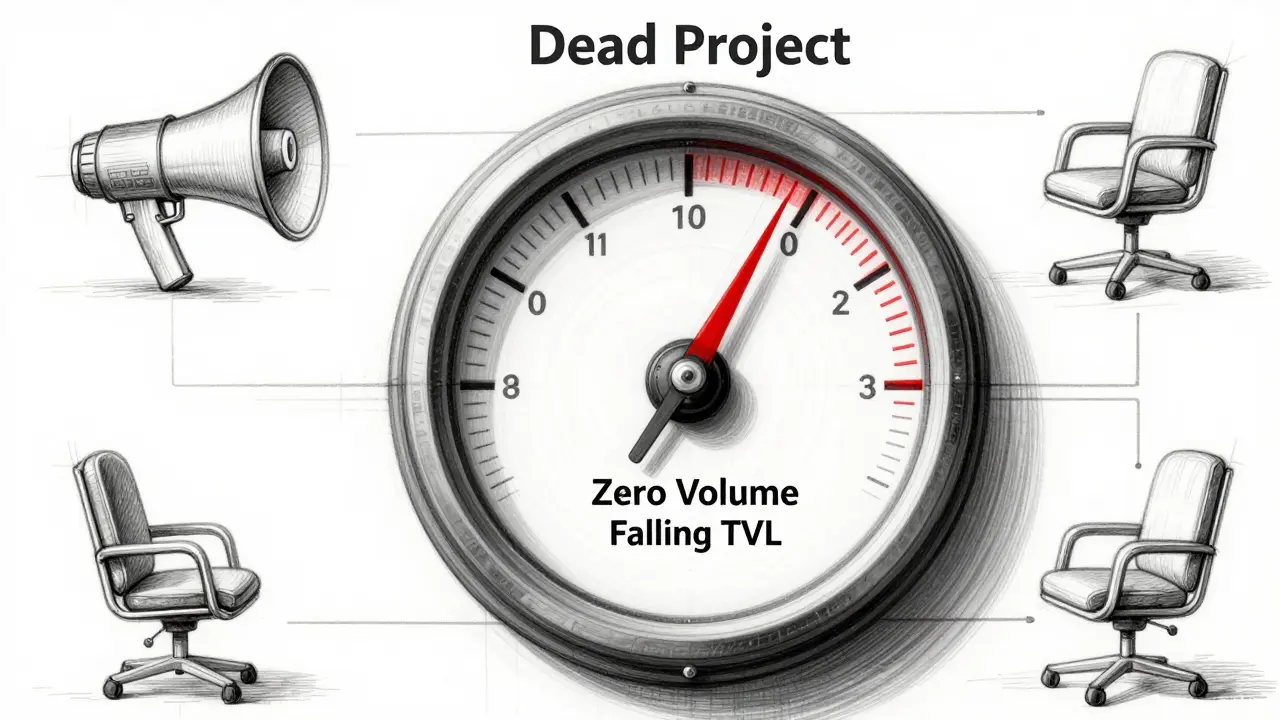
Algofi’s story is a lesson in due diligence. Don’t let a project’s past glory blind you to its present reality. Here are three signs a DeFi protocol is in trouble:
- Falling TVL: Check DeFiLlama regularly. If TVL is dropping month over month, users are losing confidence.
- Zero Volume: Look at daily swap volume. If it’s near zero, the market is illiquid. You might not be able to sell when you need to.
- Silent Governance: If the DAO hasn’t passed a proposal in months, the team might be checked out. Active projects have active communities.
Always verify the status of a platform before connecting your wallet. A quick check on CoinGecko or CoinMarketCap can save you from linking to a dead site.
Is There Any Chance of a Reboot?
You might see articles from 2025 suggesting a "liquidity injection" or reboot. Take these with a grain of salt. Reviving a dead DeFi protocol is incredibly hard. It requires:
- New investors to fund liquidity pools.
- A marketing push to bring back users who left.
- Trust restoration after a shutdown.
As of mid-2026, there is no concrete evidence that Algofi has returned to life. The smart contracts are likely still on-chain, but without liquidity, they are useless. Don’t bet on a zombie project. Bet on living ones.
Is Algofi safe to use in 2026?
No. Algofi shut down its lending and borrowing services in 2023. While the website might still load, the core functionalities are inactive. Do not deposit funds expecting to earn yield or swap tokens efficiently.
What happened to my funds in Algofi?
During the wind-down period (July-December 2023), users were allowed to withdraw their assets. If you still have tokens stuck in Algofi contracts, you may need to consult Algorand community forums for specific withdrawal instructions, though most markets were fully drained by end of 2023.
What is the best DEX on Algorand now?
Tinyman is widely considered the best DEX on Algorand in 2026 due to its high liquidity, low fees, and robust user interface. Pact is also a strong alternative for stablecoin-focused trading.
Did Algofi suffer a security hack?
No. Algofi did not experience a major exploit or hack. Its decline was driven by economic factors, specifically a loss of liquidity and user interest, leading to a voluntary shutdown.
Can I still buy BANK tokens?
While BANK tokens might still exist on some exchanges, their utility is severely limited since governance is suspended. Buying them is highly speculative and risky, as the underlying protocol is defunct.