
TOP1.ONE Crypto Exchange Review: Red Flags and Safety Guide (2026)
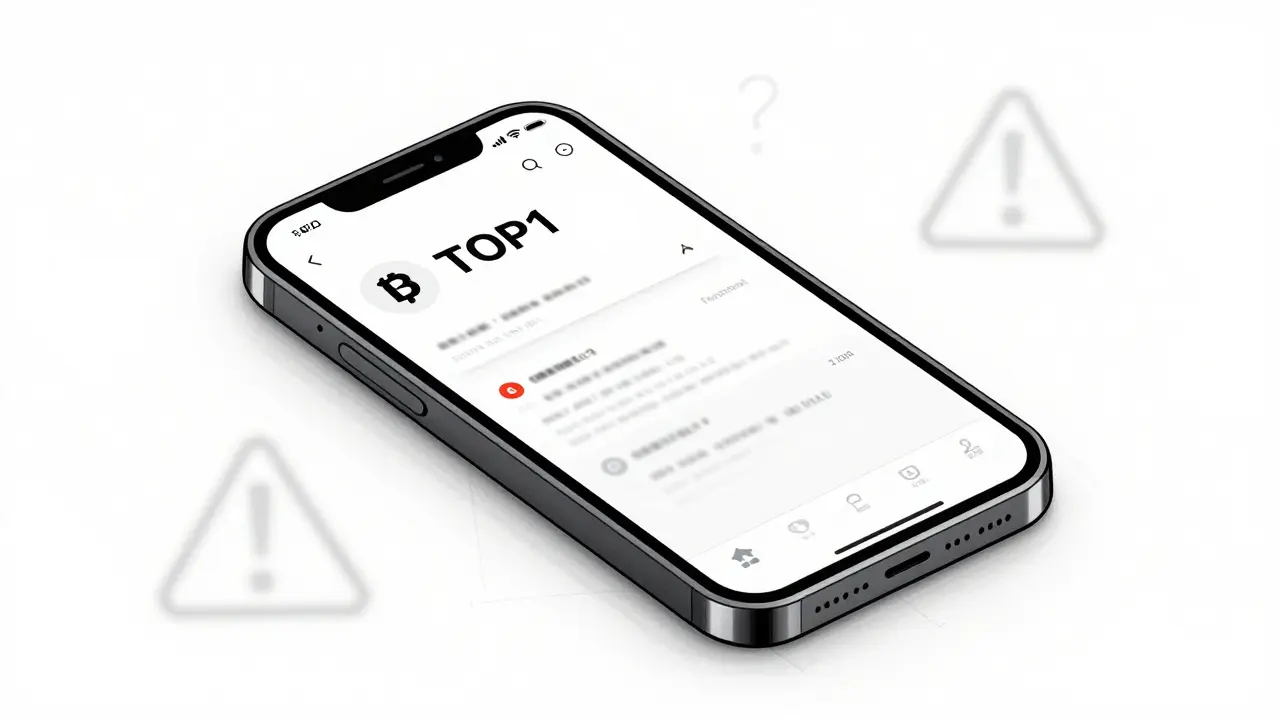
It’s June 2026, and you’ve probably seen the ads. Flashy graphics, promises of zero fees, or maybe a referral code that looks too good to be true. You type in TOP1.ONE, expecting to find a solid place to trade Bitcoin or Ethereum. Instead, you hit a wall of silence. No clear team info. No regulatory licenses listed on the homepage. Just a sleek interface waiting for your deposit.
This isn’t just a lack of information; it’s a major red flag. In the world of cryptocurrency exchanges, opacity is often a precursor to disaster. If you are looking at TOP1.ONE right now, stop. Put your credit card down. Close the tab. This review exists because there is virtually no credible data about this platform, and that absence of evidence is exactly why you need to read this before risking a single dollar.
The Silence Around TOP1.ONE
When we review established platforms like Coinbase, Kraken, or Binance, we have years of data. We know their fee structures, their security audits, and their legal standing. With TOP1.ONE, the picture is starkly different. As of mid-2026, independent financial watchdogs, reputable crypto news outlets, and user review aggregators have little to nothing to say about this specific domain.
Why does this matter? Because legitimate businesses want to be found. They publish their Terms of Service, they list their corporate registration numbers, and they engage with the community. A platform that launches without a digital footprint in the professional sphere is operating in the shadows. This raises immediate questions about its longevity. Is it a startup trying to gain traction? Or is it a short-term operation designed to collect deposits and vanish?
Is TOP1.ONE a registered company?
There is no publicly available evidence linking TOP1.ONE to a registered corporate entity in any major financial jurisdiction such as the US, UK, EU, or New Zealand.
Red Flags That Should Alarm You
You don’t need to be a cybersecurity expert to spot danger signs. Here are the specific issues associated with platforms like TOP1.ONE that appear suddenly in the market:
- No Regulatory Oversight: Legitimate exchanges operate under licenses from bodies like the FCA (UK), FinCEN (US), or FMA (New Zealand). TOP1.ONE shows no affiliation with these regulators. This means if they steal your money, there is no government agency you can call for help.
- Vague Team Information: Trust requires faces. Reputable exchanges list their founders and leadership teams with verifiable LinkedIn profiles. Anonymous teams are a classic tactic used by fraudulent operations to avoid accountability.
- Unrealistic Promises: Does the site promise guaranteed returns or daily profits? If so, run. Cryptocurrency markets are volatile. No exchange can guarantee profit. These claims are marketing hooks designed to trigger greed and bypass logical thinking.
- Pressure Tactics: Watch out for countdown timers urging you to "deposit now" to get a bonus. Scammers create artificial urgency to prevent you from doing due diligence.
How Fraudulent Exchanges Operate
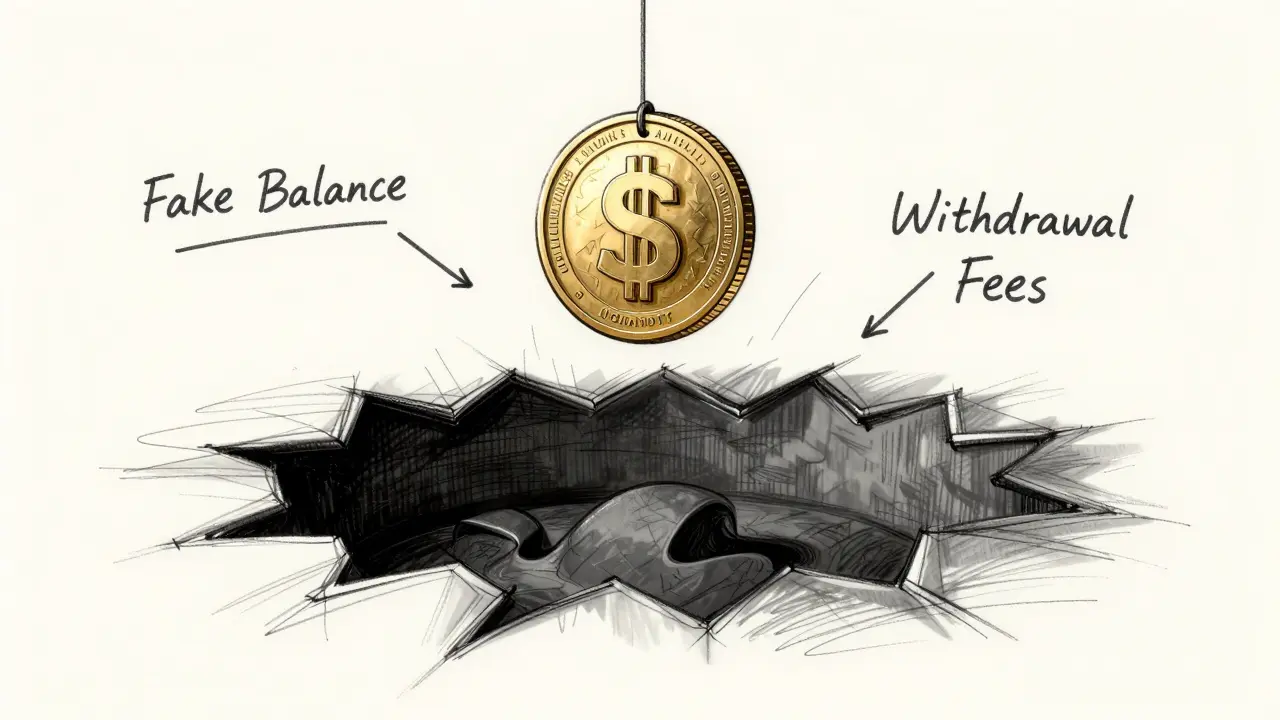
Understanding the mechanics of a crypto scam helps you protect yourself. The most common model for platforms like TOP1.ONE is the "honeypot" scheme. Initially, everything works perfectly. You deposit $100, see a fake balance increase to $110, and successfully withdraw $50. This builds trust. You think, "Wow, this is easy." Then, you deposit $5,000. Suddenly, withdrawals require "verification fees," "tax payments," or "security deposits." You pay them. Still no withdrawal. Eventually, the site goes offline, and the support chat disappears.
Another variation is the phishing exchange. These sites mimic the look and feel of popular platforms but use slightly altered URLs (like .one instead of .com). They capture your login credentials and private keys. Always double-check the URL bar. One letter difference can cost you your entire portfolio.
Safer Alternatives for Trading in 2026
If you’re looking to trade cryptocurrency, stick to platforms with proven track records. Here is a comparison of established exchanges that prioritize security and transparency:
| Feature | Established Exchanges (e.g., Coinbase, Kraken) | Unknown Platforms (e.g., TOP1.ONE) |
|---|---|---|
| Regulatory Status | Licensed and audited in multiple jurisdictions | Unregulated or anonymous |
| Security History | Public security audits and insurance funds | No public audit history |
| User Reviews | Thousands of verified reviews over years | Few or no independent reviews |
| Withdrawal Process | Standard processing times, clear fees | Often blocked or hidden behind extra fees |
| Customer Support | 24/7 dedicated support channels | Automated bots or non-existent support |
Platforms like Coinbase, Kraken, and Bitstamp have survived market crashes, regulatory scrutiny, and hacking attempts. They have skin in the game. Their reputations depend on keeping your assets safe. When you choose an unknown entity like TOP1.ONE, you are betting against probability. The odds are not in your favor.
Protecting Your Assets: Best Practices
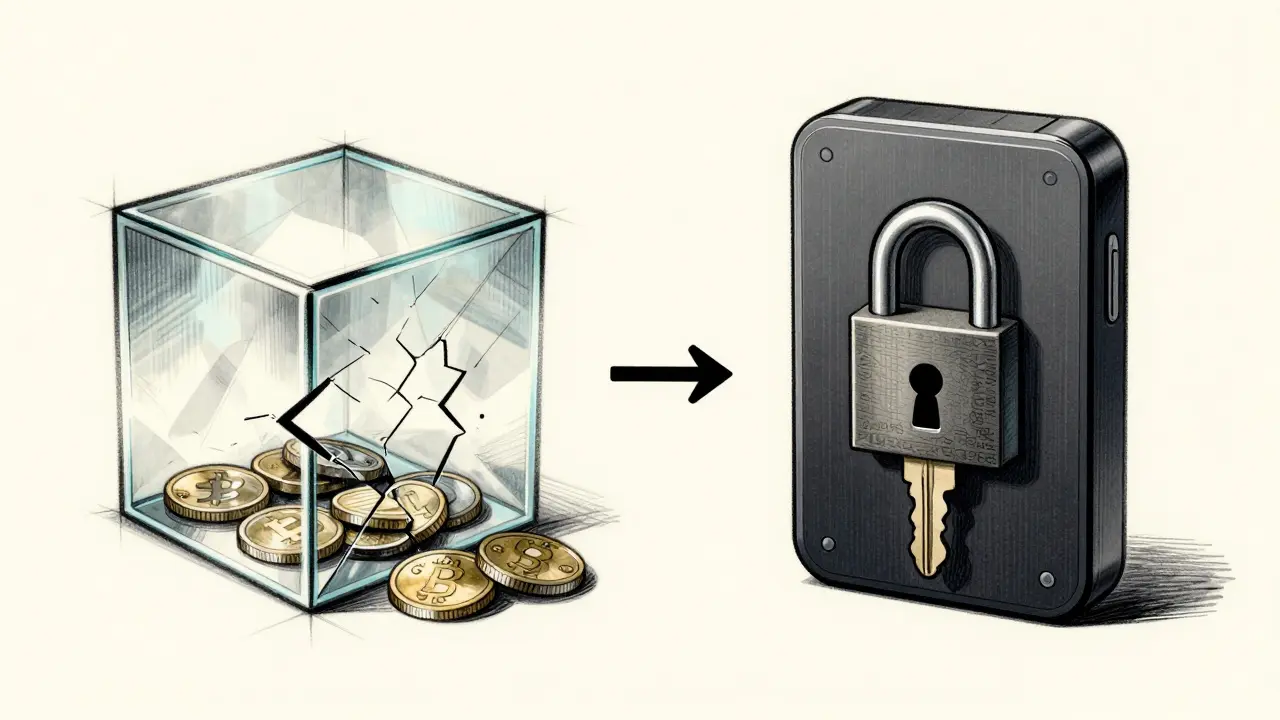
Regardless of which exchange you use, never leave large amounts of cryptocurrency on an exchange. Exchanges are hot wallets, meaning they are connected to the internet and vulnerable to hacks. Use a hardware wallet like Ledger or Trezor for long-term storage. This gives you control over your private keys. If an exchange goes bankrupt or gets hacked, your coins in a hardware wallet remain yours.
Enable two-factor authentication (2FA) on every account. Do not use SMS-based 2FA if possible, as SIM swapping attacks are common. Use an authenticator app like Google Authenticator or Authy. Finally, beware of phishing emails. Never click links in emails claiming to be from your exchange. Always navigate to the website manually by typing the address into your browser.
What To Do If You Already Deposited
If you have already sent funds to TOP1.ONE and cannot withdraw, act quickly. First, document everything. Take screenshots of your account balance, transaction hashes, and any communication with support. Next, contact your bank or payment provider immediately. If you paid via credit card, request a chargeback. If you transferred crypto directly, the chances of recovery are slim, but you should still report the incident to local law enforcement and cybercrime units. In New Zealand, you can report scams to Police NZ. In the US, file a report with the FTC. While recovery is difficult, reporting helps authorities track down these operations and warn others.
Final Thoughts on Due Diligence
The cryptocurrency space is full of innovation, but it is also rife with opportunists. Platforms like TOP1.ONE thrive on the hope of quick gains. By choosing obscurity over transparency, they signal high risk. Your financial security is worth more than a potential bonus. Stick to regulated, well-known exchanges. Verify licenses. Check independent reviews. And remember, if something seems too good to be true, it almost certainly is. Stay skeptical, stay safe, and keep your keys private.
Is TOP1.ONE a scam?
While we cannot definitively label it a scam without direct evidence of theft, TOP1.ONE exhibits all the characteristics of a high-risk or fraudulent platform, including lack of regulation, anonymous ownership, and no credible online presence. It is highly advisable to avoid it.
Can I withdraw my money from TOP1.ONE?
Many users of unverified platforms report difficulties withdrawing funds, often being asked to pay additional fees first. This is a common tactic of fraudulent exchanges. If you are unable to withdraw, do not pay any further fees.
Who owns TOP1.ONE?
The ownership of TOP1.ONE is not publicly disclosed. Legitimate financial institutions are required to reveal their beneficial owners. Anonymity in this sector is a significant warning sign.
What are the safest crypto exchanges in 2026?
Established exchanges like Coinbase, Kraken, Binance (with regional compliance), and Bitstamp are considered safer due to their regulatory compliance, long operational history, and transparent security practices.
How can I verify if a crypto exchange is legitimate?
Check for regulatory licenses in official government databases. Look for a verifiable team with professional histories. Read independent reviews on trusted forums. Ensure the website uses HTTPS and has clear terms of service and privacy policies.

Lee Paige
June 4, 2026 AT 09:52The silence is the loudest part. These entities don't just hide; they operate in the shadows because they know the light would burn them down. It's not a bug, it's a feature of their design. They want you to feel isolated so you don't look for help. The lack of regulatory oversight isn't an oversight at all. It is a deliberate choice to remain outside the reach of any law enforcement agency. When you see no team info, assume they are ghosts. Ghosts don't pay taxes. Ghosts don't file reports. Ghosts disappear when the money runs out. You are walking into a trap that has been set with precision. The flashy graphics are just bait. The zero fees are just lure. Don't be the fish.
Meg Gran
June 5, 2026 AT 08:47so its basically a scam right? or am i missing something here bc everyone says stay away but like... why? its just a website lol
Dr Lynea LaVoy
June 6, 2026 AT 09:56I completely understand why this confusion exists. The marketing is designed to overwhelm your critical thinking skills. It’s important to remember that legitimate financial institutions prioritize transparency above all else. If a platform cannot provide basic information about its ownership and regulatory status, it is fundamentally unsafe. Please do not let the sleek interface fool you into a false sense of security. Your financial well-being is far more important than chasing a potential bonus. Take a step back and breathe. Look for platforms that have been vetted by independent auditors. Trust your instincts if something feels off. It is okay to walk away from an opportunity that doesn't respect your need for clarity. We are all here to support each other in making safe choices.
dan kaffeman
June 8, 2026 AT 07:24Typical weak-minded response. Real investors take risks. If you can't handle a little ambiguity, you don't deserve profits. This platform is for those who actually have the guts to innovate. The rest of you can stick to your boring, regulated banks and watch your money rot in inflation. I've seen the returns on similar offshore setups. They work if you know how to play the game. Stop listening to these fear-mongering articles written by people who never made a dime in crypto. Get educated or get left behind.
Sylvia Mossman
June 10, 2026 AT 04:40Oh, please. 'Guts to innovate'? That's code for 'gullible enough to lose everything.' You're not an innovator; you're a mark waiting to be harvested. The fact that you think anonymity is a feature rather than a massive liability shows exactly why these scams succeed. You're celebrating the very traits that define fraud. It's pathetic. Everyone else is trying to protect their assets, and you're cheering for the wolves. Keep telling yourself you're special while your balance goes to zero.
Alexander DeVries
June 11, 2026 AT 23:43Let us focus on the facts presented in this review. The absence of regulatory licenses is a critical issue. Without oversight from bodies like the FCA or FinCEN, there is no recourse for users. This is not about risk tolerance; it is about basic consumer protection. Established exchanges undergo rigorous audits. Unknown platforms do not. The comparison table clearly illustrates the disparity in security measures. We must advocate for diligence. Ignoring red flags is not bravery; it is negligence. Protect your capital by choosing verified partners. The market rewards caution as much as aggression. Stay disciplined.
Karthikeyan S
June 13, 2026 AT 20:04bro really thinks he knows best 😂📉 look at the volume on these new dexes. old coins are dead. top1.one is next gen tech u cant even comprehend. dont be a hater just because ur stuck in 2020 mindset 🚀💎
Mark Corpuz
June 14, 2026 AT 19:01The argument regarding 'next generation technology' does not hold water when scrutinized against fundamental security principles. Technology without infrastructure is merely vaporware. The lack of a verifiable team suggests that the developers may not exist, or they are intentionally hiding their identities to avoid legal consequences. This is a common pattern in rug pulls. One should always verify the corporate registration number before engaging with any financial service. It is a simple step that prevents significant loss. Do not let hype override logic.
Steven Jacobowitz
June 16, 2026 AT 17:36I have analyzed the smart contract structures of similar platforms. The liquidity pools are often manipulated. When you deposit, your funds are not necessarily being traded. They are being pooled for exit liquidity. The fake balance increases are generated by internal scripts. This is not a trading environment. It is a honeypot mechanism. You need to understand the tokenomics deeply. Most users do not read the whitepaper. They just click buy. This ignorance is exploited systematically. Check the transaction hashes on the blockchain explorer. You will see where the money actually goes. It rarely goes to order books.
Yogendra Dwivedi
June 17, 2026 AT 00:06This is a very insightful analysis. Understanding the underlying mechanics is crucial for safety. Many users overlook the importance of blockchain verification. It provides an immutable record of transactions. Relying on the exchange's dashboard is risky. Always cross-reference with external tools. This approach builds a stronger foundation for decision-making. Thank you for sharing this technical perspective.
Dinesh Pattigilli
June 18, 2026 AT 17:25ur analysis is flawed. typical retail mindset. real alpha comes from early entry. u r too late to the party anyway. stop whining and start trading. maybe then u wud understand.
Alexis Abster
June 18, 2026 AT 22:01It is heartbreaking to see people dismissed for seeking safety. The emotional toll of losing savings is immense. We must foster a community that supports due diligence. Fear is a valid emotion when facing potential fraud. Let us encourage each other to verify sources. No one should feel ashamed for wanting transparency. Your peace of mind is invaluable. Please keep protecting yourselves.
Brad Ranks
June 19, 2026 AT 10:42I lost five grand last year to a site like this. Thought it was legit. Withdrawal fees kept stacking up. Then the site vanished. Never got it back. Just a warning from someone who learned the hard way. Check the domain age. If its less than a year, run.
Caitlin Donahue
June 21, 2026 AT 01:36thats soo sad bruh. i hope u recover. yeah checking domain age is key. also look for ssl certs. if its self signed, thats bad. stay safe guys!
Erik Kirana
June 22, 2026 AT 17:40Mr. Ranks, your anecdote serves as a poignant reminder of the perils of digital finance. 📉 It is imperative that we adhere to strict protocols. The mention of SSL certificates is technically accurate but insufficient on its own. One must also examine the certificate authority. Self-signed certificates are indeed a major red flag. However, many fraudulent sites now use valid LetsEncrypt certificates to appear legitimate. Therefore, visual inspection is not enough. Use tools like Whois lookup to trace the registrant. Anonymity services like PrivacyGuard are often used by scammers. Proceed with extreme caution. 🛡️
Madhu Menon
June 23, 2026 AT 23:16In the end, trust is a currency more valuable than Bitcoin. Once spent with the wrong entity, it cannot be mined again. We must guard our trust fiercely. The philosophy of decentralization teaches us not to trust, but to verify. TOP1.ONE fails this test miserably. It asks for blind faith. Blind faith leads to ruin. Verification leads to freedom. Choose wisely.