How Flash Loans Work Without Collateral: A DeFi Guide
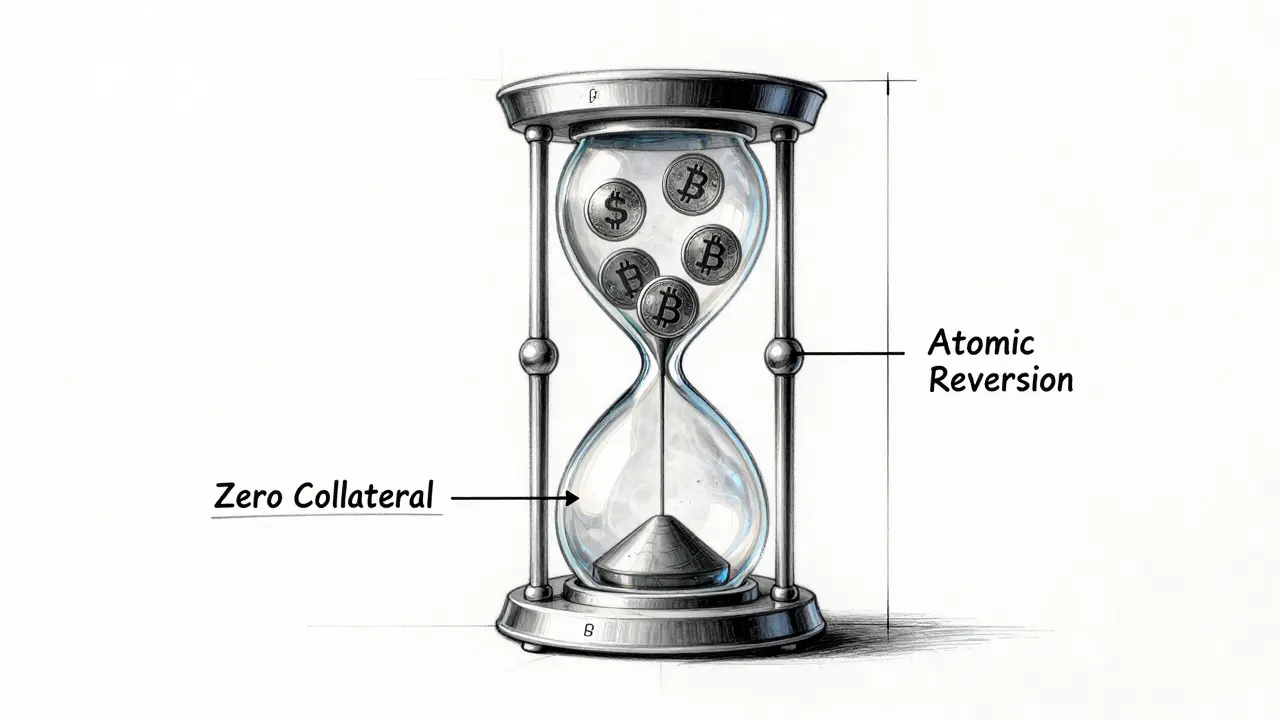
Imagine walking into a bank and borrowing $10 million. You don't have any savings to pledge as collateral. You don't fill out loan applications or wait for credit checks. Instead, you take the cash, use it to buy an asset that instantly doubles in value, sell it, pay back the $10 million plus a tiny fee, and walk away with the profit. If you fail at any step, the entire transaction never happened. The bank sees nothing. You see nothing.
This sounds like science fiction, but in the world of DeFi is decentralized finance, a financial system built on blockchain technology that operates without intermediaries like banks, this is reality. It’s called a Flash Loan is a unique type of uncollateralized loan in DeFi that must be borrowed and repaid within a single blockchain transaction.
Flash loans are one of the most powerful-and misunderstood-tools in crypto. They allow anyone with coding skills to access massive amounts of capital instantly. But they aren’t for everyone. In fact, if you’re not careful, they can cost you money in gas fees or expose you to security risks. So, how do they actually work? And why does the protocol trust you with millions of dollars?
The Magic Trick: Atomicity
To understand flash loans, you first need to understand how blockchains process transactions. Unlike traditional banking, where a transfer happens and then settles later, blockchain transactions are atomic. This means a transaction is all-or-nothing.
Think of it like a video game save file. If your character tries to perform three actions in one turn-pick up a sword, open a door, and jump over a pit-but fails to jump, the game doesn’t save half the progress. It reverts everything. Your character is back where they started before the turn began.
Ethereum is the leading blockchain platform for smart contracts and decentralized applications works the same way. When you initiate a flash loan, several things happen in sequence within a single block:
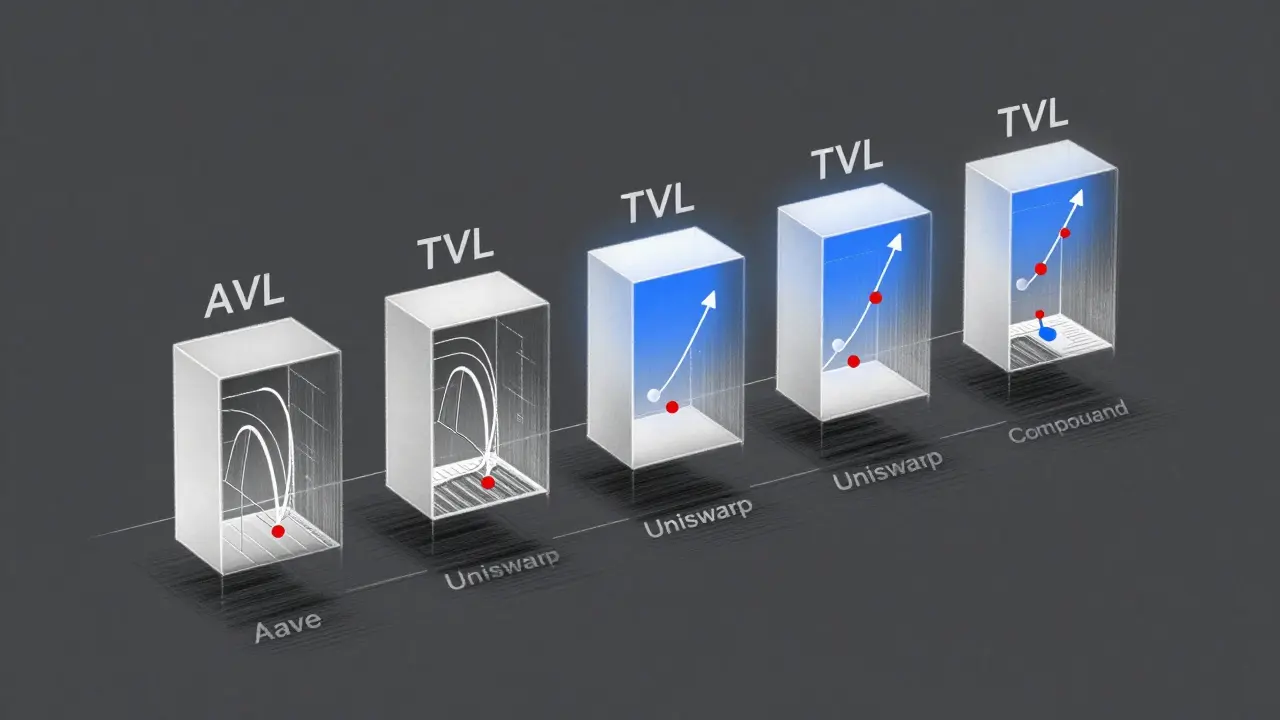
- You borrow funds from a liquidity pool (like Aave is a leading lending protocol in DeFi that pioneered flash loans).
- You execute your strategy (arbitrage, liquidation, etc.).
- You repay the loan plus a small fee.
If step 3 fails-if you don’t have enough money to repay-the blockchain engine hits “undo.” The loan is canceled. The funds return to the pool. No risk for the lender. That’s why no collateral is needed. The code itself guarantees repayment.
Who Uses Flash Loans and Why?
You might wonder who needs instant access to millions of dollars for just a few seconds. It turns out, quite a few people. According to data from Dune Analytics, flash loans process over $1 billion in volume monthly. Here are the three main ways they’re used:
1. Arbitrage Trading
This is the most common use case. Prices for assets like Bitcoin or Ethereum can vary slightly between different exchanges. For example, ETH might be trading at $3,000 on Uniswap and $3,005 on SushiSwap. An arbitrageur uses a flash loan to buy low on Uniswap and sell high on SushiSwap. They pocket the difference, repay the loan, and keep the profit. Without a flash loan, they’d need their own capital to make the trade, which ties up their money and increases risk.
2. Liquidations
In DeFi lending protocols, if a borrower’s collateral drops below a certain threshold, their position becomes undercollateralized. Anyone can trigger a liquidation by repaying part of the debt and taking the collateral at a discount. Flash loans allow traders to borrow the necessary funds to execute these liquidations instantly, earning a fee for doing so. It’s a service that keeps the lending market stable.
3. Refinancing Debt
Some users hold large positions in one lending protocol but find better rates elsewhere. They can use a flash loan to pay off their existing debt, move their collateral to the new protocol, and borrow against it again-all in one transaction. This saves them time and potentially earns them more interest.

Step-by-Step: How a Flash Loan Executes
Let’s break down what happens behind the scenes when you click “execute” on a flash loan contract. You don’t interact with a website form; you interact with Smart Contracts are self-executing contracts with the terms of the agreement directly written into code.
| Step | Action | Outcome |
|---|---|---|
| 1 | User calls the flash loan function on the lending protocol. | Protocol transfers requested assets to user’s smart contract. |
| 2 | User’s contract executes logic (e.g., swap tokens on DEX). | Assets change form or location based on strategy. |
| 3 | User’s contract calculates profit and prepares repayment. | Contract ensures sufficient balance exists to cover principal + fee. |
| 4 | Contract sends repayment back to the protocol. | Protocol verifies amount received. |
| 5 | Transaction completes or reverts. | If successful: profit remains. If failed: entire tx reverted, no loss except gas. |
The critical point here is Step 5. If the math doesn’t work out-if the price moved against you, or gas costs were higher than expected-the transaction fails. But because of atomicity, you don’t lose the borrowed funds. You only lose the Gas Fees are transaction fees paid to network validators to process operations on the blockchain required to run the code. This is why testing is crucial. One bad calculation can cost you $50 in gas on Ethereum mainnet.
Risks and Security Concerns
Flash loans are powerful, but they’re not free of danger. While the lender faces no risk, the borrower does. And historically, flash loans have been used maliciously.
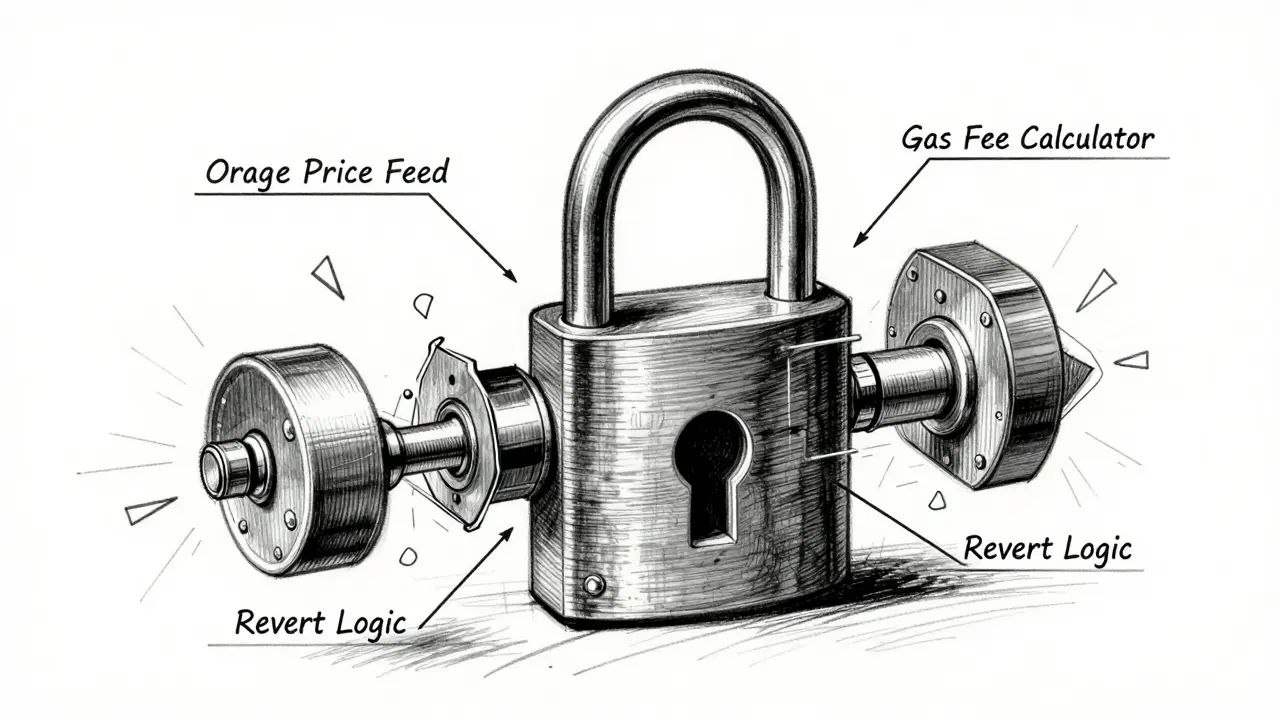
In 2022, security researcher Samczsun documented 17 major attacks using flash loans, resulting in over $327 million in losses. These weren’t cases of failed trades. They were exploits. Attackers used flash loans to manipulate oracle prices. By borrowing massive amounts of an asset, they could artificially inflate its price on a decentralized exchange. Then, they used that inflated price to borrow more assets from other protocols, draining them dry.
For legitimate users, the risks are different:
- Front-running: Bots monitor the mempool (pending transactions). If they see your profitable arbitrage opportunity, they can copy your transaction and pay a higher gas fee to go before you. You get nothing; they take the profit.
- Complexity Errors: Writing secure smart contracts is hard. A simple mistake in handling decimals or slippage can cause your transaction to revert repeatedly, costing you hundreds of dollars in gas.
- MEV Attacks: Miner Extractable Value (MEV) refers to profits miners/validators can make by reordering transactions. Flash loans are prime targets for MEV bots.
To mitigate these risks, many developers now use private transaction services or layer-2 solutions like Arbitrum is an Ethereum layer-2 scaling solution that offers lower fees and faster transactions or Polygon is a blockchain network and framework for building and connecting Ethereum-compatible blockchain networks, where gas costs are lower and competition is less intense.
Getting Started: Do You Need to Code?
Yes. Unfortunately, there’s no “click-to-borrow” button for flash loans on mainstream interfaces. You need to write a smart contract in Solidity is the primary programming language for writing smart contracts on Ethereum and other EVM-compatible blockchains.
According to Finematics’ popular tutorial series, beginners typically spend 40-60 hours learning the basics before attempting a live flash loan. You’ll need to understand:
- Interfaces: How to interact with Aave’s
IFlashLoanReceiveror Uniswap’s callback functions. - Oracles: How price feeds work and how to avoid manipulation.
- Gas Optimization: How to minimize computational steps to reduce costs.
If you’re not a developer, you can still participate indirectly by providing liquidity to pools that offer flash loans, earning a share of the fees. Or, you can invest in funds managed by quantitative traders who specialize in these strategies.
The Future of Flash Loans
As DeFi matures, flash loans are becoming more integrated. Aave V3 introduced circuit breakers and time-locked fees to prevent abuse. Uniswap V3 added fee tiers to align incentives better. And with the rise of cross-chain bridges, we’re seeing early experiments in cross-chain flash loans, allowing capital movement across different blockchains in a single logical transaction.
Regulators are watching closely. The Financial Stability Board has flagged flash loans as potential systemic risks due to their speed and interconnectedness. However, proponents argue that transparency and immutability make them safer than opaque traditional finance derivatives.
Whether you’re a developer looking to build the next big arbitrage bot or just curious about how DeFi defies traditional banking rules, understanding flash loans gives you a window into the future of finance. It’s fast, it’s risky, and it’s entirely code-driven.
Can I use a flash loan if I don’t know how to code?
Not directly. Flash loans require custom smart contracts to execute specific strategies. However, you can provide liquidity to flash loan providers like Aave to earn fees, or invest in DAOs and funds that employ professional traders.
What happens if my flash loan transaction fails?
If the transaction fails to repay the loan plus fees, the entire transaction is reverted by the blockchain. You don’t lose the borrowed funds, but you do lose the gas fees paid to process the attempt.
Are flash loans legal?
Yes, flash loans themselves are legal financial instruments. However, using them to exploit vulnerabilities in other protocols may constitute hacking or fraud depending on jurisdiction. Always ensure your strategies are compliant with local laws.
Which platforms support flash loans?
Major platforms include Aave (most popular), Uniswap (via Flash Swaps), Balancer, dYdX, and Venus Protocol. Each has different fee structures and supported assets.
How much does a flash loan cost?
Protocols charge a small fee, typically around 0.09% to 0.3% of the borrowed amount. Additionally, you must pay gas fees for executing the smart contract, which can range from $0.50 to $50+ depending on network congestion.