NFTP Airdrop by NFT TOKEN PILOT: Complete Guide & Eligibility Details
Have you seen the buzz around the NFTP airdrop? If you are scrolling through crypto Twitter or checking your wallet notifications, you might have stumbled upon mentions of NFT TOKEN PILOT. The promise of free tokens is always exciting, but in the world of Web3, excitement often walks hand-in-hand with caution. You want to know if this is a legitimate opportunity to earn something valuable or just another noise in the crowded digital asset space.
The core question isn't just "how do I get it?" It is "is it worth my time and gas fees?" We need to break down what an airdrop actually entails, how projects like NFT TOKEN PILOT typically distribute their assets, and most importantly, how to protect yourself while participating. This guide cuts through the hype to give you a clear, step-by-step look at what you need to know about the NFTP distribution process.
Understanding the NFTP Token and NFT TOKEN PILOT
Before you start clicking buttons or connecting wallets, you need to understand what you are dealing with. NFT TOKEN PILOT positions itself as a platform bridging non-fungible tokens (NFTs) with utility-driven tokenomics. In simple terms, they aren't just selling digital art; they are trying to create an ecosystem where holding specific NFTs grants you access to rewards, governance rights, or exclusive features.
The NFTP token serves as the fuel for this ecosystem. Think of it like the currency inside a theme park. You buy a ticket (the NFT), and then you use tokens (NFTP) to play games, enter raffles, or vote on new attractions. The airdrop is essentially the project giving away free "park currency" to early adopters to build momentum and community trust.
However, not all pilots are created equal. Some projects use airdrops to bootstrap liquidity, while others use them as marketing stunts. To determine where NFT TOKEN PILOT stands, we look at their transparency. Do they have a public roadmap? Is their team doxxed (identities revealed)? Are their smart contracts audited? These are the three pillars of credibility in any crypto project.
How Does the NFTP Airdrop Work?
Airdrops generally fall into two categories: retroactive and task-based. Retroactive airdrops reward users who used the protocol before it launched a token. Task-based airdrops require you to complete specific actions to qualify. Based on typical patterns for projects like NFT TOKEN PILOT, the NFTP airdrop likely follows a hybrid model.
Here is how the distribution mechanism usually functions:
- Snapshots: The project takes a "snapshot" of the blockchain at a specific block height. This records which wallets held certain NFTs or interacted with their platform at that exact moment.
- Eligibility Criteria: You might need to hold a specific tier of NFT from their collection, join their Discord server, or follow their social media channels. These tasks prove you are a real person interested in the community, not a bot farming tokens.
- Distribution: Once eligible addresses are verified, the tokens are sent directly to your wallet. This can happen instantly via a smart contract or over several days to manage network congestion.
It is crucial to check the official documentation for the exact snapshot date. Missing the window by even a few minutes can mean missing out entirely. Always rely on the project's official website or verified social media accounts for these dates, not random tweets.
Step-by-Step: How to Claim Your NFTP Tokens
If you believe you meet the criteria, here is the practical workflow to claim your airdrop. Follow these steps carefully to avoid common pitfalls.
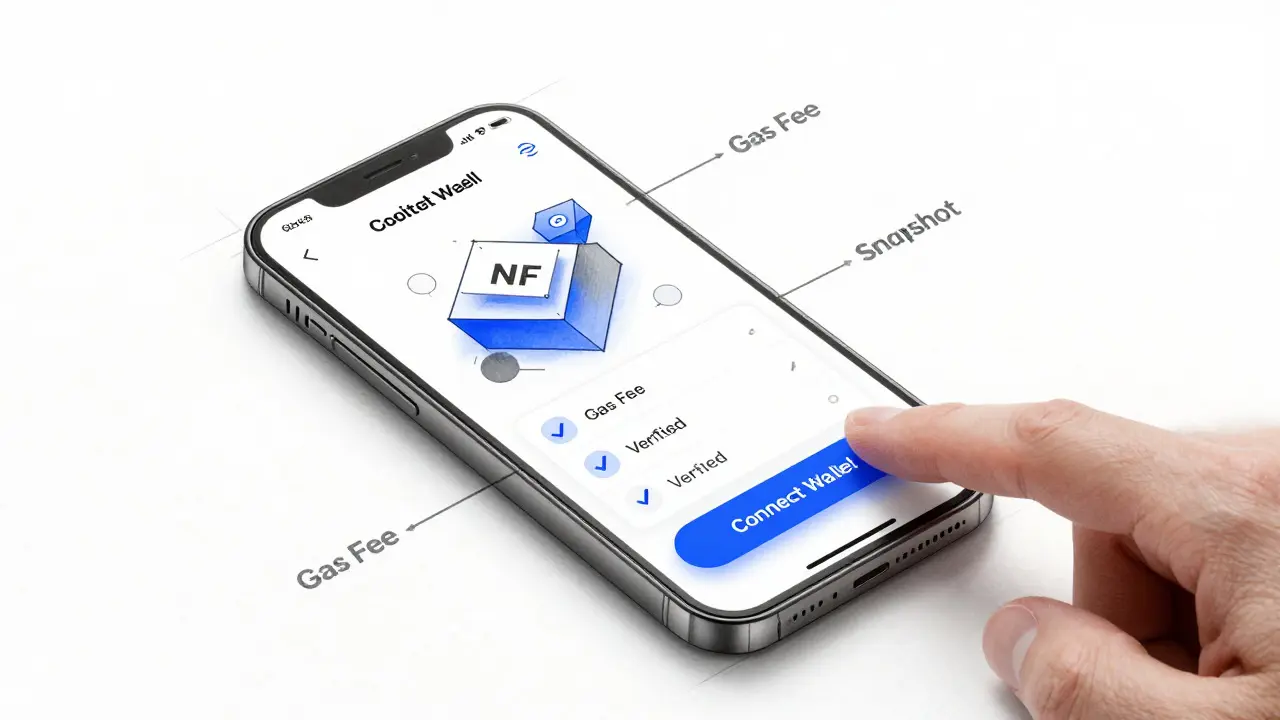
- Prepare Your Wallet: Ensure you have a compatible web3 wallet installed. For most Ethereum-based NFT projects, MetaMask is the standard. Make sure you have enough ETH in your wallet to cover gas fees. Even if the token is free, interacting with the claim contract costs gas.
- Verify Eligibility: Visit the official NFT TOKEN PILOT dashboard. Connect your wallet. The interface should show whether you are eligible for the airdrop based on your holdings and activity. If it says "Not Eligible," double-check if you missed a task or if your wallet address was different during the snapshot period.
- Connect and Sign: Click the "Claim" button. Your wallet will pop up asking you to sign a transaction. Read the details! Never sign a transaction that asks for "Unlimited Approval" unless you fully trust the contract. Ideally, the claim function should only request permission to transfer the specific amount of NFTP tokens owed to you.
- Confirm the Transaction: Approve the transaction in your wallet. Wait for the blockchain confirmation. This can take anywhere from seconds to minutes depending on network traffic.
- Add Token to Wallet: After claiming, the NFTP tokens might not appear automatically. You may need to add the token contract address manually to your wallet to see the balance. Find this address in the project's official docs to avoid adding a fake token.
Red Flags: Spotting Scams in Airdrop Season
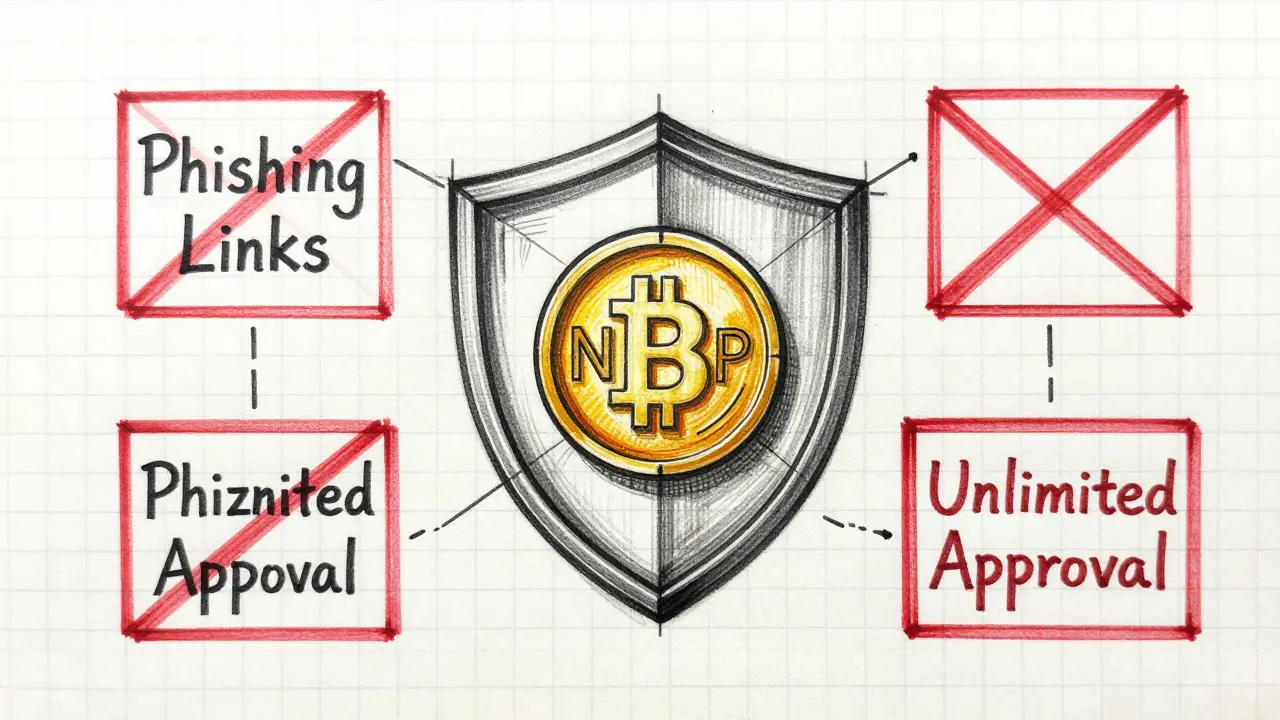
This is the most important section. For every legitimate airdrop, there are dozens of scams designed to drain your wallet. When chasing NFTP or any other token, keep your eyes peeled for these warning signs.
| Feature | Legitimate Project | Scam / Phishing |
|---|---|---|
| Website URL | Exact match with official social links (e.g., nfttokenpilot.com) | Slight misspellings (e.g., nft-token-pilot-official.xyz) or new domains |
| Approval Requests | Limited approval or direct transfer only | Requests unlimited approval for unknown contracts |
| Communication | Announcements on verified Twitter/Discord | DMs from "support" agents or unsolicited emails |
| Urgency | Clear deadlines with reasonable notice | "Claim in 1 hour or lose forever" pressure tactics |
Never connect your main wallet-the one holding your life savings-to a new or unproven dApp. Use a "burner wallet" with a small amount of funds for interacting with new protocols. If something feels off, walk away. No legitimate project will DM you first offering free money.
Tax Implications of Receiving Crypto Airdrops
Congratulations, you claimed your tokens. Now, does the government care? Yes, they do. In many jurisdictions, including the US, UK, and increasingly New Zealand, receiving an airdrop is considered a taxable event.
When you receive the NFTP tokens, the fair market value of those tokens at the moment of receipt is treated as ordinary income. This means you need to record the price of NFTP on the day you claimed it. If you later sell the tokens for a profit, you also owe capital gains tax on the difference between the sale price and the initial value.
Keep detailed records:
- Date and time of the claim
- Number of tokens received
- Price per token at the time of receipt (use a reliable exchange chart)
- Gas fees paid (these may be deductible in some regions)
Consult a local tax professional who understands cryptocurrency. The rules are evolving rapidly, and what applies today might change tomorrow. Ignorance of the law is rarely a valid defense when tax season arrives.
What Happens Next? The Roadmap After Airdrop
An airdrop is not the end of the journey; it is the beginning. Once you hold NFTP, you become part of the project's economy. What can you actually do with these tokens?
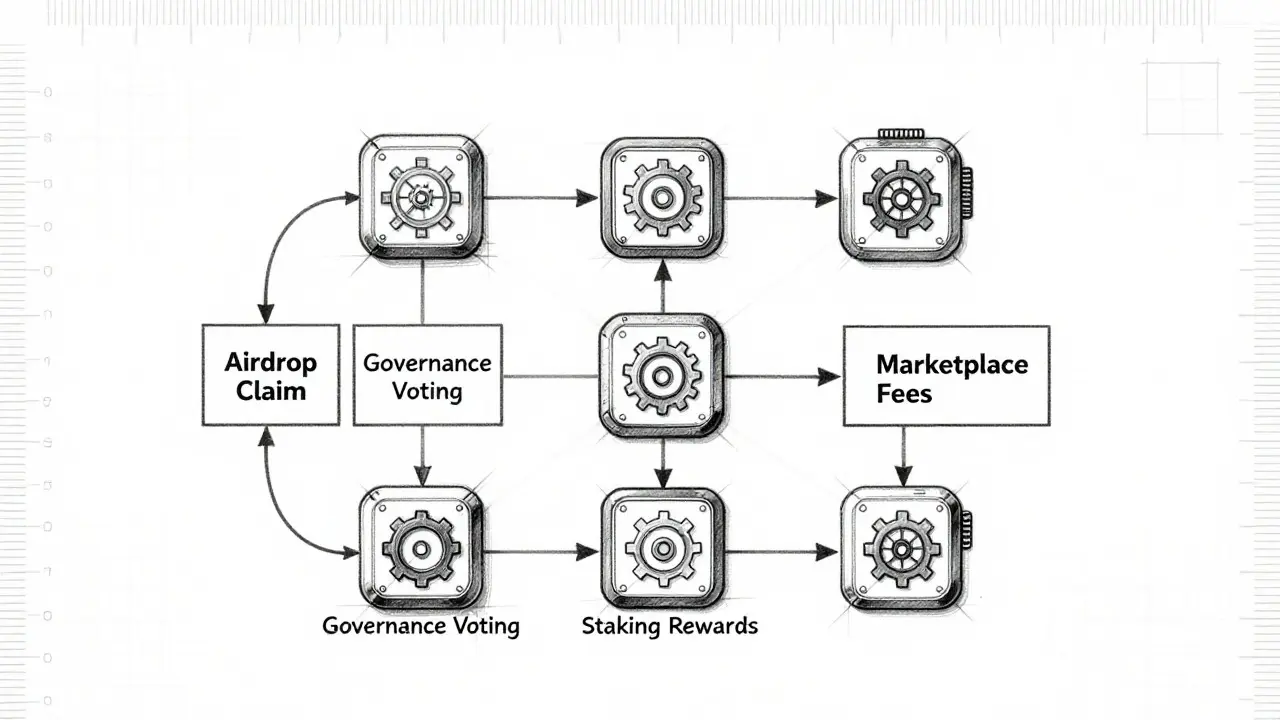
Typically, utility includes governance voting. You might vote on which new NFT collections the pilot launches next or how treasury funds are spent. There could also be staking opportunities, where you lock your NFTP tokens to earn more rewards or higher-tier benefits within the platform. Additionally, some projects introduce a marketplace where NFTP is used to pay for trading fees or minting costs, creating a deflationary pressure if demand rises.
Monitor the project's development activity. Are they releasing regular updates? Is the code being pushed to GitHub? A dead project means your tokens will likely go to zero. Active development is the best indicator of long-term viability.
Frequently Asked Questions
Is the NFTP airdrop really free?
The tokens themselves are free to claim, but you will need to pay gas fees using the native currency of the blockchain (usually ETH) to execute the claim transaction. So, while you don't pay for the tokens, you do pay for the network service.
Which wallets are compatible with NFT TOKEN PILOT?
Most Web3 projects support standard Ethereum-compatible wallets like MetaMask, Coinbase Wallet, and Trust Wallet. Check the project's FAQ page for a specific list of supported providers, but MetaMask is the safest bet for desktop users.
What if I missed the snapshot date?
If you missed the initial snapshot, you might still qualify for future phases. Many projects run multiple rounds of airdrops to reward consistent engagement. Keep an eye on their Discord announcements for "Phase 2" or "Community Rewards" events.
Can I sell my NFTP tokens immediately after claiming?
Technically, yes, if the token is listed on a decentralized exchange (DEX) like Uniswap. However, be cautious of low liquidity. Selling large amounts quickly can crash the price. Also, remember the tax implications of selling shortly after receiving them as income.
How do I verify if the NFT TOKEN PILOT contract is safe?
Look for audit reports from reputable firms like CertiK or OpenZeppelin on their website. You can also paste the contract address into tools like Etherscan to view its verification status and read the source code if you have technical knowledge. Never interact with unverified contracts.