
Why Running a Node Matters for Blockchain Decentralization
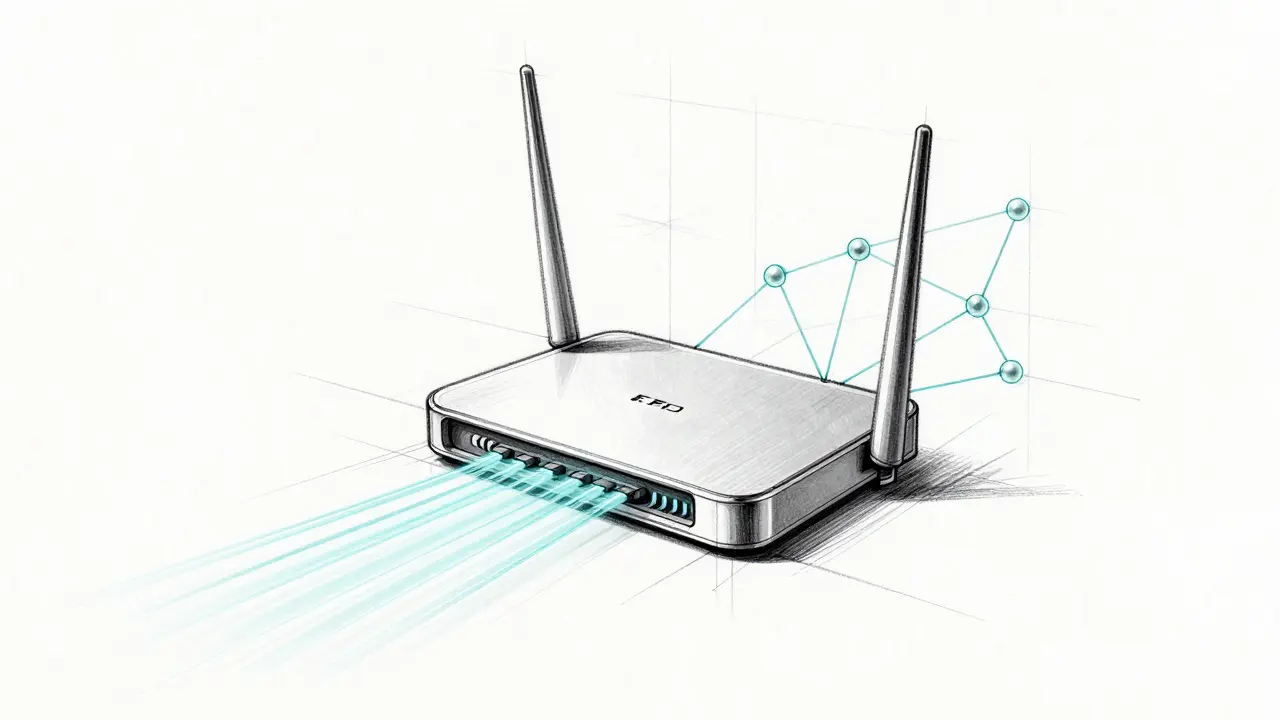
When you hear about blockchain, you think of Bitcoin, Ethereum, or smart contracts. But behind every transaction, every coin transfer, every contract execution - there’s something quieter, less glamorous, but absolutely essential: a blockchain node. Running one isn’t just for tech enthusiasts. It’s the backbone of decentralization. Without nodes, blockchain collapses into just another database - controlled by someone, somewhere.
What a Blockchain Node Actually Does
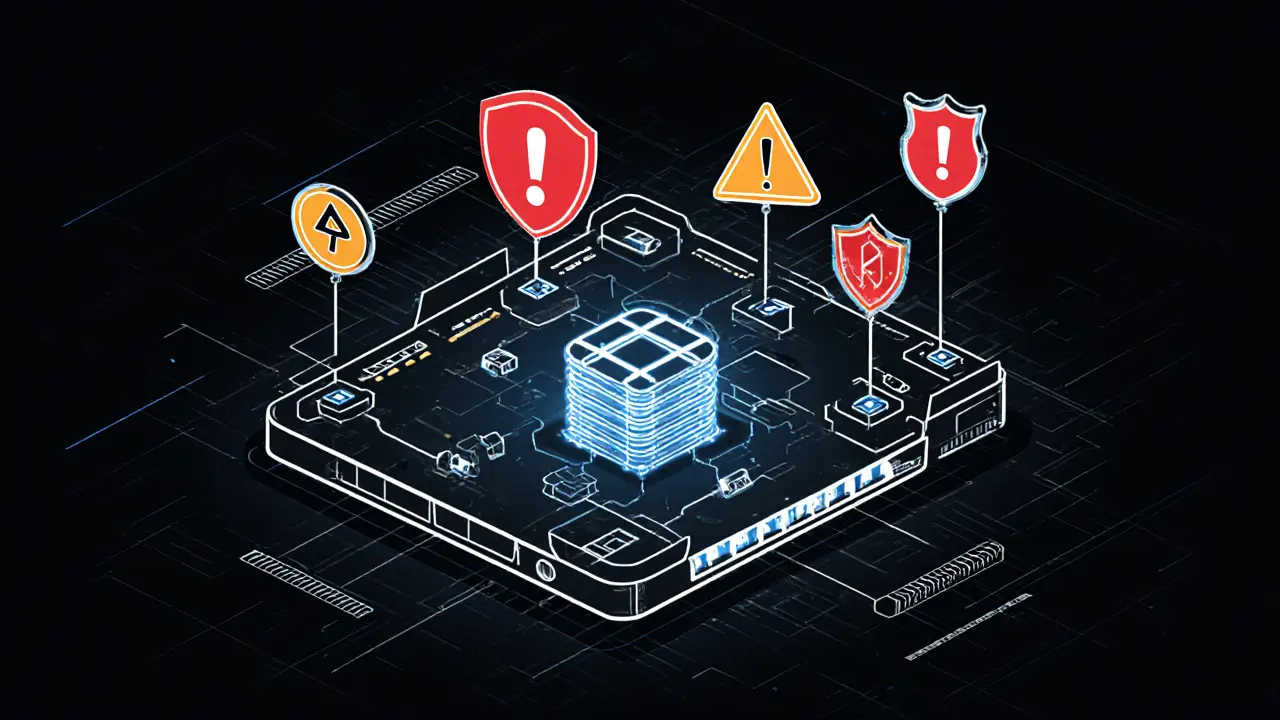
A blockchain node is simply a computer running software that keeps a full copy of the blockchain ledger. It’s not a server in a data center owned by a corporation. It’s not a cloud instance rented from AWS. It’s a machine - maybe your old laptop, maybe a Raspberry Pi in your closet - that stays connected to the network, downloads every new block, and checks every transaction against the rules. In Bitcoin, for example, a full node stores the entire history of every transaction since 2009. That’s over 500 GB of data as of 2026. Each time someone sends Bitcoin, your node verifies it: Is the sender actually the owner? Did they spend the same coins twice? Is the signature valid? If all checks pass, your node passes the transaction along to other nodes. If something’s off, it ignores it. No permission needed. No central authority saying yes or no. This is how decentralization works in practice. Not by magic. Not by theory. By thousands of independent machines doing the same job, checking each other, and refusing to accept anything that breaks the rules.Why Decentralization Isn’t Just a Buzzword
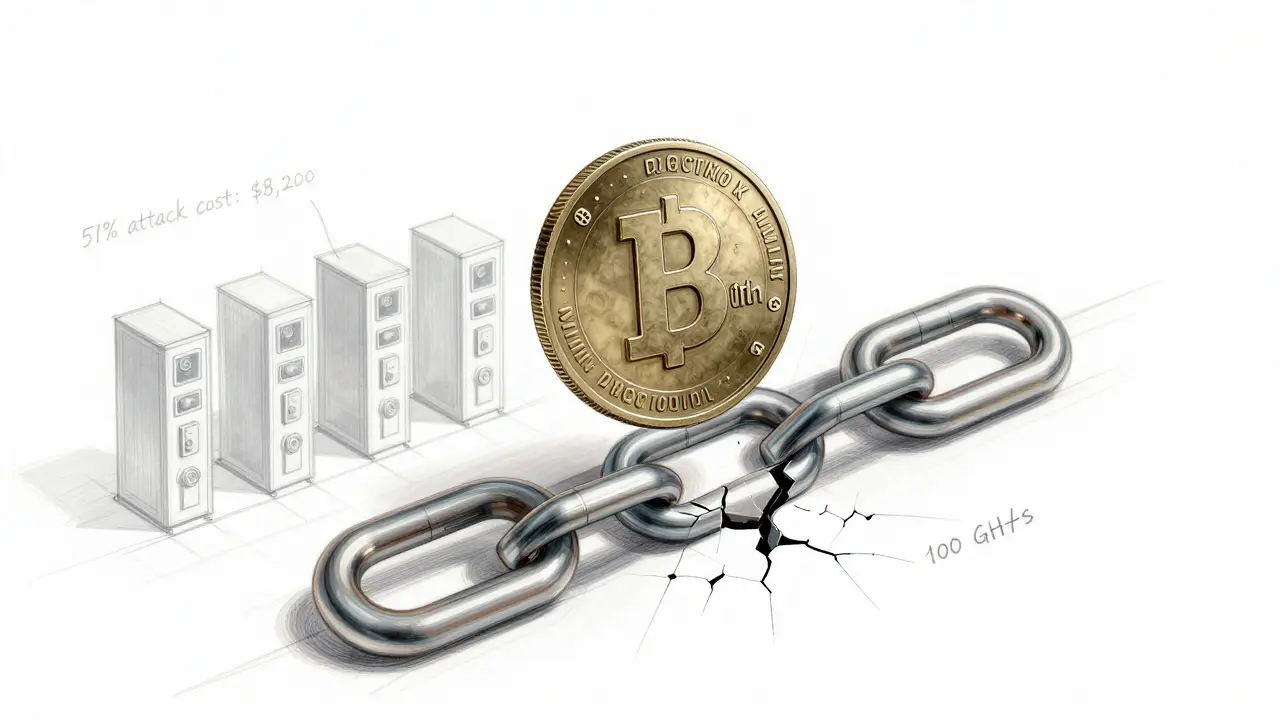
Decentralization sounds nice. But what does it actually protect you from? Think about traditional systems. Banks. Governments. Payment processors. They all have one thing in common: a single point of failure. If a bank’s central server gets hacked, millions of accounts are at risk. If a government shuts down a website, it’s gone. If a payment company freezes your account, you’re stuck. These aren’t edge cases. They happen every year. Blockchain nodes fix this. Because there’s no single server, there’s no single target. To alter the blockchain, you’d need to control more than half of all active nodes at once. That’s called a 51% attack. In Bitcoin, with over 15,000 reachable nodes globally, it’s not just hard - it’s economically impossible. The cost of buying or renting that much computing power would far exceed the value of what you could steal. And even if someone tried, the network would reject the fake blocks. Other nodes would keep the real chain alive. The system heals itself.Security Through Redundancy
Think of nodes like backup generators in a hospital. You don’t need all of them working at once. But if one fails, another kicks in. If ten go down? Still fine. If half go offline? The network keeps running. This redundancy is why blockchain networks stay up during power outages, internet blackouts, or even natural disasters. In 2021, when Texas had a massive winter blackout, Bitcoin nodes in other regions kept the network alive. People in Texas couldn’t send transactions - but the blockchain didn’t stop. It just waited. Nodes elsewhere kept validating. When power returned, the network synced back up. Compare that to a centralized system. One data center goes dark? Everything stops. No backup. No fallback. Just silence.Transparency You Can Verify Yourself
With traditional finance, you trust your bank to tell you your balance. You trust PayPal to say your payment went through. But you can’t see the code. You can’t check the logs. You’re told what happened. With a blockchain node, you see everything. Every transaction. Every block. Every change. You don’t need to trust anyone. You can verify it yourself. That’s the real power of a trustless system. If someone tries to create fake Bitcoin - say, by double-spending - your node will catch it. It checks the entire history. It knows exactly how many coins were ever created. It knows who sent what. No middleman. No hidden ledger. Just math and cryptography. This isn’t theoretical. In 2025, a major exchange tried to hide a withdrawal by manipulating its internal records. But because the blockchain was public and nodes were validating independently, the fraud was exposed within hours. The network didn’t care about the exchange’s internal reports. It only cared about what the nodes agreed on.
Governance That Actually Belongs to Users
Many blockchains don’t just let you verify transactions - they let you vote on changes. In Dash, masternodes vote on funding proposals. Want to build a new mobile app? Run a marketing campaign? Propose it. If enough masternodes approve it, the network pays for it from its treasury. No CEO. No board. Just people running nodes deciding what’s worth funding. Decred does the same. Stakeholders vote on protocol upgrades. MakerDAO lets MKR token holders - who run nodes - vote on interest rates, collateral types, and even emergency shutdowns. This isn’t democracy in the traditional sense. It’s economic democracy. You don’t get a vote because you’re a citizen. You get a vote because you’re putting your resources - hardware, electricity, time - into keeping the network alive. If you’re not running a node, you’re not just watching the system. You’re letting someone else run it for you. And that someone else? They might not have your best interests in mind.Economic Incentives Keep the Network Alive
Running a node isn’t charity. It’s an investment. In Bitcoin, miners get rewarded with new coins for adding blocks. But full nodes? They don’t get paid directly. So why do people run them? Because they protect their own value. A node ensures you’re not being lied to. If the network forks, or if someone tries to inflate the supply, your node will reject it. Your coins stay safe. Other chains like Ethereum, Dash, and Decred reward node operators directly. Ethereum’s validators earn ETH for participating in Proof of Stake. Dash masternodes get a share of block rewards. These incentives aren’t optional. They’re what keeps the network alive long-term. Without rewards, nodes would drop off. Without nodes, decentralization dies. It’s that simple.Censorship Resistance in Action
In 2024, a country banned cryptocurrency transactions. They blocked exchanges. They shut down local wallets. But they couldn’t shut down the blockchain. Why? Because nodes were running in homes, offices, and even mobile hotspots across borders. People could still send and receive Bitcoin - not through apps, but through direct peer-to-peer connections. Nodes made it possible. This isn’t about hiding money. It’s about preserving access. When governments control payment systems, they control what you can buy, who you can pay, and when you can act. Blockchain nodes remove that control. They make financial access borderless and censorship-resistant.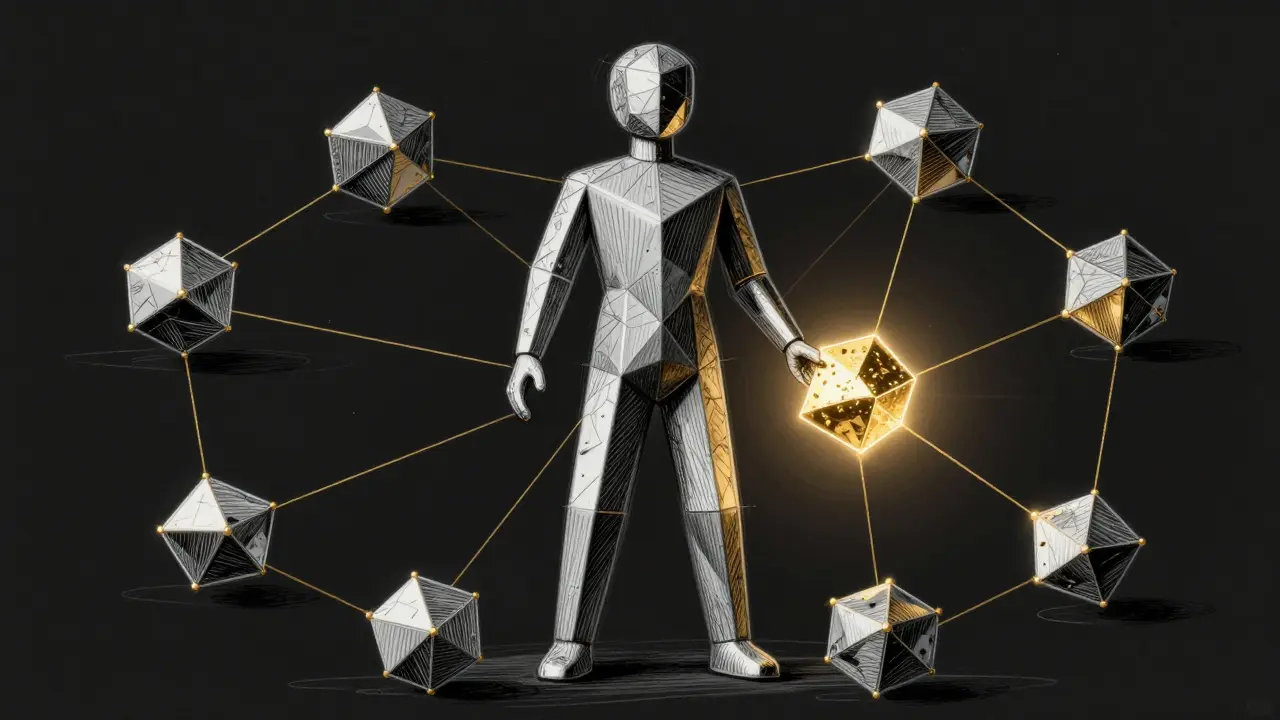
Removing Middlemen, Reducing Costs
Think about sending money internationally. Banks charge $30-$50. Wire transfers take days. Currency conversion fees? Another 3-5%. On a blockchain, with nodes validating everything, you can send $1,000 to someone on the other side of the world for less than $1 - in minutes. No bank. No intermediary. Just a node network doing the work. This cuts costs not just for individuals, but for entire industries. Supply chains use blockchain nodes to track goods without relying on third-party auditors. Land registries use them to prove ownership without government databases. Insurance claims are settled automatically when nodes verify conditions are met. The savings aren’t theoretical. A 2025 study by the World Bank found that blockchain-based systems reduced cross-border transaction costs by 67% compared to traditional banking.Decentralized Identity: Taking Control Back
Your identity isn’t just your name. It’s your birth certificate, your passport, your credit score, your medical records. Right now? All stored in centralized databases. Controlled by corporations or governments. Blockchain-based decentralized identity changes that. Instead of handing your data to a company, you store cryptographic keys on your device. Nodes help verify your identity without ever seeing your personal details. Imagine proving you’re over 21 without showing your ID. Or getting a loan without giving your bank access to your entire financial history. Nodes make this possible. They verify claims - not data. This isn’t sci-fi. Projects like Sovrin and uPort are already using node networks to give people control over their digital identities.The Future: More Nodes, Not Less
The number of Bitcoin nodes has grown steadily since 2009. In 2026, over 15,000 are reachable worldwide. Ethereum has a similar number. But here’s the catch: most of them are still run by individuals, not corporations. That’s good. When big companies start running nodes, they often cluster them in the same data centers. That creates new centralization risks. The goal isn’t more nodes - it’s more independent nodes. That’s why tools are getting better. Lightweight nodes now run on smartphones. Node software is optimized for low-bandwidth connections. You don’t need a $2,000 server anymore. A $50 Raspberry Pi and a decent internet connection are enough. The barrier to entry is falling. And that’s exactly what decentralization needs.What Happens If You Don’t Run a Node?
You’re not broken. You’re not wrong. But you’re relying on someone else’s node. That means you’re trusting their software. Their uptime. Their honesty. If their node gets hacked? You lose access. If they decide to censor a transaction? You can’t stop them. If they go out of business? Your wallet might stop working. Running your own node doesn’t make you a crypto expert. It just means you’re not handing over control. You’re part of the system. Not a user of it.Do I need a powerful computer to run a blockchain node?
No. While Bitcoin full nodes require around 500 GB of storage and steady internet, you can run lightweight versions on a Raspberry Pi or even a smartphone. Ethereum validators need 32 ETH for staking, but you can join a staking pool with less. The key isn’t power - it’s consistency. A node that stays online 24/7 matters more than one with top specs.
Can I run multiple nodes on one machine?
Yes, technically. But it’s not recommended. Running multiple nodes on one device defeats the point of decentralization. If that machine goes down, you lose multiple points of network redundancy. True decentralization means spreading nodes across different locations, power sources, and networks.
Do I get paid for running a node?
It depends on the blockchain. Bitcoin full nodes don’t get paid directly - they earn security and control. Ethereum validators, Dash masternodes, and Decred stakeholders do earn rewards. Some networks offer incentives for running nodes in under-served regions. Always check the specific network’s rules before investing time or money.
Is running a node legal everywhere?
In most countries, yes. But some governments restrict or monitor node operation, especially if they’re tied to cryptocurrency use. In places with strict capital controls, running a node might attract attention. Always check local regulations. The act of running a node isn’t illegal anywhere - but how you use it might be.
What’s the difference between a full node and a light node?
A full node stores the entire blockchain and verifies every rule. A light node only downloads block headers and trusts other nodes for transaction data. Light nodes are faster and use less space, but they sacrifice independence. You’re trusting someone else’s full node. Full nodes give you full control.

Deeksha Sharma
February 8, 2026 AT 01:54It’s not about being a tech wizard. It’s about showing up. Every day. Quietly. Consistently. And that’s revolutionary.
David Bain
February 9, 2026 AT 08:15The notion that decentralization is a 'feature' is a category error. It is the *condition of possibility* for trustless coordination. Nodes are not infrastructure-they are the ontic substrate of social contract in the digital age.
Freddie Palmer
February 9, 2026 AT 14:18And the fact that it runs on a $35 device? That’s the most beautiful thing. Technology shouldn’t be for the elite. It should be for everyone. And it is. If you want it to be.
Taybah Jacobs
February 11, 2026 AT 09:56Alisha Arora
February 12, 2026 AT 15:21Mrs. Miller
February 12, 2026 AT 19:17What’s more ironic? That the people screaming about centralization are the same ones who use smartphones built by Apple and run on Google’s cloud.
Running a node isn’t about being perfect. It’s about trying. And you? You’re not even trying. You’re just mad.
Michael Sullivan
February 13, 2026 AT 08:46Reda Adaou
February 14, 2026 AT 11:33It’s not glamorous. But it’s peaceful. And honestly? That’s worth more than any reward.
Paul Jardetzky
February 15, 2026 AT 16:40Start small. Stay online. That’s it. You don’t need to be a genius. You just need to care. And if you care? You’re already winning.
Paul Gariepy
February 16, 2026 AT 14:40Jim Laurie
February 18, 2026 AT 11:34Not because I got rich. Not because I was cool. But because I finally understood: this isn’t magic. It’s mechanics. And I’m part of the machine. That’s wild.
Udit Pandey
February 20, 2026 AT 04:00Decentralization cannot be universal when infrastructure is not. The West romanticizes nodes. We need clean water.
Sharon Lois
February 21, 2026 AT 01:06mahikshith reddy
February 21, 2026 AT 17:00Brendan Conway
February 21, 2026 AT 19:04It’s weird. But it works.
Katie Haywood
February 23, 2026 AT 05:08There are people in rural Kenya running nodes on solar-powered routers. In Ukraine, nodes survived airstrikes because they were spread across basements.
Decentralization isn’t about perfection. It’s about resilience. And it’s working.
Matt Smith
February 25, 2026 AT 00:14Decentralization? More like centralized chaos. 😎
Josh Flohre
February 26, 2026 AT 09:23Decentralization without ethics is just anarchy with better documentation.
Jesse Pasichnyk
February 27, 2026 AT 09:24Jordan Axtell
February 28, 2026 AT 11:28I ran a node for a year. Then I found out my ISP was throttling my traffic. I got mad. I quit.
Decentralization? More like delusion with a Wi-Fi password.